Support WBUR
Field Guide to Boston
A hot hurricane summer: How Massachusetts residents can prepare
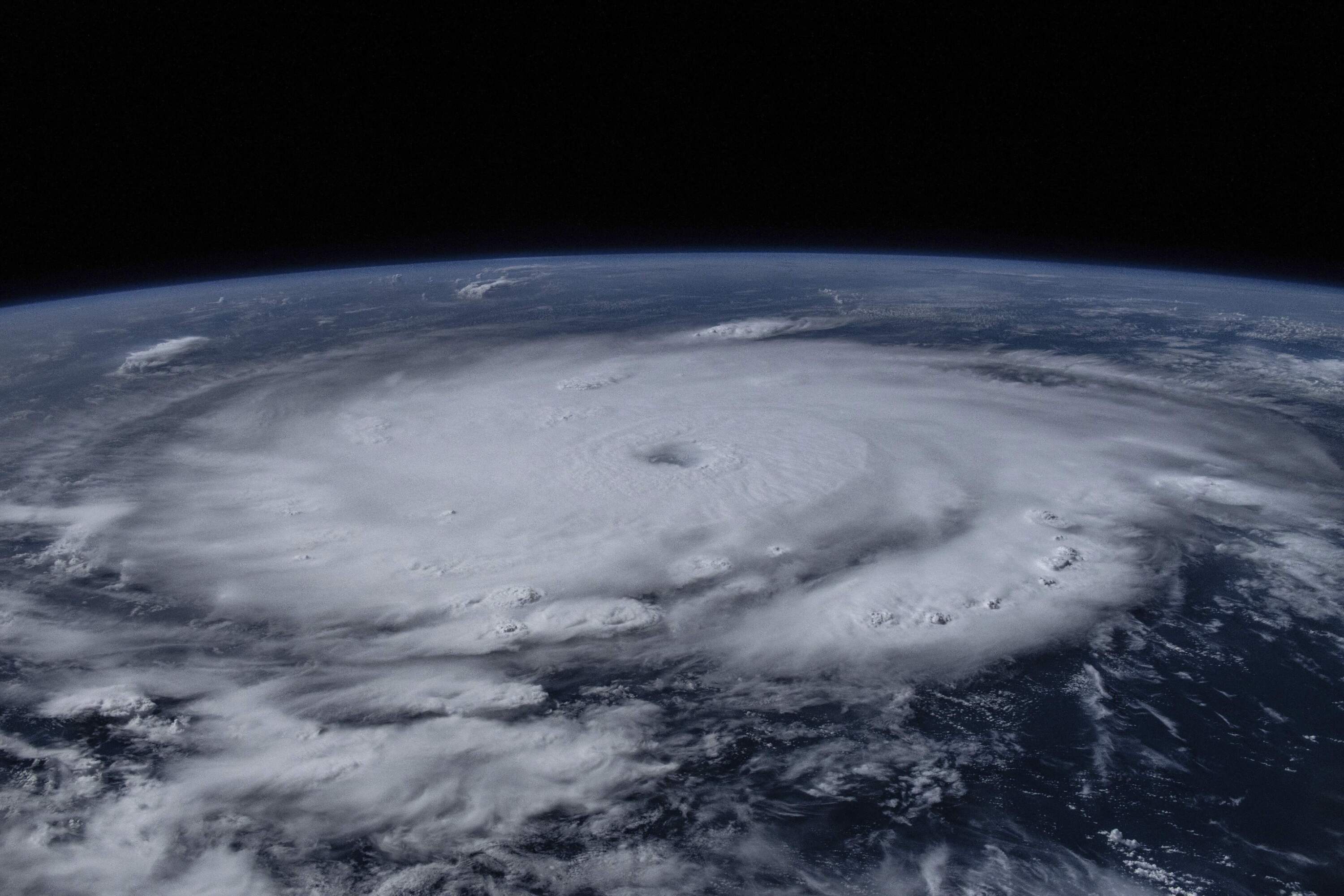
Atlantic hurricane season is well underway. And while Massachusetts residents rarely batten down the hatches like southern East Coasters do, experts say it's a good idea for them to better prepare this year.
Forecasters at the National Oceanic and Atmospheric Association (NOAA) predicted an "above normal" number of Atlantic hurricanes this summer. They expect 17 to 25 named storms to develop, with eight to 13 likely transforming into hurricanes. Of those, up to seven may become major hurricanes.
To put things into perspective, the Atlantic usually only faces about 14 named storms.
Danielle Noyes, WBUR's meteorologist and founder of 1°Outside, said the increased threat of hurricanes is largely due to warmer ocean temperatures — specifically, in the Gulf of Mexico — and La Niña climate conditions. Noyes explained that La Niña suppresses high-altitude wind in the tropics, which creates ideal circumstances for hurricanes to form.
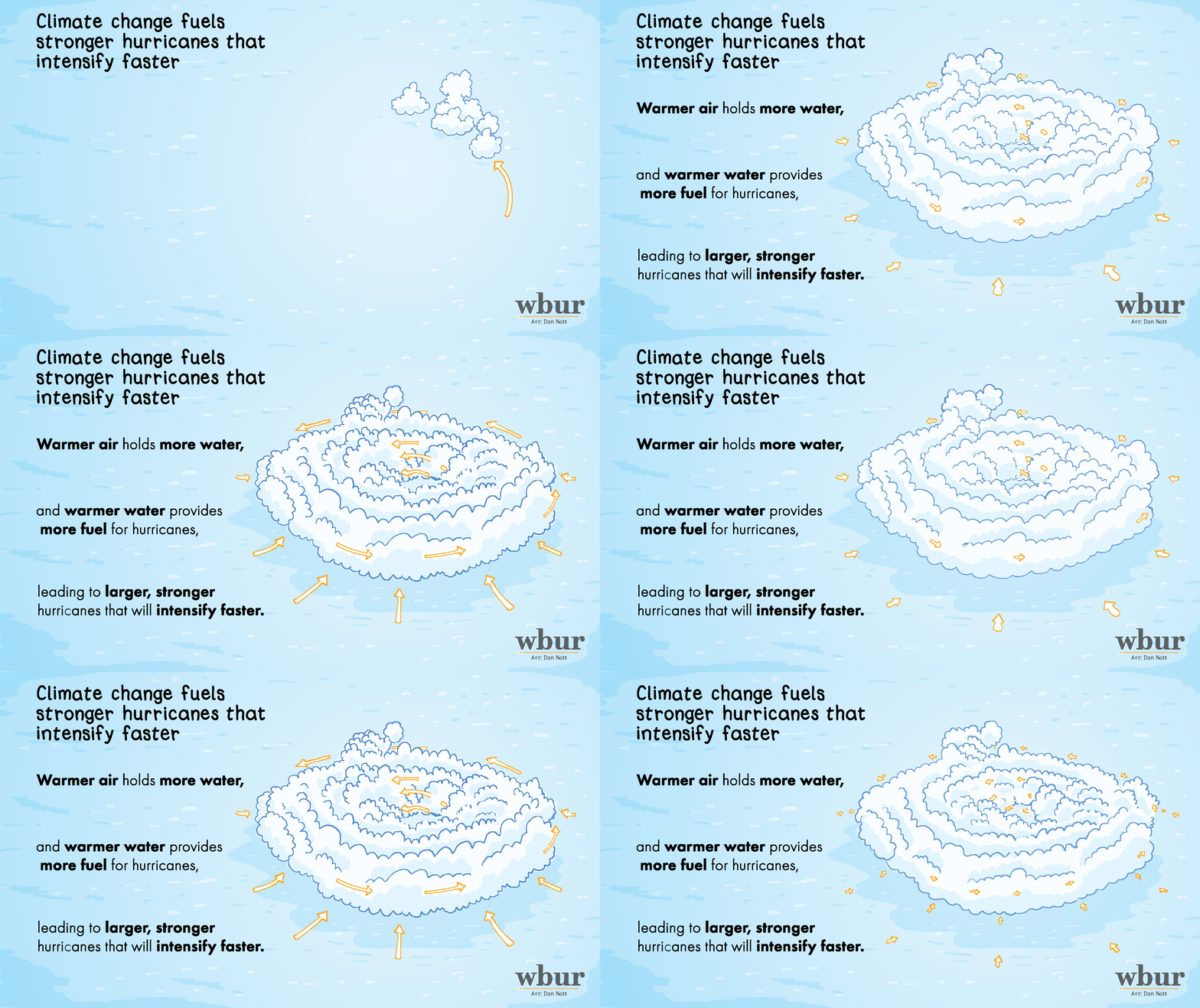
Given this, the Massachusetts Emergency Management Agency (MEMA) is warning that hurricanes may impact residents in the Northeast more this year. In Massachusetts, hurricane season occurs between August and September.
Preparing for natural disasters can feel daunting, especially in a state where the last hurricane to make landfall was Hurricane Bob, over three decades ago.
"We haven't had a hurricane in New England since 1991. I won't say people forget about it, but you do kind of put it in the back of your mind," Noyes said.
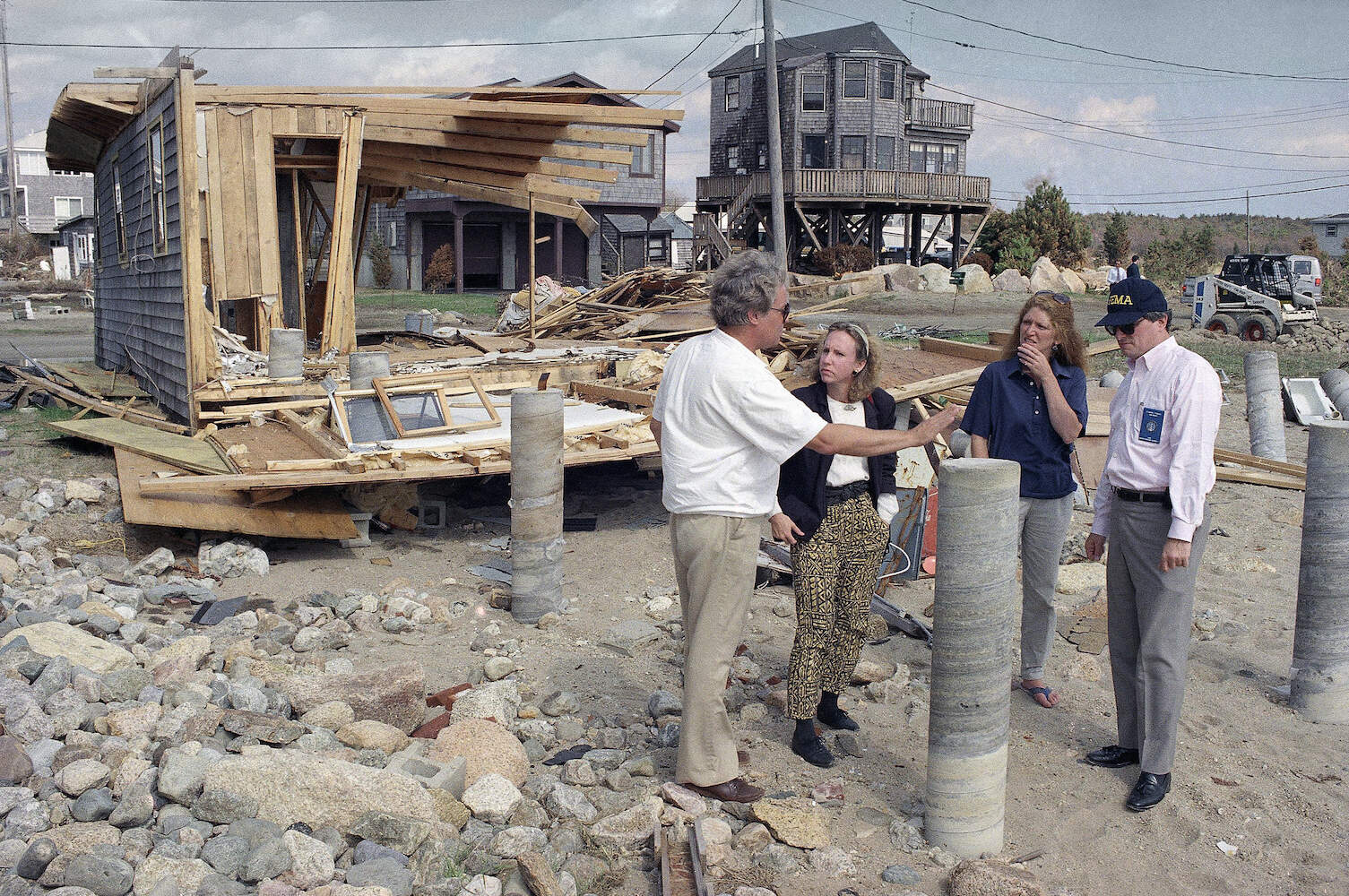
Hurricane Bob caused massive damage in Massachusetts. Trees and utility poles were destroyed; 60% of southeastern residents lost power. Along the coast, homes were ruined, boats were ripped from their moorings and coastlines eroded. The state accounted for $39 million in damages.
Without adequate preparation, meteorologists and emergency management officials worry that extensive damage could occur again. Here's a quick guide on how to be ready this hurricane season:
Hurricane alerts and warnings
Try to keep your phone battery charged. In an emergency, you're going to want to pay attention to storm alerts.
The government sends Wireless Emergency Alerts (WEA) about severe weather, like hurricanes. Most cell phones made in the last decade will receive these alerts, but check with your wireless provider if you're unsure. Go into your phone's notification settings and ensure government or emergency alerts are turned on. (Here are instructions for iPhone and Android.)
MEMA recommends residents check if their municipality has an additional alert system. If yours does, sign up for your local emergency notification system to receive important information during severe weather. And in many communities, like Quincy for example, people are also welcome to call the office.
It's also wise to be aware of multiple ways to receive emergency alerts. These include listening to NOAA weather radio, calling 2-1-1 to receive non-emergency information and following local and state public safety accounts on social media.
"During any emergency or weather event that may require an evacuation, Quincy residents would receive multiple telephonic and/or text notifications with important safety information and key numbers to call with questions through alert notification platforms," said Ally Sleiman, emergency management director for Quincy.
The National Weather Service (NWS) will issue a "hurricane watch" to alert the public to prepare for hazardous conditions. A watch means that hurricane conditions with winds greater than 74 miles per hour is possible.
A "hurricane warning," on the other hand, means hurricane conditions are expected, and it's recommended that residents prepare immediately for the storm. For instance, if you're a coastal resident, start moving inland or break out your emergency kit.
Evacuation plans
Find out what your hurricane evacuation zone is before a storm is on the horizon. And devise a plan for what to do, "so that when a storm does happen, you can just set the wheels into motion," Noyes said.
For instance, if you are in a high-risk zone, make an evacuation plan. Consider a safe destination, like staying with friends or family farther inland, and keep your gas tank full.
Massachusetts' 78 coastal communities are most susceptible to damaging high winds and storm surges, according to MEMA. Places like the shorelines in Buzzards Bay, Cape Cod, Martha's Vineyard and Nantucket are all considered high risk during a hurricane.
MEMA's hurricane evacuation zone map shows if you're in a community that's particularly vulnerable:
"So many people wait until the last minute and that's when you see gas stations with long lines and backups extending for miles to get off Cape Cod," Noyes added.
And don't be complacent if you live inland; Noyes recalled the flooding in western Massachusetts during Tropical Storm Irene in 2011.
Prepare an emergency kit
Don't wait until the hurricane warnings are issued. Put together an emergency kit beforehand.
According to MEMA, your kit should include items that could "sustain your household for three to five days without power." Don't forget these basic supplies:
- water
- food
- meal supplies (paper plats, cups, paper towels)
- flashlights and batteries
- first aid kit
- prescription medications
- important documents (including insurance policies, bank records, medical contact information, IDs)
For those with pets, make sure to have collars, leashes, food and medical records. And for families with kids, it's a good idea to have books and games on hand.

Utilities and power sources
During a hurricane, powerful winds can disrupt a power grid.
Having a generator could come in handy to power household appliances like a fridge/freezer, security systems and other electric heating systems.
Power outages and flooding could cause electric shocks and fires, especially in older buildings. MEMA says residents should check that all smoke and carbon monoxide detectors are working.
Be aware that when power comes back on, it may come back with momentary "surges" or "spikes" that can damage your appliances. To try to prevent this, know how to shut off your electricity, gas and water.
It's also not a bad idea to check your home insurance coverage, especially if you live in a flood-prone or high-risk area. Homeowners' insurance doesn't typically cover flood damage and you may need additional coverage.