Support WBUR
Remembering Isabella Stewart Gardner 100 years after her death
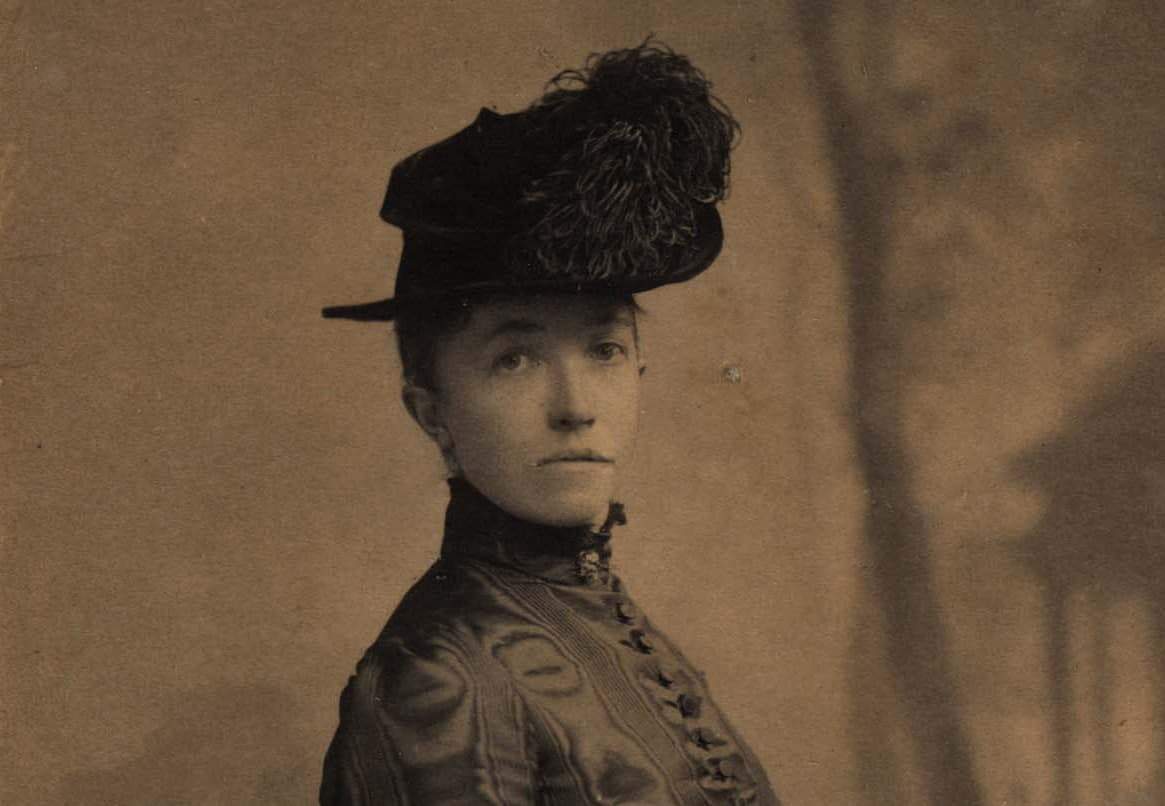
The Isabella Stewart Gardner Museum is remembering its founder on the 100th anniversary of her death on July 17, 1924. She is buried in Mount Auburn Cemetery.
Gardner opened her grand, personally-curated Venetian palazzo to the public in 1903, and museum director Peggy Fogelman said the pioneering art collector’s civic-minded spirit lives on inside the museum’s galleries — but not in the way some might think.
“Lots of people ask me if the Gardener is haunted, I don't believe it is, in terms of her spirit wandering around at night,” Fogelman said with a laugh, “but I do think people who come here, and get absorbed and immersed in the spectacular works of art, are actually fulfilling her intention.”
Gardner was ahead of her time in myriad ways, and Fogelman shared some of her favorite facts and reflections about the famously eccentric Boston resident.
Isabella and the Red Sox
“One of the things people aren't always aware of is that Isabella was a huge Red Sox fan. At the time the stadium was right across Huntington Avenue from the museum. She would go to games, and actually forced her first director and librarian Morris Carter to come to with her. I imagine that was somewhat of a challenge because I think he was a kind of buttoned-up librarian type, and not very into sports. But you know, she was very insistent. She even wore a headband to a BSO concert that said, 'Oh, you Sox.' I think she was probably the first to ever to wear sports paraphernalia to a Boston Symphony Orchestra performance.”
Isabella as museum visionary
“I'm not sure she could foresee what Boston would become a hundred years later, but I think she was quite visionary in planting the seeds that would allow the museum to become part of the fabric of the community. She was a wealthy white woman with considerable means, but she used them to build this museum, which she always intended as a public institution."
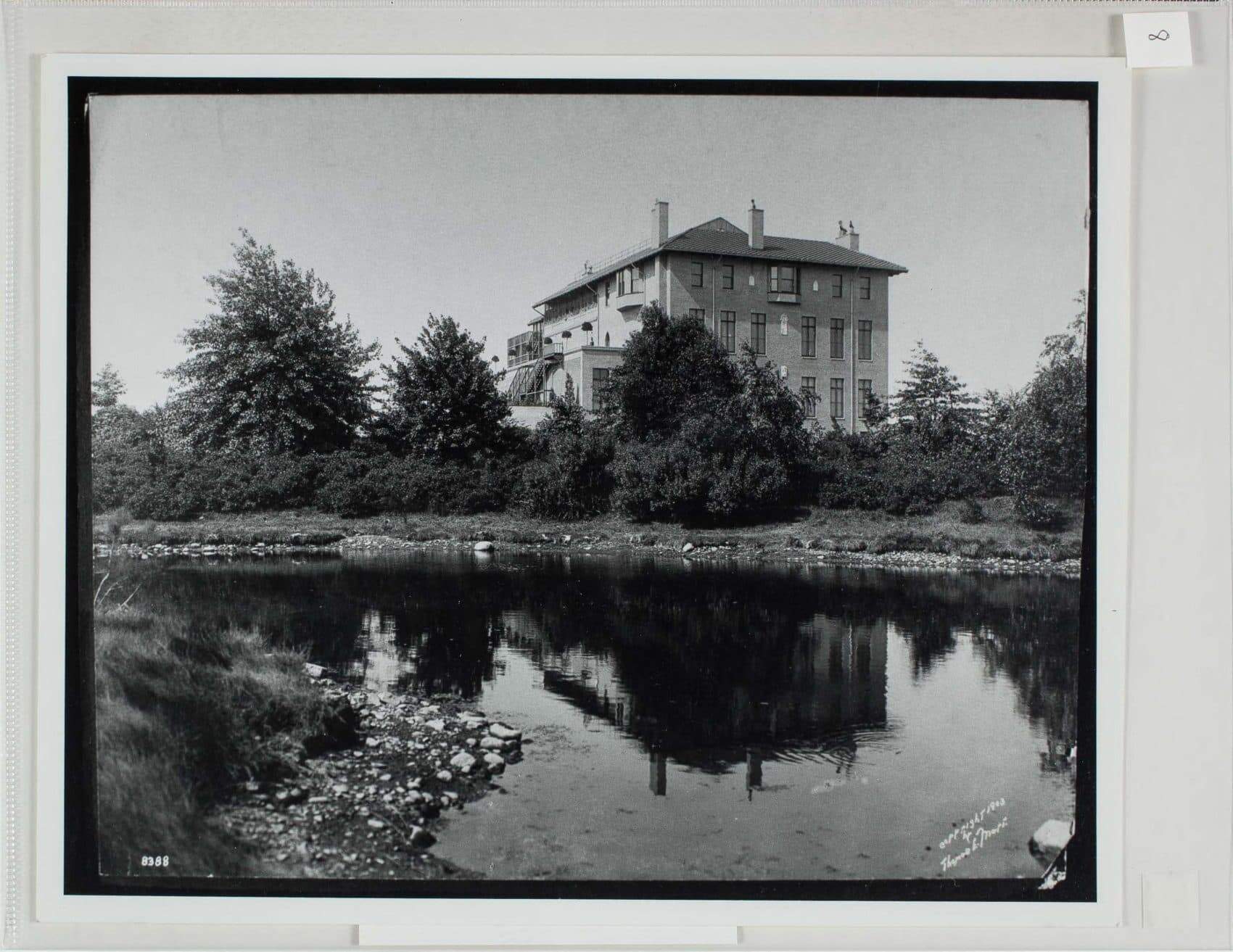
Gardner’s home was always a museum
“Many people think this was her house that then turned into a museum after her death. But in fact, it was open to the public from the time was built and finished. She always saw it as an act of her civic leadership to give the people of Boston access to experiences of art and beauty that they wouldn't otherwise normally have had. And so that impulse to create the environment for cultural equity in the city, I think was something that was very important to her, and that future directors of the museum could really build on. We’re very much trying to realize still today.”
Eccentricity as liberation
“She was, intentionally, quite eccentric. I think eccentricity allowed women of her time to be more independent and autonomous within the strictures of 19th-century Boston. Once you were labeled an eccentric, you could kind of go out on a limb and people weren't surprised. But she used it not only to promote and patronize some very avant-garde art of her time. She also used it for very progressive causes, she was staunchly pro-immigration. She partnered with a community organizer, Meyer Bloomfield, on tenement beautification and the introduction of nature and horticulture into tenement living, which was a huge challenge at the time. Boston has always been a city of immigrants, so it was something she was definitely aware of and sought to help in the ways that she could.”
On fashion
“Isabella was the first woman in Boston High Society to reject hoop skirts, so she was a fashion-forward maven as well.”
Considering what Boston might be without Gardner
“Sometimes I like to think about what Boston be without the Gardner, and it wouldn’t be the same city. I love picturing it a hundred years ago, when there was not much in the area where the museum is. There was nothing. She was the pioneer to build in the new Olmstead development of the Fens.”
Fogelman's comments have been lightly edited for clarity.