Support WBUR
Body donors pull bequests to Harvard following morgue scandal
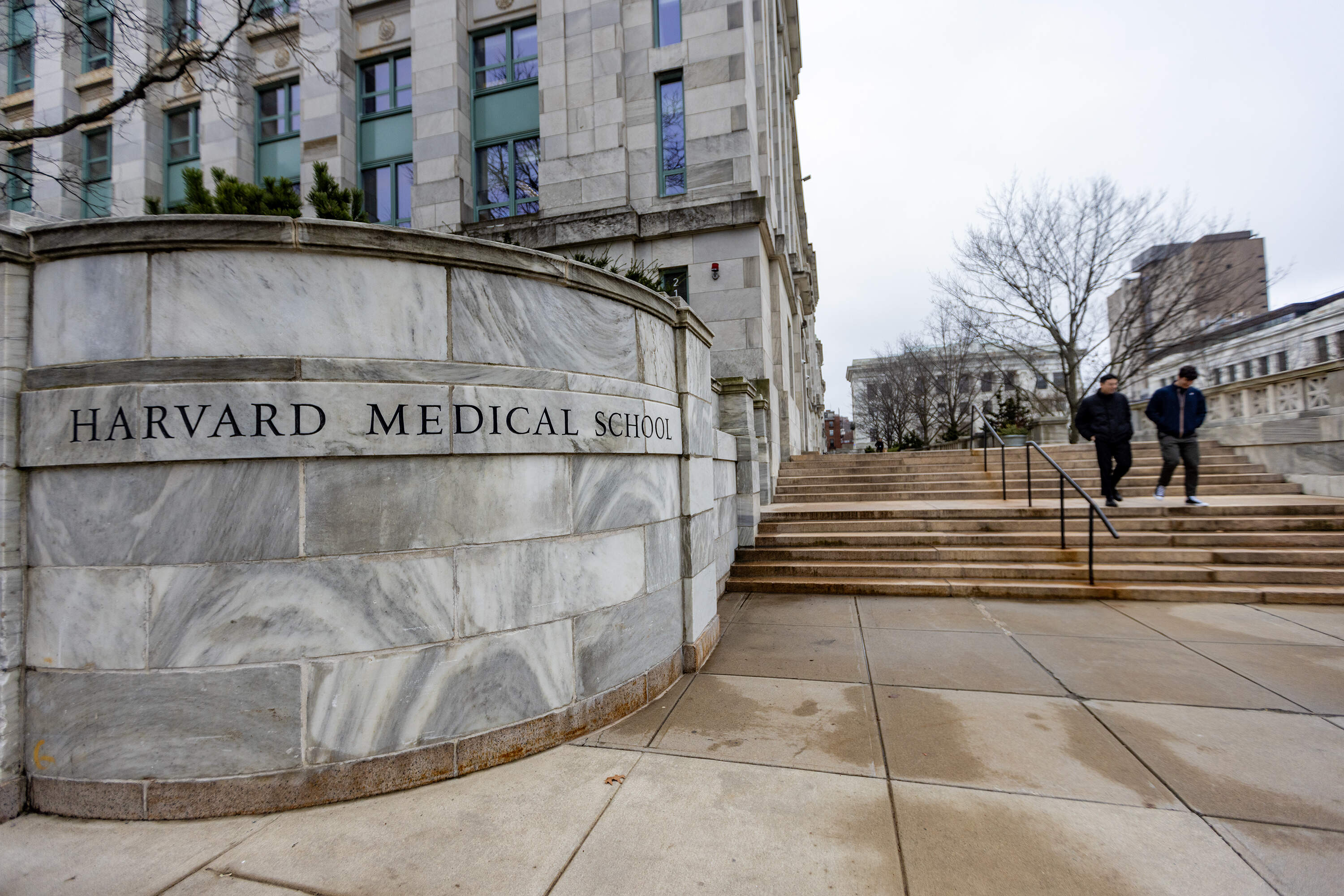
Dozens of people have withdrawn their plans to donate their bodies to Harvard Medical School in the year since news broke that the school’s morgue manager was allegedly pillaging bodies donated to the school.
Last June, Cedric Lodge was arrested for trafficking in stolen human remains allegedly sourced from bodies donated to Harvard.
Data provided by the school show that 65 people rescinded their registration in the past year, compared to an average of nine in the four years prior.
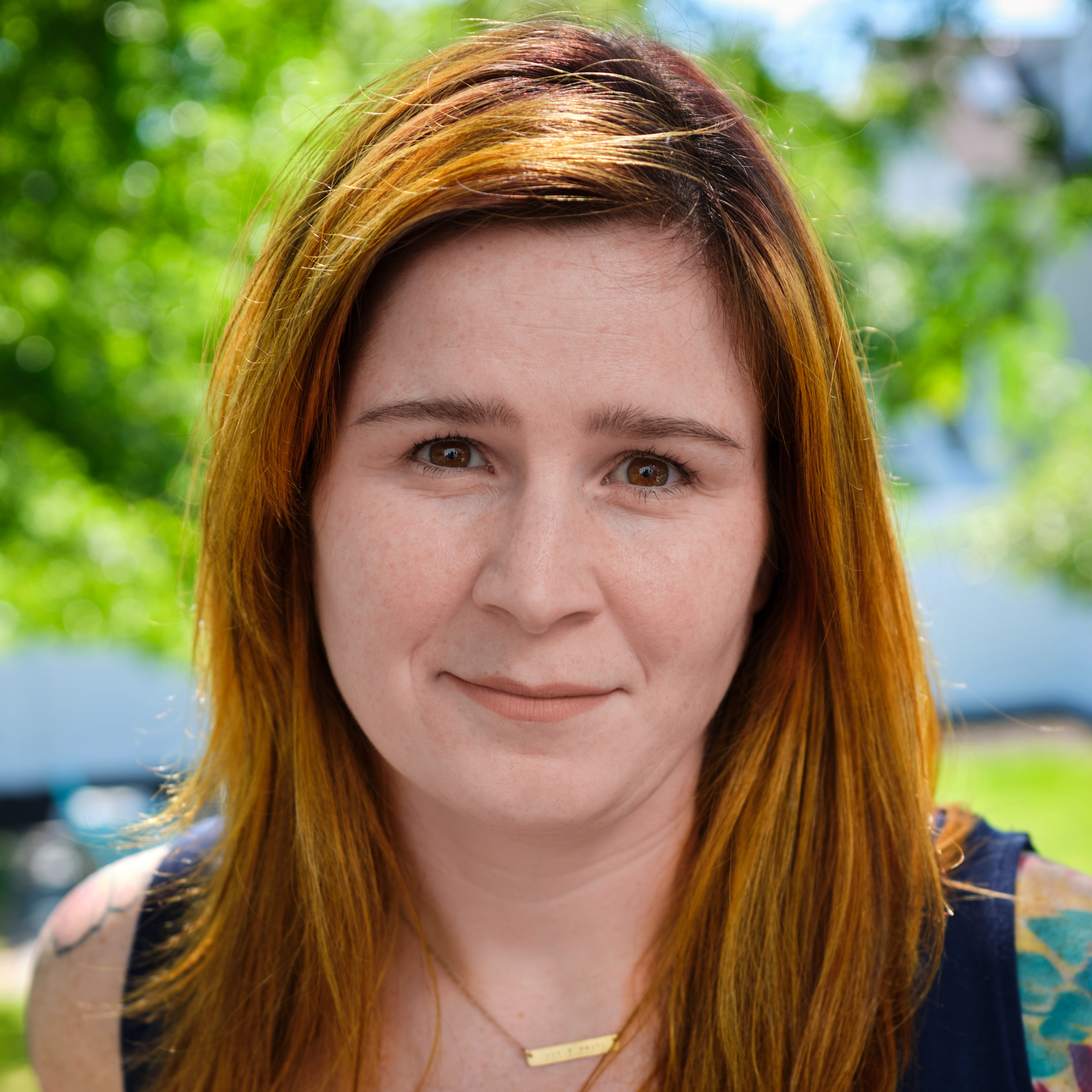
Among those who changed their plans is Lauren Mackler, a 67-year-old therapist and coach from outside Boston.
“I feel like they’ve mismanaged the aftermath terribly,” she said. “And there’s no accountability.”
Mackler heard about Harvard’s body donation program from her older cousins. She registered while she was doing her estate planning in March 2023.
But three months later, Lodge was arrested and the world learned that bodies donated to Harvard were dismembered and sold across the country.
Mackler said she waited a little to see how Harvard would respond. But she withdrew last month after listening to WBUR’s podcast about the case, Last Seen: Postmortem, and hearing about how the school faced no consequences.
She was appalled by what she called Harvard’s "absolute negligence."
“I am absolutely disgusted — and that's the word I need to use, because that's how strongly I feel about it,” she said.
Mackler pointed to Harvard’s successful fight to dismiss donor families’ lawsuits against the school, and Harvard’s refusal to provide any documentation or insight into the donor program and what went wrong.
Harvard has so far refused interview requests. But in statements they have called Lodge’s alleged crimes “an appalling violation of Harvard’s expectations that our anatomical donors be treated with reverence, respect and gratitude.”
In addition to donors withdrawing, Harvard has also seen slightly fewer new registrations: 183 in the last year, compared to an average of 216 in previous years. (Harvard stopped accepting body donations for five months last year while it had an outside panel review its anatomical gift program, but new donor registrations were allowed to continue during that time.)
However, other medical schools in Massachusetts, including Boston University, Tufts and UMass, anecdotally reported an increase in donation registrations after Lodge’s arrest.
Harvard, in a statement, said the number of new donor registrations fluctuates year to year, and cautioned against attributing the rise at other institutions to Lodge’s arrest.
Mackler knows she’s only one person but she hopes her decision to withdraw serves as some kind of small repercussion for Harvard.
“I just feel that there has to be some consequence,” she said. “By not withdrawing, I'm contributing to the lack of accountability… If they had handled it properly, I would not have withdrawn my body.”