Support WBUR
Mass. high court weighs whether sex ring hearings should be public
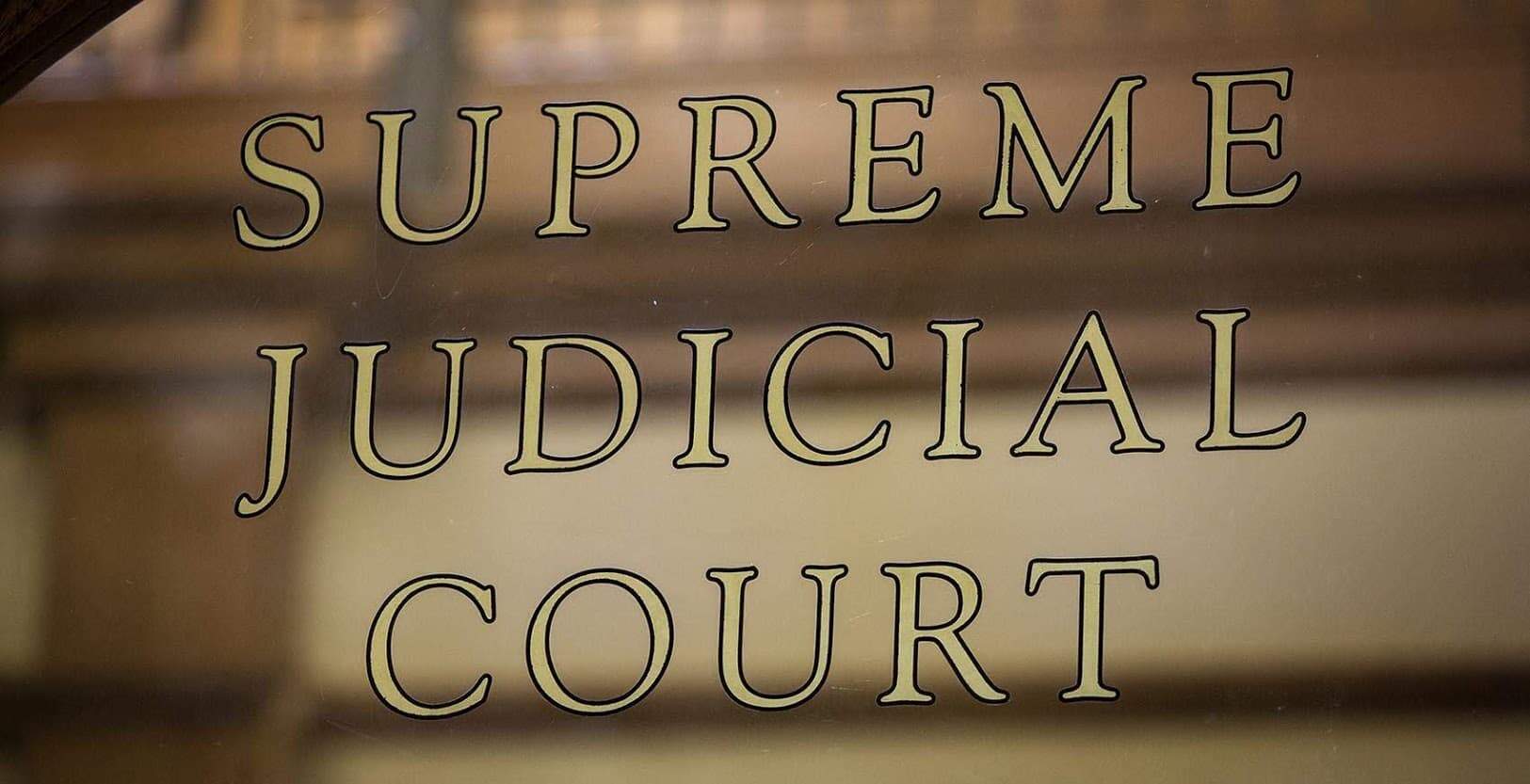
Members of the Massachusetts Supreme Judicial Court grappled Monday with whether to open up hearings and records that would identify more than two dozen people accused of hiring prostitutes from a high-profile sex ring.
The accusations have garnered national attention because federal prosecutors said the sex ring's customers included elected officials, military officers, government contractors and business executives who visited brothels in Cambridge, Watertown and Eastern Virginia. Prosecutors in Massachusetts haven't named the alleged buyers or released more details about the people facing potential charges.
In Massachusetts, court clerks routinely hold hearings in private to determine whether to issue misdemeanor charges against people who haven't been arrested. Information about the cases typically don't become public unless clerks decide to issue charges.
But Cambridge District Court Clerk Magistrate Sharon Shelfer Casey ruled in December the courts should make an exception and open up hearings for 28 alleged sex ring customers because of the unusual public interest in the cases. That came after requests from WBUR and other news organizations for access to the hearings last year.

Gabriel Thornton, an assistant attorney general representing the clerk, told the high court on Monday that opening the proceedings could prevent questions of "whether justice has been done behind the closed doors of the hearing room," since the case was so widely publicized.
An attorney for WBUR, The Boston Globe and NBC 10 Boston also argued the proceedings should be open.
"Our law has long recognized that hearings should be open when public interests outweigh the privacy interests of accused parties in clerks hearings," said Jeffrey Pyle, who represents the media organizations, after the court session. "This case fits that exception perfectly. The individuals who are accused here are alleged to be high-level customers of an interstate brothel that was federally indicted."
"If hearings like this aren't open to the public, I strain to imagine what hearings would be," he said.
Lawyers for many of the defendants, however, insisted their clients are not particularly prominent and deserve an opportunity to face the accusations in private.
Cambridge attorney Kevin Mahoney, representing one of the defendants, told the justices the courts could hold private hearings for each of the alleged buyers and "make an individual assessment as to whether or not this should be open," instead of lumping all 28 defendants together.
But one of the justices questioned if that's possible now.
Justice Dalila Wendlandt said that if the courts closed some of the hearings and opened others it could suggest some of the accused "are being treated differently and the public would never know why."
Mahoney, the defense lawyer, argued that's true already with clerk-magistrate hearings because most but not all are held behind closed doors.
"We have to have some trust in the system for it to function," Mahoney said.
Justices also questioned why the clerk opened the hearings without first notifying defendants and giving them a chance to respond. Thornton, the attorney representing the clerk, said notice is not required by either the law or court standards.
The SJC will also have to wrestle with the decision of whether the underlying court documents should be public. While the clerk magistrate found the hearings should be opened, she declined to release the underlying applications for criminal charges filed by police.
WBUR, the Globe and NBC10 Boston argued in court filings they need access to the records to accurately cover the hearings and correctly identify the defendants.
The high court is expected to issue a ruling by early next year.
Desiree Demos, executive director at the EVA Center, a Boston nonprofit that wants to end prostitution, said hearings and records should be public to expose the people who are funding the sex ring and help discourage others from participating in prostitution.
An advocacy group for sex workers, Boston Sex Workers and Allies Collective, said it believes hearings should be confidential. Organizers said they were concerned that making the cases public might scare people who hire sex workers into hiding their identities in the future.
"Clients may be less likely to provide the information sex workers use to keep themselves safe if they fear being arrested and outed in public hearings," said Mary Carol, co-chair of the group. "This would exacerbate an ongoing challenge that sex workers face to select safe clients."
This article was originally published on September 09, 2024.
This segment aired on September 9, 2024.