Support WBUR
Cape Cod research group gets $3 million to expand wastewater innovation hub
The Massachusetts Alternative Septic System Test Center (MASSTC) in Sandwich has received nearly $3.3 million in state and federal funds to expand its wastewater research facility.
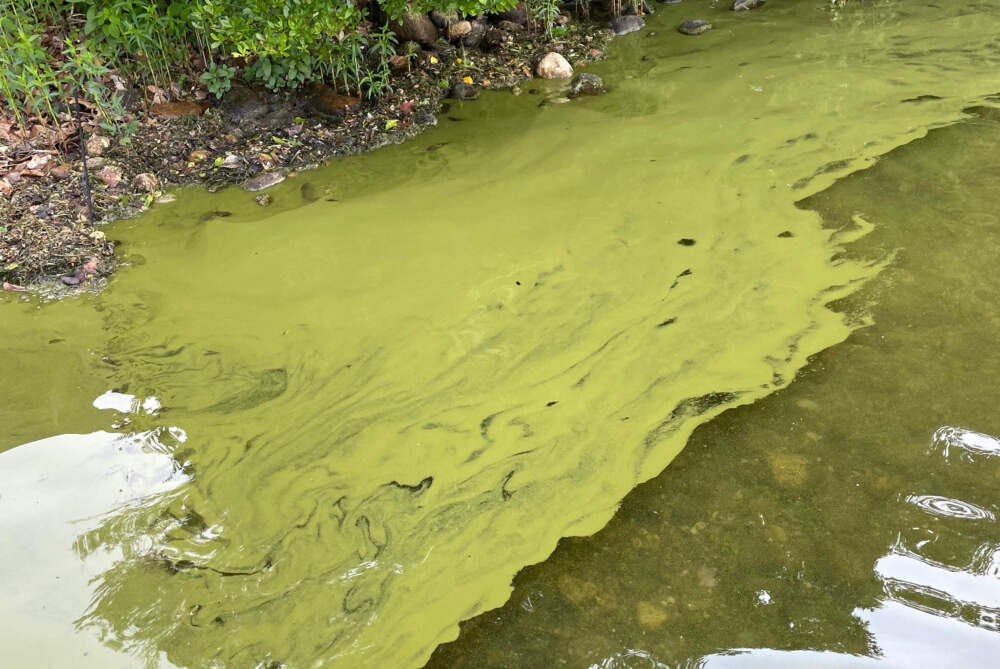
Pollution from septic systems leads to algal blooms and fish kills on Cape Cod and in other coastal communities. MASSTC, which is part of the Barnstable County government, is known nationally for its research into the potential solutions for wastewater pollution.
MASSTC Director Brian Baumgaertel said the group will use the grant money to expand its facility, adding office and laboratory space, a workshop, and a small conference center for public outreach and job training.
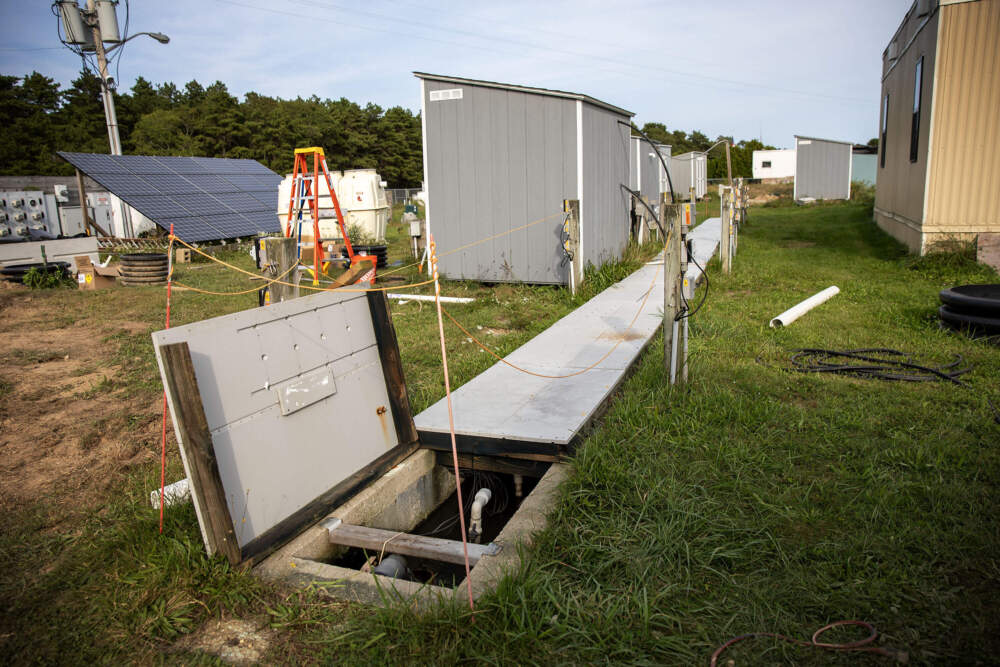
"The [existing] facility itself is pretty inspirational," Baumgaertel said. "But we've lacked really that central spot where we can hold more organized educational opportunities beyond just just the tours."
MASSTC has gained a higher profile in recent years as water quality on Cape Cod has declined. About 85% of Cape Cod residences use traditional septic systems, which leach nitrogen and phosphorus into groundwater. When these nutrients arrive into bays and ponds, they can lead to overgrowth of harmful cyanobactria, algae and invasive plants.
About 90% of Cape Cod's coastal bays and more than a third of its ponds have "unacceptable" water quality, according to the nonprofit Association to Preserve Cape Cod's most recent State of the Waters report.
In 2023 the state finalized regulations that require communities on the Cape to clean up the water. Towns are now grappling with the cleanup's enormous price tag: In Barnstable alone, cleanup will take 30 years and is estimated to cost more than $1 billion.
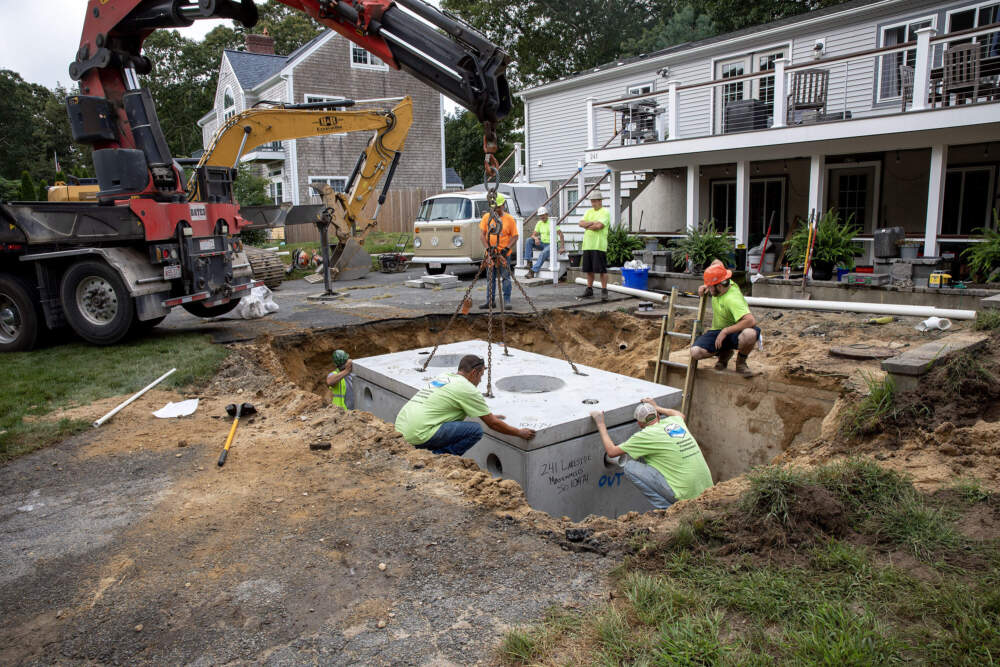
The cleanup efforts will also require workers trained to operate new wastewater treatment plants, and install and maintain more complex septic systems, said Baumgaertel. He said that MASSTC plans to work with local community colleges and technical schools to offer training.
"We want to help bolster that, particularly on Cape Cod, where we already have some workforce issues because of the housing issues that we have," he said. "There are some really good steady jobs out there to be had."
Baumgaertel said the money will also help MASSTC expand its research into less-studied wastewater pollutants, such as microplastics, pharmaceuticals, and the toxic chemicals known as PFAS.