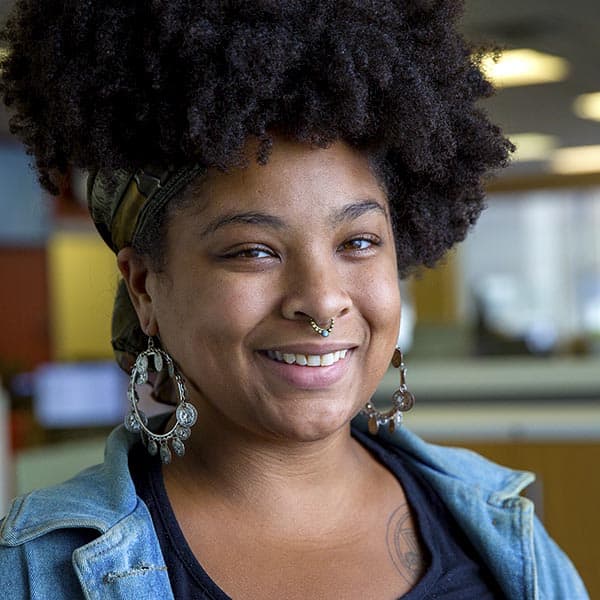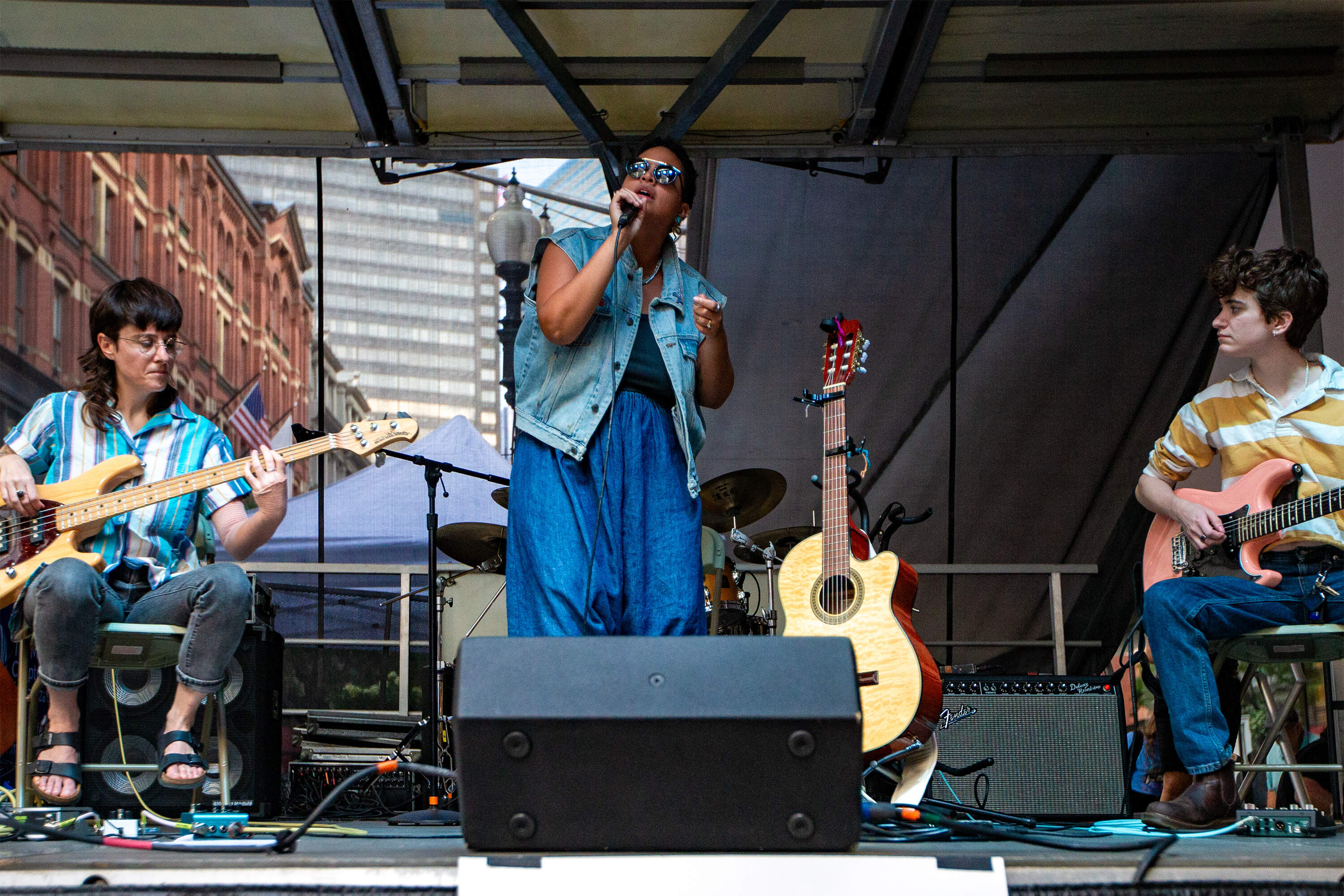
Musician Naomi Westwater uses song to conjure new ideas of belonging
When artist Naomi Westwater was 12 years old, they and their family moved from one house to another along Cape Cod. The process included more than lugging around furniture.
“My mom brought her women's spiritual group to cleanse the house and my dad brought his spiritualist minister,” Westwater recalled. “My mom's women's group is singing and throwing salt and flowers around the house. My dad's minister is on the lawn, playing her didgeridoo.”
At the time, it was hard for Westwater to appreciate their parents’ fluid approach to spirituality. “I remember being like, ‘This is so embarrassing. Now all of the neighbors know that we're not normal.’”
But this exposure to different practices and faiths allowed Westwater to build their own form of spirituality. As a kid, they would explore cranberry bogs and gardens. “I was creating and singing and I was often doing it outside.”
Now, the 33-year-old believes music and spirituality are two sides of the same coin — it's why they have an altar honoring their ancestors in the same room where they write and sing. Westwater calls the songs they create “spells.”
“The songs are very spiritual — I'm manifesting things in the world or allowing myself to really live in a feeling,” they said. Music is their way of charting familiar and new territory into what it means to belong.
As a queer, nonbinary, multiracial Black person, Westwater would often find themself straddling the boxes that define their various identities. Growing up, it could be frustrating. “Now, as an artist, I've really embraced it and I've embraced that it allows me to have a very unique perspective on the world,” Westwater said.
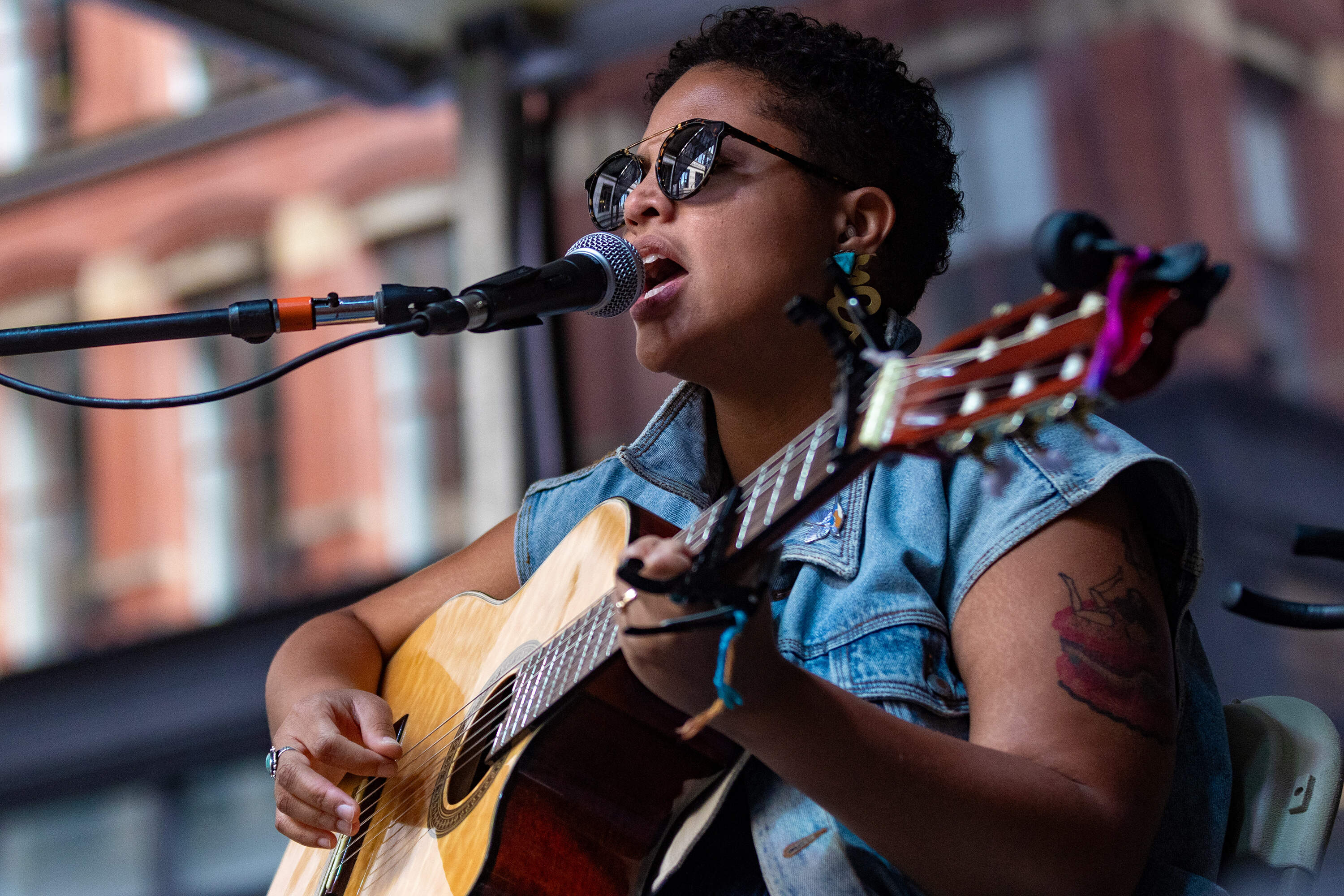
High school was a formative experience for Westwater, where they took a queer literature class and learned about influential Black writers like James Baldwin. Attending Goucher College, a liberal arts school in Maryland, provided an environment where Westwater could experiment. “I studied the practice and theory of story-making, jazz and jazz composition and jazz singing, poetry and creative writing… I studied photography and communications," they said. "All of those things really helped me with my artistry.”
While getting their master’s in contemporary music from the Berklee College of Music, Westwater learned how to record their own work, which gave them another level of creative freedom. They cite an array of musical inspirations, from popular artists like Alanis Morissette to genres like reggae and jazz, which frequently played in their household growing up. But one of the constant undercurrents in their work is folk, which hasn’t always elevated non-white artists.
“For so long, I was told either blatantly or subconsciously that I was not allowed to be in that genre,” Westwater said. “I was really pushed to sing what people think of as Black music.”
Folk music is often described as the “music of the people” — regional stories, tales and history are passed down in the form of song. But Westwater says the genre’s history (and its present) have been whitewashed. “All modern American music has its roots in Black and Indigenous music,” Westwater pointed out. “People of color have been in all of these genres the whole time.”
One of the things they want to do is expand the perception of folk music to include people of color and queer and trans performers. It’s why they founded the series Reclaiming Folk, which highlights folk musicians of color. Westwater is also the director of the Boston chapter of We Make Noise, where they curate and produce an annual music festival centering the work of women and gender-expansive artists.
Westwater is also involved in the Folk Collective at Club Passim, an equity initiative created by the recording artist Shea Rose. “I definitely see Naomi as someone who understands where the gaps are and how to really seamlessly tie those gaps together,” Rose said.
A large part of Westwater’s artistic practice is organizing and creating space for people of marginalized identities to feel celebrated. “They ride that edge so well between being an artist, healer, community organizer,” Rose noted. “They have the unique ability to push up just enough on the edges to make everyone just a little bit uncomfortable. But that discomfort is where the change happens.”
A fascination with change runs through Westwater's recent work. “The only thing that we can count on is that things will change and not stay the same,” they said. For the past few years, they’ve been working with producer Don Mitchell on a forthcoming album inspired by the changing seasons, “Cycle and Change,” which is set to drop next spring. Westwater recently released a single from the project titled “The Empress,” an ode to the part of the year when summer bleeds into fall.
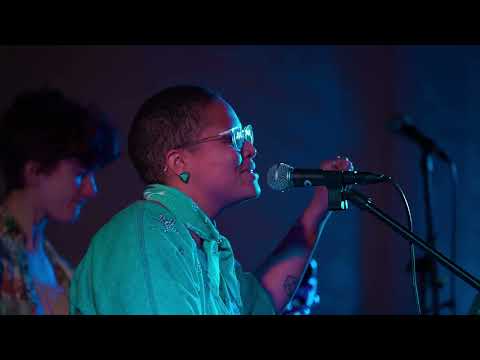
“We have this fear around winter because it's cold and it’s dark and it's more of an isolating time,” Westwater said. They were inspired by the tarot card The Empress. “That card is all about abundance. What would it look like if instead of thinking about the seasons from a scarcity mindset, we think about the fact that each season has its own sacred part to it?”
When Westwater performs the song live, they encourage audience participation. They ask attendees to place a hand over their chest and repeat the words “I too am sacred.” It’s a simple gesture, but a powerful one.
“There's so much in our culture trying to tell us we're wrong,” Westwater said. “If I believe that nature is sacred and I believe that I am part of nature, then I'm also sacred and you are too.”
For Westwater, these intimate moments at shows, when the audience is really able to interact with the music, are some of the most rewarding parts of being a singer and songwriter. It lets them know that people are really listening.
“I want you to hear the words of the song,” Westwater said. “The words are very important. That's where the story really is living. That's where the spell is.”
Because their music is so intertwined with their spiritual practice, there’s a bit of magic imbued in Westwater’s songs. They hope that listeners are able to use that magic to conjure up their own ideas of what freedom looks like.
This segment aired on October 8, 2024.