Support WBUR
State to end use of hotels as shelters
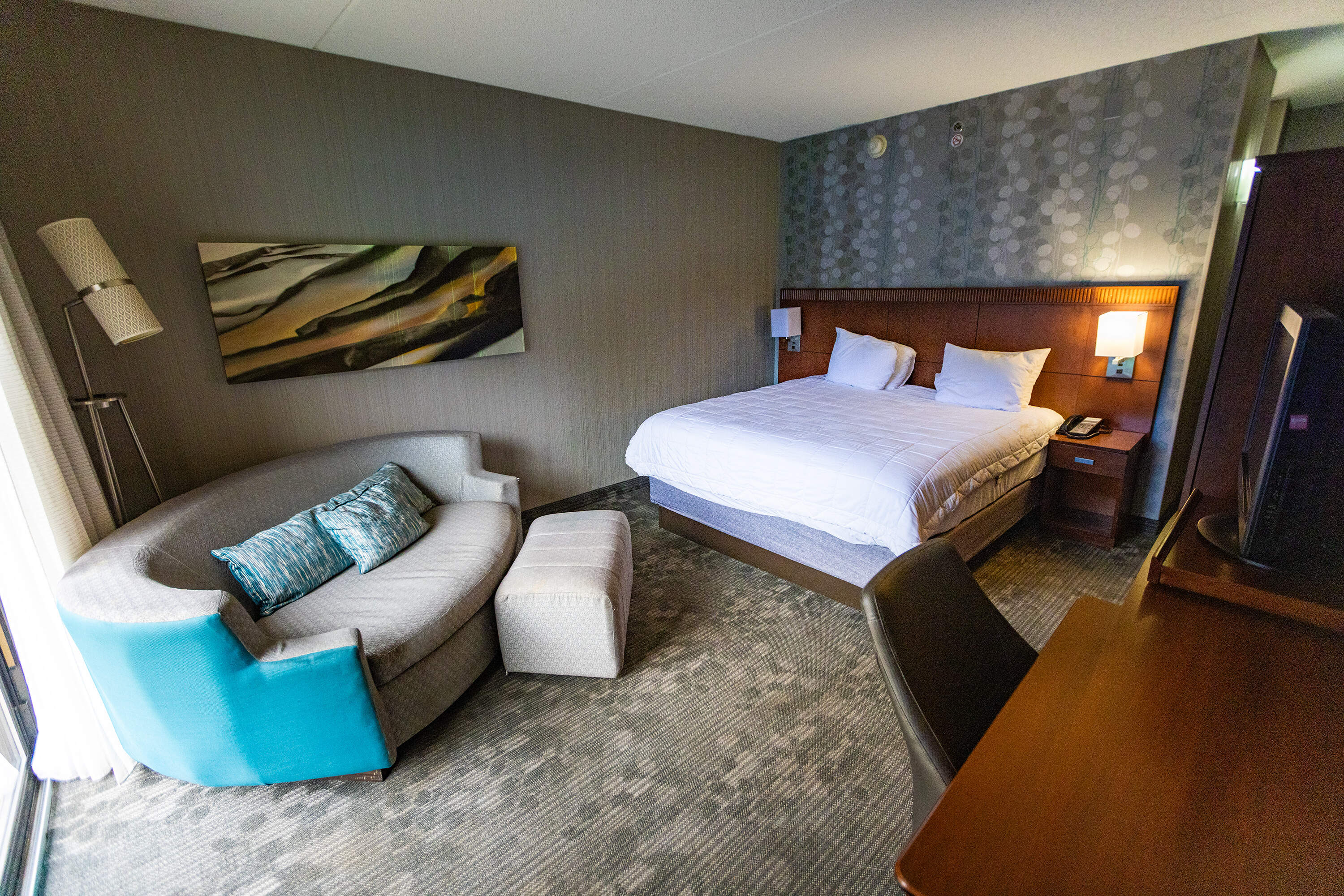
The state will stop using hotels and motels as emergency shelters, a costly practice that became more common in recent years, as thousands of migrant families seek shelter in Massachusetts.
The hotels will be phased out of the Emergency Assistance shelter program over the next two years, Gov. Maura Healey's office announced Friday.
Healey is also introducing plans to further limit shelter stays, from the current nine months to six months. And if approved by lawmakers, families considered more capable of supporting themselves could even face 30-day shelter limits.
As demand for shelter beds surged between 2022 and 2023, the state struck lease deals to use dozens of hotels and motels across Massachusetts. Currently 56 hotels are being used as shelters, officials said.
The new limits are aimed at sharply reducing costs for the Emergency Assistance shelter system. The price tag has ballooned to a nearly $1.1 billion annually — nearly three times what the program cost prior to the surge in demand. The price increase is due largely to the expanded use of hotels.
"There just isn't another billion dollars," said Lt. Gov. Kim Driscoll. "These have been one-time resources. They don't exist going forward."
Driscoll, who headed a recent state commission examining the sustainability of shelters, said the hope is to return to funding the system at under $400 million.
She said the state has come a long way over the past year.
“Not that long ago we had families in hospitals and sleeping in ER rooms — we had the airports full of folks," Driscoll said.
That surge in demand for shelter beds prompted the increased use of hotels as shelter sites. But Driscoll said hotels are not designed to be shelters, and it's time for the practice to conclude.
"We just can't keep doing what we're doing — these expensive hotels," she said. "And frankly, it's not good to be in a hotel, a 10'x 12' room for a year plus."
While the administration will move to stop using hotels, the proposed limits on the length of shelter stays need approval from the Legislature.
Under the proposal, those entering shelter would be assigned to one of two “tracks.” People with greater needs (for example, women in late-term pregnancy or people with intellectual disabilities) will be allowed up to six months, officials said. Those considered capable of working and finding their own permanent housing would have just 30 days.
Officials say the decision to stop using hotels — and the plan to cut down on shelter stays — will come with increased resources for finding long-term housing.
The administration will seek to ramp up rental subsidies for families that qualify for emergency shelter. Under the HomeBASE program, families could get $50,000 in rental assistance over two years, up from the current $30,000.
The administration is also increasing the duration of stays at Temporary Respite Centers, from the current five days to 30 days, beginning Dec. 10. Driscoll said those sites now have sufficient space for those who appear in need of shelter.
Across the Emergency Shelter system, the 7,500-family limit for the shelter system will remain. But Driscoll said the goal now is to get that number down below 3,500.
"Once we start to inch up past 3,500, that's when the system really gets tight," she said.
The changes to the shelter system follow the recommendations of a state committee that examined the future of the shelters. The report recommended the state focus on ensuring family homelessness is rare and the shelter system is sustainable.
Clarification: This post has been updated to clarify that the state is uncertain when the Legislature may approve a six-month stay limit.
This article was originally published on November 22, 2024.