Support WBUR
Arctic tundra is now a greenhouse gas emitter, federal report says
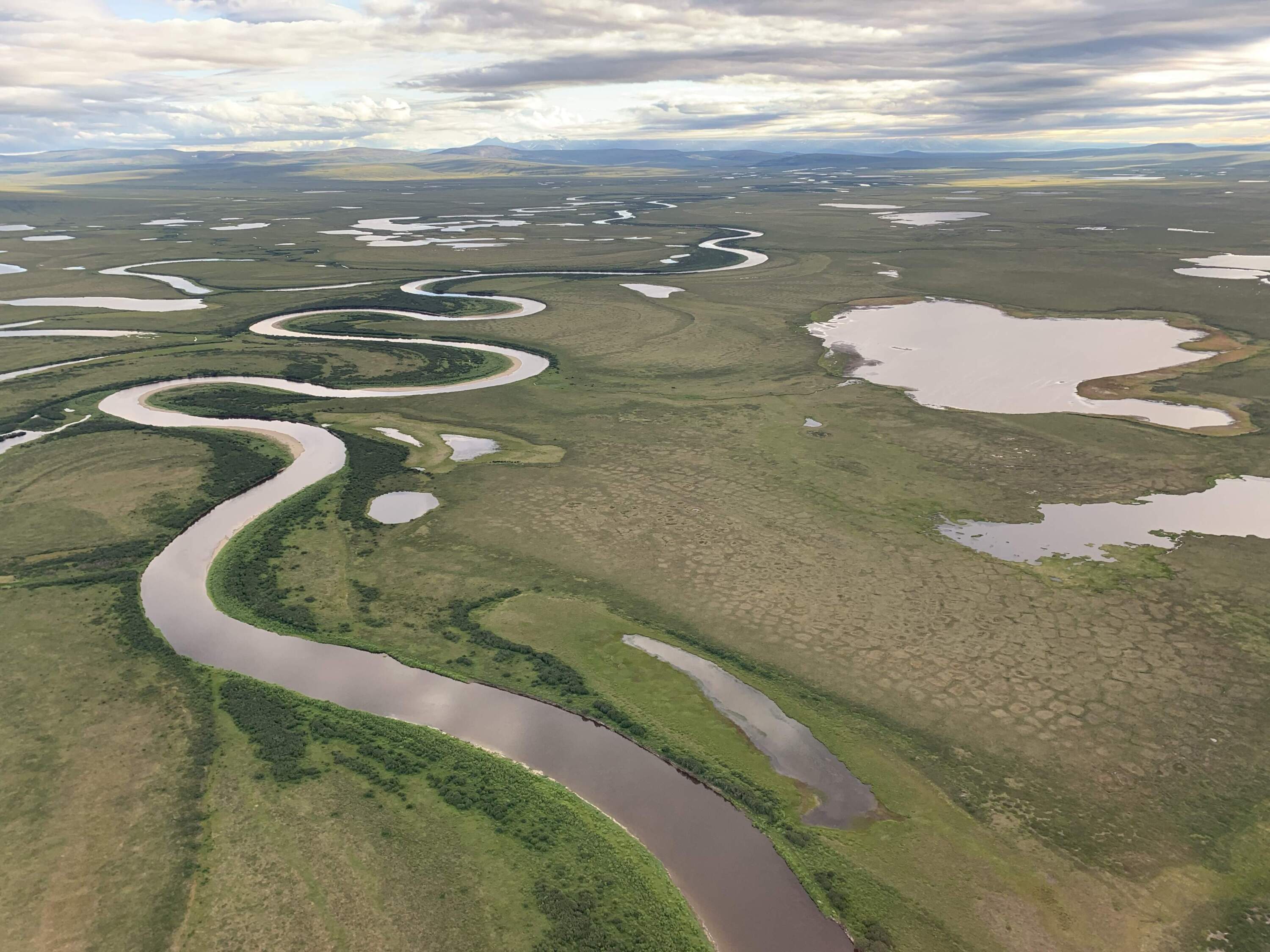
Arctic tundra, which has stored carbon for thousands of years, has now become a source of carbon dioxide. The new research, led by scientists at the Woodwell Climate Research Center in Falmouth, signals a dramatic shift in this Arctic ecosystem, which could have widespread implications for the global climate.
“This is going to be a process that hadn't been there before, that we have caused to accelerate,” said Róisín Commane, a climate scientist at Columbia University who was not involved with the research. She called the study “pretty robust” and said while the findings were not a surprise to polar scientists, it’s concerning to see the shift take place.
“It means that that CO2 will keep going. We won't be able to do much about it," she said.
The research was reported in the National Oceanic and Atmospheric Administration's annual Arctic Report Card, released Tuesday. Researchers said melting permafrost and increasing wildfires are responsible for the tundra’s shift from carbon sink to source.
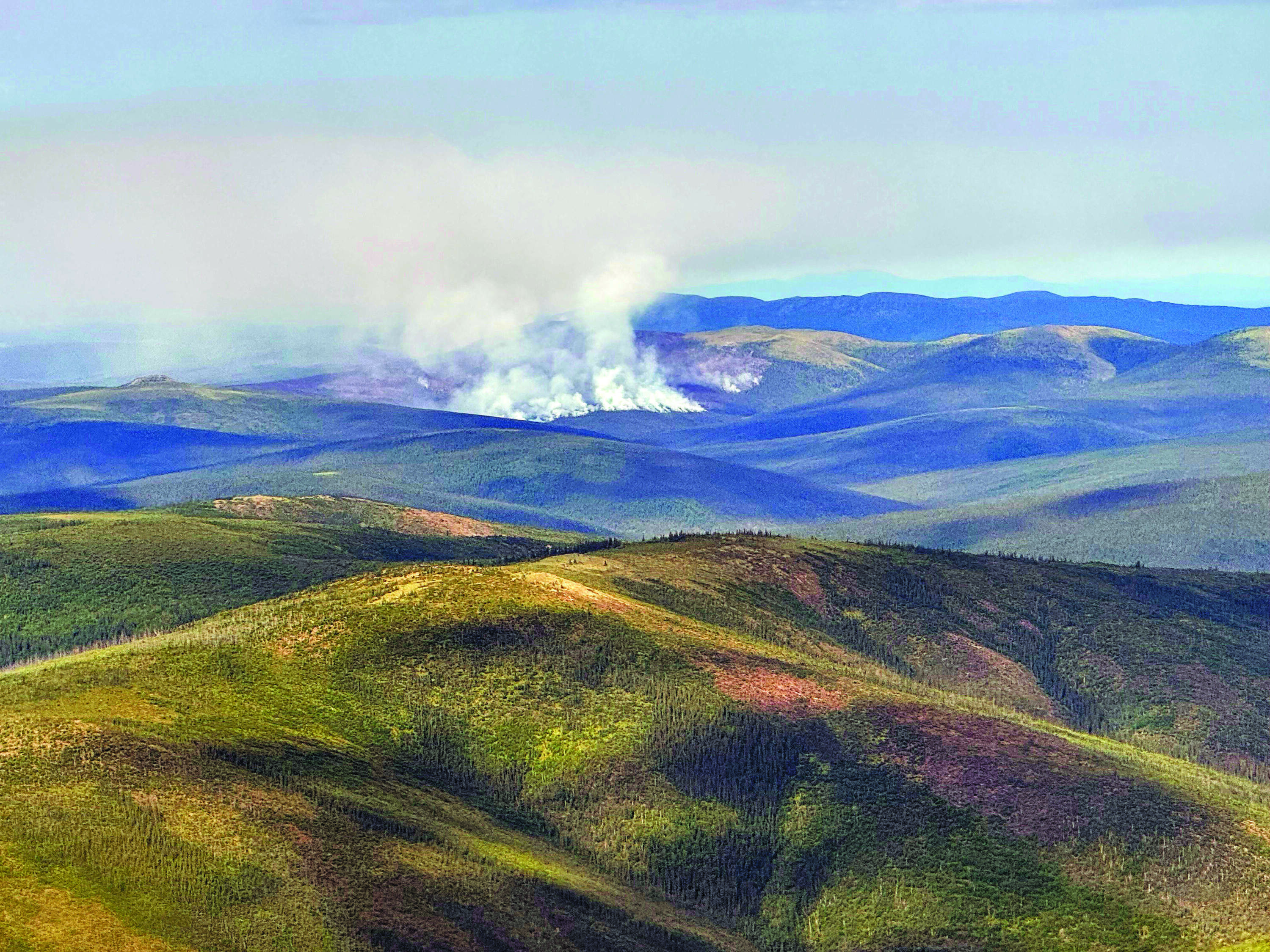
“The tundra, which is experiencing warming and increased wildfire, is now emitting more carbon that it stores, which will worsen climate change impacts,” said NOAA Administrator Rick Spinrad in a statement. “This is yet one more sign, predicted by scientists, of the consequences of inadequately reducing fossil fuel pollution.”
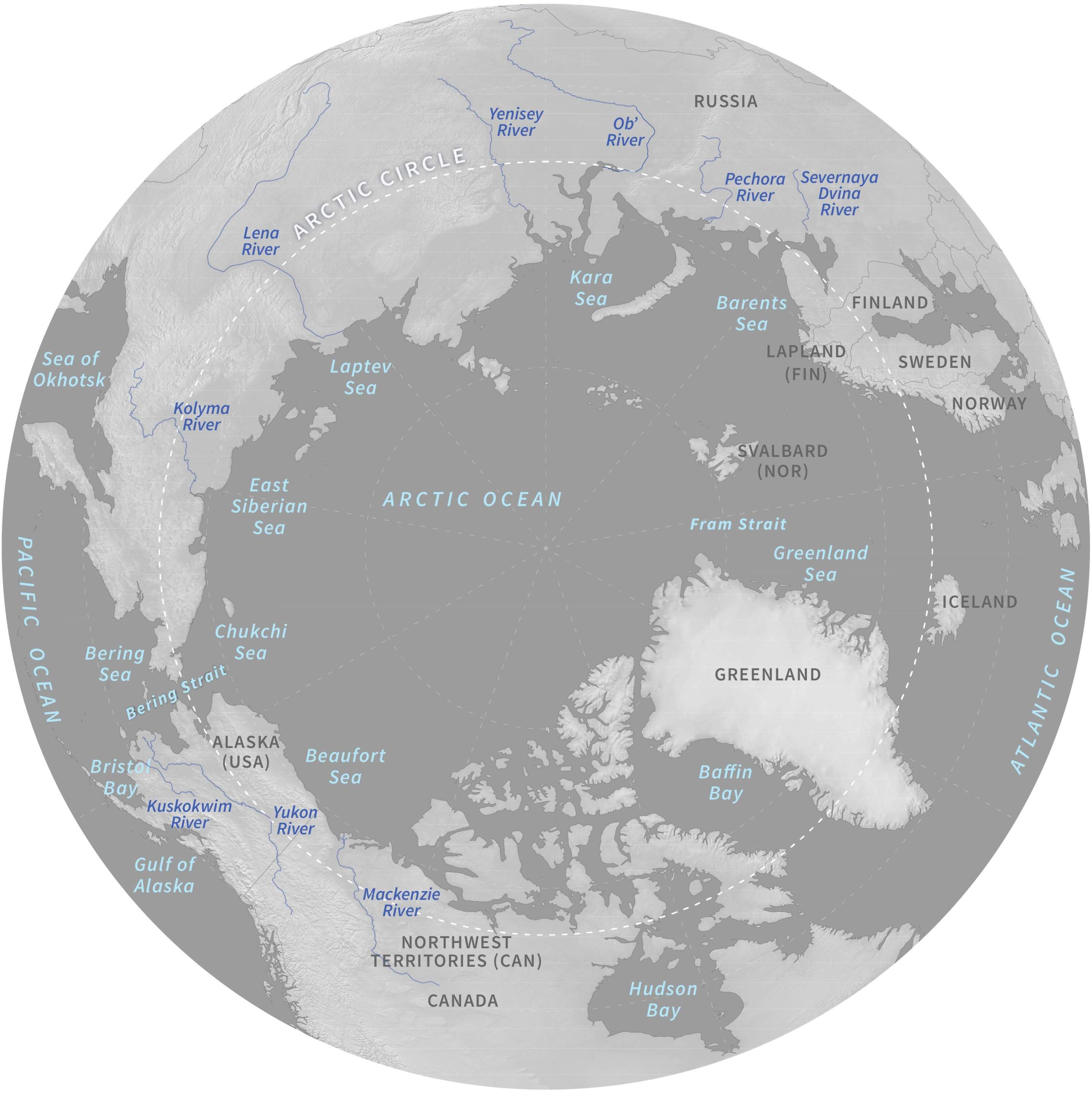
The Arctic is warming faster than the global average for the 11th year in a row, according to the report card.
Arctic warming directly influences worldwide changes like sea-level rise, weather patterns and wildlife migrations. The warming is a result of human-caused climate change, driven primarily by burning fossil fuels.
This year’s report comes as President-elect Donald Trump prepares to take office. Trump has said he wants to increase oil exploration and drilling in the Arctic and curtail government action on climate change.
Sue Natali, a scientist at the Woodwell Climate Research Center and contributor to the Arctic Report Card, declined to comment on the incoming administration. But she said this year’s report demonstrates the importance of reducing greenhouse gas emissions and continuing climate change research.
“This is not an issue of what party you support,” said Natali. “This is something that impacts everyone.”
Here are some key takeaways from this year’s Arctic Report Card:
Arctic tundra: carbon sink to carbon source
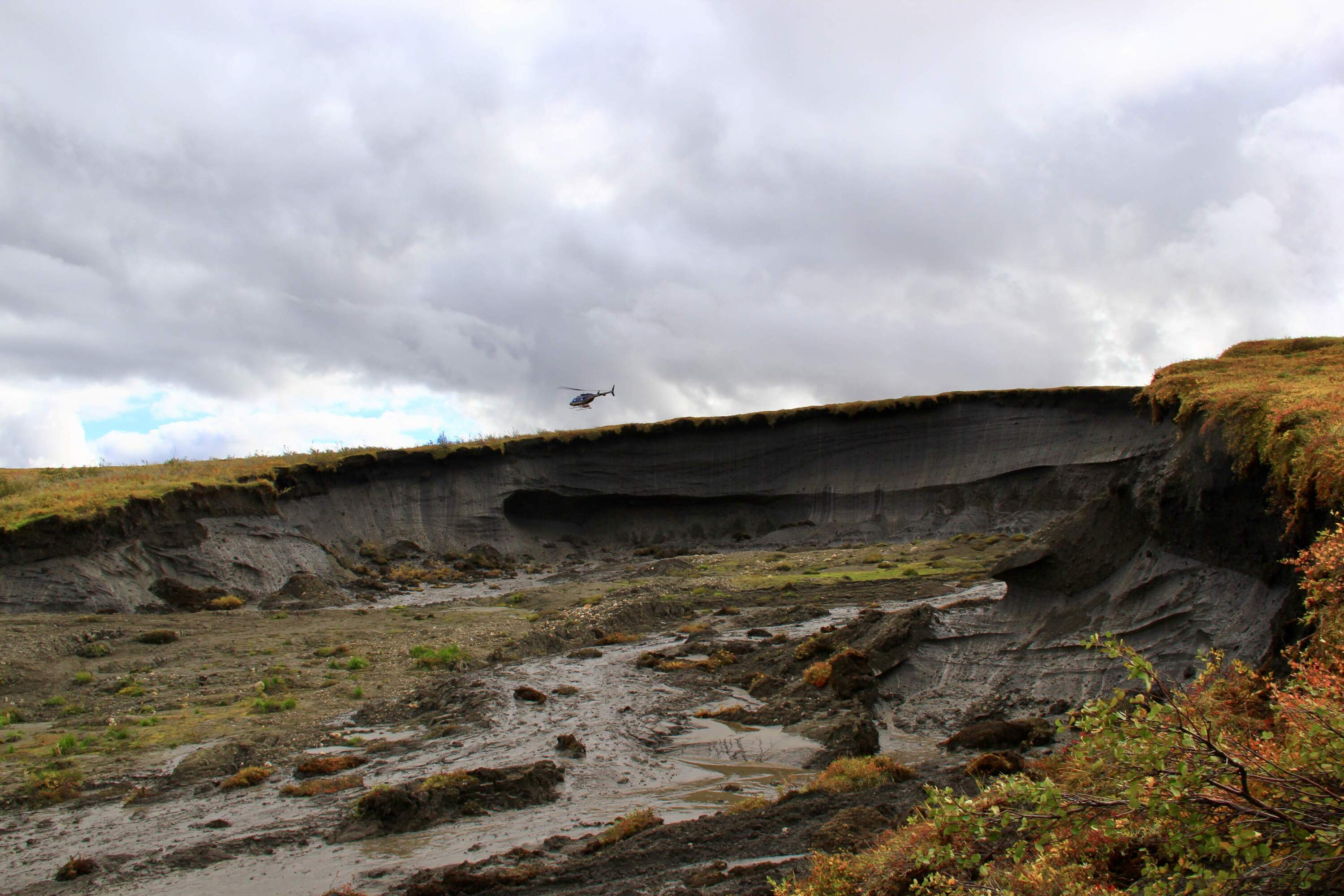
Permafrost is full of carbon, locked away by plants over millennia. But last year’s permafrost temperatures were the second warmest on record, hastening melting of the frozen soil. Once the ground thaws, microbes in the soil become active and consume the newly-available carbon, releasing it into the atmosphere as methane and carbon dioxide.
Twila Moon, lead editor of the Arctic Report Card and a scientist at the National Snow and Ice Data Center, likened permafrost to chicken in the freezer: As long as it stays frozen, microbes stay away.
“But once you have that chicken out of your freezer, it's thawing and all those microbes are getting to work, breaking down the chicken, making it rot,” she said. “The permafrost is really doing the same thing."
Brendan Rogers, a scientist at the Woodwell Climate Research Center who contributed to the Arctic Report Card, said emissions from the region are likely to continue as the climate warms.
“The concern is with intensifying wildfires, with warming temperatures, that we will see more emissions in the future,” he said.
Wildfires in North American permafrost regions have increased in recent decades. Since 2003, emissions from polar wildfires have averaged 207 million tons of carbon per year. That’s more than the annual carbon dioxide emissions of some industrialized countries, including Argentina and Austria.
Wildfire smoke adds pulses of greenhouse gases into the atmosphere, while also speeding permafrost melt.
An estimated 1.5 trillion tons of carbon remains stored in permafrost — more carbon than in all the trees in all the world’s forests, according to Natali. So melting permafrost could become a potentially massive source of greenhouse emissions that would contribute to climate change.
But there is still time to slow the thaw, Rogers said.
“With lower levels of climate change, you get lower levels of emissions from permafrost,” he said. “That should motivate us all to work towards more aggressive emissions reductions.”
Relentless melting of Greenland ice sheet is “pretty devastating”
The Greenland ice sheet lost between 22 and 77 billion tons of ice last year. That’s the lowest level of ice loss since 2013, thanks to above-average snowfall. The downside: It’s still enough ice water to raise global sea levels by about .15 millimeters, according to Moon.
While that may not sound like much, Moon pointed out that sea level rise is contributing to coastal erosion, flooded roads, disruption of sewer systems and contamination of drinking water. The Greenland ice sheet is massive — nearly two miles thick at its thickest point — and its melting is the second-largest contributor to global sea-level rise. (The largest contributor is water expanding as it warms.)
Greenland’s relentless contribution will be “pretty devastating,” said Moon.
Arctic seals are doing OK. Caribou, not so much
Ice seal populations remain healthy despite warming water and declining sea ice. Seals seem to be adapting to the changing climate by eating more warm-water fish, said Moon. “But we don't know how well they can continue to adapt as warming continues,” she said.
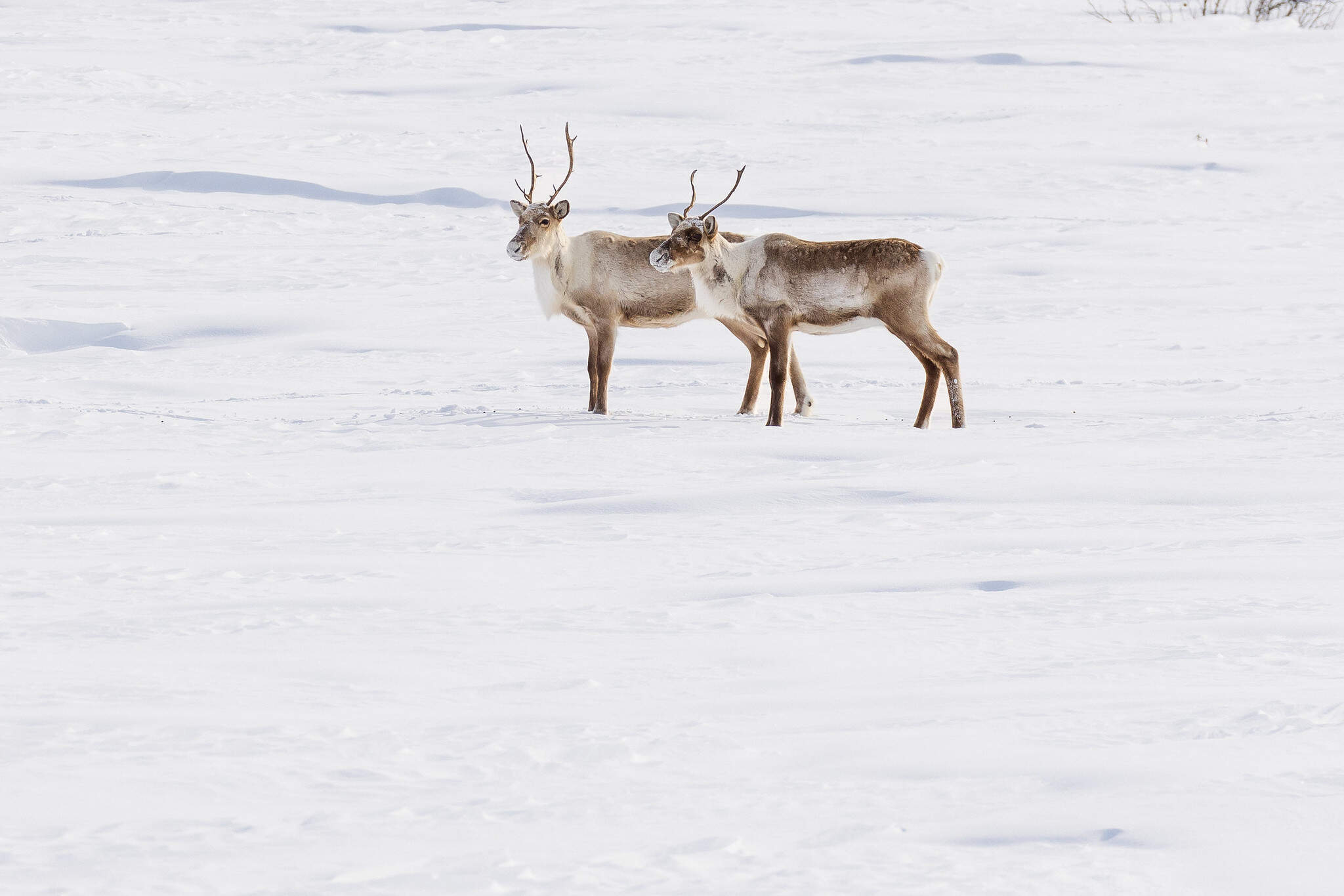
Not all Arctic animals are faring so well. Inland caribou populations have declined by 65% over recent decades, according to the report card.
One main reason: They’re often eating less. Arctic winters are getting wetter, and freezing rain can create an icy crust on the snow. It's often not worth the energy for a caribou to break through the ice for a nibble of the lichen underneath.
Hotter summers have also led to more mosquitoes. The bugs can become so annoying the caribou focus on avoiding them — fleeing to icy, windy areas, for instance —at the expense of eating.
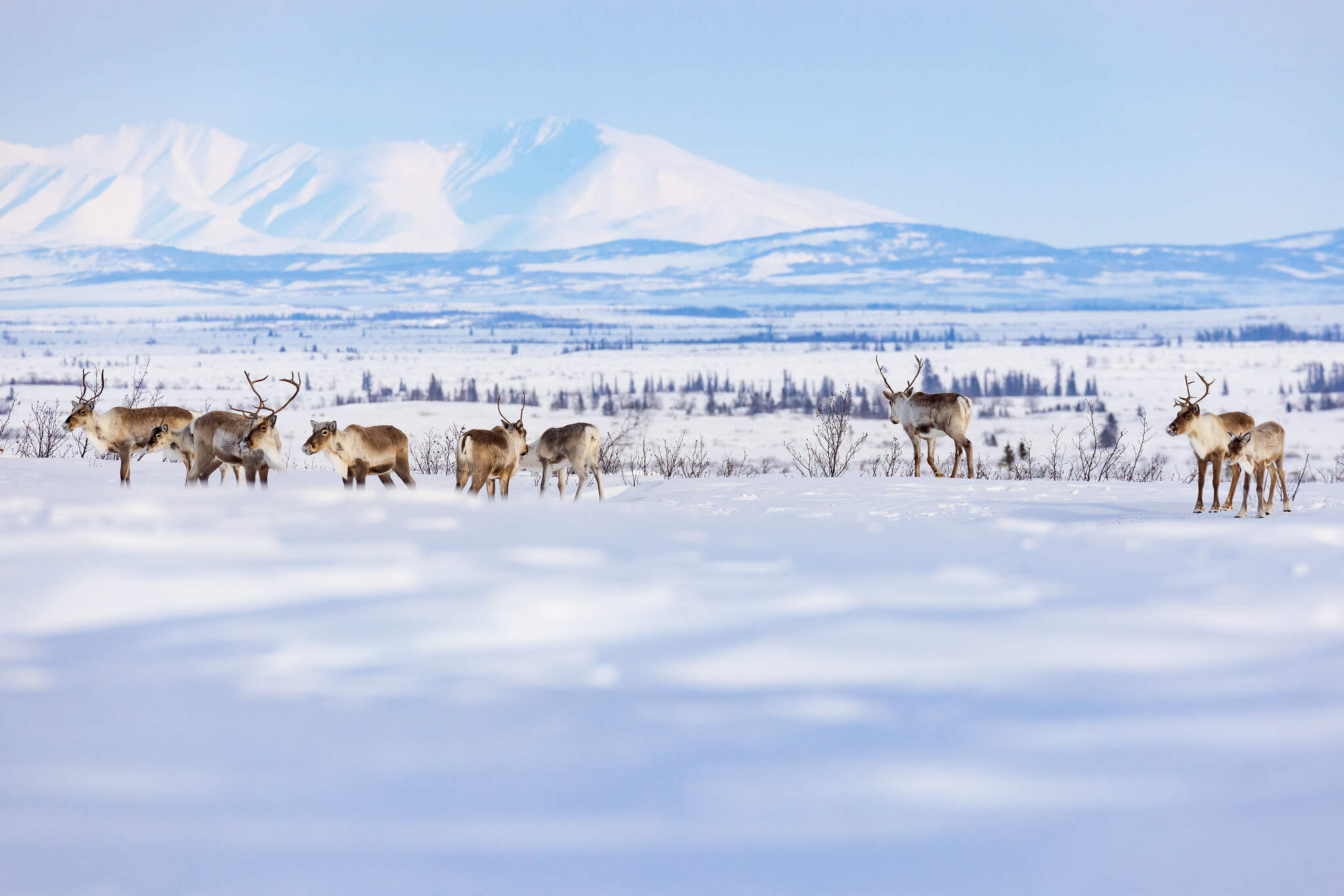
"There are no simple fixes," to reverse the animals' decline said biologist Anne Gunn, lead author on the caribou section of the report card. But humans in the Arctic have long depended on caribou, she argued, and owe it to them to help.
"There is a remarkable relationship between people and caribou that has resulted in where we are today in many ways," Gunn said. "We should have a responsibility for them."