Support WBUR
Field Guide to Boston
Want to ski New England? Here's a guide to our region's slopes — and how to get started
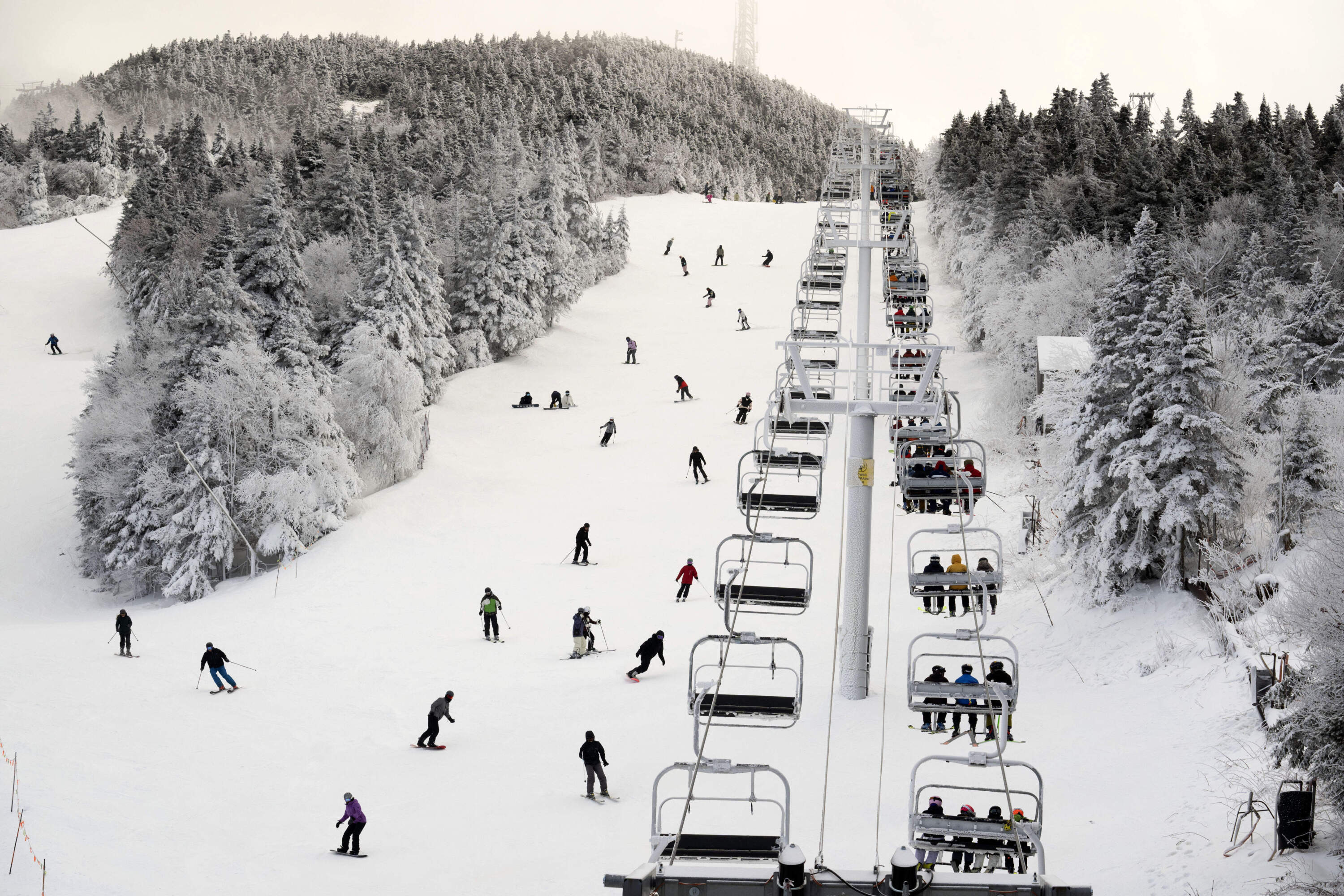
There's nothing like making fresh tracks on a blue-sky day as you ski down the side of a mountain. The adrenaline rush — and impeccable views — are hard to match. And here in New England, we’re lucky enough to have a whole season to take advantage of this thrilling sport.
With so many ski areas in the region, Bostonians don’t have to travel too far to hit the slopes. And in some cases, planning a trip can be as easy as booking a bus ticket. Below, you’ll find a guide to skiing in New England — with expert tips on finding the best snow cover, staying safe on the slopes, buying gear and picking passes from two lifelong skiers: Hayden Bird, sports writer for Boston.com, and Leonardo Drake, a ski instructor at Cannon Mountain in New Hampshire.
Where to ski near Boston
There are around 70 different areas dedicated to downhill skiing in New England, with the biggest mountains in Vermont, New Hampshire and Maine. (You can find a map of them all here.)
Two of the closest ski areas to Boston are the Blue Hills Reservation in Canton and Nashoba Valley in Westford. But Wachusett Mountain in Westminster, Killington Ski Resort (in Vermont), Sunday River (in Maine), Cannon Mountain and Loon Mountain (both in New Hampshire) are pretty popular with locals, too.
For beginners
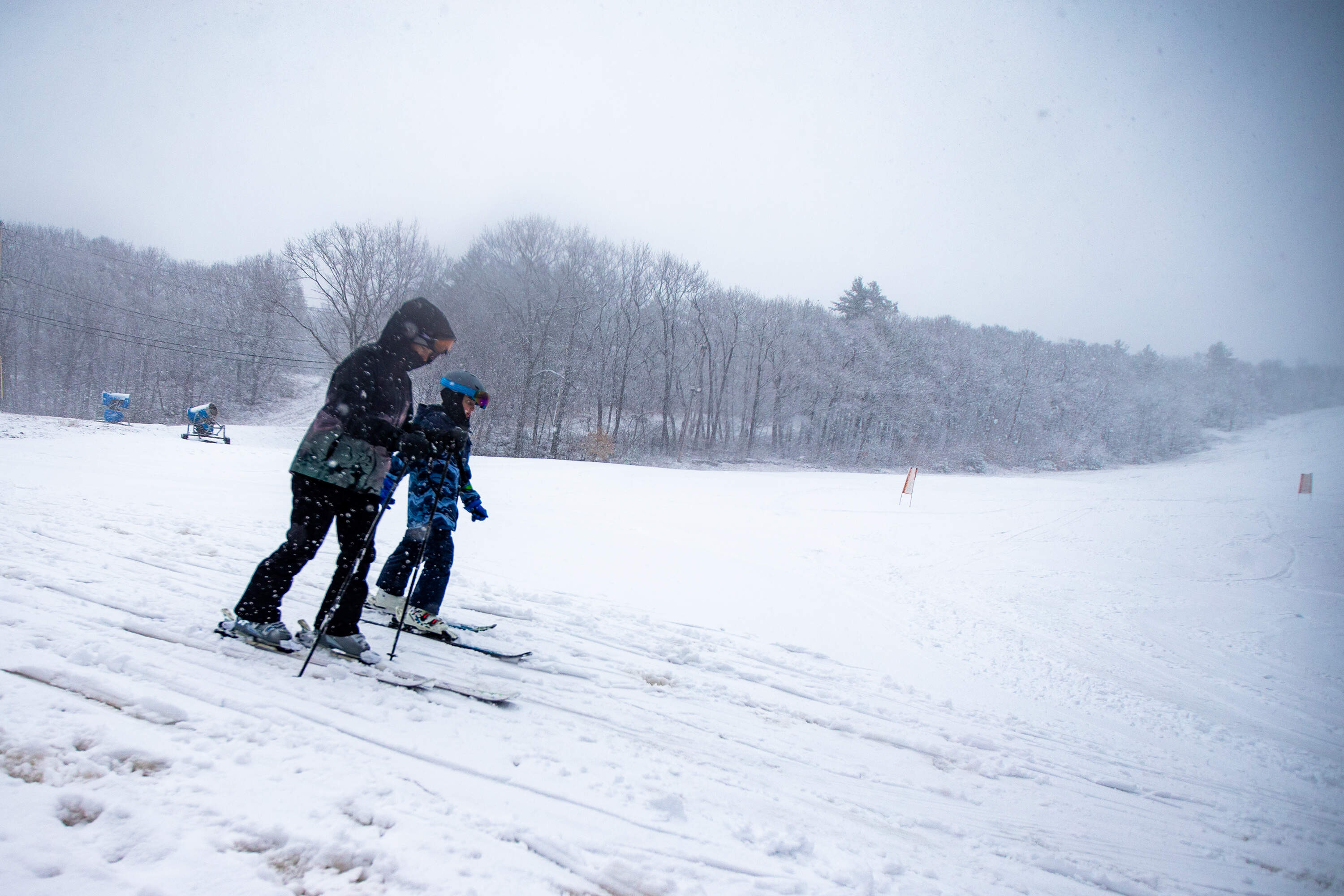
Both Bird and Drake recommend beginners first try the trails at Blue Hills, Wachusett or Nashoba Valley. “Any of those three are perfect for beginner skiers,” said Drake. Once you’ve chosen your slopes, be sure to book a lesson first. “Don’t have your buddy teach you, or try to teach yourself," said Bird. "A lesson will give you some grounding and some good fundamentals you can build on.”
For families
Okemo Mountain in Ludlow, Vermont is a family blogger favorite thanks to its mix of intermediate and kid-friendly terrain. (They’ve also got four free parking lots.)
But in general, most of New England’s ski areas are family-friendly, with an even mix of green, blue and black trails. “A lot of kids start skiing, like me, at 2, 3, or 4 years old,” said Drake. “So all mountains really need to have accommodations for kids.”
For the advanced skier
Sugarbush, Stowe, Jay Peak, Smuggler’s Notch and Killington — all located in Vermont’s Green Mountains — boast challenging terrain for advanced and intermediate skiers. “All these mountains are amazing, and tend to get a bit more snow,” said Drake. The icy terrain on New Hampshire’s White Mountains, like Cannon Mountain and Loon Mountain, can also be exhilarating for skilled skiers.
Bird loves to ski Sugarbush's gnarly Castle Rock area. “It has really steep trails that are not groomed, so they’re really challenging,” he said. He also recommends Sugarloaf Mountain in Maine, which has the second largest vertical drop in the region, after Killington.
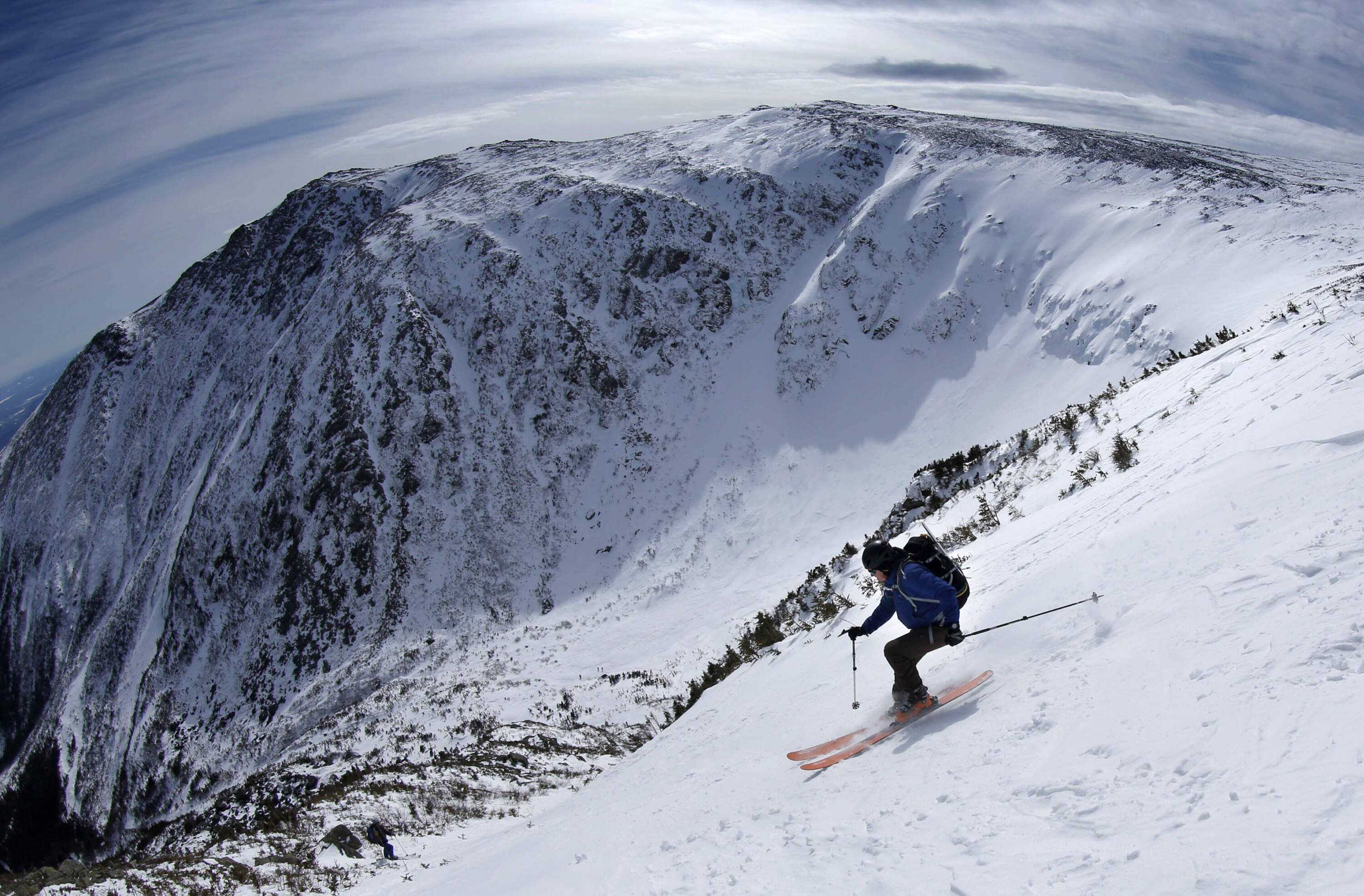
If that’s still too easy, Bird says Tuckerman Ravine at Mount Washington is perhaps the most extreme skiable slope in New England. But you'll need to hike not only to the base, but up the dauntingly steep bowl itself. And it's dangerous for even the most seasoned skiers. (To quote New Hampshire’s state tourism site, “The terrain can be overwhelming; the weather is often downright inhospitable.”)
Getting there
Because many ski areas are remote, your best option for getting to the slopes is by car. (Though some areas offer shuttle buses for those staying in nearby ski villages.) Luckily, it's free to park at most ski resorts. But if a car isn’t an option, both Wachusett and Blue Hills are accessible by public transportation from Boston.
To get to Blue Hills, you’ll need to take the Providence/Stoughton commuter rail line from South Station to Canton Center, then take the 716 bus to 1904 Canton Ave. Once you get off, it’s a four minute walk to the Blue Hills Ski Area.
Wachusett is a little easier — it’s got a nearby commuter rail stop. To get there, take the Fitchburg commuter rail line to its northern terminal: Wachusett. During the weekend, the MBTA runs special ski trains with racks to accommodate equipment. And for select trains arriving in the morning and departing in the evening, shuttles run between the station and the mountain. If you decide to go on a weekday, you'll need to get a ride share to the mountain from the station.
Boston Ski & Sports Club also offers group bus trips to Loon Mountain, Sunday River, Jay Peak, Killington and Sugarbush. You can purchase both a bus ticket and a lift ticket through BSSC, or just a bus ticket if you've already got a pass. After that, all you need to do is get your gear together and meet the bus at one of their four pickup locations: Riverside Station in Newton, Harvard Square, the Dartmouth Street Garage in Boston or the LAZ Parking Garage in Woburn.
Getting your gear
Skiing is known to be a sport with a high cost of entry. And things can get even pricier when it comes to investing in a pair of skis. But there are ways to save money on this hobby without compromising quality.
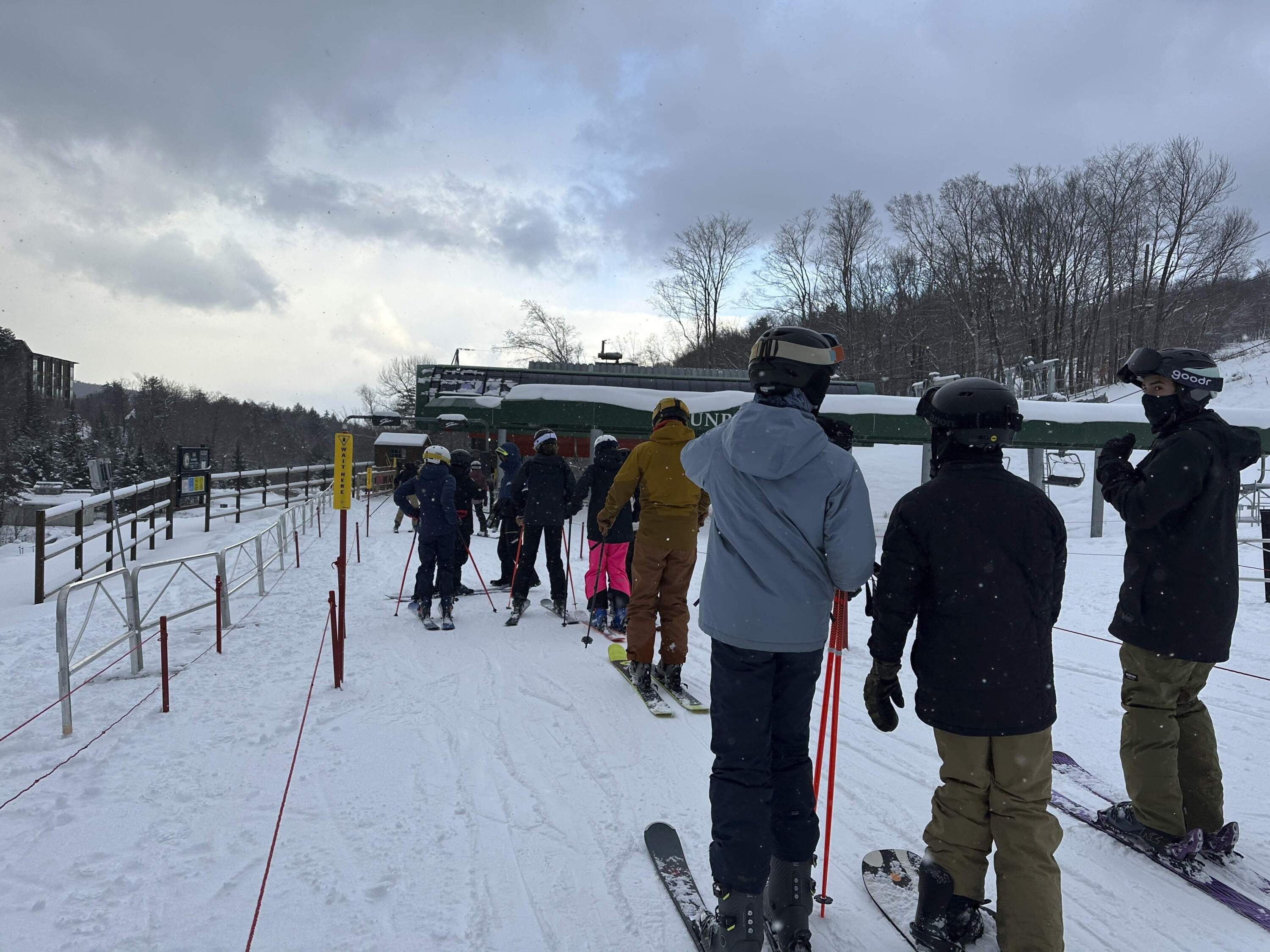
Beginner skiers can rent skis, helmets and poles from the mountain they’ll be skiing or from a rental shop for around $50. (Rental shops will also occasionally sell their demo skis at a reduced price at the end of the season.)
“Skis are special because you can take them to the tuning shop and they can become like new, almost immediately,” said Drake. There’s nothing wrong with buying used skis — and in the fall, there are in-person ski swap events across New England. For families with growing children, this may be the most affordable option when it comes to getting your kids new skis each year, said Bird.
Like with any second hand purchase, there is some inherent risk involved, said Drake. So if you’re looking at a pair at a ski swap, on Facebook Marketplace or some other reseller forum, be wary of certain faults that can make them too hard to repair or unsafe for local terrain. “If the edges on the side are bent, or there's any kinks in them, or the wax on the bottom has holes, that's something you want to look out for,” he said.
Getting something new is nice, too. But don’t feel pushed to buy the flashiest items in the store just because you’ve heard rave reviews. “You can ski with pretty much any equipment as long as it meets modern safety standards,” said Drake. “So you shouldn't feel the need to get a $700 brand-name ski jacket when there’s something similar for $300.”
You don’t need to splurge on poles, either. “The tech there has really not evolved in like, half a century,” said Bird. “You don't need to have nice ski poles. I don't think I've ever spent more than $30 on ski poles. Don’t get talked into some particularly fancy tech there."
What matters most is making sure you’re warm enough to take on multiple runs down the mountain. If you’re planning to ski the whole day, bring layers. “I see a lot of people in jeans and little jackets when it’s like -10 degrees," Drake added. "Make sure you are going to be warm before you go out.”
One extra tip to lock in the heat? “Get one of those really comfy Turtle Fur neck warmers,” said Bird. A jacket, mittens or gloves, goggles and snow pants are essential. But even bundled up, “your neck is always kind of a weak spot unless you have a good neck warmer,” he added. “When I'm skiing, it's such a critical thing, especially with wind. It is very clutch on a cold day.”
Lastly, don't forget to wear a helmet. "A lot of people think, 'I don't need to worry about that.' But things are there for a reason," said Drake.
Picking a pass
There are a few different options when it comes to buying a pass to ski.
Avid skiers might opt to buy a seasonal pass like an Ikon Pass, Epic Pass or Indy Pass for discounted or unlimited entry and other perks at mountain resorts around the region (and worldwide).
You can also purchase a single-day or multi-day pass to the mountain of your choice.
Day passes can be purchased at the mountain, but it’s more convenient to buy them online these days. You might not want to wait until the day you ski to buy your pass, though. “The further in advance you go online and buy your ticket, even if it’s two weeks from now, the ticket will be cheaper,” said Bird.
Drake suggests single-day pass buyers keep an eye out for midweek sales. “Weekends are super busy, so prices are always going to be high,” he said. “Midweek is the best time to save.” He says skiers looking for a budget day pass deal should check out Burke Mountain in Vermont, which does a buy one, get two free deal for $45 on Wednesdays.
Even the most ambitious beginners should always opt for a beginner day pass, said Drake. “It’s usually half the price,” he added. And since beginners may not be able to tackle too many trails, you don’t want to have to pay to access all of them.
The best time to buy a season ski pass, like an Epic Pass, Ikon Pass, or Indy Pass, is in the spring when prices are first announced. (Most of them are no longer on sale at this point in the winter.) For the 2024/2025 ski season, a full Epic Pass cost just over $1,000, while a full Ikon Pass cost around $1,250. A full Indy Pass costs around $380.
“Those passes are very expensive, but it absolutely becomes worth it just based on the exorbitant day ticket costs,” said Bird. For example, a single-day adult lift ticket at Stowe Mountain in Vermont is $207. With an Epic pass, which allows unlimited access to the mountain, you would get your money's worth in just five trips. (You'll also get access to Okemo Mountain in Vermont and Mount Sunapee and Attitash Mountain in New Hampshire.)
The Ikon Pass offers admission to local mountains like Sugarloaf, Sugarbush, Sunday River and Loon Mountain. The Indy Pass is the cheapest of the three, and not as "prestigious," said Bird. “But there are still some really good ones on the IndyPass, like Jay Peak and Cannon Mountain. So you can get some really good deals that way,” he added.
Before you start sliding
As a ski instructor, Drake says everyone going down the mountain — whether they’re a beginner or a lifelong skier — should make safety a priority.
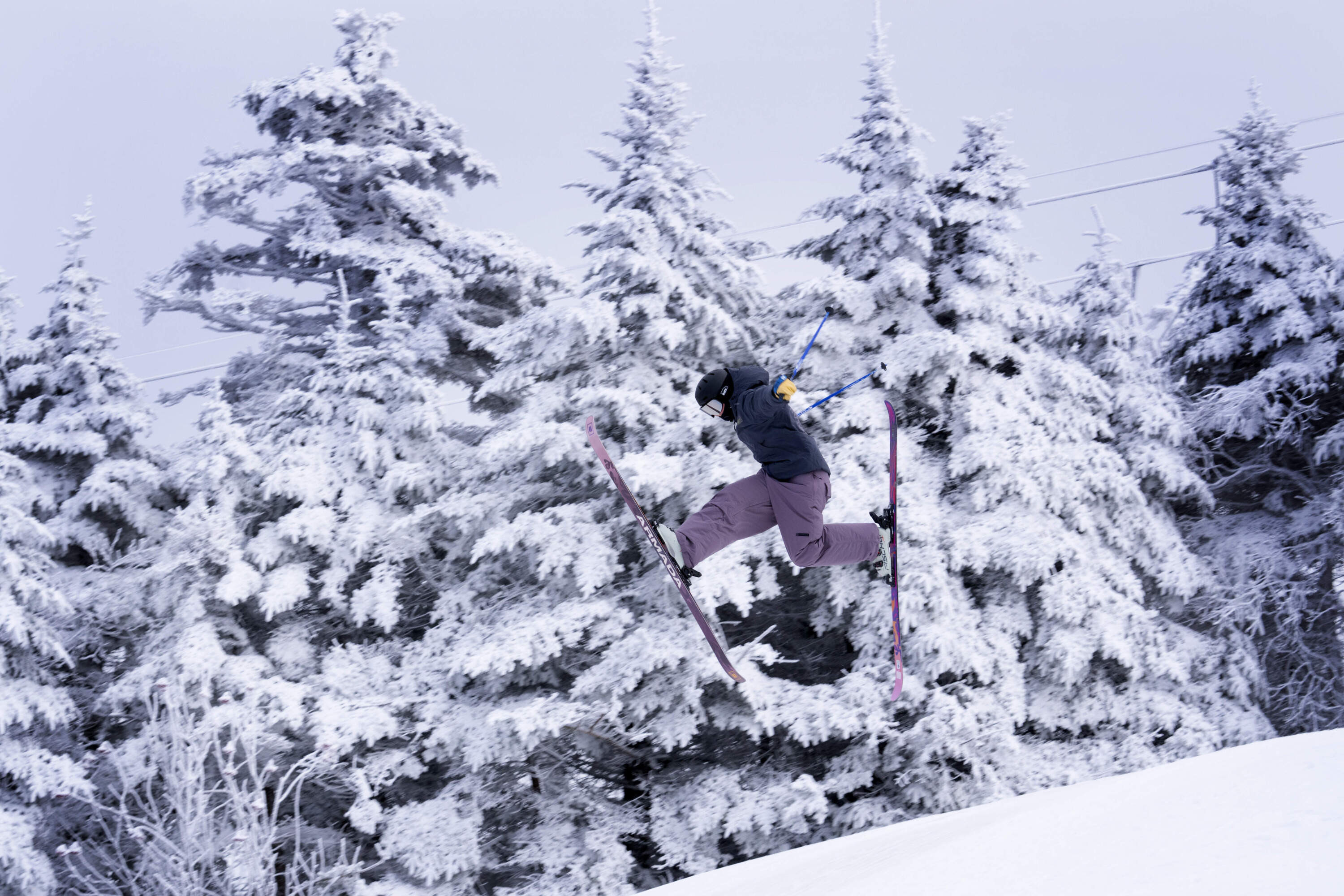
“For an inexperienced person, skiing can be very dangerous,” he said. “And we can forget how scary and challenging it can be for beginners and people skiing for the first time.”
Before you go down a trail, check the safety tips marked on the mountain’s trail maps or signage and make sure it’s something you can take on. Be sure to also find out where a lift is headed before you get in line for it. “If you're a first time-skier and you take one lift and you go the wrong way, you could end up in very steep terrain,” said Drake.
And don’t forget to check conditions — and the state of your gear — before you head out. “Early last season there was a day that it rained and then froze overnight, so the trails were like a hockey rink,” Drake wrote in an email. “I hadn't tuned one of my pairs of skis since the season before and I totally forgot about it until I got out on the mountain, and let's just say I wasn't on my feet much that day.”
Bird says his father, a ski patroller, would notice skiers got hurt more frequently on the last run of the day. For that reason, “do not push yourself too far,” he said. “If it’s the afternoon at a regular ski area in the east, the conditions on the trail are not going to be as good. It’s going to be bumpy. And that’s harder to ski through. If you’re fatigued, it's that one last run is one too much," he said. Be conscious of your limits — and have fun.