Support WBUR
Resistance and compromise: How Mass. Democrats plan to deal with minority status in D.C.
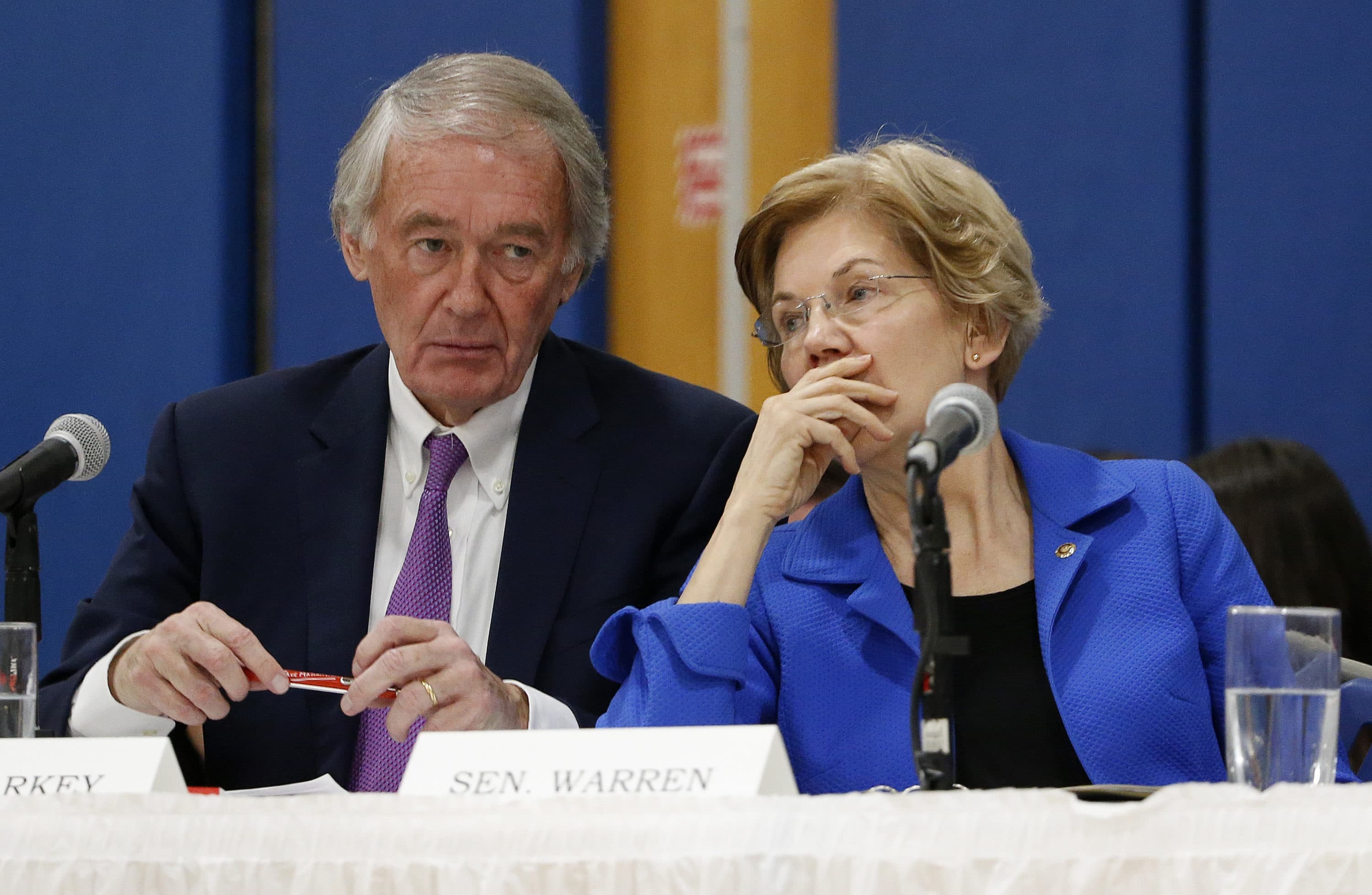
As President-elect Donald Trump prepares to take the oath of office Monday, Massachusetts' all-Democratic congressional delegation is bracing for the challenge ahead. And while every member of the group vows to resist parts of Trump's agenda, some also see a need to seize opportunities to compromise where possible.
Sen. Ed Markey occupies the leading edge of the resistance: "We're going to fight him every single step of the way," he told WBUR.

Markey worries that Trump's plan to extend the tax cuts enacted during his first term will come at the expense of programs millions of Americans depend on.
Trump has offered mixed messages on this. In his first term, he promised to protect Medicare and Social Security. But in his most recent campaign, he signaled a willingness to trim "waste" from the programs; he has also threatened to kill the Affordable Care Act and shut down the Department of Education, which provides money to help low-income children.
" We're going to have a real battle over those programs, and Massachusetts is going to have to stand tall and resist his radical changes," Markey said.
Sen. Elizabeth Warren is also bracing for battle. She says she’s willing to work with the new administration on efforts that help working Americans, like cutting credit card interest rates and letting people file taxes for free. But she is dead set against extending the Trump tax cuts, which primarily benefitted the very wealthy, and according to the Congressional Budget Office would cost a budget-busting figure of close to $5 trillion over the next 10 years.
"When Republicans want to give away $4.5 trillion to the richest people in this country, I think Democrats need to be shouting a whole lot louder that that is bad, bad, bad," she said in an interview.
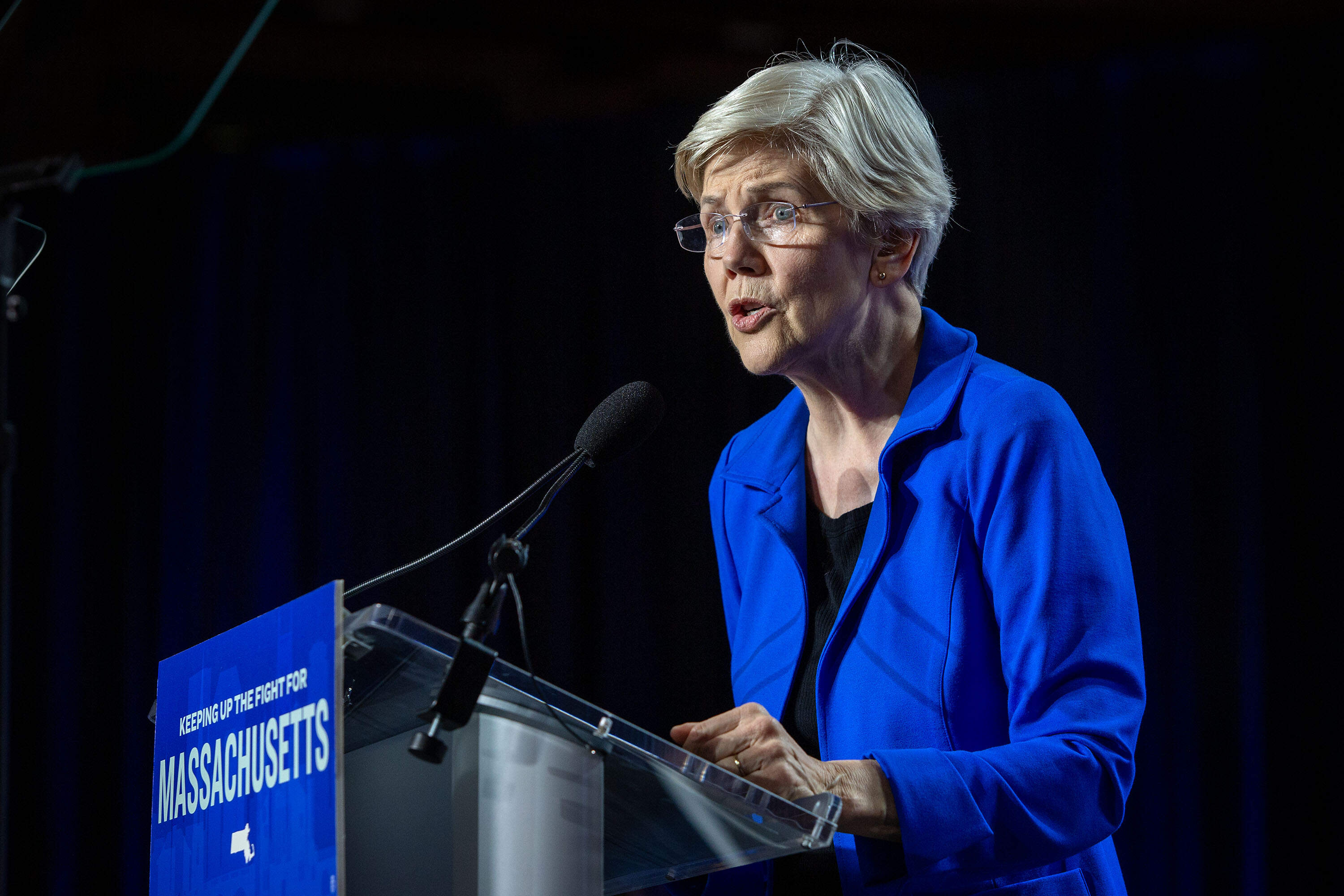
With Democrats in the minority, however, being louder will get them only so far.
"For now, their powers are very limited," said Evan Horowitz, director of the Center for State Policy Analysis at Tufts University. As both chambers of Congress and the White House will now be led by Republicans, he said, "that's going to be their daily reality for the next couple of years."
Some members of the delegation are advocating for being a little less "loud" and a little more strategic.
"We can't just oppose everything, or we'll lose on everything," said Rep. Seth Moulton, a moderate who represents northeastern Massachusetts. While Moulton has plenty of policy disagreements with Trump, he said Democrats need to think carefully about how to oppose him and should reach for compromise, when possible.
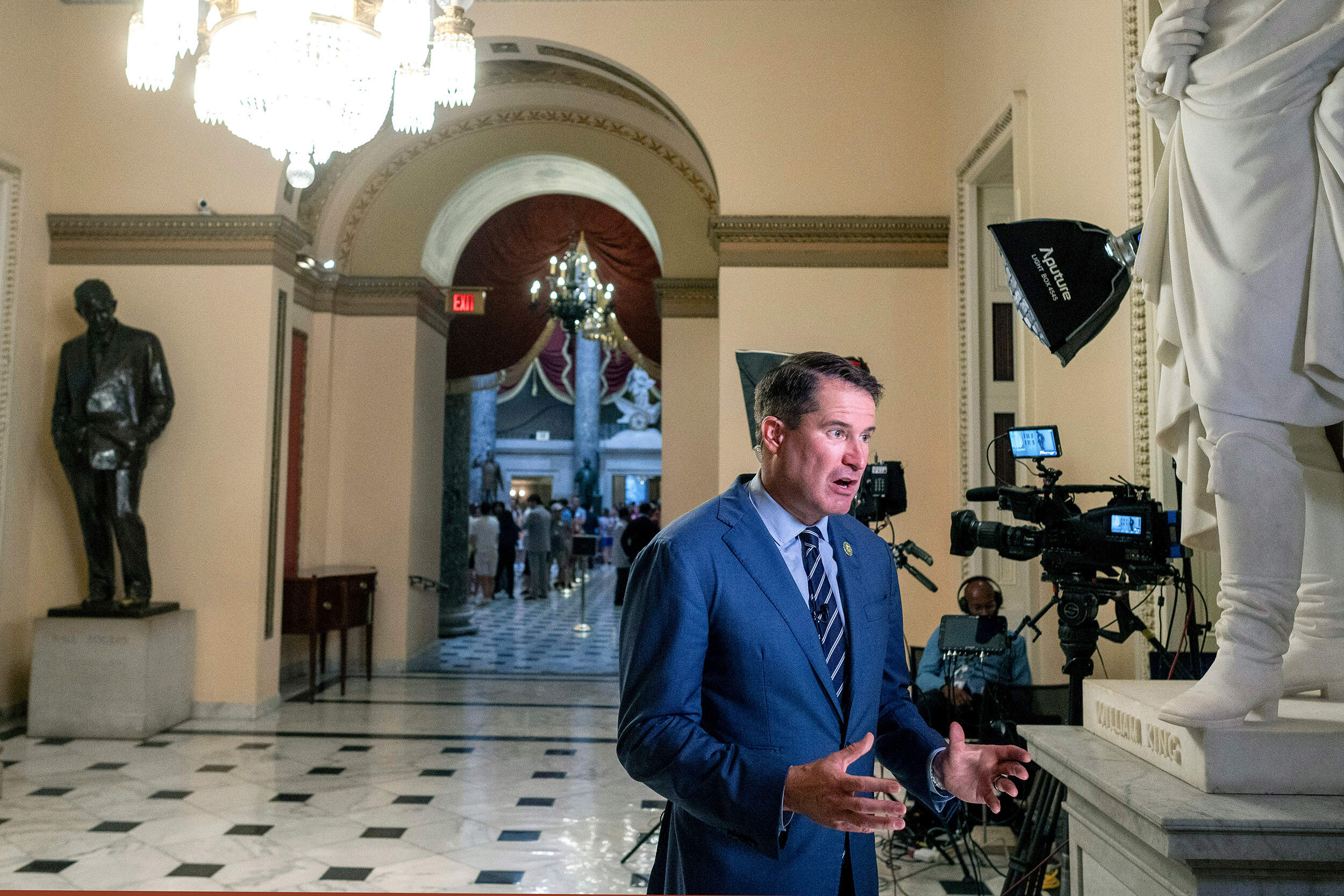
For example, he said Democrats should work with Republicans to resurrect the bipartisan immigration bill, which Trump ordered House Republicans to kill last fall. A number of progressives, including Sens. Markey and Warren opposed that legislation, but Moulton said they should get behind it.
"If you oppose that today, we're just going to lose on the votes, and Trump's more extreme immigration proposals are going to get through," he said.
Rep. Lori Trahan, who represents northern Massachusetts and serves on the Energy and Commerce Committee, also said there are opportunities to work with Republicans on a number of issues, including legislative initiatives to address mental health, substance use disorder, addiction and suicide prevention.
"If Donald Trump and Republicans in Congress are serious about addressing those issues and working with Democrats to advance bipartisan solutions, I think we're going to be able to get things done," Trahan said.
But, she said, Democrats will oppose "tax cuts for billionaire donors like Elon Musk," especially if it would mean cutting programs that help working families — like food assistance for women and children and health care for veterans.
"We're going to fight back against those efforts," she said.

Rep. Jake Auchincloss also sits in the bipartisan cooperation camp. In the last Congress, he said, Republicans and Democrats came close to passing legislation on energy permitting, affordable housing and drug costs.
Auchincloss, whose district runs from suburban Boston to the southern part of the state, said Democrats should capitalize on Republicans' razor-thin majority in the House, which will be tricky for Speaker Mike Johnson to navigate.
"I think we have to sit back a little bit and let Mike Johnson figure out just how hard it is to count to 218 with his fractious conference," Auchincloss said, suggesting it might be wise to wait, then look for opportunities to compromise when Republicans need Democratic votes.
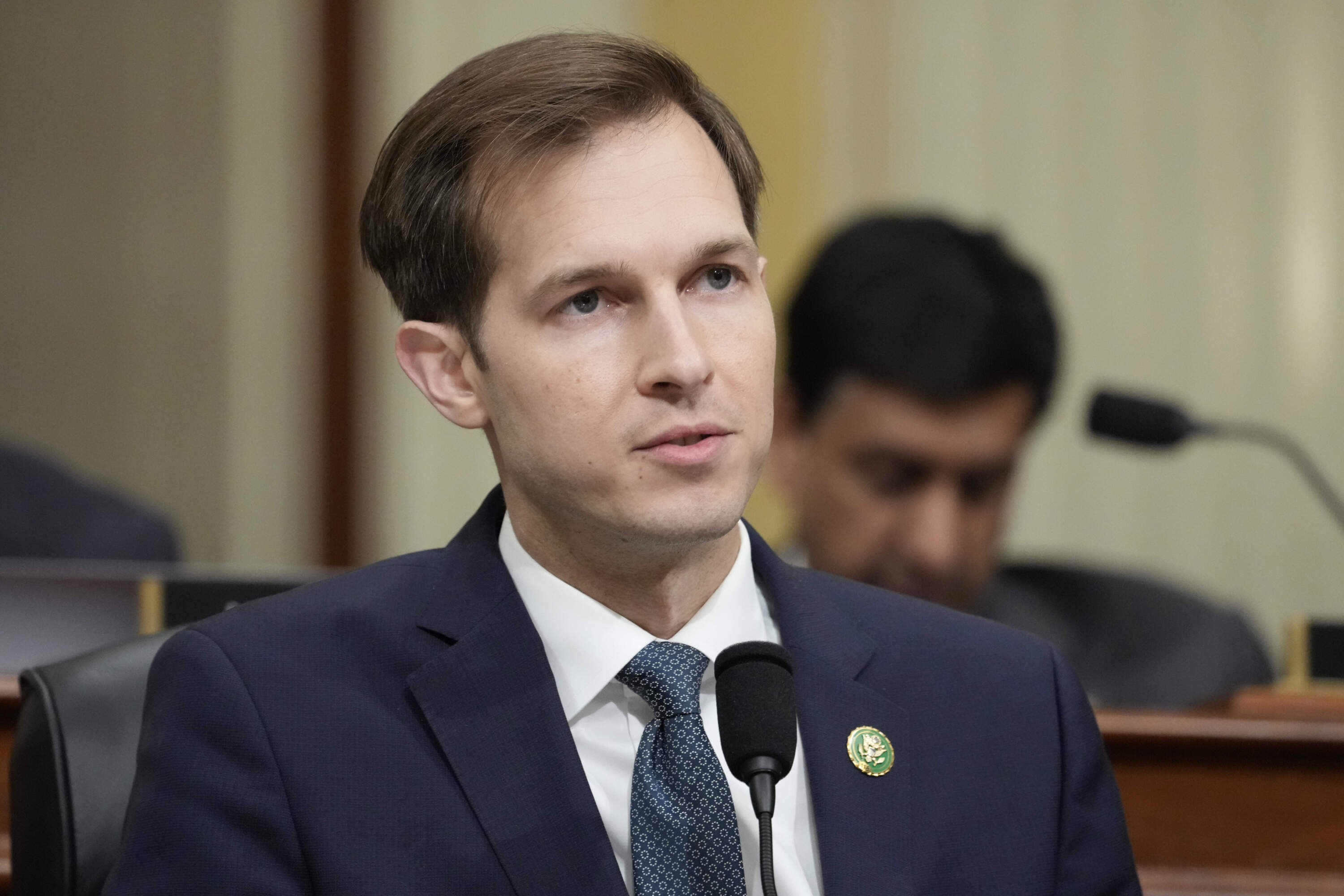
But like other members of the delegation, he said Democrats should forcefully reject extending Trump's tax cuts: "I'm frankly happy to take that argument to the American people, because the Trump tax cuts are the only tax cuts in American history that are unpopular," Auchincloss said.
That might be a potent issue for Democrats, according to Horowitz. Extending the tax cuts would likely require cutting programs that are popular with voters, including many of Trump's supporters.
"Parties in the minority generally have a winning hand if they're patient," Horowitz said, "because the public tires of whoever is in charge."
Republicans understand this and will be pushing hard to accomplish as much as they can in the two years before the Congressional midterm elections. That's when Democrats, who need to regroup after November's stinging defeat, will try to regain control of at least one chamber of Congress so they can check Trump's agenda.
As Horowitz sees it, while Democrats are about to confront vexing times in Washington, Republicans also face a stark reality: When you're in charge, you rarely gain support; you usually lose it.
This segment aired on January 17, 2025.