Support WBUR
Country's first fully-underground electrical substation breaks ground in Cambridge
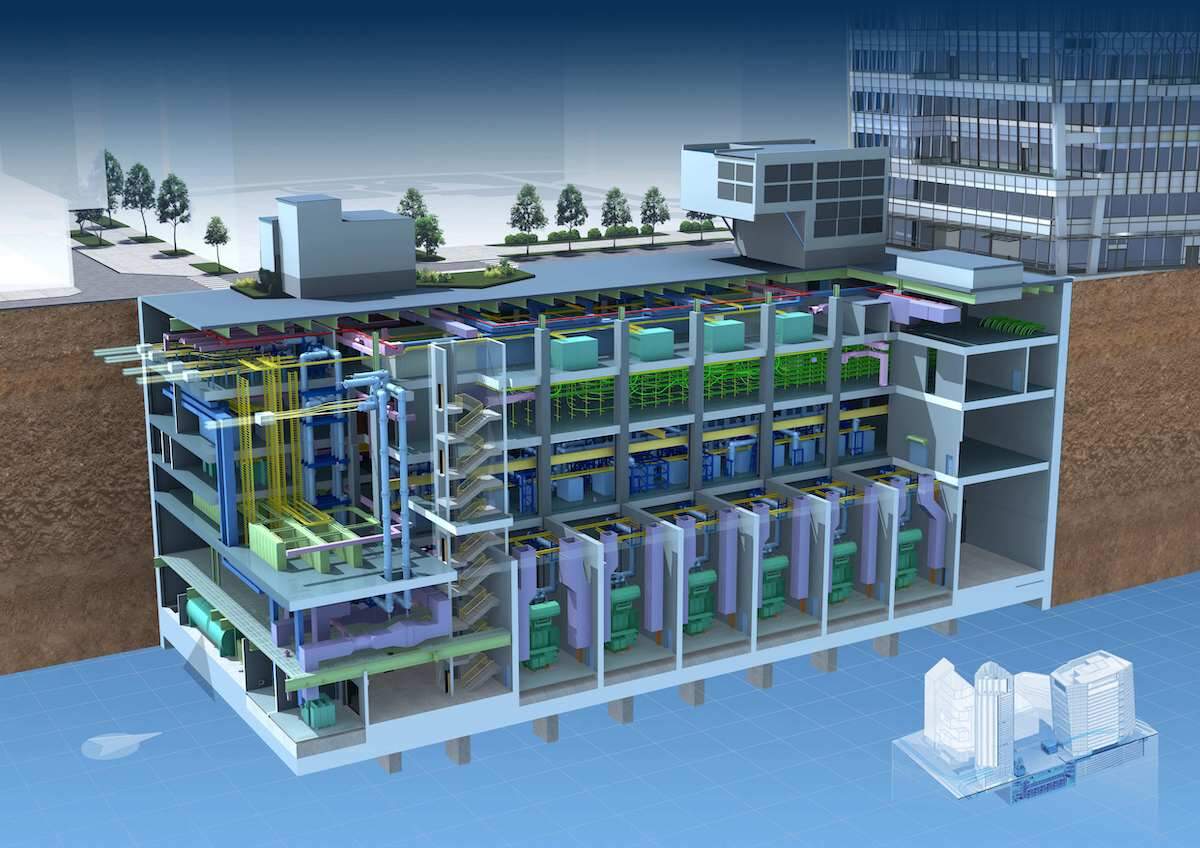
The utility Eversource broke ground Tuesday on what it called the country’s first fully-underground electrical substation. The 35,000-square-foot facility is part of a larger $1.8 billion energy project in Cambridge designed to help meet the area's growing demand for electricity.
The substation will extend 105 feet underground — approximately the height of a 10-story building — and sit below a newly designed public park near the intersection of Broadway and Binney Streets in Kendall Square. Once the site of a parking garage, the two-acre area is being redeveloped by the company BXP into a mixed-use center with commercial and residential buildings.
“ Right across the street, you can see the beginning of this unique infrastructure project that is really unlike anything else in the country,” Catherine Finneran, Eversource’s vice president of transmission project development, siting and project engagement, said at the company’s groundbreaking ceremony in Kendall Square. “By working together and engaging the community early on in the process, we were able to craft a very innovative solution to a very complicated problem.”
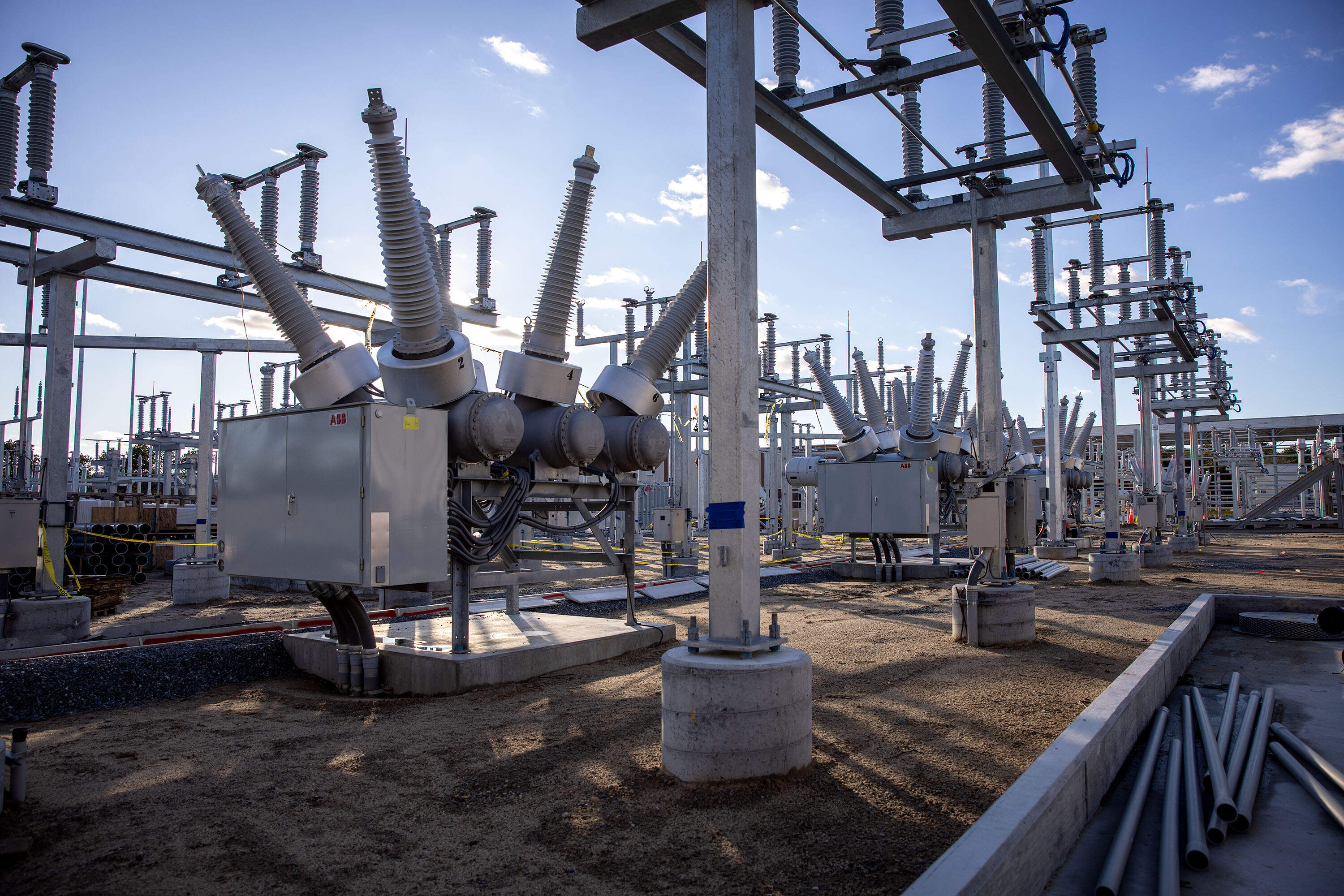
Substations like the one planned for Kendall Square convert high-voltage electricity to a lower voltage, so it can be used in homes and businesses in the area. They're usually built out in the open — you’ve likely seen their metal towers, latticed structures and coiled wires in industrial areas or behind tall fences.
But designing and building a substation in the heart of a densely populated neighborhood required a different approach, according to the utility and city officials — especially once they decided to build it underground.
“This is the part of the our city that is the most innovative square mile on the planet, and I think that does tie [in] to the work that’s being done here,” Cambridge City Manager Yi-an Huang said.
To help cover the extra cost of building below ground, Eversource, Cambridge and BXP agreed that the developer would let the utility use the space under its redevelopment project and help pay for some of the construction work, in exchange for permission from the city zoning board to build higher than it would otherwise be allowed.
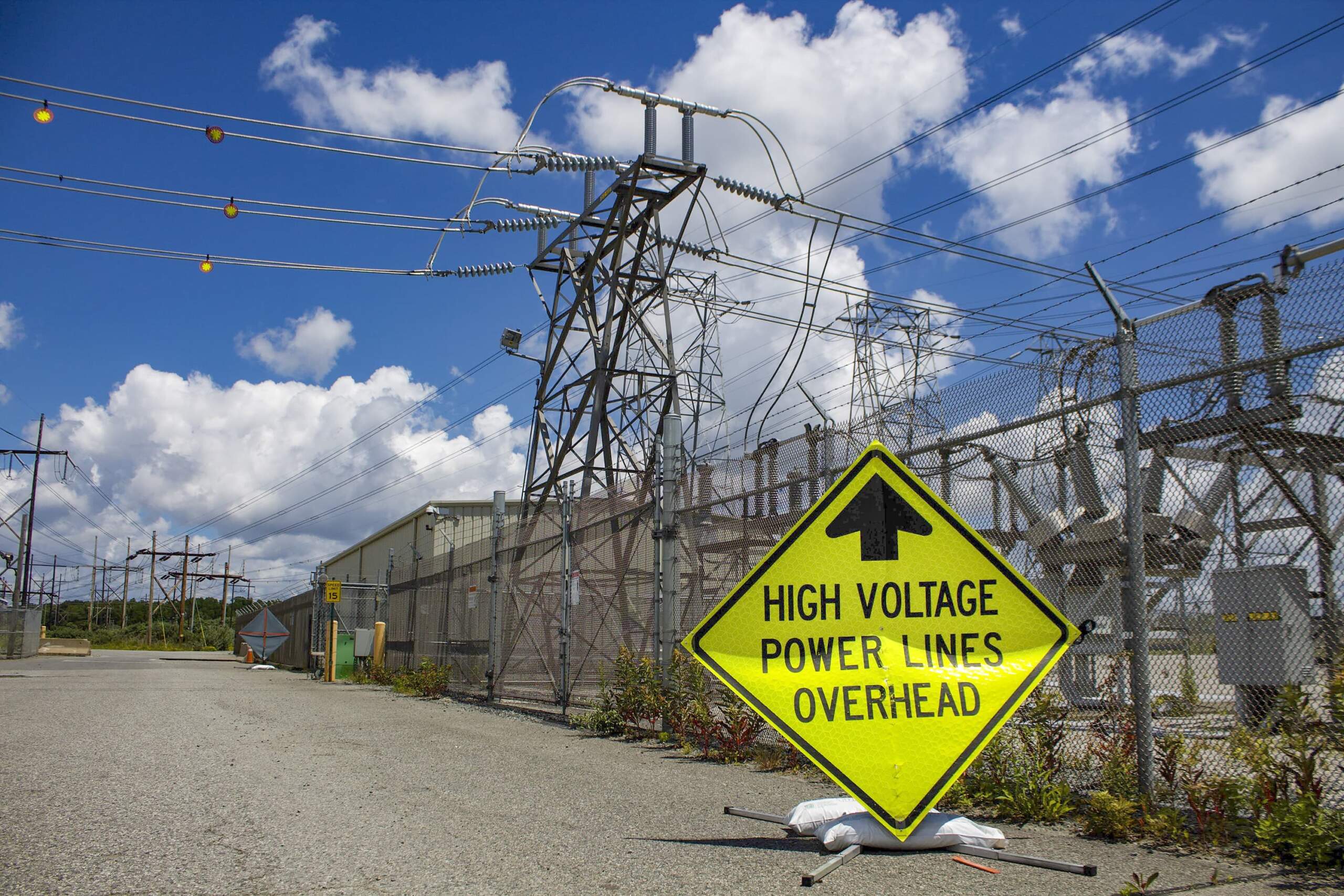
Substations are a critical piece of energy infrastructure and will play an important role in Massachusetts' ability to drastically slash planet warming emissions by mid-century.
The state's climate plan relies on people replacing a lot of gas-powered vehicles with electric ones and swapping out fossil fuel-based heating systems in buildings with electric heat pumps.
If all goes according to plan, by 2050, Massachusetts will consume more than twice as much electricity as it does today. And that means the state will need to build a lot of new electrical infrastructure — including dozens of substations in the next decade — to support it.
According to Eversource, the new substation in Kendall Square can handle the electrification of all residential heating systems in East Cambridge, as well as the demand that would be generated if half of the commercial sector went electric and most people started driving EVs.
The new substation and associated underground transmission lines was also designed to connect to existing substations in Somerville, Brighton and other areas of Cambridge.
“It creates a network system, so if something happens with Substation B, Substation A can help serve as a pass-through,” said Maija Benjamins, Eversource’s director of strategic project development for transmission.
While this may be the first fully-underground substation in the U.S., there's a partially underground one in Anaheim, California that's been operating for almost 20 years. Countries like Canada and Japan have long put substations below ground without safety concerns.
Benjamins said the Kendall Square station was designed to be safe for people living nearby and using the green space above.
The idea for an underground facility followed Eversource's earlier push for a new substation in 2019. Those plans were met with significant pushback from residents. Seeing the public opposition, Cambridge officials stepped in to see if they could mediate a solution.
“As city planners, we have a hard time finding a place for bike racks in Kendall Square, so finding a spot for a 35,000 square-foot facility was no small task,” said Tom Evans, the executive director of the Cambridge Redevelopment Authority.
After several years of negotiations and planning, the project received final approval from the state's Energy Facility Siting Board last year.
While many are celebrating the Kendall project as a successful private-public partnership, East Boston resident John Walkey said he can’t help but feel a little frustrated.
As director of climate justice and waterfront initiatives at the nonprofit GreenRoots, Walkey helped lead the almost decade-long fight against a different Eversource electrical substation in a working class neighborhood where many residents are immigrants. GreenRoots lost its final appeal last year, and the project — which is located across the street from a popular playground and near a flood-prone area of Chelsea Creek — is nearly complete.
“With enough money and political will we can find equitable solutions,” Walkey said. “But when money is tight something has to give and it's almost always community interests on the chopping block.”
In the coming decades, as utilities in the state lay plans to build dozens more electrical substations around the state, Benjamins of Eversource said people probably shouldn’t get their hopes up that substations proposed in their areas will be below ground.
Building underground is almost always prohibitively expensive, she said. In agreeing to work with Cambridge and BXP on a solution, Eversource said it would only spend the amount of money it would take to build an above-ground substation of similar size. In the final negotiation, BXP agreed to cover the extra cost.
The $1.8 billion Eversource is spending to build the new substation and transmission lines, as well as update some of the existing substations in the area, will be paid for by its customers in Eastern Massachusetts. The company plans to begin recouping money through electric bills after the project is operating later this decade.