Support WBUR
A third of the Arctic is now a greenhouse gas emitter, Mass. study finds
After storing carbon dioxide for thousands of years, parts of the Arctic's vast tundra, forests and wetlands now emit the greenhouse gas, a new study found.
The research, from the Woodwell Climate Research Center in Falmouth, appeared this month in the journal Nature Climate Change.
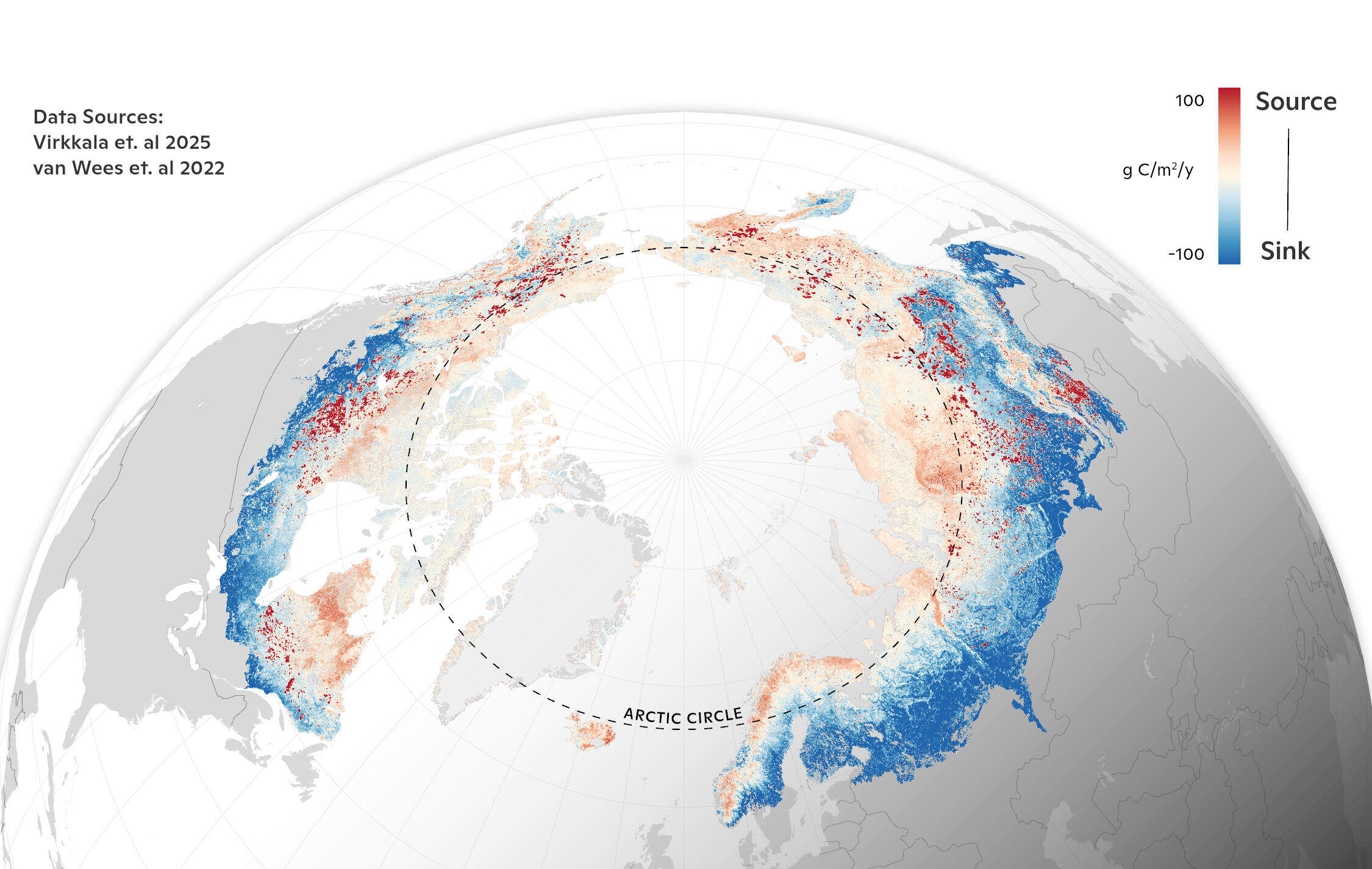
The study found that about one-third of the Arctic-Boreal Zone, which includes the treeless tundra and boreal forests, is now a source of carbon dioxide emissions to the atmosphere.
Warming temperatures, changes in vegetation growth and increased wildfires are all contributing to the region's shift.
The Arctic as a whole is still a global "sink," or storage area for carbon. But the finding that a third of the region is emitting greenhouse gases is "significant and alarming," said Anna Virkkala, a scientist at the Woodwell Climate Research Center and lead author of the study.
To measure how carbon in the Arctic has changed in recent decades, the researchers combined data from 200 monitoring sites with historical climate, wildfire, soil and vegetation records.
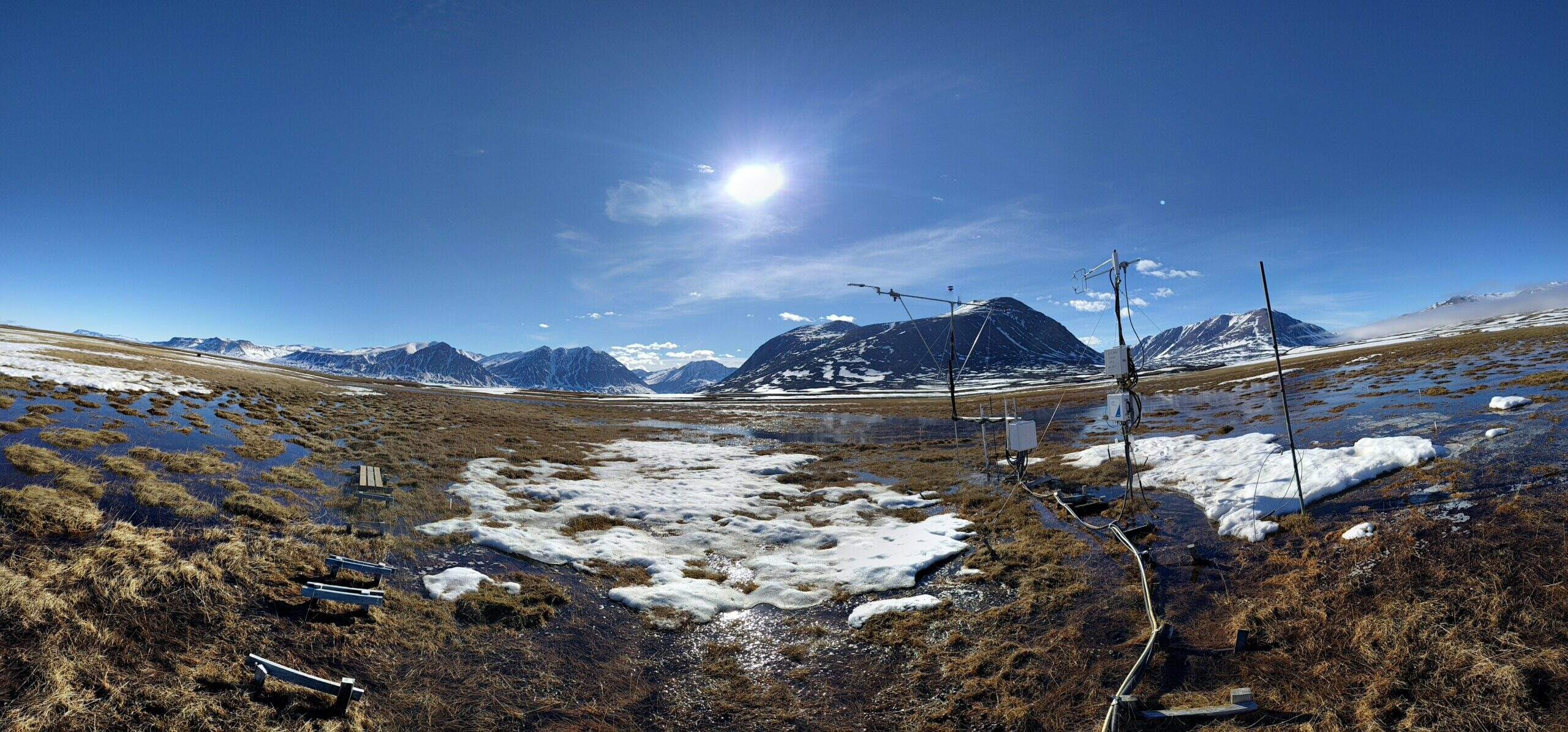
Most of the emissions they found are concentrated in the Arctic tundra, where thawing permafrost is the primary driver, Virkkala said. When the frozen ground melts, it releases carbon. Microbes in the soil consume the newly-available carbon, then release it back into the atmosphere as the greenhouse gases methane and carbon dioxide.
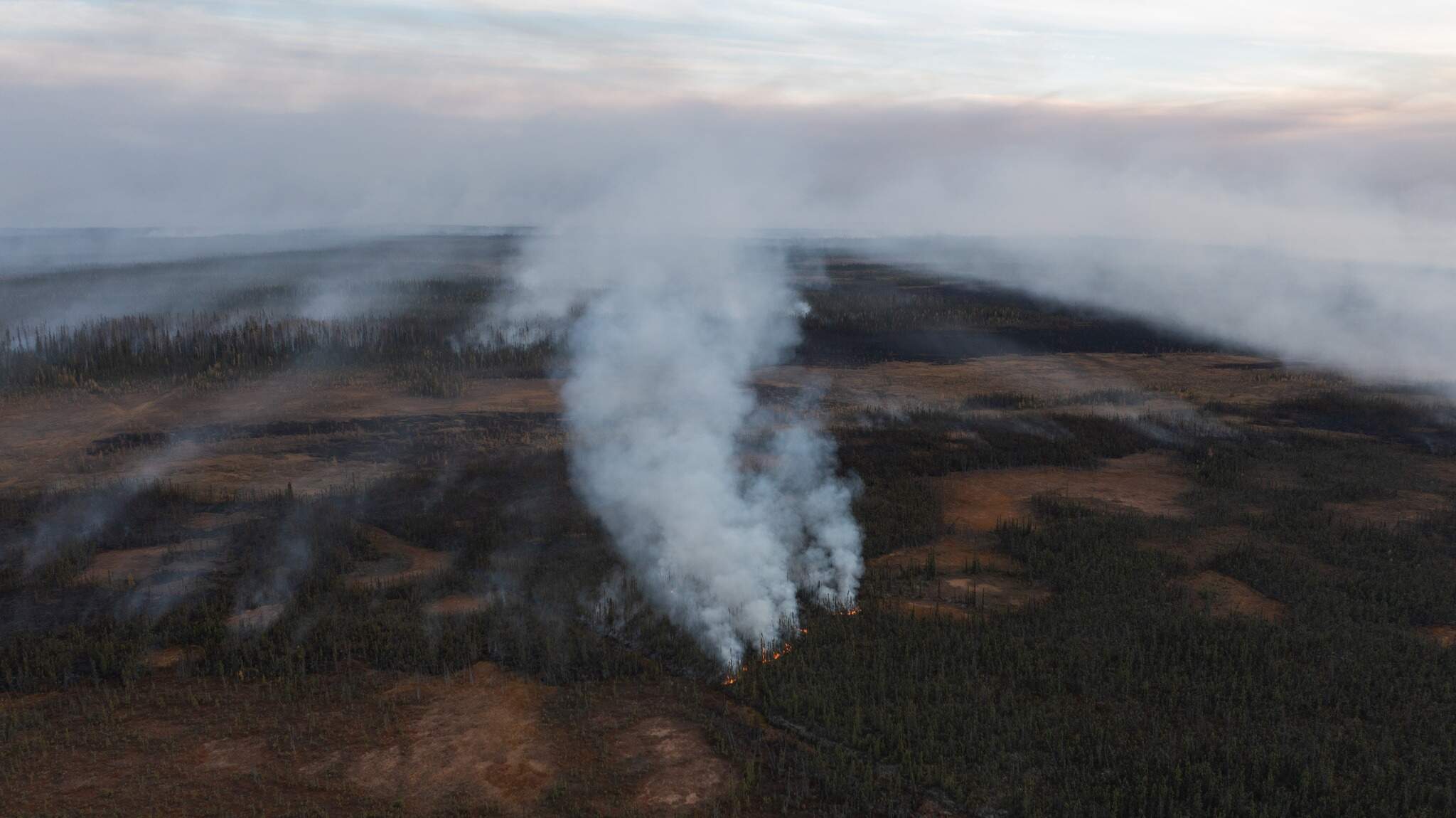
Wildfires are also playing an increasing role in how the Arctic functions as a greenhouse gas emitter, Virkkala said. When vegetation burns, it releases carbon dioxide and other greenhouse gases into the atmosphere.
Although not every year is severe for wildfires, "fires are getting more severe," said Merritt Turetsky, a polar researcher at the University of Colorado, Boulder, who was not involved with the research.
"The Arctic has been a slow, but persistent and steady carbon sink. And the study shows that there are stress cracks in that system," Turetsky said. She described the finding as "one more nail in the coffin" for the rapidly-changing Arctic.
The study's findings follow similar conclusions in this year's Arctic Report Card, which is released annually by the National Oceanic and Atmospheric Administration.
The Arctic is warming several times faster than the global average, research has shown. Last year's permafrost temperatures in Alaska were the second-warmest on record.
Sue Natali, a scientist at the Woodwell Climate Research Center and co-author of the study, said slowing climate change could help reverse the changes to the Arctic.
" The sooner we reduce global greenhouse gas emissions, the sooner we can get the permafrost to refreeze," Natali said.