Support WBUR
From Tijuana to Mass., asylum seekers and their families face uncertainty and desperation
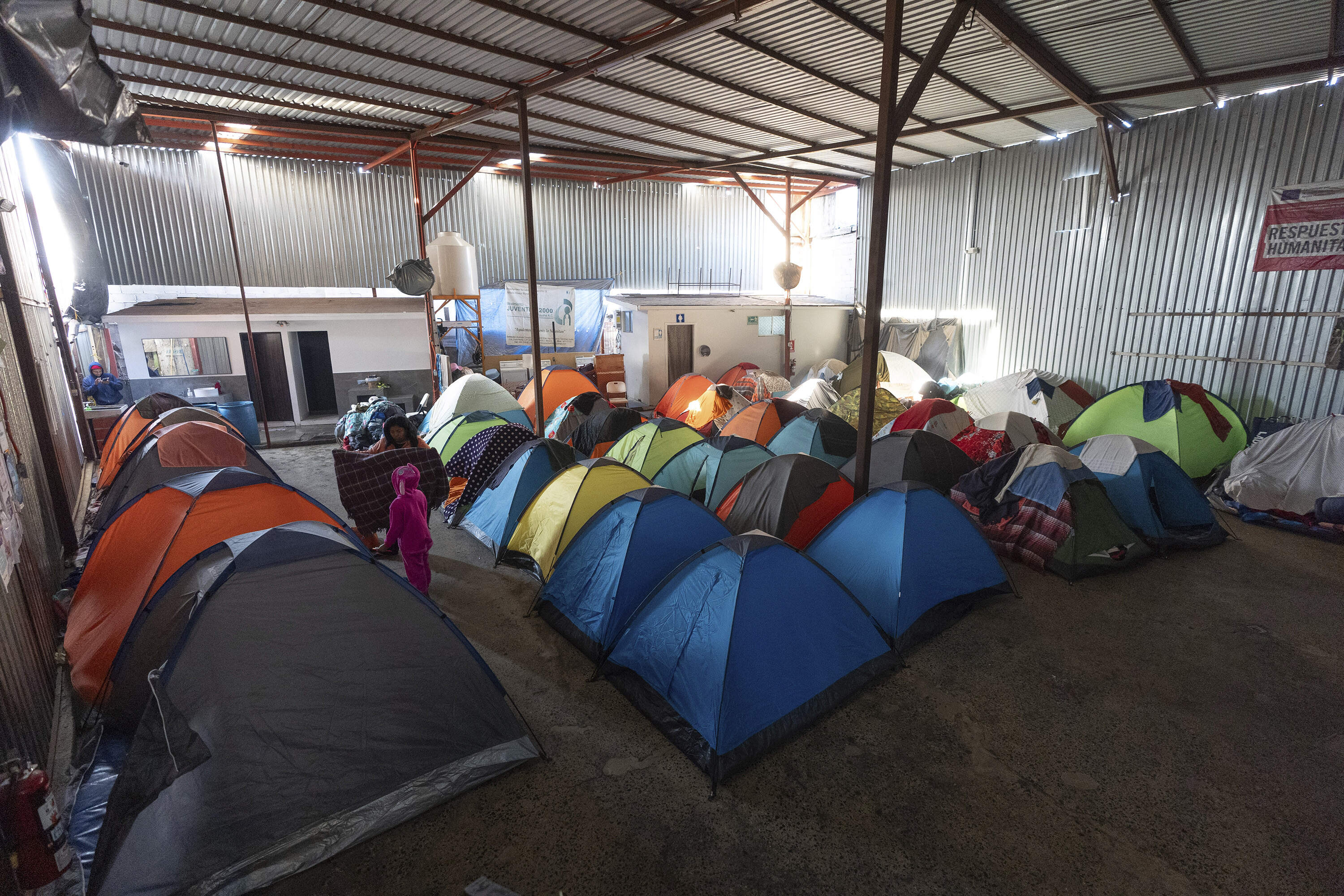
TIJUANA, Mexico — An estimated 1,500 men, women and children live in one of the city's largest homeless shelters, a sprawling patchwork of repurposed buildings and makeshift encampments with only about a dozen toilets and 10 showers across the entire facility.
Inside one of the main buildings, on a recent day in March, Kathy Kruger Castro, a supervising attorney with the nonprofit Al Otro Lado, called out to a crowd of migrants to announce that day’s free legal clinic was now open.
Dozens took a seat in metal folding chairs. People who came from other parts of Mexico, as well as countries like Ecuador and Haiti, Venezuela and Colombia, met with volunteers about their options now that the U.S. border is essentially closed to asylum seekers.
Kruger Castro said before President Trump returned to office, volunteers at orientations like this might explain how people could apply for asylum, a legal protection designed to allow people fleeing specific types of persecution and violence to seek safety in the U.S.
Asylum law states anyone can show up at an American port of entry and request an interview. The Biden administration used a lottery system that assigned appointments to asylum seekers at the border via a smartphone app.
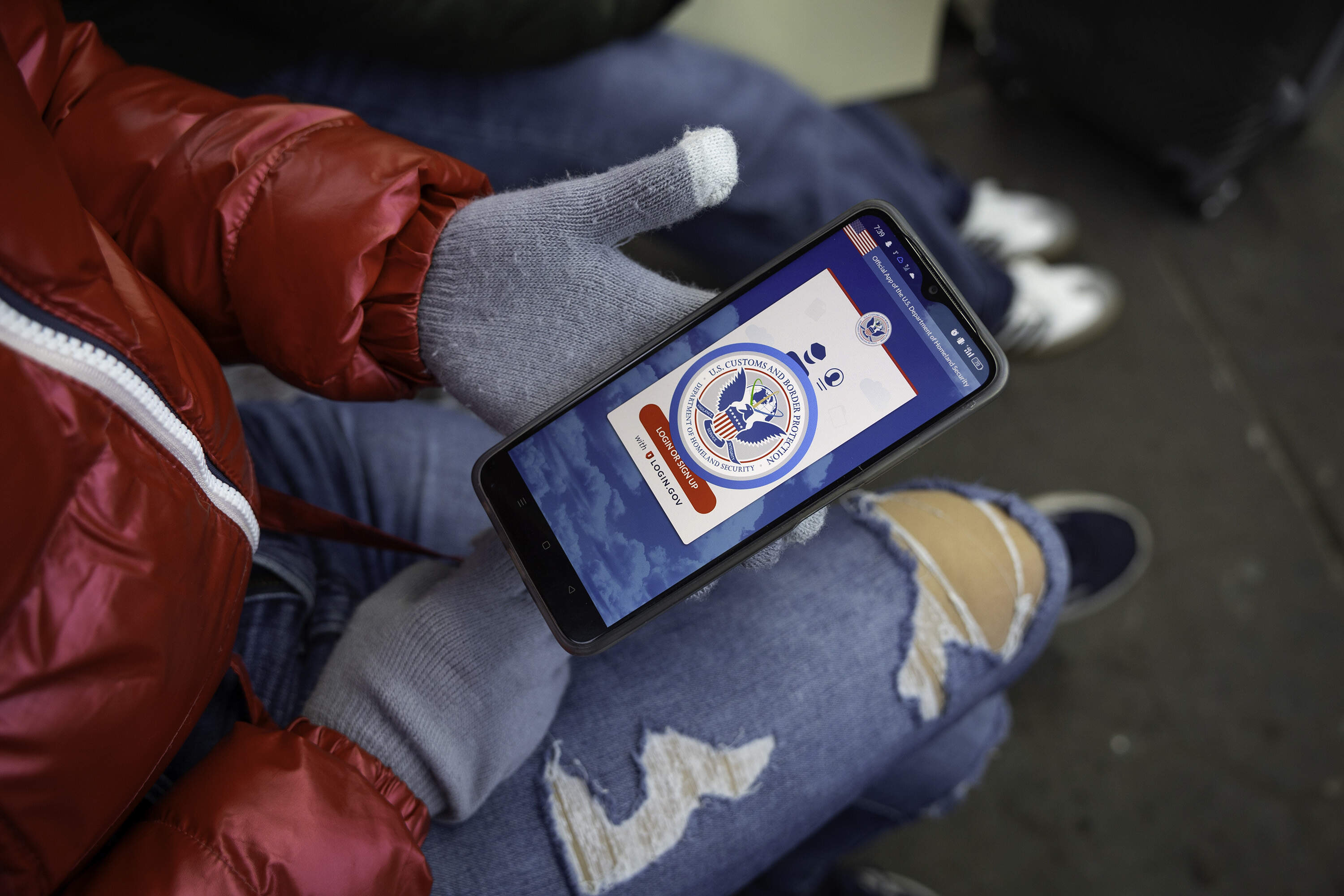
Trump and other critics said the lottery system attracted people who might not be eligible for asylum. On day one of his second term, the president essentially shut it down.
Since then, advocates on the ground say many people have left border cities with official ports of entry like Tijuana in search of other options. But for the thousands who remain and their families — some here in Massachusetts – hope of a legal pathway has dissolved into scenes of uncertainty.
Kruger Castro and her fellow volunteers can’t tell migrants when — or if — the asylum process will reopen at the border. Now, they focus on informing them of the risks of trying to cross the border in other ways.
“We can empower people with information and they can take their … choice for whatever their next steps are,” she said. “Probably they’re a little bit more cautious in the sense that they know how strict things are. However, since they’re so desperate, that’s a risk they’re willing to take.”
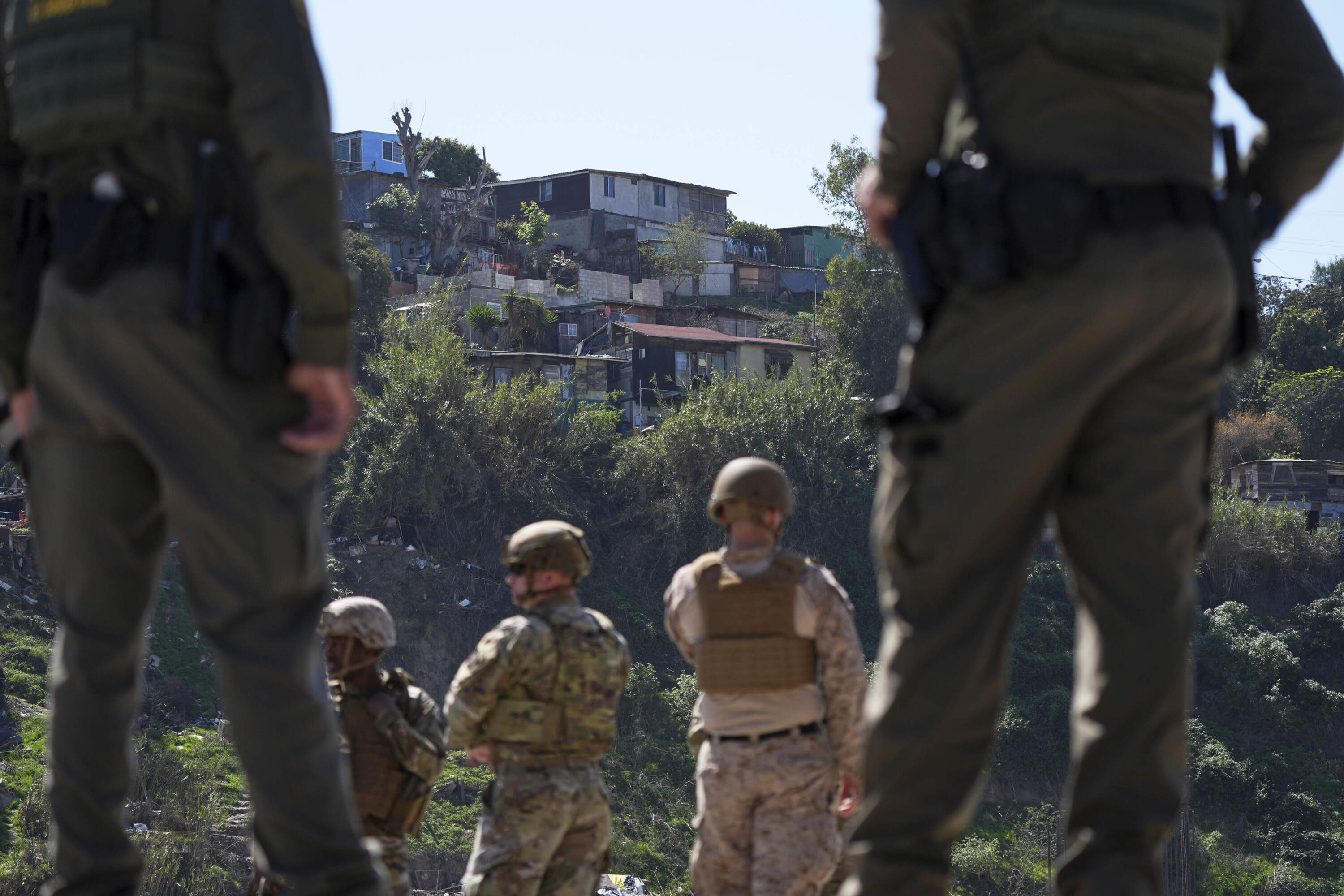
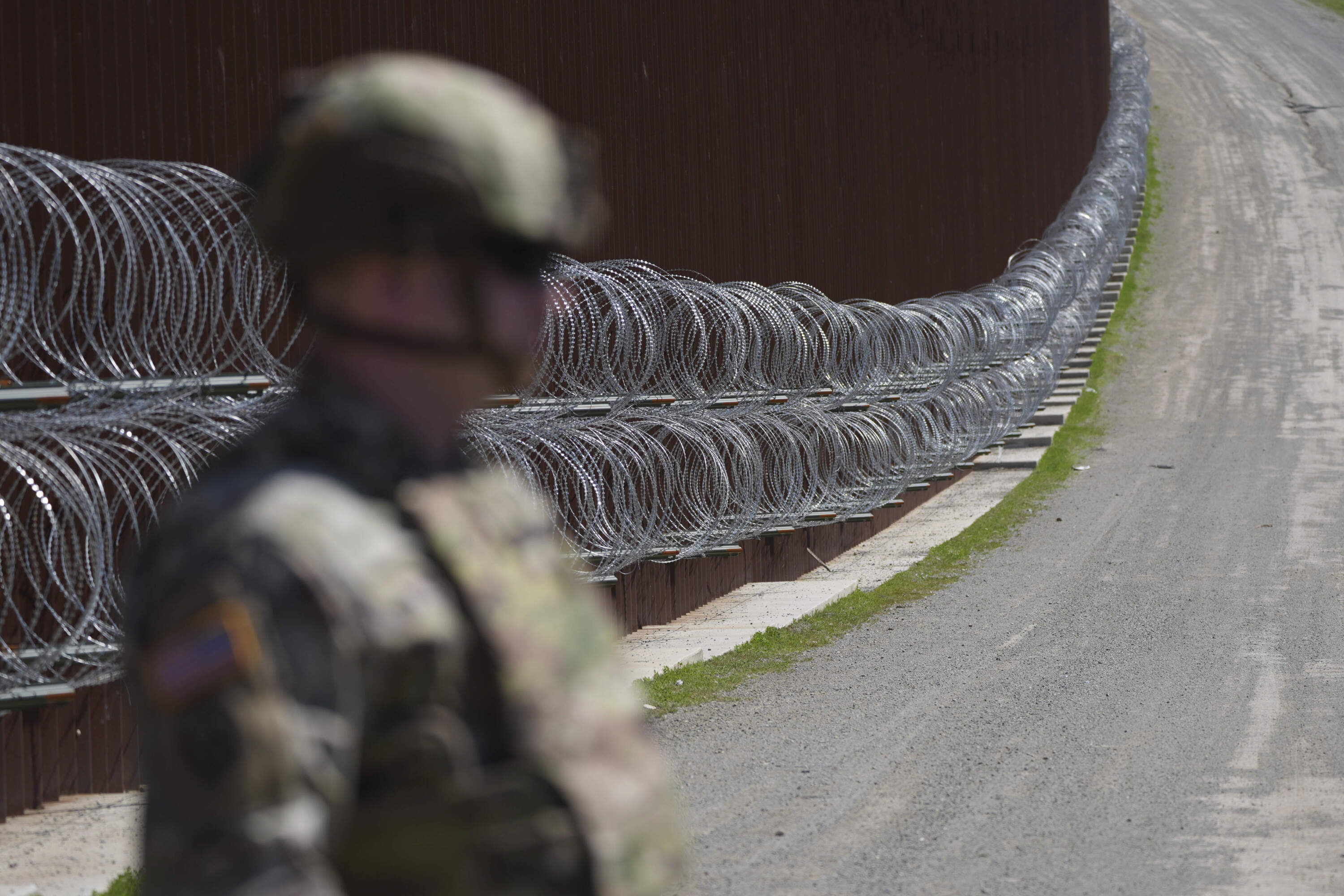
Kruger Castro said effectively eliminating a path to asylum at the border could drive desperate migrants afraid for their lives to try to cross the border illegally.
For those who go that route, she said, “right now, the cartels are the ones that are controlling who gets to cross,” adding the infamous drug gangs also determine the route and how risky the journey ends up being.
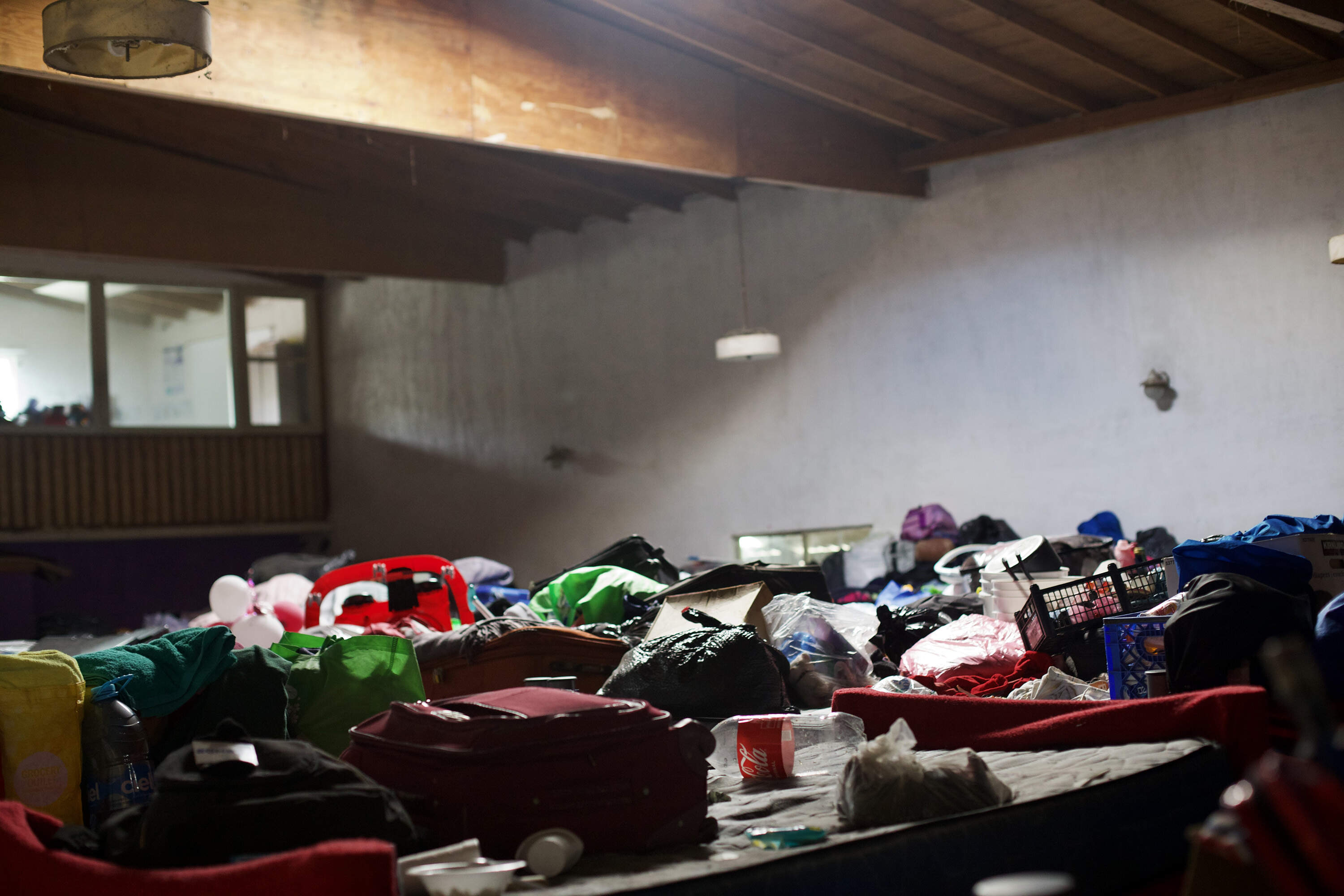
The risks and distances already endured by migrants to make it to Tijuana are obvious in the stacks of belongings on top of the rows and rows of bunk beds.
Backpacks and roller bags are stored next to pots and pans and children's toys. An overwhelming sense of uncertainty hangs in the air.
A few miles away, at a different Tijuana shelter for women and children, Soledad, 29, said she waited nine months for her appointment to start the asylum process. Speaking in Spanish, she said she remembers the day she found out it was canceled: Jan. 20.
“We were all watching the news on TV that day, on the 20th. When he announced the border would close down, everyone here, absolutely everyone here who already had an appointment, got into the app and saw that it now said canceled,” Soledad said.
WBUR agreed not to use her full name, because she said she has feared for her life since cartels in central Mexico killed her brother and took over her family home.
The metal gate entrance to the shelter is supposed to stay locked at all times to protect the residents. Nearly 20 camping tents are pitched inside, and there’s an old couch in front of a TV where a few children watch movies.
Like Soledad, MMC once had an appointment to begin the asylum process. WBUR agreed to use just her initials because she too said she fled violence and threats from cartels. The 47-year-old from Colombia showed up for her appointment at the port of entry in Tijuana on inauguration day, only to be turned away. She’s unsure what her next move will be, but she’ll stay at the shelter for now.
“I'm waiting to see if there's some new program to let us through,” she said in Spanish. “Either way, I can't go back to Colombia.”
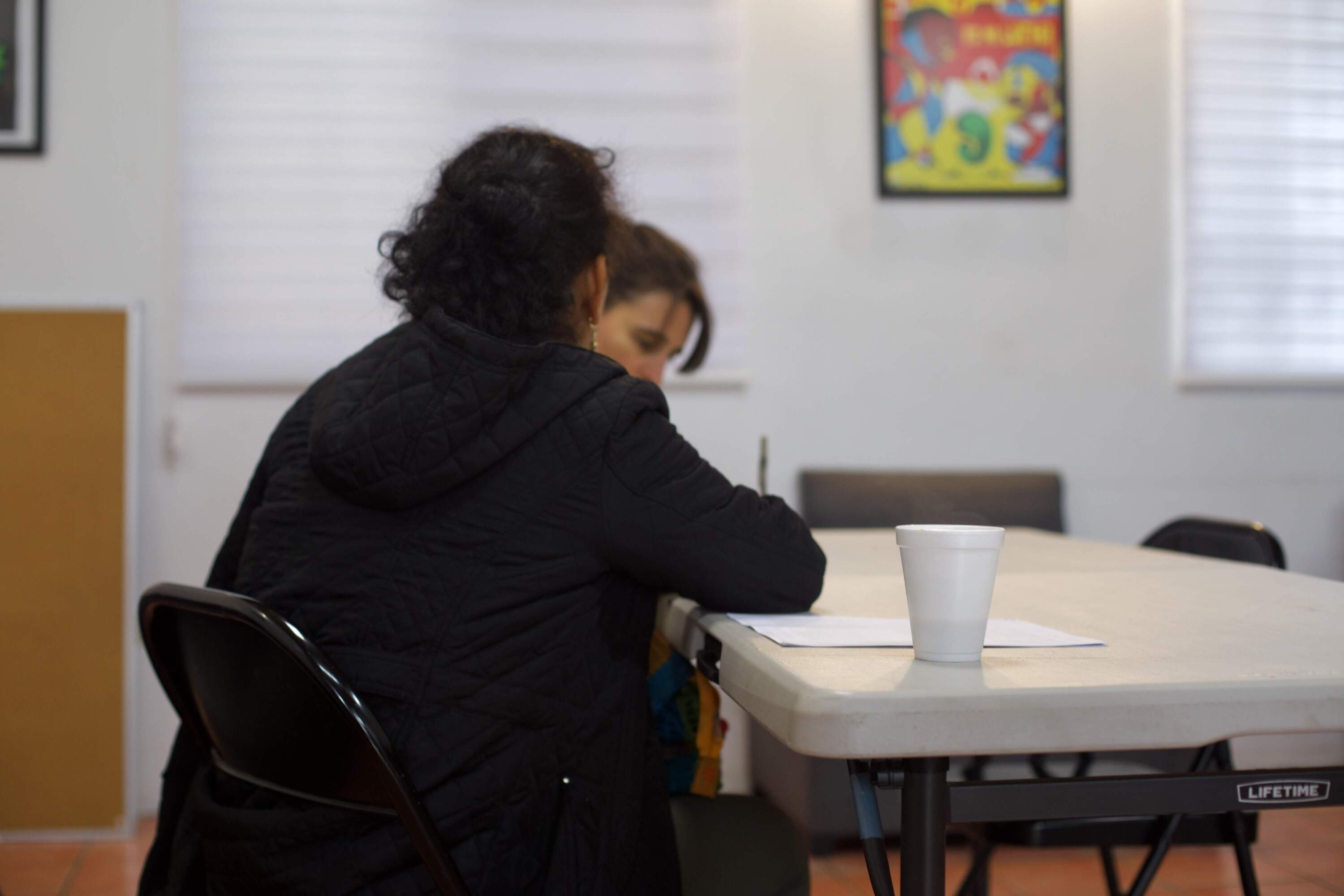
Attorney Sarah Sherman-Stokes said she’s heard that message repeatedly while interviewing migrants in Tijuana shelters.
Sitting at a small table in Al Otro Lado’s office, children’s artwork hanging from the ceiling, Sherman-Stokes, a clinical associate professor and associate director of the immigrants’ rights and human trafficking clinic at Boston University’s School of Law, said what she hears from most people is a combination of wanting to play by the rules, but feeling as though their life depends on making it safely to the U.S.
Sherman-Stokes, who accompanied a group of law school students volunteering at the border, said many people are still coming to terms with the cancellations of their asylum appointments. But she expects there will be a tipping point, and it could lead to people dying.
“Historically, what we've seen is that as border crossings become more difficult — as there is greater surveillance and enforcement along the southern border —we see coyotes [or smugglers] and migrants taking much more dangerous routes to cross because the level of desperation and fear doesn't go down just because border enforcement increases,” she said.
That same desperation is being felt by families throughout Massachusetts.
Gladys Vega runs Chelsea’s La Colaborativa, a nonprofit dedicated to supporting the immigrant community.
“It’s very real, and it’s very connected,” Vega said. “You have people in the border waiting for appointment. I have families on this side waiting for those loved ones to get their appointment so they can be reunited.”
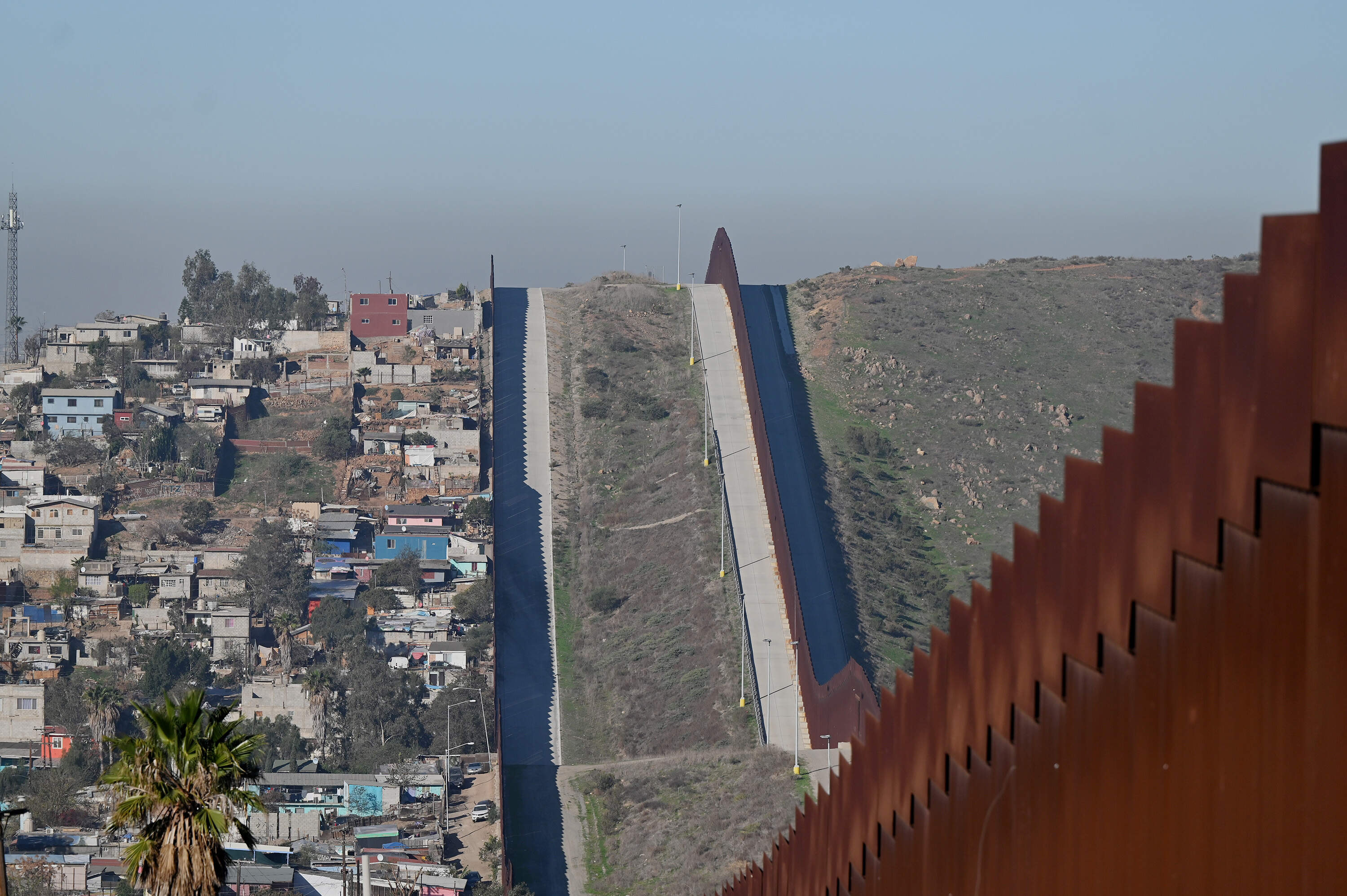
A federal lawsuit filed in early February has challenged the Trump administration’s executive order pausing asylum applications at the border. Vega said in the meantime, community members she serves in Massachusetts are struggling to get in touch with family members — people who traveled long distances to make it to a port of entry for their appointment, some of whom are now missing.
For the foreseeable future, families on both sides of the border are left waiting.
Editor’s Note: Boston University holds the broadcast license for WBUR. Shannon Dooling is an associate professor of the practice, investigative reporting, at the BU College of Communication. Both WBUR and Dooling’s journalism are independent, and BU had no editorial role in this story. Gabriel O’Hara Salini and Zenobia Pellissier Lloyd contributed reporting to this story.
This segment aired on March 27, 2025.
