Support WBUR
Afghans in Mass. who helped U.S. military share hurt and hopes over federal policy shifts
Promised safety for risking their lives to help the American military, many Afghan nationals now feel confused and betrayed as the Trump administration restricts legal pathways for them to resettle in the U.S.
As President Trump took office and began a sweeping crackdown on immigration, he ordered a pause on the processing of refugee applications and soon ended certain humanitarian parole programs. The moves tossed into limbo the futures of tens of thousands of Afghan nationals who seek to come or remain here.
And in Massachusetts, this new political reality cast a cloud over an Eid-al-Fitr celebration in Ipswich this week.
Inside a historic, rambling house, about two dozen people gathered for a Sunday feast marking the end of the Muslim holy month of Ramadan.
Organizers with The House of Peace — a small nonprofit that provides services like housing or medical care to war refugees and others fleeing violence — worked to keep the dinner feeling festive.
The guests, including 11 children, were decked out in new clothes and dined on heaping plates of lamb, rice, potatoes, oranges, pistachios and figs.
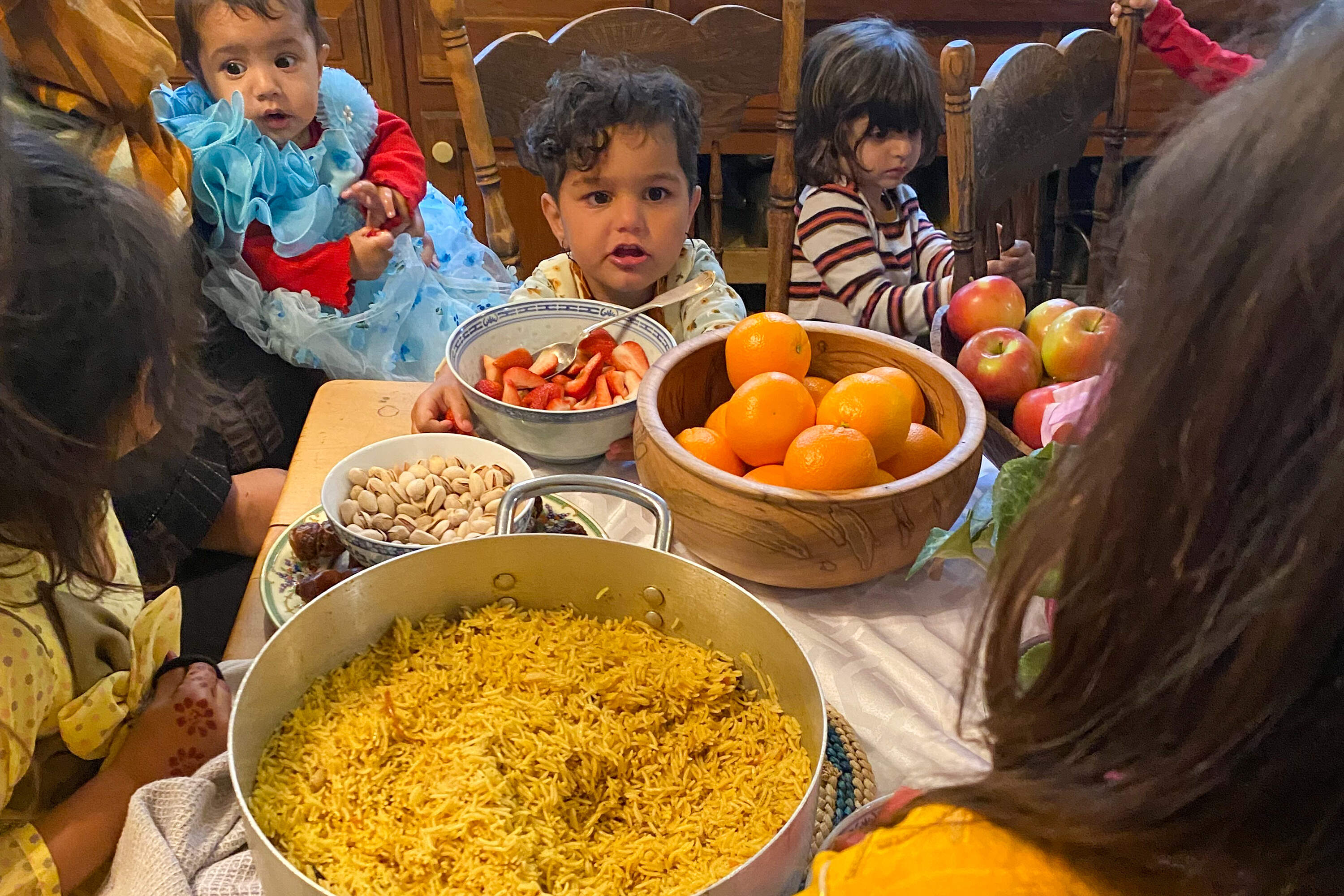
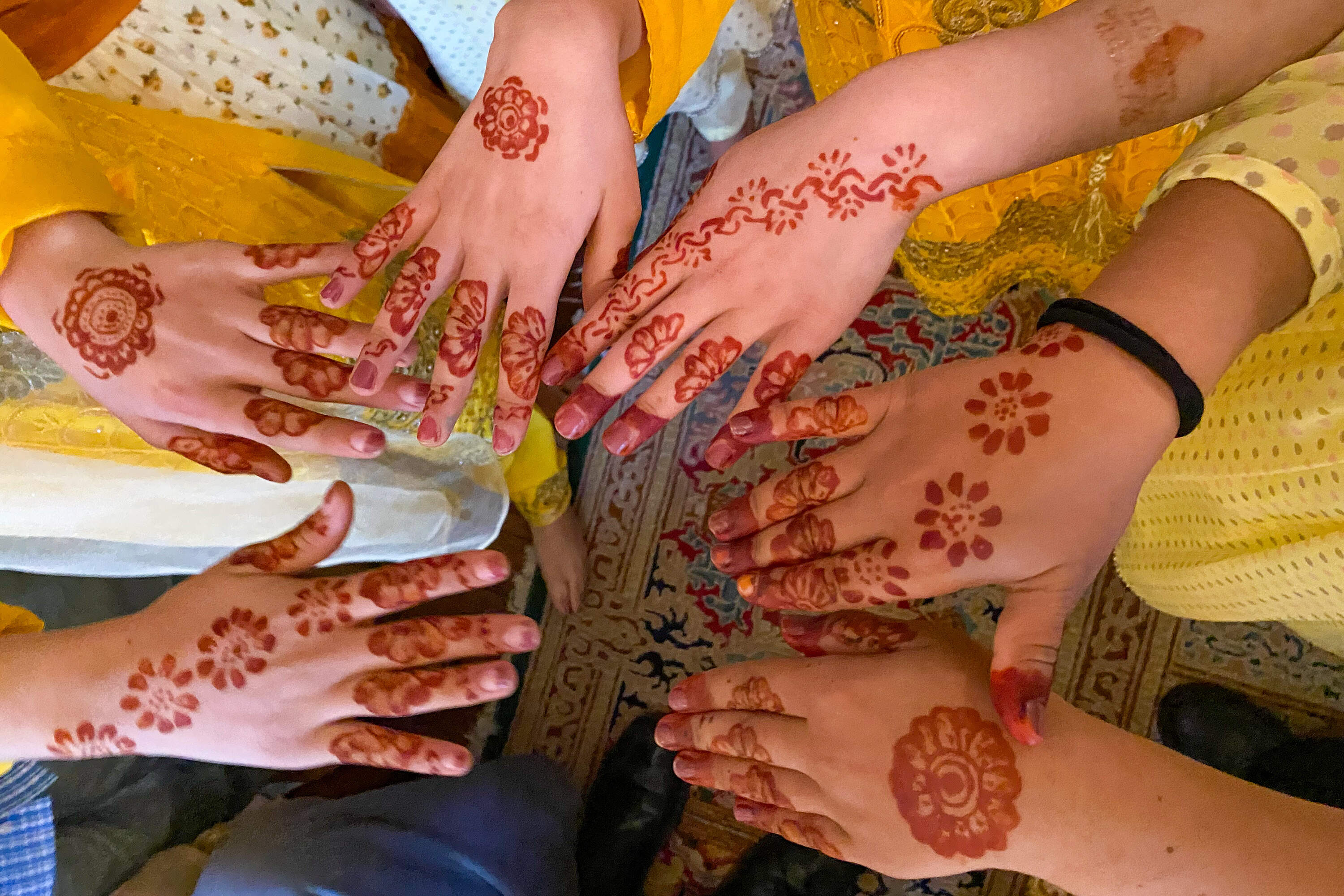
Following tradition, the men and women ate in separate rooms. Everyone helped with the cooking.
What was uncustomary about the occasion was the sadness underlying it. Many of the guests fled Afghanistan after the U.S. abruptly withdrew from the country in 2021, and the Afghan government fell to the Taliban. Hundreds of Afghan families have settled in Massachusetts since then, but are still trying to get their loved ones to join them, according to local resettlement agencies.
" It's really tragic that so many people have families living under the Taliban for whom reprisals are happening because their relative worked with the American forces," Carrie Schuchardt, director of The House of Peace, said. "That's the big overarching fear for these ex-soldiers, that their families are at risk because of their work."
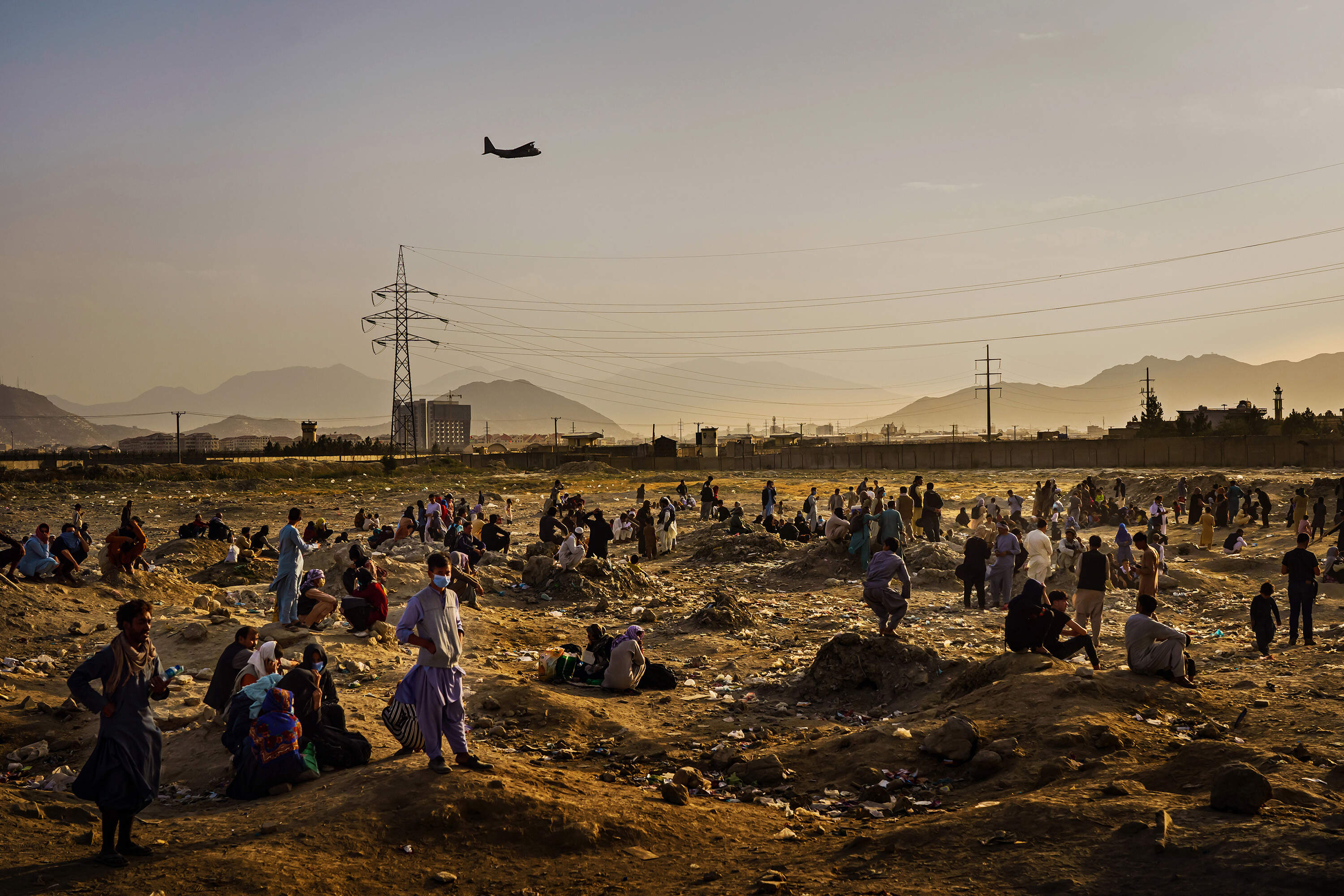
Over dinner, some of the guests shared feelings of betrayal and talked about the worries they hold for the loved ones they left behind.
"Even if I keep myself busy 24/7, I still think of my family, my wife," said 26-year-old Hijran. WBUR is identifying Hijran by his nickname because, despite possessing a green card, he fears immigration officials may retaliate against him.
He said imagining his family's "safety, their rights, their happiness" makes him feel "very disappointed and desperate."
In Afghanistan, Hijran worked as an interpreter for the U.S. military for more than three years, where he said he risked his life "every single day" to analyze intelligence reports and help minimize risks to American troops.
"... because of that role that I had in Afghanistan, my life, my family's life, my wife's life, like, everybody's in danger. My wife, she's still there, but they don't care."
Hijran
Dozens of Afghans who helped the U.S. during the nearly 20-year war were not able to quickly leave the country as western forces withdrew, he explained, and are now Taliban targets.
"They cannot show themselves in public," Hijran said. "If they were caught, their place would be probably prison or somewhere else. Or probably their life could be taken forever."
Unable to board a plane in the chaos after the U.S. evacuation, Hijran said he and his wife managed to make it to Pakistan.
But his wife didn't have a passport. The couple decided Hijran was at bigger risk and should leave for the U.S. first. They thought she'd be able to soon join him because of his work for the American government. That was two years ago.
" I didn't know it was going to take this much longer for someone who was associated with the U.S. Army," Hijran said. "And because of that role that I had in Afghanistan, my life, my family's life, my wife's life, like, everybody's in danger. My wife, she's still there, but they don't care."
New White House immigration policies have created more uncertainty and frustration, Hijran said. He explained that his wife has applied for humanitarian parole, which allows temporary entry to the U.S. for reasons such as family reunification or to escape persecution or violence. But Trump ended most humanitarian parole programs, saying they are overused.
Other recent executive orders suspended the U.S. refugee admissions program and funding for flights for Afghan Special Immigrant Visa holders.
Hijran said he's also concerned about reports the White House may implement a travel ban that would bar Afghan citizens from entering the country.
" Everybody's afraid about those executive orders," Hijran said. "And all of them are kind of stuck with no information about their future and no promise from anybody right now."
Several groups are challenging the administration's immigration and refugee policies in court.
Meanwhile, Pakistan officials said they're planning to expel millions of Afghan refugees from their country.
The constant changes and delays have deepened fears for Hijran's wife, whom he said is alone in Pakistan, living under a visa and afraid to go outdoors. He said he's worried she will be taken into custody if she is linked to him and his work during the war in Afghanistan.
" Even if you have a valid visa, you can be detained in Pakistan," Hijran said. "My wife is frustrated. She's been waiting for very, very long, and she's got depression because of all this."
Hijran came to Massachusetts after a friend told him about The House of Peace. He lived in the Ipswich house, which serves as the program's headquarters, for about six months before he found permanent housing and a job. He said he is trying to remain optimistic about his family's future.
"Hopefully, they're going to figure it out, and they will come up with a plan," he said, "and they fulfill their promise that they made to those who stood by the U.S. government."
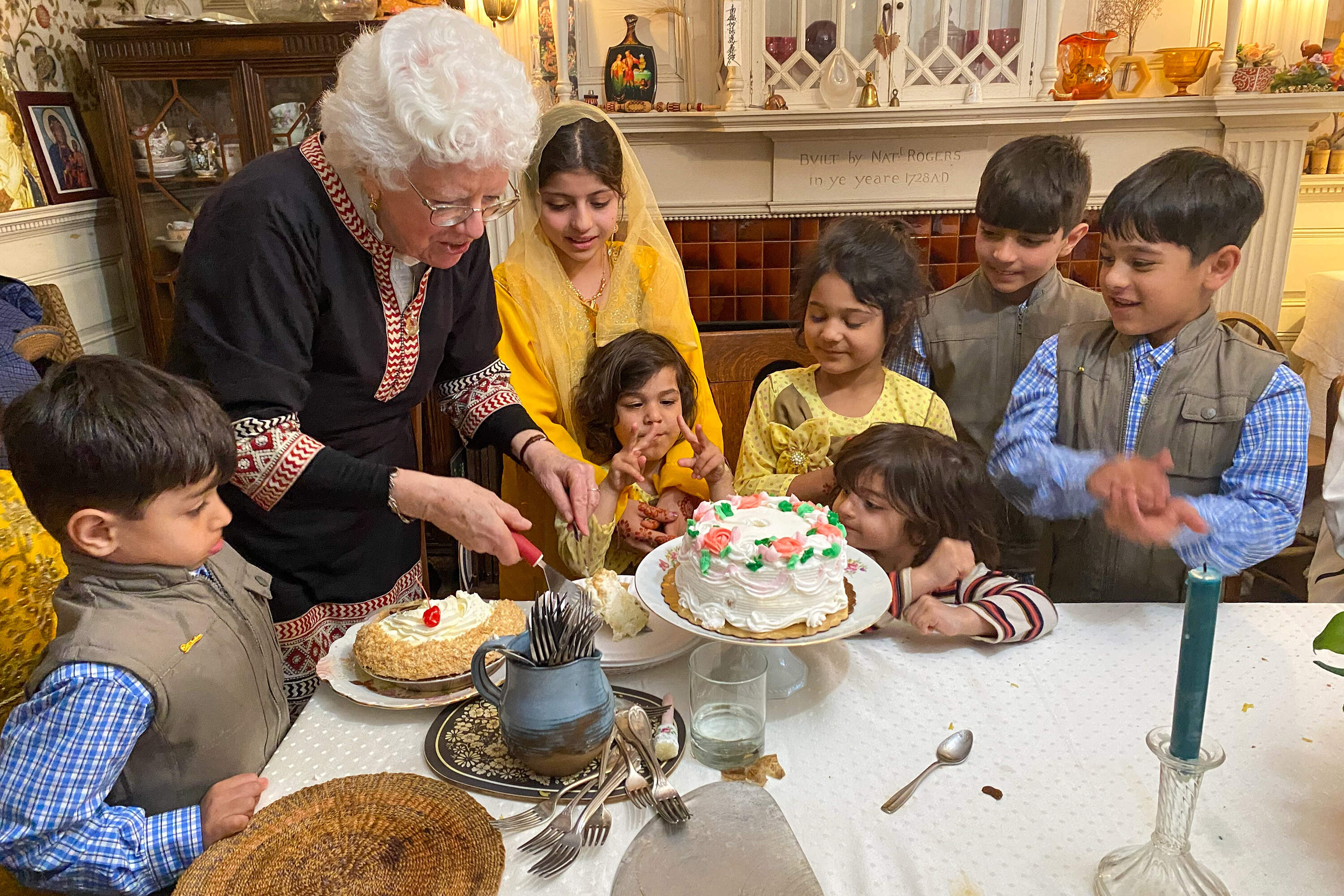
Since 1990, The House of Peace has taken in people affected by war and in need of medical or other supports, helping more than 500 refugees from more than 30 countries.
Some of the families living in the house today are from countries other than Afghanistan. Many are getting medical care in Boston for war-related injuries.
The House of Peace is no stranger to immigration challenges. It was among the organizations that fought against travel bans during the first Trump administration. The bans had delayed some children from coming to Massachusetts for medical treatment.
But now Schuchardt, the director, said immigrant and refugee needs have grown as restrictions under Trump's second term have tightened.
She pointed out that the first Trump White House was before the fall of Afghanistan, the wars in Gaza and Ukraine and increased federal deportation efforts. Her message to those she works with now is to be persistent.
"We are just hoping that these people, because they're so strong and so resilient — and so determined to make a go of it and not give up on getting their families here — that it will make a difference for refugees from many countries, not just Afghanistan," Schuchardt said. "So we hope. That's our Eid prayer."
This segment aired on April 4, 2025.