Support WBUR
A showdown of prosecutors looms as DA mulls charges against ICE agent
The immigration arrest of a man facing trial in Boston has led to a high-stakes legal showdown, pitting local prosecutors against top federal prosecutors in Massachusetts.
As Suffolk County District Attorney Kevin Hayden considers whether to bring criminal charges against an ICE agent, U.S. Attorney for Massachusetts Leah Foley warns the move “will not be tolerated.”
“Battle lines are drawn,” said Murat Erkan, the attorney for Wilson Martell-Lebron, the Saugus man arrested by U.S. Immigration and Customs Enforcement. “We’re going to see who blinks first.”
Now, Massachusetts' attorney general has weighed in — in an unusual turn, is backing the feds. All of this puts a spotlight on Hayden's next move.
The arrest
ICE grabbed Martell-Lebron as he walked out of court on March 27, five years after the D.A.'s proceedings against him began over charges that he lied on a license application — and just a day before his trial was expected to go to a jury.
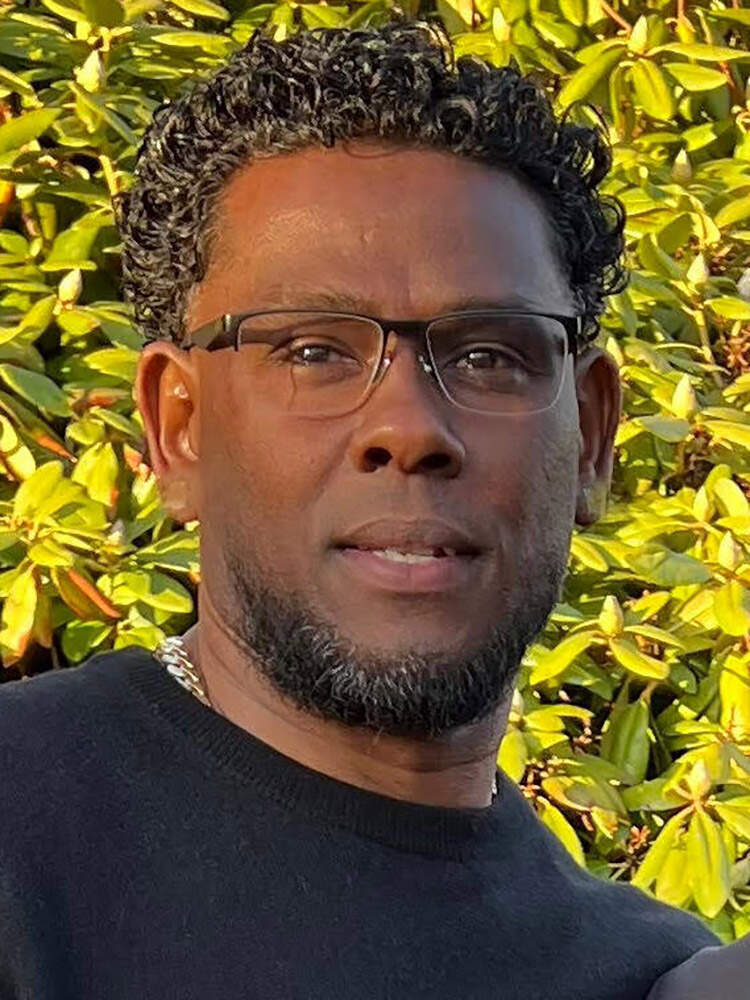
A video of the ICE detention provided by Erkan shows Martell-Lebron’s partner outside Boston Municipal Court, frantically approaching a group of people in plainclothes near a black Dodge SUV.
“Where are you taking him?” the woman asked several times, to no answer. The SUV takes off in the video, with Martell-Lebron inside, according to Erkan.
“Is that a kidnapping? You’re not going to tell us where he’s going?” Erkan shouts.
Martell-Lebron was on trial because he allegedly falsified a drivers license application, claiming to be a U.S. citizen when he has Dominican citizenship. That’s a felony charge, though Massachusetts residents can now obtain licenses regardless of immigration status. Prosecutors say Martell-Lebron’s real name is Juan Carlos Baez, and he has faced drug charges in the past.
ICE Special Agent Brian Sullivan was a witness for the Suffolk County DA in Martell-Lebron’s license case, helping to establish his nationality. Sullivan then arrested Martell-Lebron just before the case was going to a jury.
Hayden said his office did not know federal agents were planning to arrest the defendant.
The arrest went over like a lead balloon with Boston Municipal Court judge Mark Summerville. He ordered Sullivan to appear the next day in court, and for ICE to bring Martell-Lebron back to stand trial. Neither thing happened.
The judge dropped the charges against Martell-Lebron and held Sullivan in contempt, saying he violated Martell-Lebron’s constitutional rights and prevented his appearance at a trial.
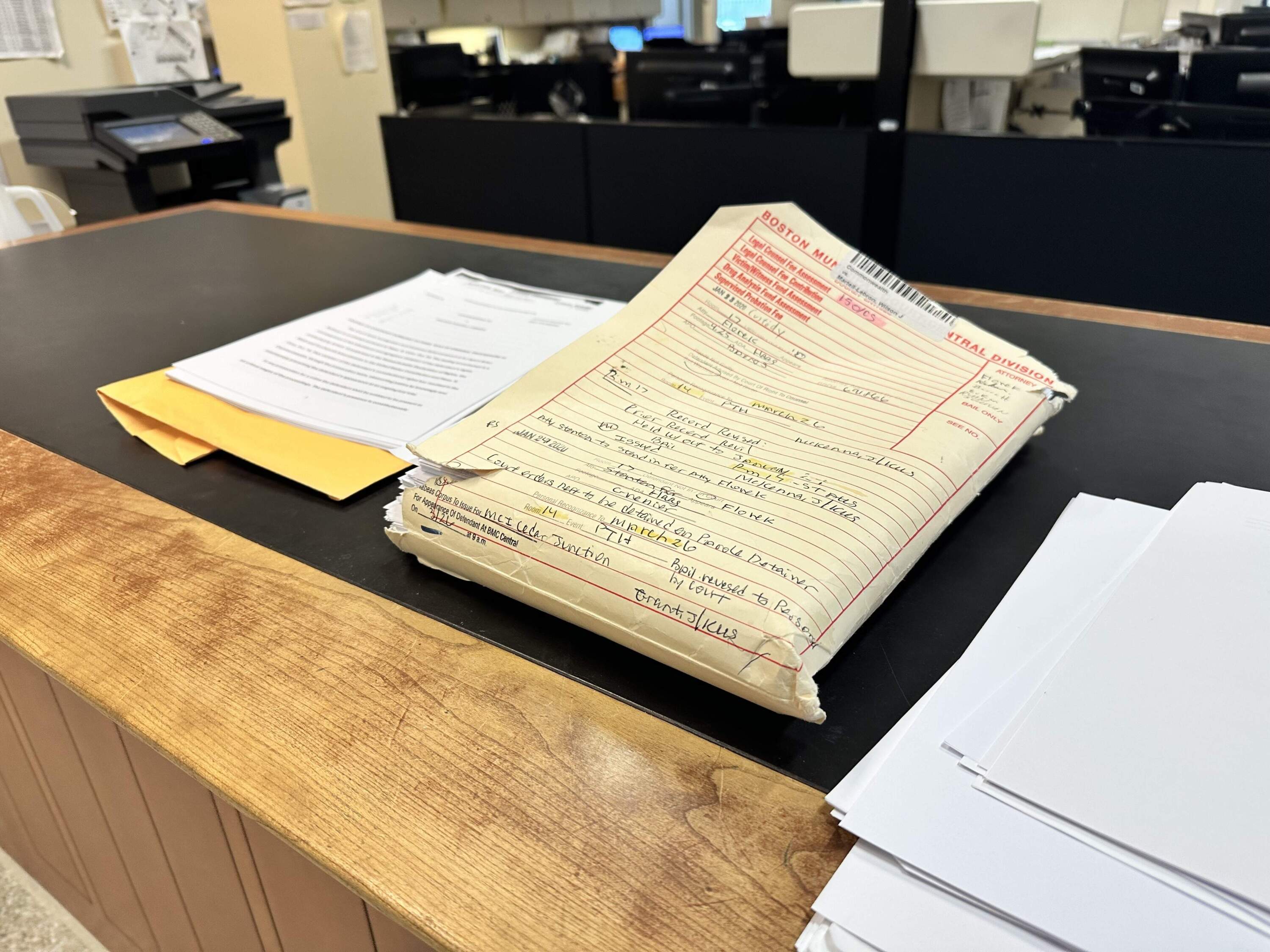
Summerville said in court that he was referring the matter to Hayden to determine whether to prosecute.
“We will see how seriously the Suffolk County district attorney's office takes this egregious conduct,” Summerville said in a video of the proceeding.
The DA's next move
With the onus now on Hayden, there are some big questions that need answers, Erkan said.
“Kevin Hayden, I think, needs to ask himself, is it necessary and proper to abduct somebody in the middle of their constitutionally protected jury trial?” Erkan said. “That’s really what’s at stake.”
Hayden declined an interview for this story. In a statement, his spokesman James Borghesani said the question of criminal charges is a “side issue that should not distract from the fact that ICE’s actions are making it more difficult for us to prosecute offenders and secure justice for victims.”
Days after the arrest, Hayden summoned reporters to his office to accuse ICE of interfering in the local case. Hayden also addressed whether to prosecute, and made it clear that the initiative came from the judge.
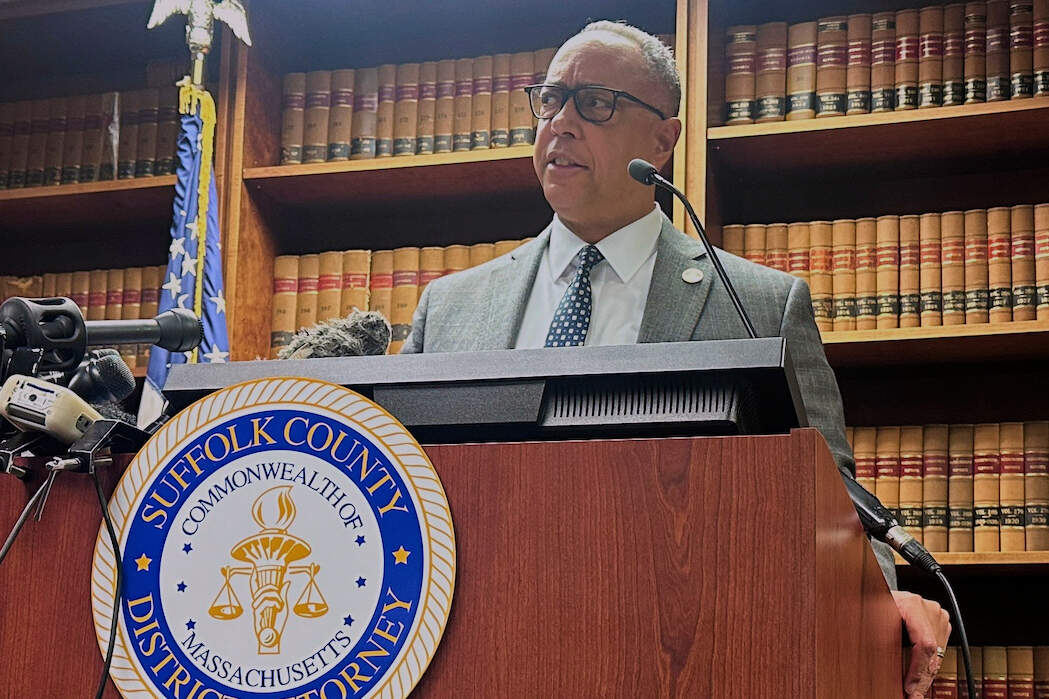
“That order to us was just recently given,” Hayden said at the press conference. “We have a lot to go over in this case before we can determine exactly how it is that we're going to proceed.”
U.S. Attorney Foley clapped back following Hayden's comments. In letters to the district attorney and the judge, she said neither had the authority to charge ICE agents carrying out official duties. And she said interfering with immigration enforcement would “not be tolerated.”
The standoff comes at a fraught time for Massachusetts. Gov. Maura Healey has said repeatedly that Massachusetts is not a “sanctuary state,” and highlights cooperation between federal and state law enforcement in criminal matters. But Boston has stood by its ordinance that prohibits cooperate with ICE on civil immigration violations, and the Trump administration has promised it will be “bringing hell” in return.
While local officials often denounce ICE actions, Suffolk University law school professor Ragini Shah said the case against Sullivan could be an opening to hold ICE accountable for getting in the way of local prosecutions.
“Somebody in the country is going to have to say, ‘Wait a minute, it's going too far,’ " Shah said. “And if it happens to be the Boston area that starts that discussion, I think, good for us.”
Shah said it would be an uphill battle for the state to establish jurisdiction in this case. Hayden could decide ICE crossed an ethical line and not a criminal one. But Shah said that should be determined in court. She said doing nothing could be seen as an endorsement of ICE picking people up at courthouses
“What you're essentially saying is, 'OK, fine, federal government, we will go ahead and be subservient to whatever your enforcement goals are and however you want to implement those,’ ” she said.
Shah said a criminal case against an ICE agent would be extraordinary. A key question is what charges Hayden could pursue. Legal experts interviewed for this story said “obstruction of justice” should be considered because the ICE action got in the way of a trial.
ICE didn’t respond to a request for comment. With some limitations, the agency permits arrests near or inside courthouses, deeming them safer than other locations because suspects have typically been screened for weapons.
Former federal prosecutor Jeff Cohen said a judge would likely drop the criminal case in short order.
“ I would advise them not to bring the charges,” said Cohen, who worked for 12 years with the U.S. Attorney’s Office in Boston, and now teaches at Boston College Law School.
“Perhaps they could make a case that there's some state charge that was violated, technically, but in the end there's virtually no possibility that those charges would stick given that the agent was acting under their official duties,” he said.
For Cohen, it was “unwise” of the judge to hold Sullivan, the ICE agent, in contempt.
“It put the DA's office in a difficult position because now, they're faced with either pursuing a contempt that's not valid, or dropping a contempt and looking like they've kowtowed to the federal government,” Cohen said.
Hayden’s position might have become less difficult on Friday, when Massachusetts Attorney General Andrea Campbell joined the fray. In a rare siding with the Trump administration, her office filed in court saying it would not oppose the feds’ effort to drop the case.
Hayden could still move forward with charges. His spokesman said he’s not bound by the Campbell's decision. Martell-Lebron, meanwhile, sits in a Plymouth lockup, awaiting deportation proceedings.
This segment aired on April 14, 2025.