Support WBUR
MFA will shutter gallery of Benin bronze sculptures
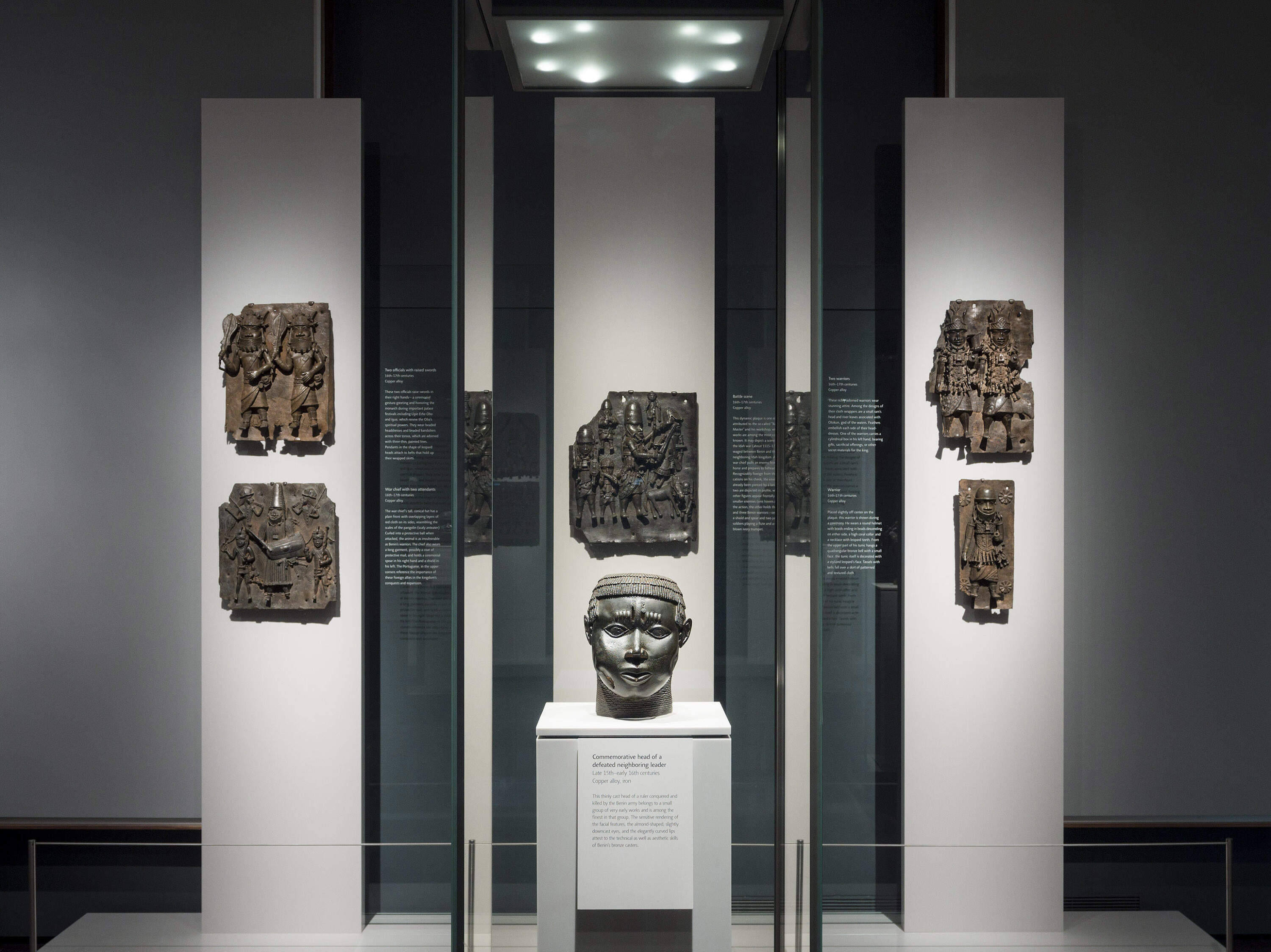
A collection of precious bronze and ivory masterpieces at the Museum of Fine Arts will be returned to Robert Owen Lehman’s collection of West African works from the 16th to 18th centuries at the end of this month.
Lehman had lent the objects to the MFA in 2012 and “pledged to give them to the museum over time,” according to museum leadership. But that agreement is now rescinded by both parties. This means the Benin Kingdom Gallery will close April 28.
Many of the works in the Lehman Collection were gathered through dealers and bid upon at auctions in the 1970s and 1980s can be directly traced to looting in the region, specifically an 1897 British attack on Benin City in present-day Nigeria.
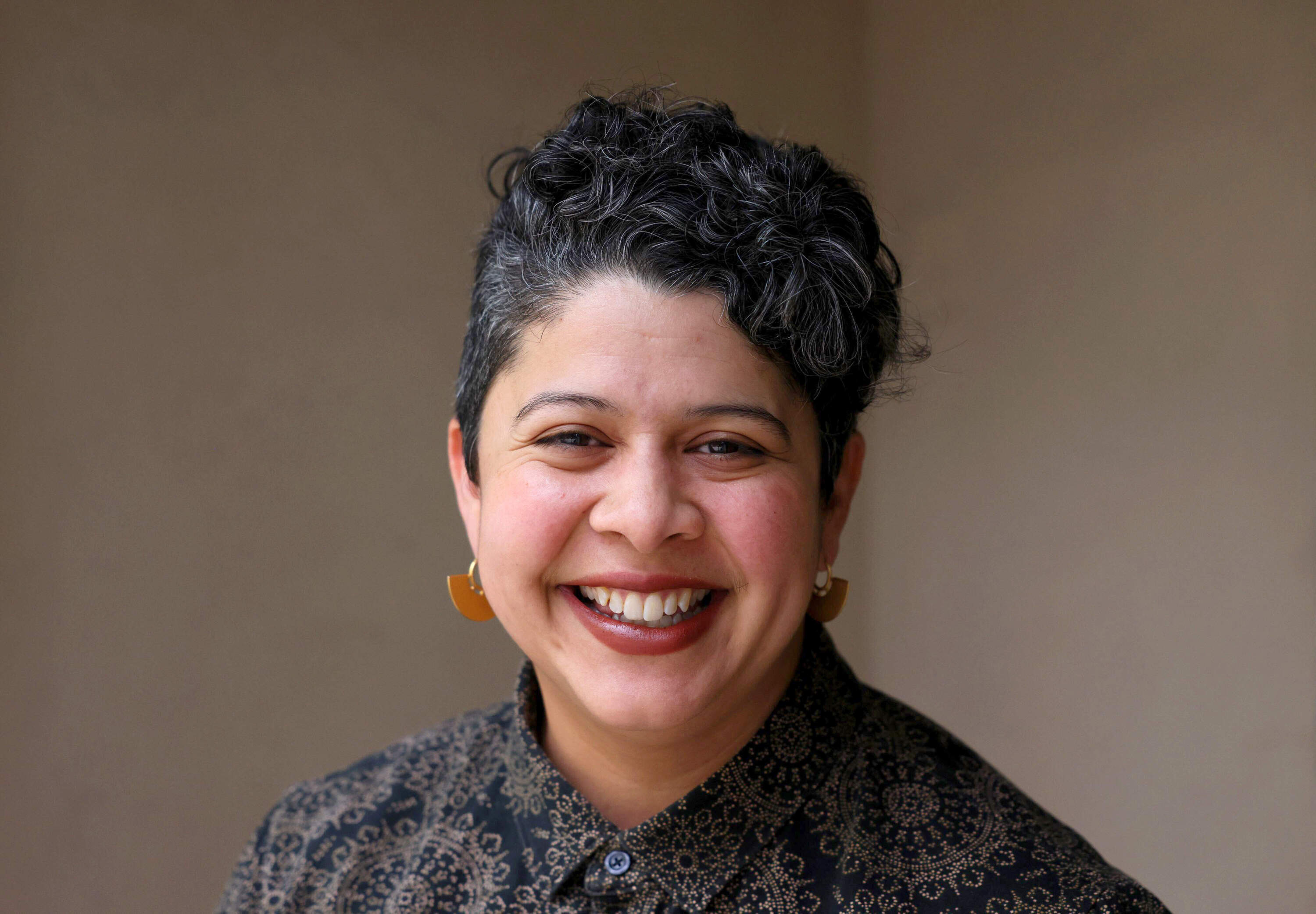
“ There is really an ethical dilemma about holding and displaying these works of art and making unilateral decisions about them without cooperating in some way with the community of origin and with the rightful owners,” said Victoria Reed, senior curator for provenance at the MFA. “And so this is what makes the whole situation complicated, is that we have the museum, we have Mr. Lehman and we have colleagues in Nigeria. So it's not necessarily a straightforward conversation.”
During British occupation, an estimated 4,000 objects were stolen from the exiled King Ovonramwen’s treasury, commissions of artists from the Benin Kingdom. They were eventually taken to Europe to be sold on the market.
“ I think [Lehman] had envisioned a long-term gallery display with the entire collection together and on view,” Reed said. “It was clear that vision could not be fully realized. So earlier this spring, he requested the return for the loans.”
In other circumstances, such as with two stolen terracotta figures repatriated to Mali in 2022, the museum had the ability to “assess the issues and make a recommendation based on our collections policy, based on our stated institutional values and based on the precedent that we've set,” Reed said.
“When we don't have full ownership of a collection like this,” she said. “It makes resolving ownership issues very challenging.”
“The MFA continues to seek a resolution regarding the ownership and display of the Benin Kingdom works in its collection,” according to a museum press release.
The gallery will become a space to display the MFA’s collection of Nubian art with a small selection on view as of May 1. Among these are the shawabties, which are funerary figurines of King Taharqa, the most powerful of Nubia’s rulers, and decorated pottery from the Meroitic period.
Five objects from the Lehman collection were donated to the MFA and will remain in the museum’s collection. Several can be seen in late June in the Art of Africa Gallery.
“The MFA was the first American museum to launch a colonial-era provenance project. We strive to be a leader in ethical stewardship and reaching judicious restitution decisions,” said museum director Matthew Teitelbaum in a statement. “Unfortunately, we were not able to make progress on a mutually agreeable resolution for our gallery of Benin bronzes. Without such a resolution, the gallery could not be sustained in the long term.”