Support WBUR
The Marines from Massachusetts who were among the last to leave Saigon
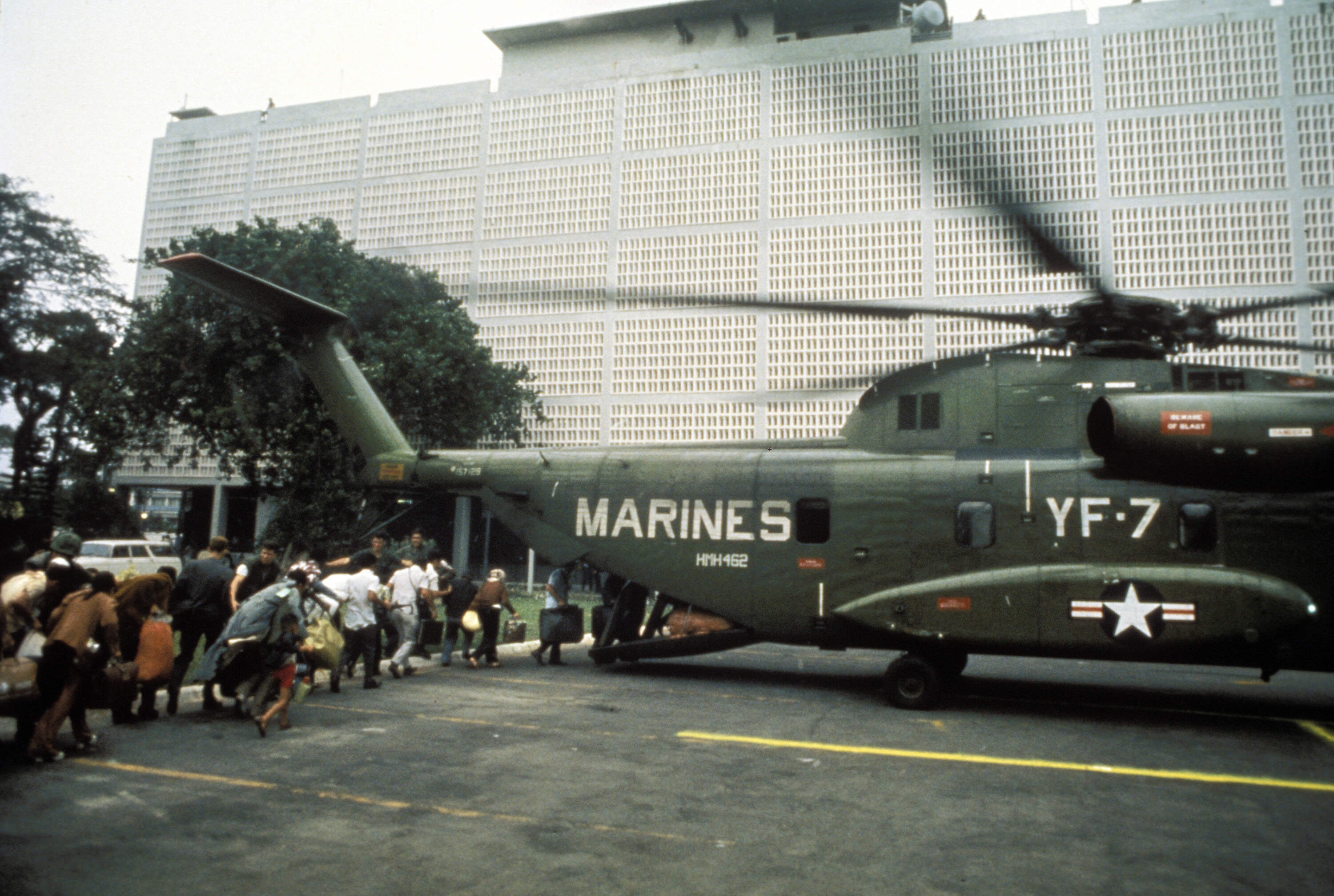
In the early morning of April 30, 1975, the only U.S. military service members who remained in Vietnam were several dozen Marines on the ground in Saigon. They were waiting to get out themselves.
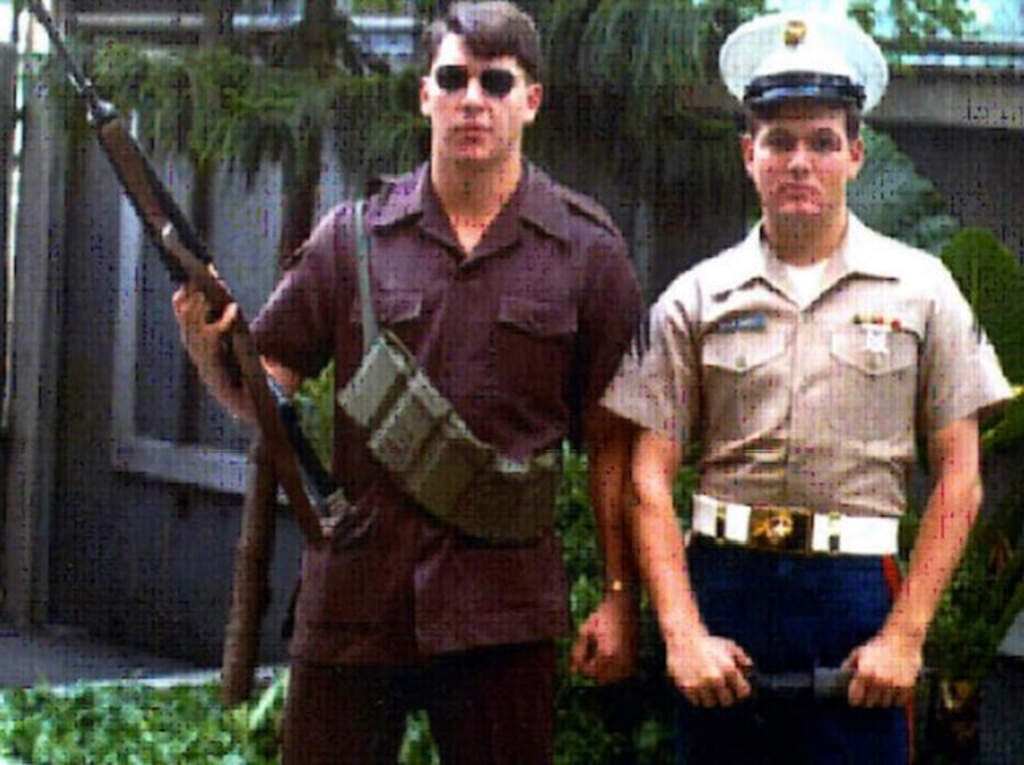
A handful were from Massachusetts, including John Ghilain of Medford.
Ghilain had joined the Marines right out of high school. He trained as a Marine Security Guard — a special corps dedicated to protecting American embassies and consulates around the world — and volunteered to go to Saigon in September 1974 at age 20.
“We were told, when I left, ‘You've got nothing to worry about, the war's over,’ ” Ghilain said. “The troops have been taken out, and there's nothing going on.’ ”
President Richard Nixon had withdrawn American combatants the previous year, in accordance with the Paris Peace Accords — and public opinion. But some Marines stayed to guard the U.S. Embassy and the Defense Department's Attaché Office at nearby Tan Son Nhut Air Base.
The situation in Saigon, Ghilain said, didn't line up with what he'd been told.
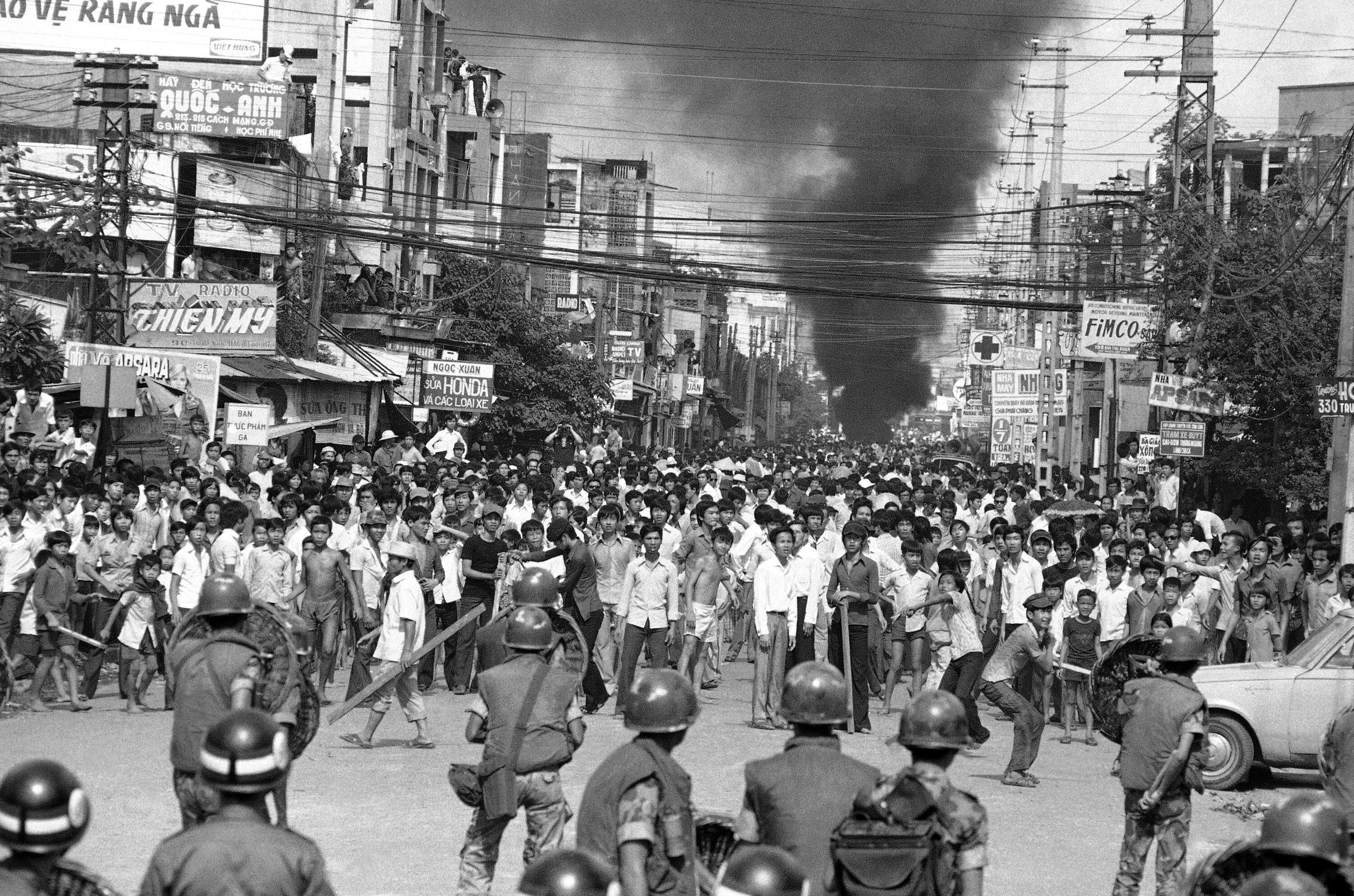
“I’m looking out the window as the plane’s going down the runway, and there’s anti-aircraft weapons, there’s sand bags, there’s armor everywhere,” Ghilain said. “And I went, ‘ “Boy was I told a lie.’ ”
In December 1974, two months after Ghilain's arrival, the communist forces of North Vietnam waged a successful assault for control of key transportation routes in the southern highlands along the Cambodian border, about 100 miles north of Saigon.
The limited offensive was also something of a test, to see if the U.S. would retaliate in spite of the peace agreement. When Congress — in the wake of the battle — voted against sending more aid to South Vietnam, the communists had their answer.
They would launch their final, decisive campaign against South Vietnam the following spring.
'Desperation' in the final hours
By April 1975, the air base had become the main evacuation point for Americans and others fleeing the advancing communists. Over several weeks, Marine guards oversaw the exodus of more than 50,000 people by plane — including some 3,300 Vietnamese infants and young children, to be repatriated among the U.S. and its western allies.
Then the air base was attacked.
“We could stand on the roof of the embassy, and see the tracers,” Marine Sgt. Bill Newell said.
Another Massachusetts native, Newell was at the U.S. Embassy, about four miles from the air base. “When it got really hairy was when they started throwing heavy artillery out — and that really disabled the airport.”
With the airport rendered inoperable, Newell, Ghilain and their fellow Marines were ordered to prepare the embassy for helicopters. They scrambled to turn the compound's yard into makeshift landing pads. They uprooted an old tamarind tree in the process, hauling it out of the way with a fire truck.
“We never expected [evacuees] to go out of the embassy,” Newell said. "That was never the plan."
It was now the morning of April 29. Communist forces had encircled Saigon.
In the city, desperate crowds massed at the barred gates and around the compound's 10-foot perimeter walls topped with razor wire. But only those with the right credentials or connections were allowed over. Most who tried to scale the walls were shoved back down by the Marines.
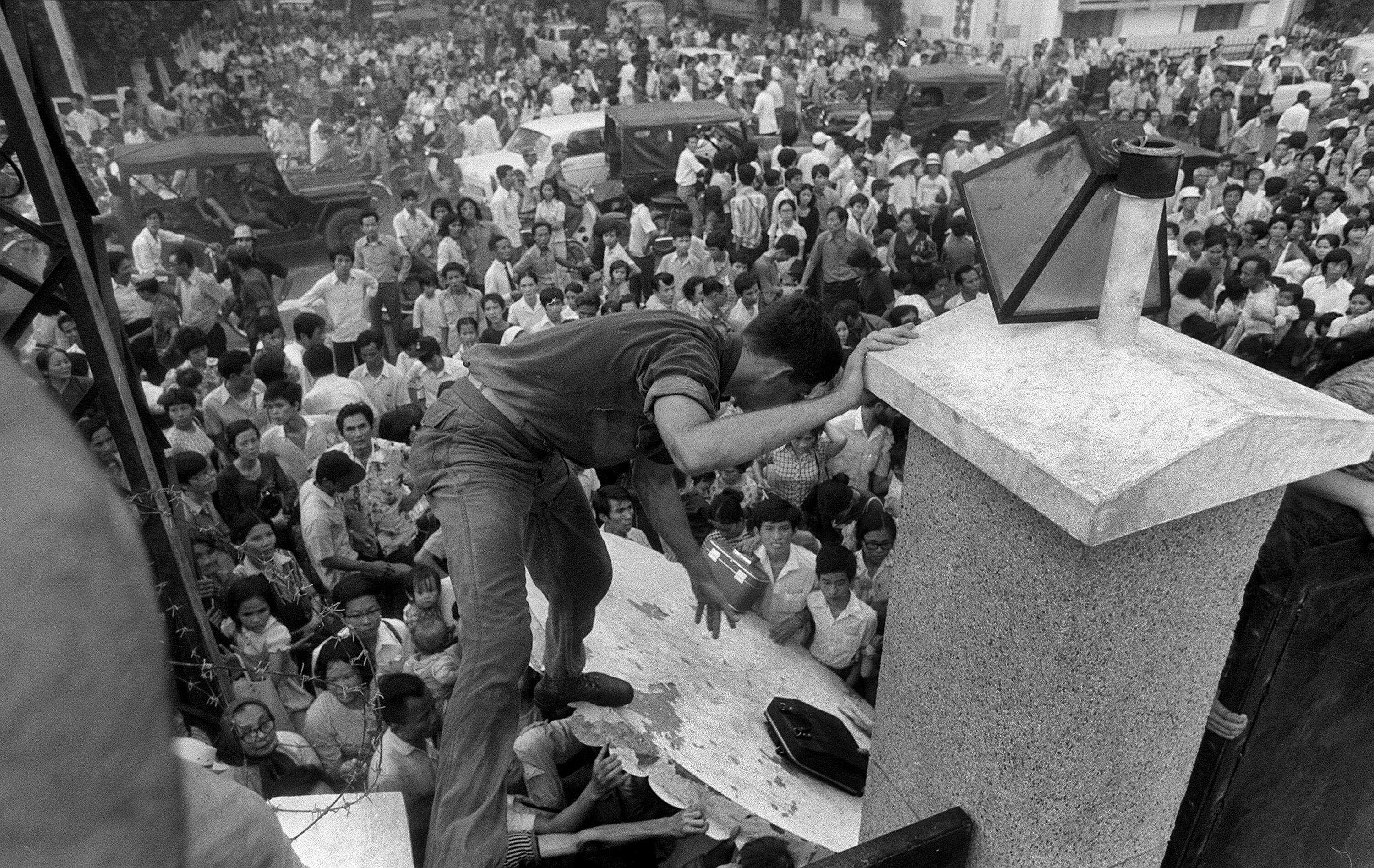
“It was controlled pandemonium,” Ghilain said. “They're all holding paperwork showing that they worked for the government, and you're trying to get them in without allowing unknown people in as well.”
Those lucky enough to make it inside the compound formed an orderly line, waiting for the next helicopter out. Among the top priority were U.S. intelligence operatives and the families of embassy officials. They were joined by western journalists, aid workers and Vietnamese nationals who'd convinced the guards of their loyalty to the U.S. war effort — and fear of communist retribution.
“People were very desperate,” Newell said. “Women wanting to hand us their children and babies through the iron gates, you know, ‘Take my child.’ ”
Some of this desperation, Newell said, stemmed from the dire situation unfolding concurrently in neighboring Cambodia, where the communist Khmer Rouge led by future dictator Pol Pot had begun a campaign of extermination against society's educated and upper classes.
“People were very desperate. Women wanting to hand us their children and babies through the iron gates, you know, ‘Take my child.’ ”
Bill Newell
“Cambodia fell about a month before Saigon,” he said. "And the distance from Saigon to Phnom Penh [Cambodia's capital] is about the distance from Boston to Hartford.”
Among the crowd were also deserters from the South Vietnamese Army.
“They were just dropping the uniforms right there in the street,” Newell said. “A lot of armed individuals.”
The Marines were under orders not to open fire — and they never did.
Over more than 18 hours, dozens of choppers ferried more than 7,000 people to the U.S. Navy ships waiting offshore in the South China Sea.
And then President Gerald Ford had seen enough. The helicopter crews had been flying nonstop round the clock, and the odds of an accident grew with each passing hour.
Despite the hundreds of loyal South Vietnamese still waiting in the staging area, President Ford ordered the evacuation to halt.
“We thought that we were gonna have three more lifts to get them out,” Ghilain said. But no more helicopters were coming, and the 20-odd Marines left to guard the embassy began an orderly retreat inside the building.
“I looked at those people as we were backing in,” he said. “And the fear that overcame their faces — is still in my memory.”
The Marines barricaded the door, and climbed up to the roof to wait their turn.
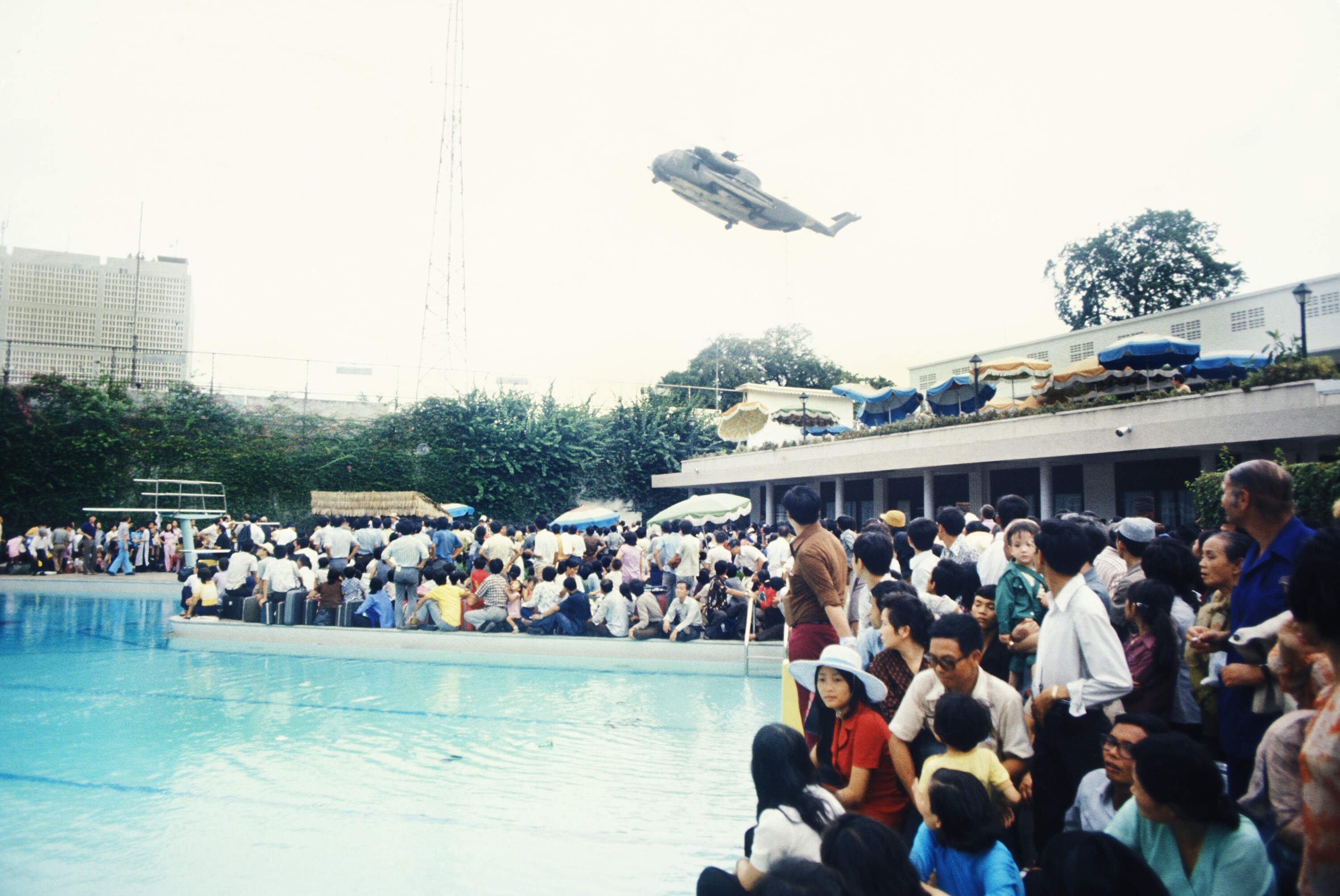
Their radio was dead. Only silence from the helicopters and ships out at sea, while in their absence, the crowds below breached the embassy gates to ransack the compound, and then the building itself. Those who tried to climb up to the roof met stiff resistance from the Marines.
'Now you’re really thinking about your fate'
It was in the pre-dawn hours of April 30, with little to do but pass around a bottle of Johnny Walker, when the rumination set in.
“We were like, 'Did they forget us?' ” Ghilain said.
“... the fear that overcame their faces — is still in my memory.”
John Ghilain
It was the first time in nearly 48 hours, said Newell, that they'd had a moment to think beyond their duties. The work had consumed them, leaving no time for fear.
“But in the end — in the final hours — there's nothing to do,” Newell said. “And now you’re really thinking about your fate.”
Sometime between 7 a.m. and 8 a.m. on April 30, 1975 — 50 years ago today — the helicopters finally returned for the last Marines from Massachusetts.
The Republic of Vietnam, widely known as South Vietnam, capitulated to North Vietnamese forces that same day.
The war had cost the lives of more than 58,000 U.S. troops and as many as 3.5 million Vietnamese — military and civilian.
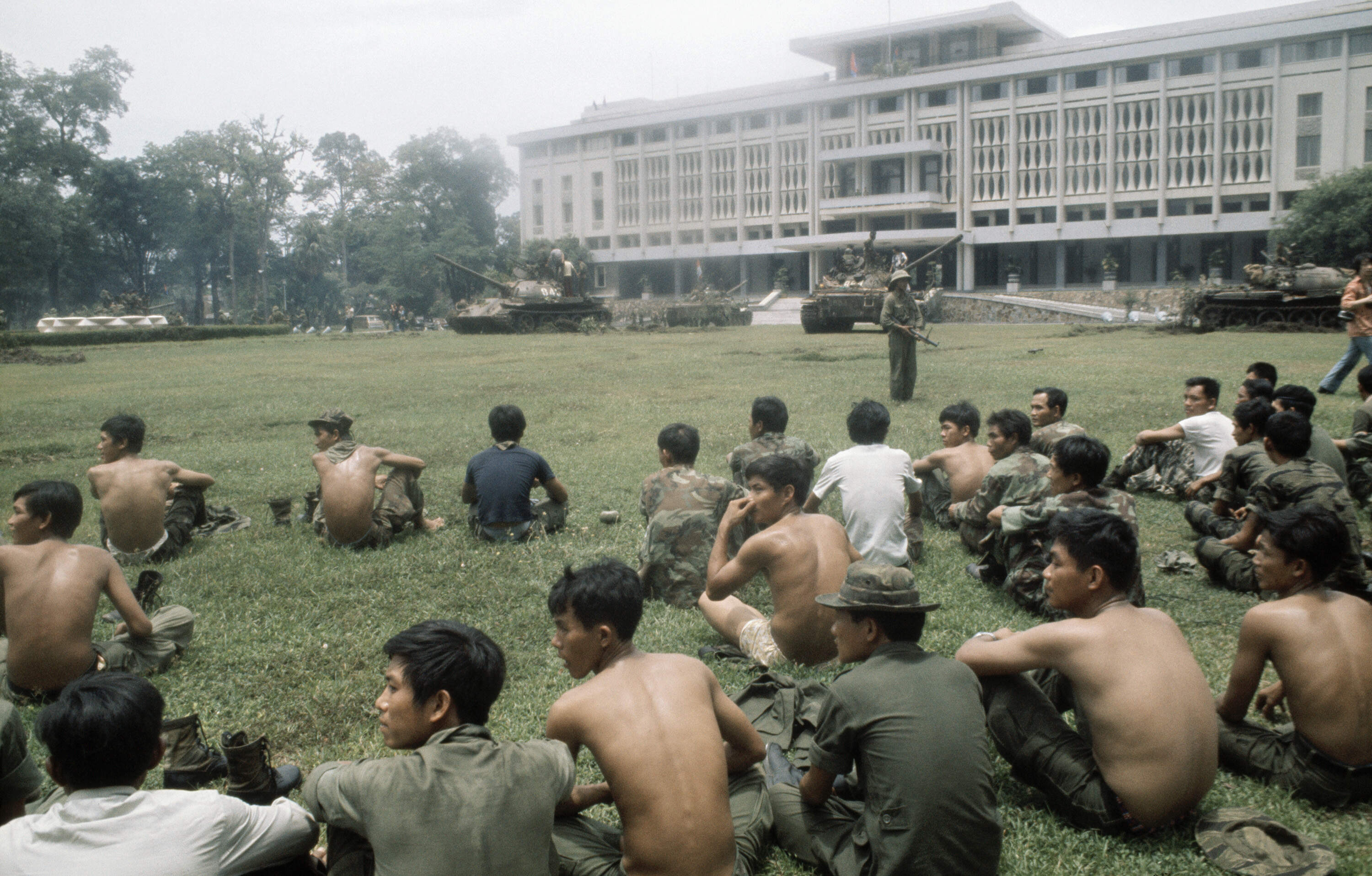
On April 30, 1975, two Marine helicopter pilots would be the final American service members to perish in the war, when they crashed into the South China Sea. The remains of Capt. William Craig Nystul, and 1st Lt. Michael John Shea were never recovered.
The last U.S. Marines to die on Vietnam soil were Lance Corporal Darwin Lee Judge of Marshalltown, Iowa, and Corporal Charles McMahon of Woburn — in a rocket attack at Tan Son Nhut air base one day earlier.
For Sgts. Newell and Ghilain, the memory of their fallen comrades is never far away.
“For me, it's hard,” Ghilain said. "We lost somebody that lived close by — Charlie — and Darwin, who came from Iowa. Two people that were in country less than 12 days. ... and you can't fathom why. It still bothers me.”
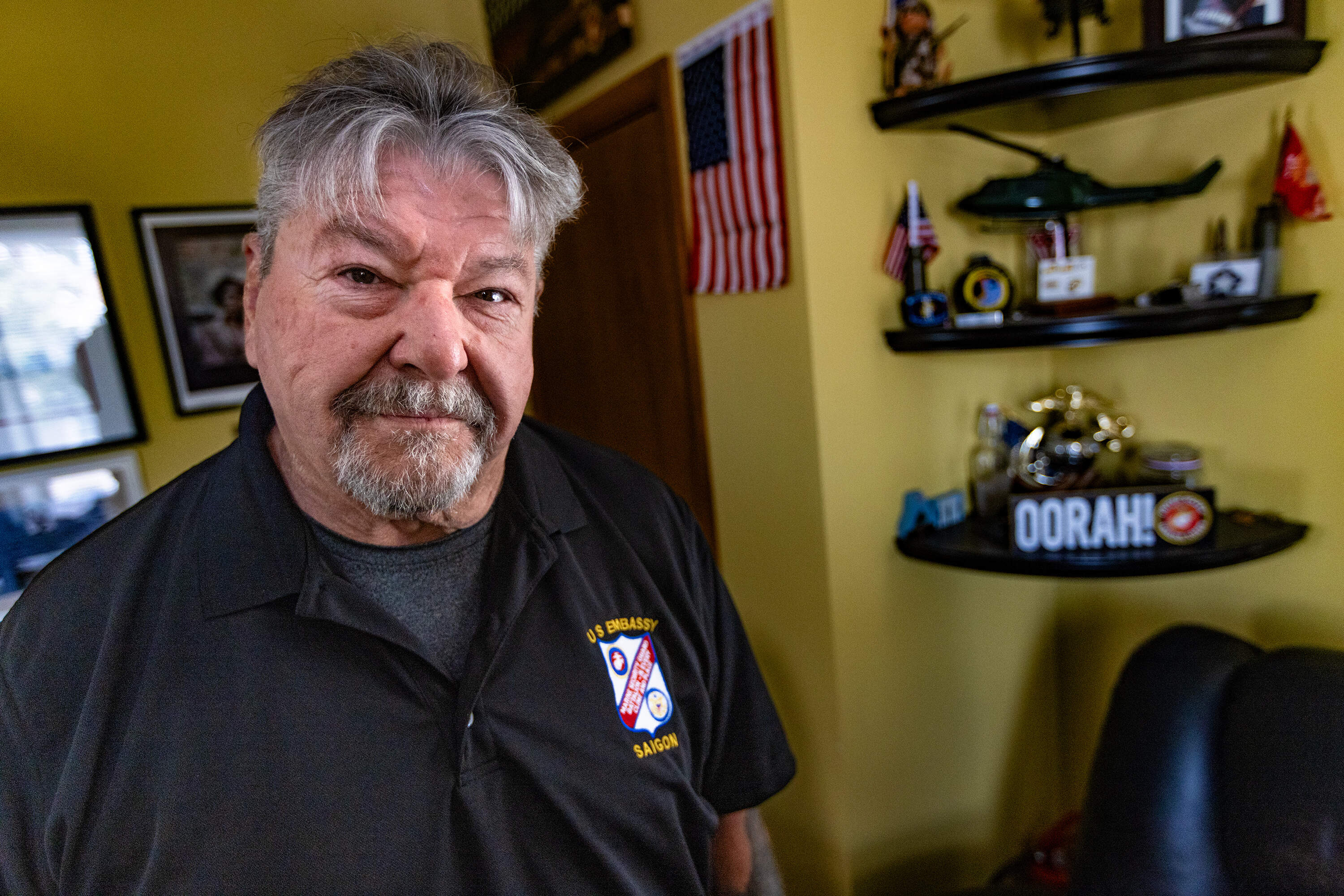
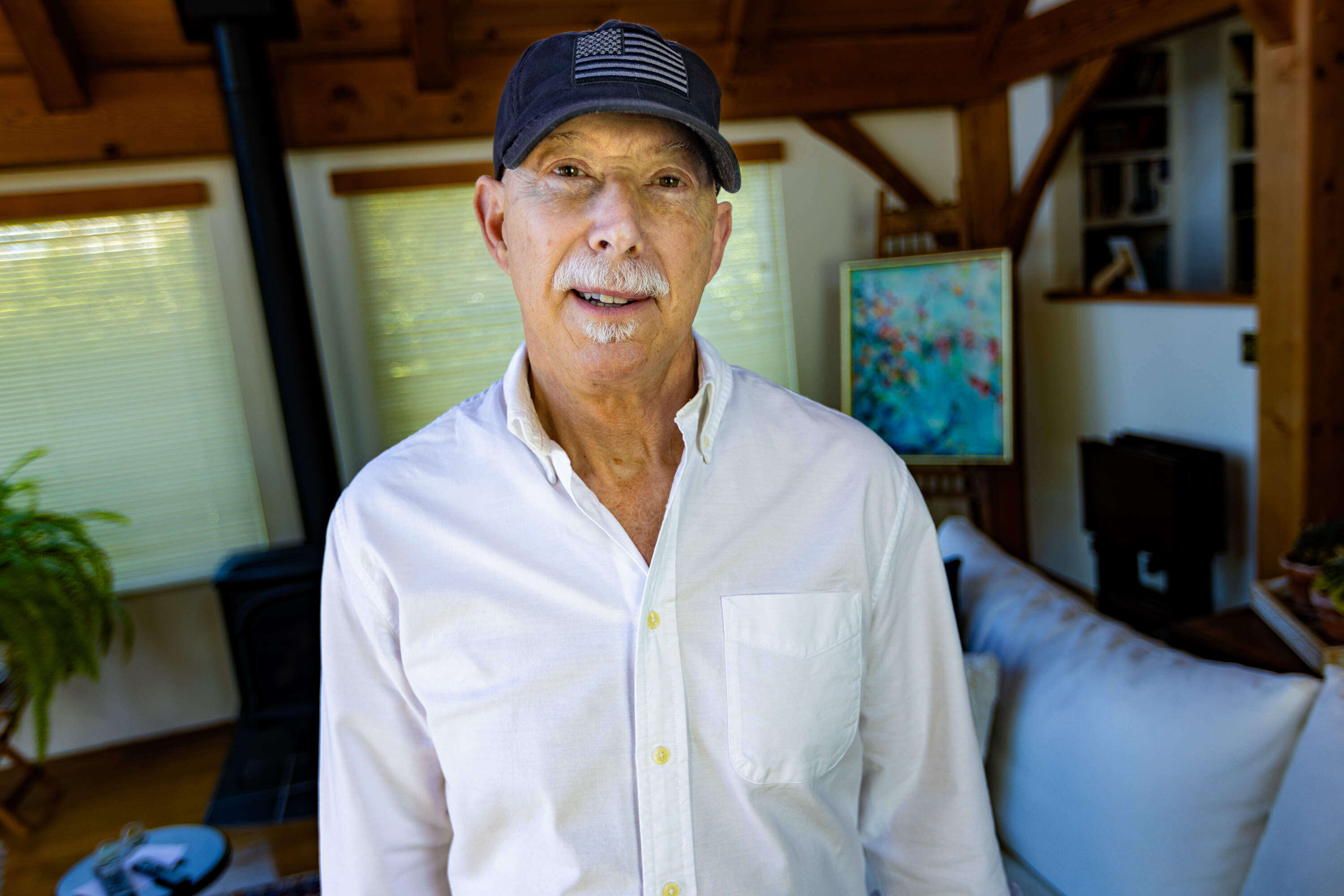
Newell and Ghilain were discharged from the Marines in 1976 and 1977 respectively. Ghilain was a longtime police officer in Medford; Newell, an investment adviser. Both are retired and live in Massachusetts.
They now see the U.S. military action in Southeast Asia as woefully misguided.
“It was a failure of American foreign policy, period," Newell said. "We shouldn't have been there. It was wrong.”
These feelings surfaced again in August 2021, during the last days of the U.S. airlift out of Kabul, Afghanistan. After nearly 20 years of war there, 13 U.S. troops and 170 Afghans were killed — and as in Vietnam, many Afghans loyal to the U.S. were abandoned.
“You look at it, and you just turn around and say, ‘Well, the U.S. government learned nothing from the past experiences they went through,’ ” Ghilain said. “Nothing at all.”
This is part two in a series marking 50 years since the fall of Saigon and the end of the Vietnam War.
This segment aired on April 30, 2025.