Support WBUR
WWII-era queer and trans history inspired debut novel
The Allied powers freed German concentration camps in 1945 — except for queer and trans prisoners. Survivors with pink or black triangles on their uniforms suffered the injustice of further imprisonment because the Allies upheld the Nazis’ harsher anti-LGBTQ+ laws. Author, educator and former Massachusetts Cultural Council fellow Milo Todd couldn’t believe this piece of history when he learned about it in 2016. But after he confirmed the truth and dove deeper into research, this period of queer and trans history became the foundation for Todd’s debut novel “The Lilac People.”
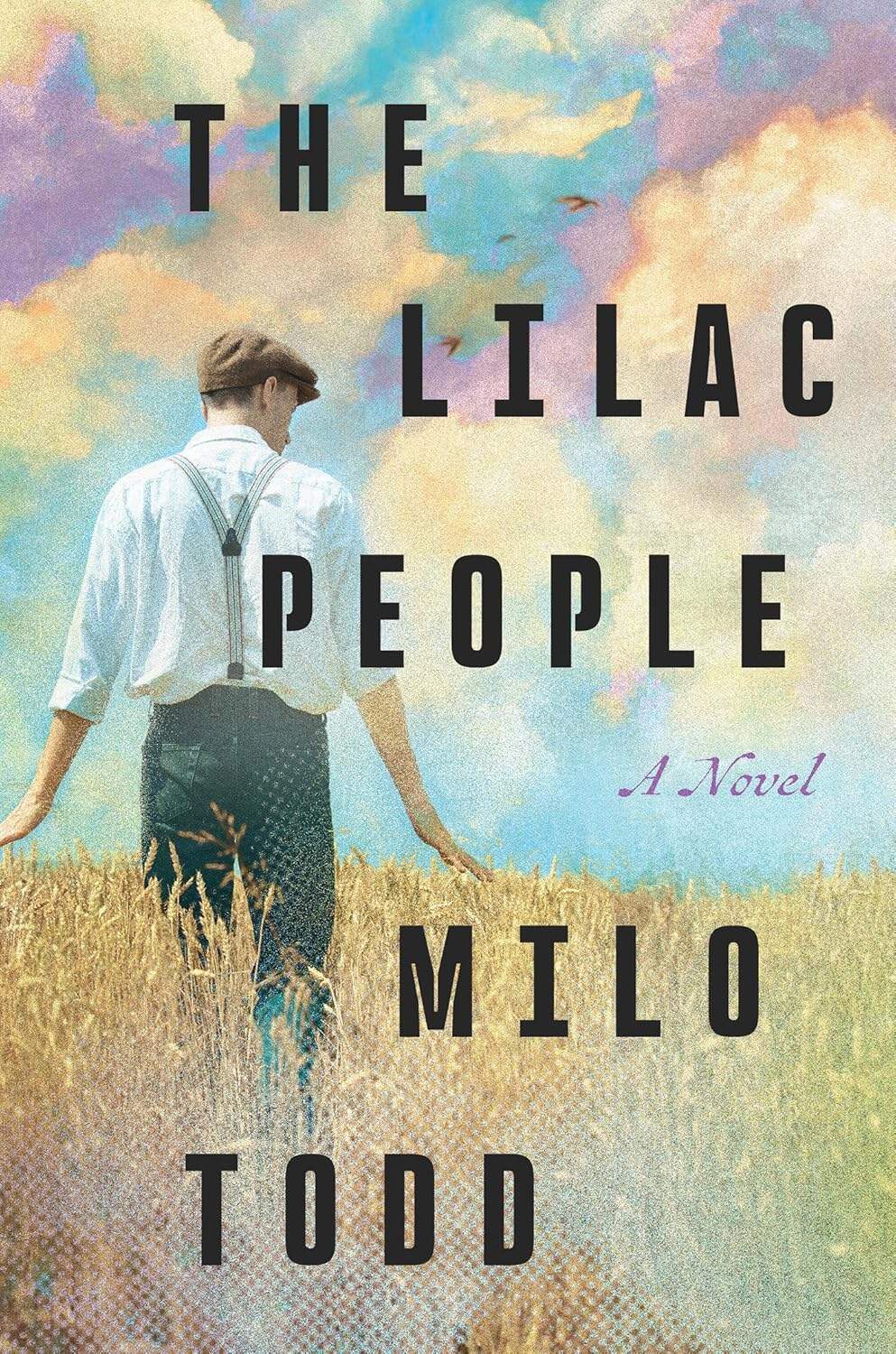
Told in dual timelines, “The Lilac People” is a story about the survival, resilience and enduring hope of two trans men and one queer woman before and after World War II. The novel opens two weeks after Germany surrendered with protagonist Bertie and his life partner Sofie finding Karl, an emaciated man who escaped the Dachau concentration camp fleeing from the Allies — not the Nazis. This news is an obscene betrayal of the country’s hard-won prewar LGBTQ+ rights.
In 1932, Bertie lives openly as a transmasculine Berliner. He carries a license to wear men’s clothes in public and he stumbles into a meet-cute with Sofie at the world-famous Eldorado, one of the city’s many LGBTQ+-friendly jazz clubs. Now, caught between accusations of Nazi sympathy or their real identities being discovered, Bertie, Sofie and Karl must steal away on the last boat to America before the borders close or risk certain punishment by Ally soldiers.
With a deftness that leaves readers on a knife’s edge, Todd cascades these two plots until they crash together in the devastating middle. But “The Lilac People” carefully avoids becoming an onslaught of trauma without reprieve. Todd carves out moments of trans joy and queer happiness for Bertie to defiantly hold onto while atrocities attempt to break his spirit.
Book burnings and LGBTQ+ history
Bertie may be fictional but Todd rooted the character’s experiences in real-world settings and historical events. “With something so big like the Holocaust, people sadly become a statistic,” says Todd. “I wanted to make this history more accessible in the form of fiction, in a more personalized narrative.”
The LGBTQ+ community was steadily gaining public acceptance under the Weimar Republic thanks to Magnus Hirschfeld and his Institute of Sexual Science — Bertie’s workplace in the prewar plotline. The real Hirschfeld is largely considered one of the pillars of the modern LGBTQ+ rights movement. Publishing groundbreaking research about transgender identities in 1910 and homosexuality in 1914, he was one of the first doctors in Western history to recognize sexuality and gender identity as separate, distinct orientations. Founded in 1919, the Institute of Sexual Science quickly became internationally renowned for its scientific study, public education and advocacy for the LGBTQ+ community, sexual health and inclusive medical treatment, including the world’s first recorded gender-affirming surgeries.
But LGBTQ+ civil rights ricocheted from progressive to deadly under the Nazis’ ascent to power. Hitler even called Hirschfeld “the most dangerous Jew in Germany.”
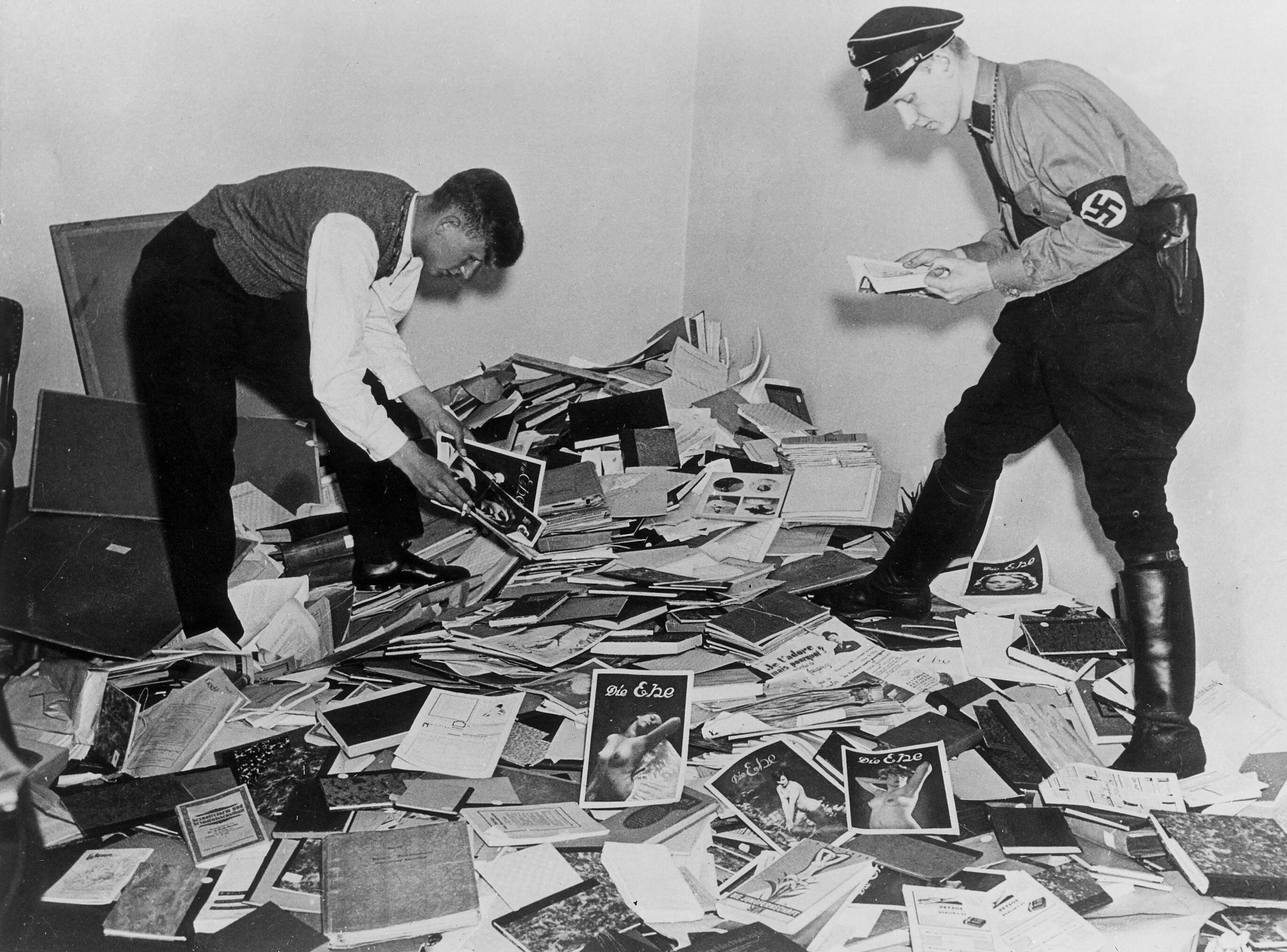
It’s difficult to understate the profound loss of LGBTQ+ history as a direct result of Nazi book burnings. On May 6, 1933, more than 100 students targeted the Institute for Sexual Science’s library for one of the first demonstrations. The collection contained 35,000 photographs, thousands of personal clinical files, and over 20,000 books and journals by and about queer and transgender people from around the world — many of which were rare or the only known surviving copies.
“History books around the world would use the footage of the ‘cleansing by fire’ night to discuss censorship and fascism,” Todd says. “But the captions, quite ironically, never mentioned what exactly was being censored and burned.”
Today, a book burning or digital purge couldn’t permanently erase decades of research like the destruction of the Institute for Sexual Science’s library did. But the U.S. is currently seeing a related trend — a sharp increase in book bans, many of which object to trans and queer content. The American Library Association reported that 2,452 unique titles were challenged in 2024 compared to the annual average of 273 unique titles in the years between 2001–2020.
“The censorship of books and media is step one for removing people from society,” Todd says, speaking of the historical pattern that occurs when a society starts to dehumanize a certain demographic.
“Art can open up people’s minds, give them another perspective,” Todd says. “It’s a good combat against fascism. It reflects the well-being of a society to invent and grow and make things. This is why it’s the first thing authoritarian regimes try to take out.”
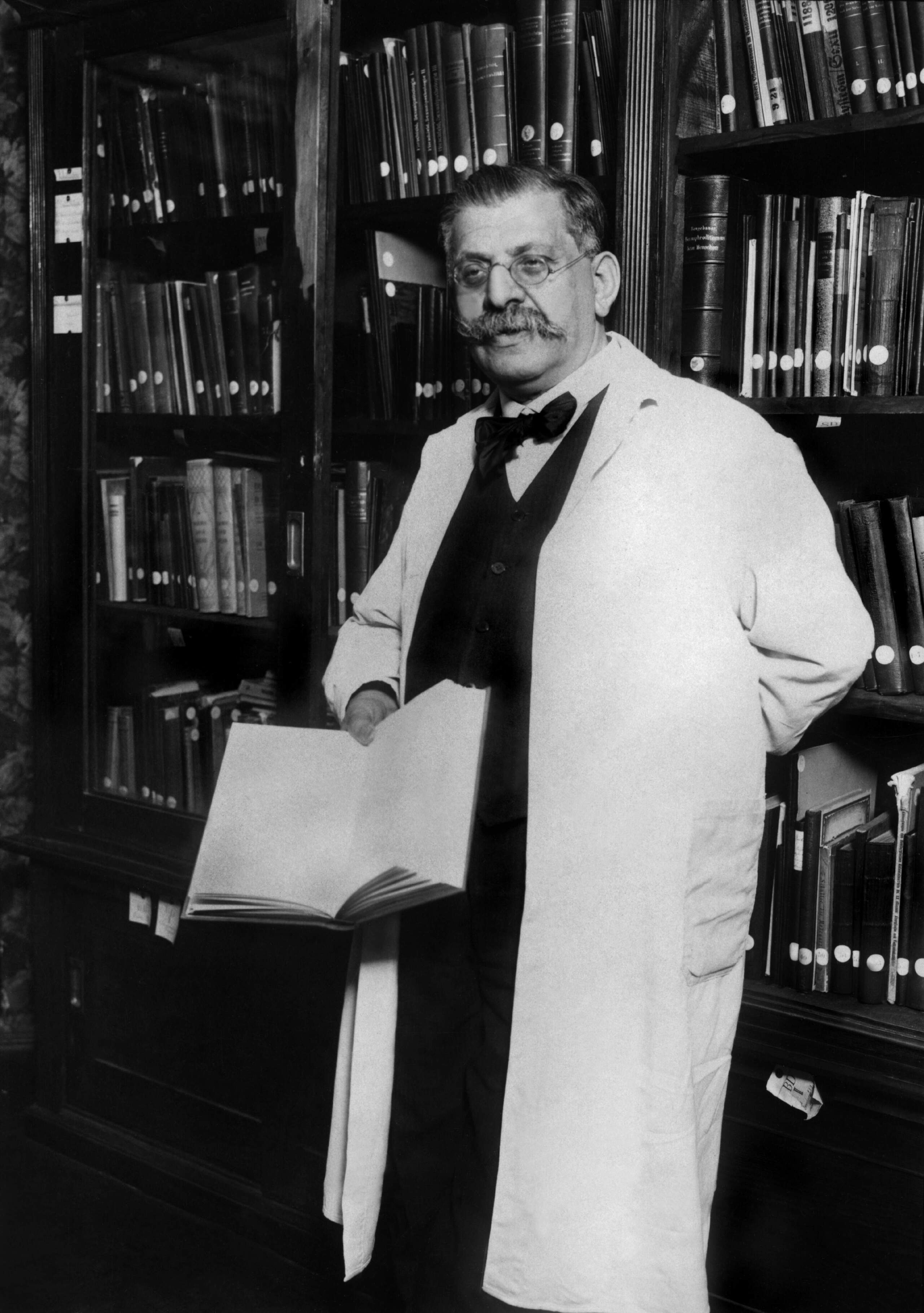
“The Lilac People” includes some meta commentary about the public treatment of the transgender community as a benchmark of a society’s health. In “The Lilac People,” the character Magnus Hirschfeld says, “A country is only as strong as its most vulnerable people…Bad people always go after [trans people] first, no matter the country or culture.”
The real Hirschfeld advocated to repeal Germany’s laws that criminalized homosexual acts as early as 1897 (when sexuality and gender nonconformity were widely conflated), gaining support from Albert Einstein and thousands of others. But Todd says, “the reality is that Hirschfeld was a complicated sexologist,” noting Hirschfeld’s “messy and tangled relationship to racism, misogyny, and eugenics” explored in historian Laurie Marhoefer’s research and book “Racism and the Making of Gay Rights.”
Todd’s own research inspired him to start teaching courses on trans history, treatment and public perception. What started as standalone classes eventually culminated in a 13-week curriculum Todd taught at Tufts University’s Experimental College this spring called “Transcestors: Trans History, Narrative & Influence.” Todd also centers his fellow trans and queer community in his creative writing courses at GrubStreet Center for Creative Writing, MetroWest Writers’ Guild, Lambda Literary and elsewhere. (Note: This writer has taken writing classes from Todd at GrubStreet.)
The power of queer community
There came a point in Todd’s historical research when he planned to go to Berlin to translate surviving primary source materials into English. But when that 2020 trip was inevitably cancelled due to the pandemic, he turned to research scholars like Ralf Dose at the Magnus Hirschfeld Society. “It was this beautiful moment of queers helping queers — something we’ve done all throughout history,” Todd says.
This message is infused into “The Lilac People,” a love letter to the queer community past, present and future.
“One of the reasons I kept with the book even though it was difficult was because I was honoring and remembering all these nameless faceless people who lived their lives as best they could,” Todd says. “We have the things that we have today because of the gender nonconforming people before us. I’m thinking about how thrilled they would be if they could see where we are now. And how proud they’d be of us for fighting the good fight now.”
Todd coined the catchphrase, “The ghosts of history are watching, kissing our foreheads.” He also points out how the LGBTQ+ communities of today will become the historical stalwarts of tomorrow.
“One day, there will be future generations looking back on us,” Todd says. “We may be nameless and faceless, but they will think ‘I have what I have now because of you.’”