Support WBUR
A movie marathon examines motherhood's complex dimensions
If your mom is anything like mine and doesn’t have the stomach for the Brattle Theatre’s annual Mother’s Day screening of “Psycho” — a cheeky tradition topped only by their Father’s Day presentations of “The Shining” — you’ll have plenty of less grisly movie options on the other side of the square this year. The Harvard Film Archive’s Mother’s Day Mini-Marathon runs from Friday, May 9, through Monday, May 12, featuring seven 35mm prints of big screen classics examining motherhood in all its complex and sometimes maddening dimensions. According to the HFA’s Kelley Dong, “The films in this series take apart the naturalization of maternal suffering by foregrounding what lies beneath the noble appearance of sacrifice: obsession bred by a fear of rejection, resentment towards the family unit as a usurper of autonomy.”
In other words, it ain’t easy being your mom.
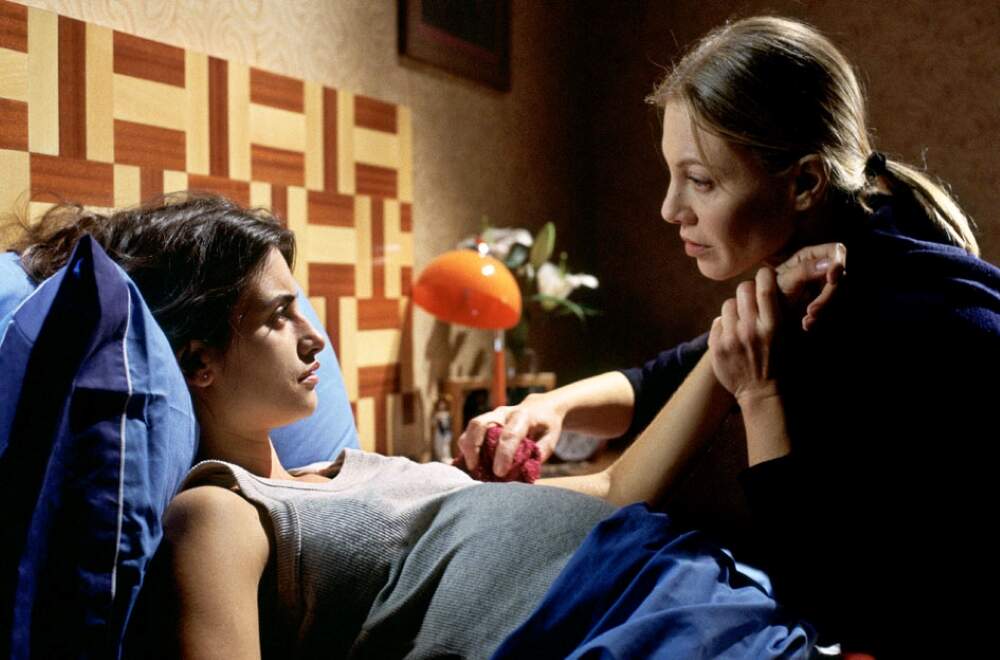
The festivities kick off Friday night with Pedro Almodóvar’s wondrous “All About My Mother” (May 9). The 1999 film marked a pivot in the career of Madrid’s bad boy auteur, a refinement of his anarchic, nuevo John Waters farces into the stuff of high melodrama that won the filmmaker his first Oscar. The stunning Cecilia Roth stars as a grieving mom returning to her old stomping grounds in Barcelona to find the estranged father of her teenage son, who was struck and killed by a car while trying to obtain the autograph of his favorite actress after a performance of “A Streetcar Named Desire.”
The spirit of Tennessee Williams looms large over the proceedings — as does the film’s namesake “All About Eve”— while Almodóvar entwines a bustling, interconnected crew of trans sex workers, cabaret singers and stage actresses in a tear-jerking meditation on maternal instincts and the art of performance, all anchored by a pregnant nun with AIDS played by a never more luminous Penélope Cruz. It would take an entire afternoon to try and recap the plot, so let’s just say there are few more moving depictions of the kindness of strangers.
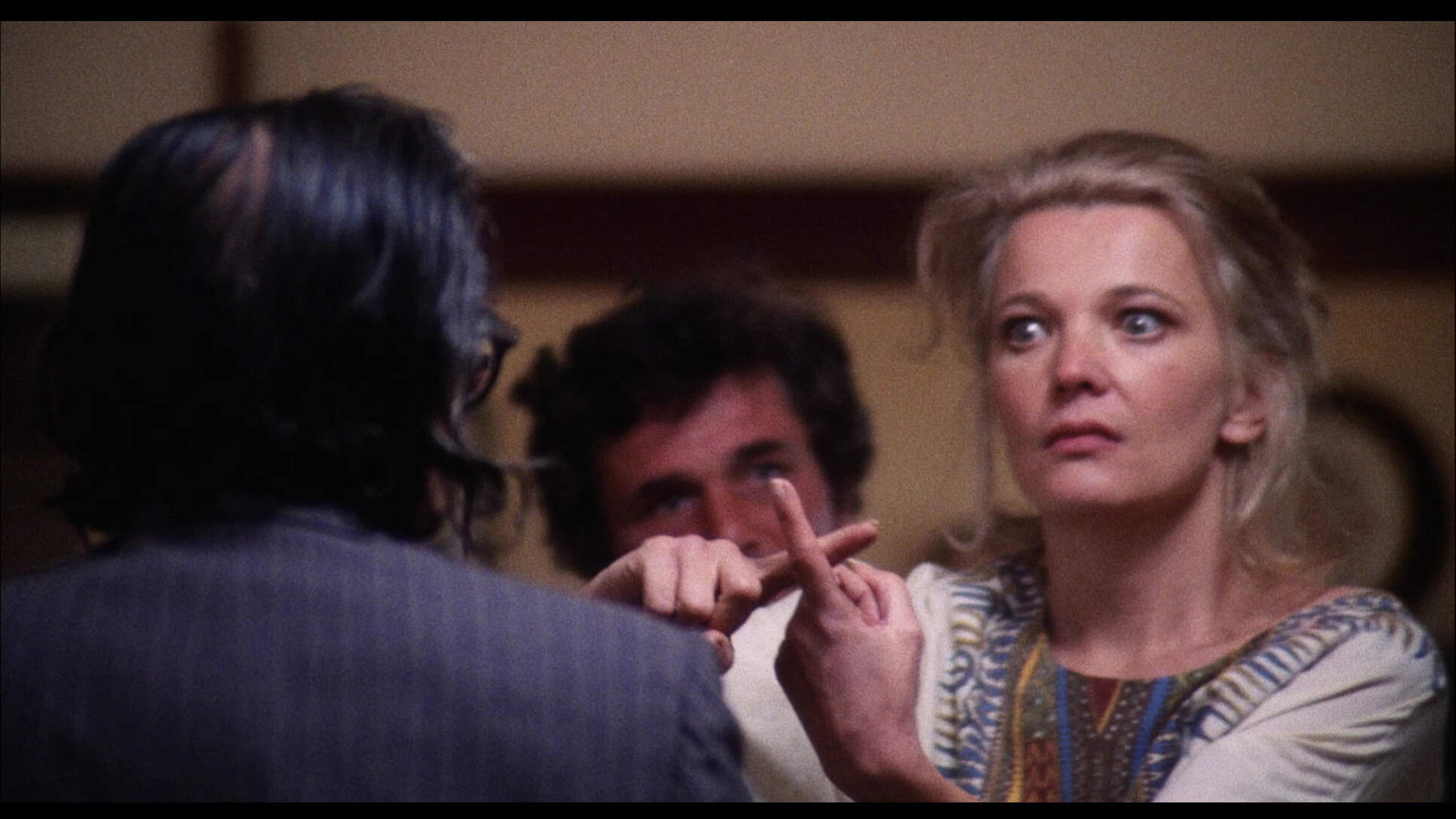
Gena Rowlands is one of the actresses thanked for providing inspiration in the closing credits of Almodóvar’s film, and many consider her work in 1974’s “A Woman Under the Influence” (May 11) to be among the greatest performances ever captured on film. You won’t find any argument here. The work Rowlands did with her husband, writer-director John Cassavetes, blew out the boundaries of screen acting into something bigger, rawer and more dangerous than we’d seen before or since, both larger than life and more brutally intimate. Rowlands’ Mabel Longhetti is the original desperate housewife, buckling under the expectations of a societal role she has no idea how to play. Peter Falk is heartbreaking as her husband, trying to keep up appearances while achingly in love with a woman he can’t comprehend.
That same year, Cassavetes’ young protégé, Martin Scorsese, ditched the mean streets of New York City for a diner in Tucson, Arizona. To date, “Alice Doesn’t Live Here Anymore” (May 10) remains the only Scorsese movie to spawn a sitcom that ran for nine seasons on CBS, and the director’s rough-and-tumble update of a 1950s “women’s picture” for the second wave feminism of the 1970s admittedly looks like something of an outlier in his career. Yet “Alice” is animated by the same tensions between Hollywood formulas and street-level reality that fuel most Marty movies. Ellen Burstyn won an Oscar for her work as a recently widowed mother of a bratty 13-year-old boy, working as a waitress while trying to rekindle long dormant dreams of a singing career.
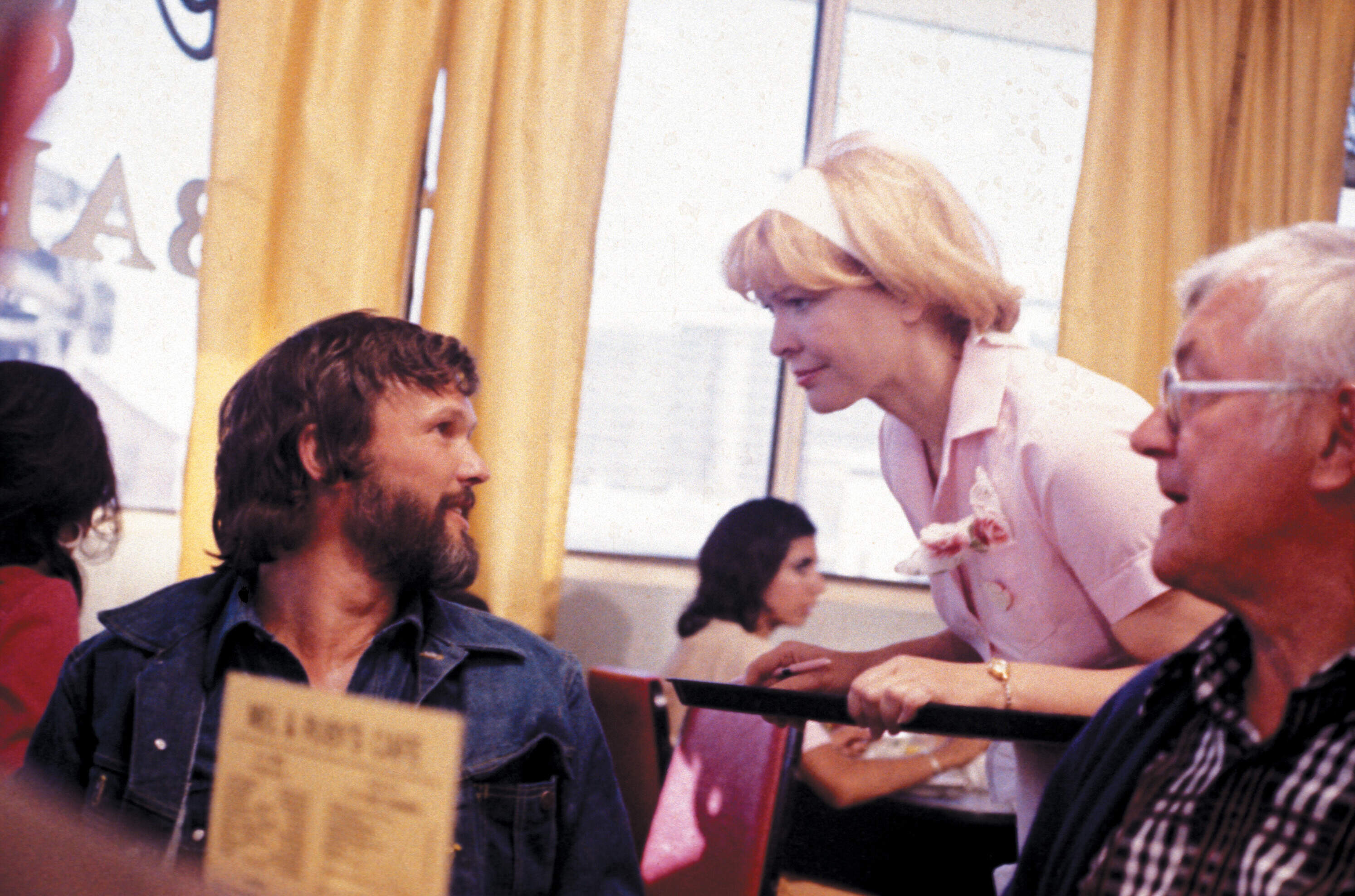
The film has a fractious energy, as everyday struggles and that annoying kid complicate Alice’s storybook romance with a hunky rancher played by Kris Kristofferson. Diane Ladd steals the movie outright as tough-talking co-worker Flo — whose catch phrase “Kiss me where the sun don’t shine” became the more broadcast-friendly “Kiss my grits” for the CBS show. Scorsese’s future “Taxi Driver” co-stars Harvey Keitel and Jodie Foster show up in supporting roles, and watch for Ladd’s 7-year-old daughter Laura Dern eating ice cream in the background.
The crumbling New York of that era gets a long, loving look in Chantal Akerman’s 1976 “News From Home” (May 10). A year after making film history with “Jeanne Dielman, 23, quai du Commerce, 1080 Bruxelles,” Akerman took her camera into the graffiti-strewn subway cars and crowded Manhattan streets, while reading aloud on the soundtrack some old letters from her mom. The innocuous missives are full of quotidian family business and amusingly passive-aggressive appeals to write back more often, but combine with the visuals to create a haunting portrait of dislocation. We hear a mother’s voice calling out for connection, unanswered and drowned out by traffic and trains.
Hard to believe it was 15 years and four Academy Awards ago that director Bong Joon Ho brought his “Mother” (May 10) to the Harvard Film Archive. The underseen thriller stars South Korean TV legend Kim Hye-ja as a determined mom trying to prove the innocence of her son, a developmentally disabled young man accused of murder. Bong conceived the movie as a riff on “Mildred Pierce” (May 11), director Michael Curtiz’s noir-inflected 1945 melodrama starring Joan Crawford as the most tirelessly devoted mom in Hollywood history. Crawford won her only Oscar for the role, and the performance is even more impressive if you’ve seen “Mommie Dearest” and know how she treated her daughter in real life.
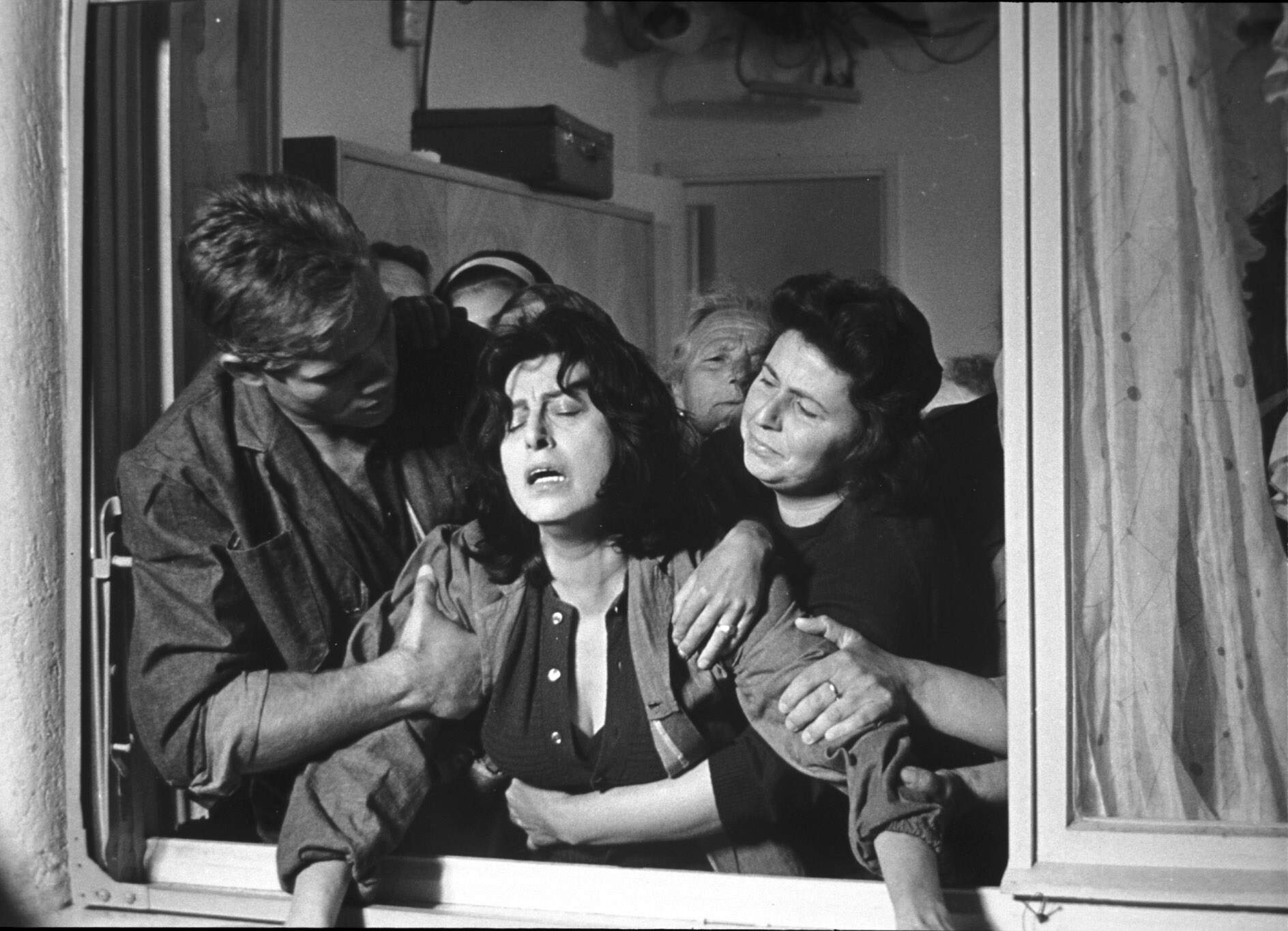
The HFA series wraps up on an audacious note with Pier Paolo Pasolini’s 1962 “Mamma Roma” (May 12). Banned for obscenity upon its initial release, the film blows up Freud’s “Madonna-whore” complex by creating a lead character who’s both. Anna Magnani stars as a former sex worker trying to keep her past a secret from her teenage hoodlum son, using old tricks of the trade to maneuver him away from what she considers bad influences. Emblematic of ‘60s Italian cinema’s expressionistic growth out of gritty, postwar neorealism, the film is awash in images juxtaposing the sacred and the profane.
Callow young Ettore steals from his mother to buy a necklace of the Madonna and Child for a slatternly neighborhood girl. In classic Pasolini fashion, we see the pendant positioned provocatively upon her cleavage. The film’s final segment goes full Passion Play, including a faux crucifixion in which Magnani’s character serves as both Magdalene and Mary. As my Italian relatives say, “Madone!”
The Harvard Film Archive’s Mother’s Day Mini-Marathon runs from Friday, May 9, through Monday, May 12.