Support WBUR
Harvard ended support for affinity graduations. These students kept the tradition alive
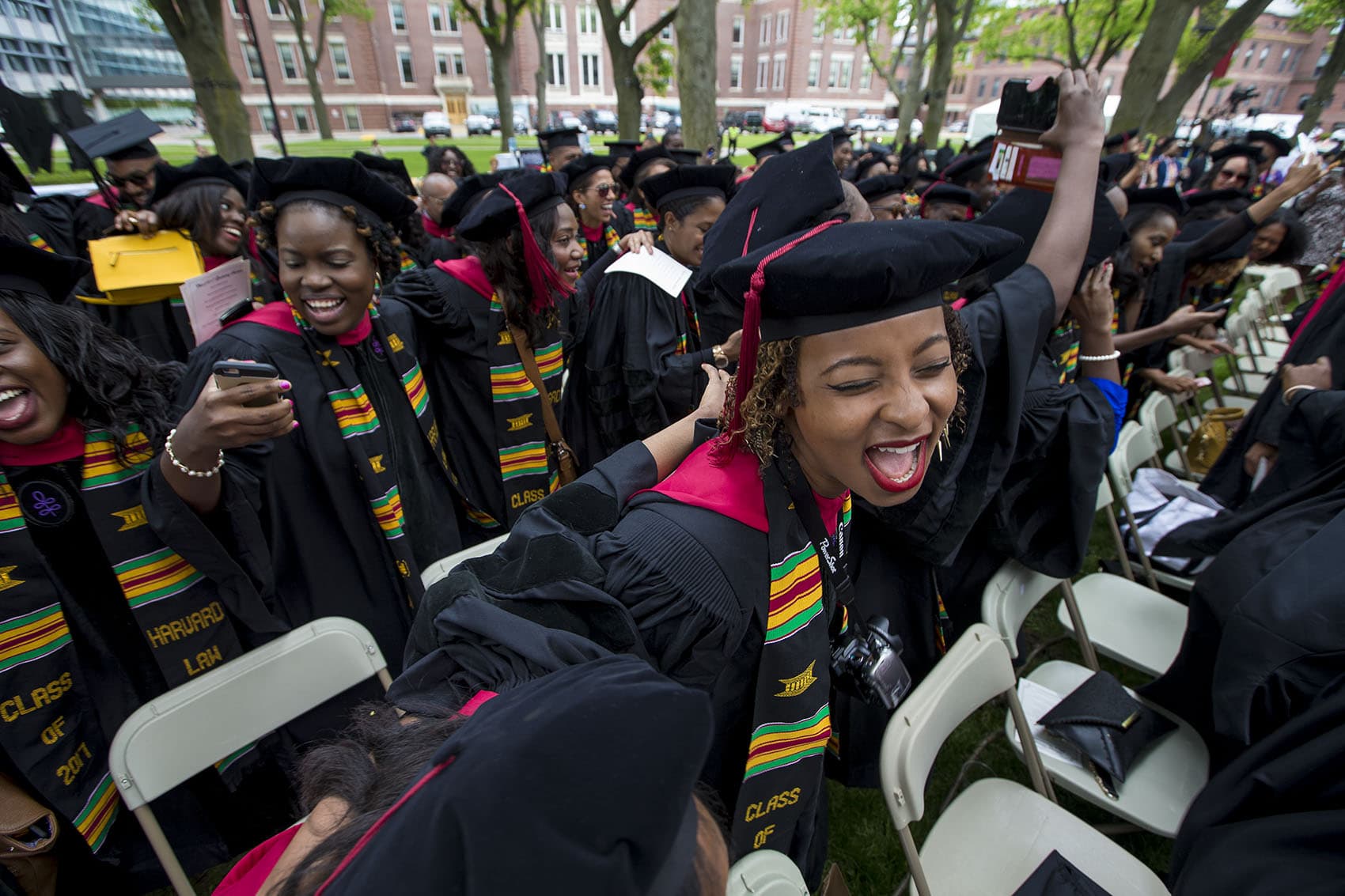
Barika Edwards recalls the day a professor draped a brightly colored stole around her shoulders several years ago. She received the fabric sash during a celebration honoring Harvard’s Black graduates.
“I will never forget that first moment of being in Sanders Theater, surrounded by over a thousand people, family members and graduates that look exactly like me,” she said.
Next week, the Kennedy school student will graduate from Harvard again — this time with her masters — and hopes to relive that moment.
But affinity graduations like the one Edwards took part in almost didn’t take place this year.
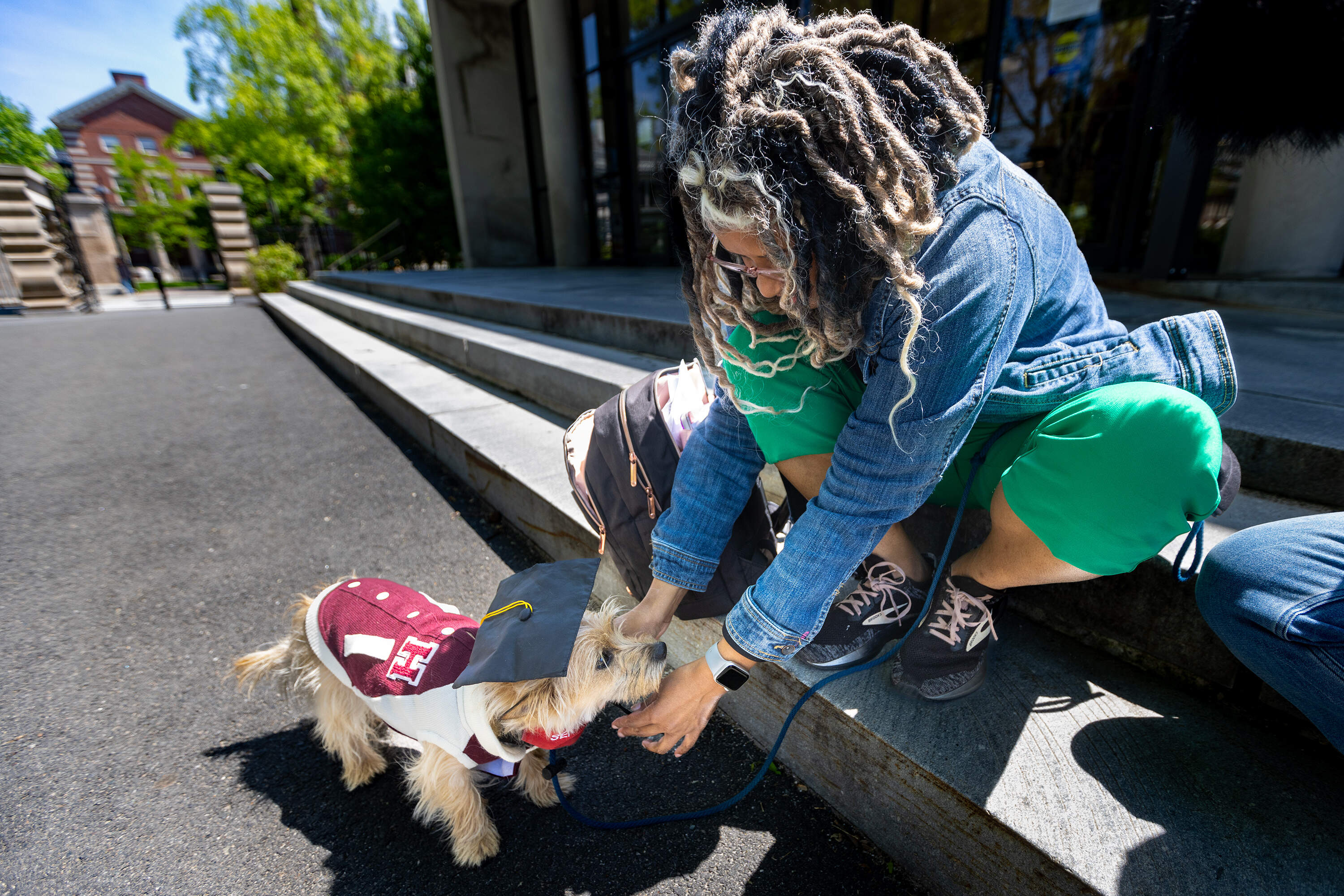
University administration announced in late April it would end all support for these events. An update from Harvard’s Office of Community and Campus Life announcing the change said the school instead “is building inclusive traditions that reflect the richness of every student’s experience and reinforce our shared identity as one Harvard community.”
A Harvard spokesperson declined to comment on the decision to end university support for the celebrations.
Some students were caught off guard by the cancellations. Others had expected the news. But those determined to save the tradition were left with a nearly impossible task: plan an event the size of a wedding during final exams.
"We're in such a tight, tight, tight time frame to turn around a graduation,” said Edwards, who helped put together this year's student-organized Black graduation.
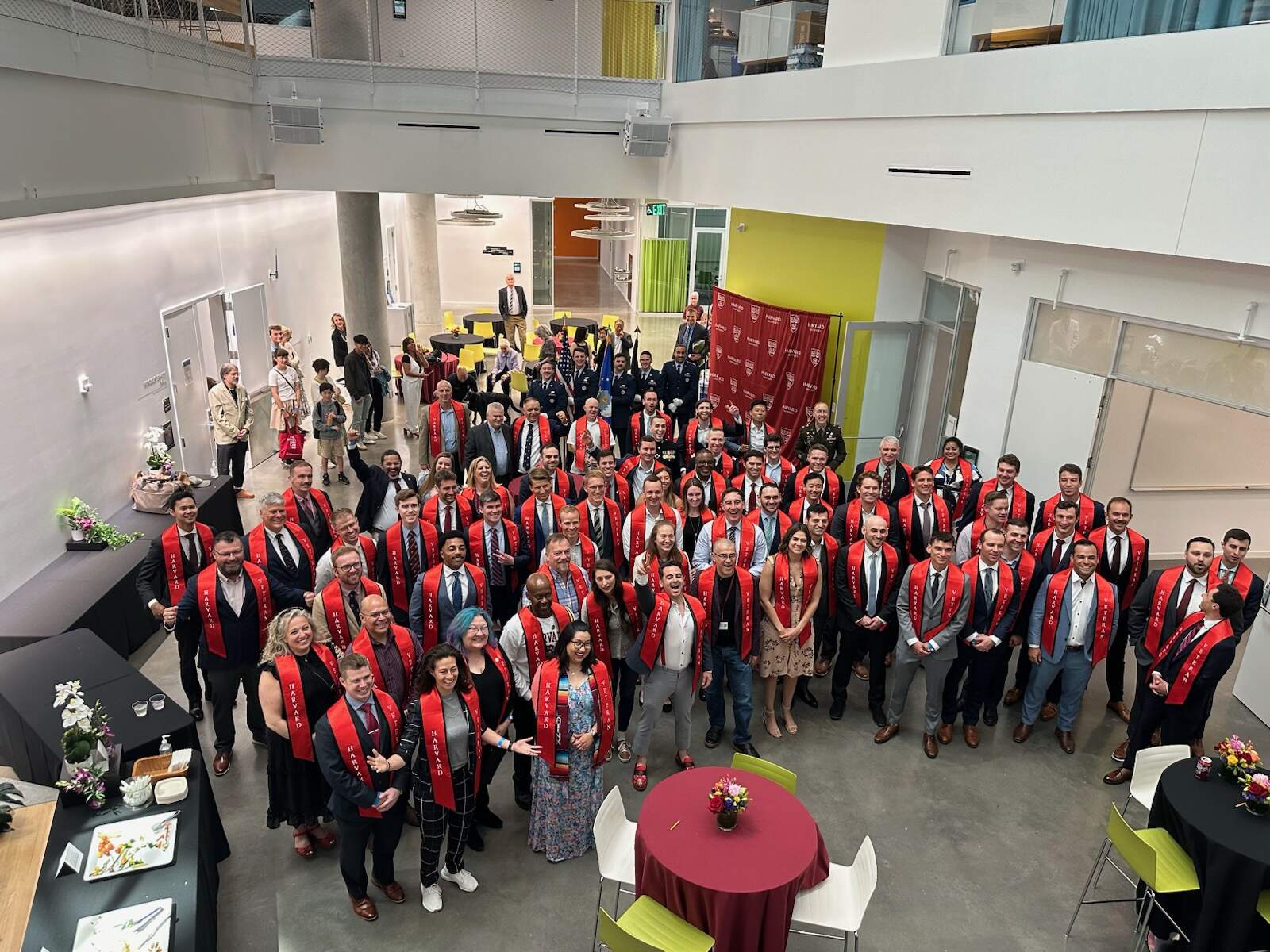
Affinity graduations are not unique to Harvard; they've emerged on college campuses across the country. Roughly a dozen events at Harvard have celebrated the achievements of Black, Indigenous, LGBTQ+, Asian American, Pacific Islander and Arab students. The ceremonies also celebrate those who are Jewish, have served in the military or who have disabilities.
Harvard’s Office of Diversity, Equity, Inclusion and Belonging had supported these events. In the past, the office provided funding, reserved campus space, ordered stoles and ran the ceremonies, said grad student Mike Lupia, who's organizing the Veteran and Military celebration this year. But when university leadership redubbed the office "Community and Campus Life,” students say planning these events fell to them.
Since then, they've clambered to find venues able to hold hundreds of people. They reached out to alumni for donations and launched fundraisers. When they tallied up the cost of the venue, chairs, refreshments and in some cases security, students said the price tag added up to tens of thousands of dollars.
“If the students have to celebrate with a tin cup and homemade brownies, I suspect some students are going to do that.”
Cornell Brooks
Harvard senior Esha Ahmad put her medical school applications on hold to spearhead the First-Generation Low-Income graduation. She said her group had to redesign their stoles because they can no longer display Harvard’s name.
The Arab student graduation already had a reserved space on campus, but the university canceled it, said Jana Amin, the event’s organizer.
“That's kind of left us to scramble to find some way to make the logistics work,” she said.
The seemingly unending to-do list felt overwhelming to Taylor Holloway, an organizer of the affinity celebration for students with disabilities.
“At a certain point I was ready to give up,” said Holloway, a Harvard Graduate School of Education student.
Student leaders say they got mixed messages from the university. Some received emails explaining the change; others say they learned about it on social media.
"Everyone was getting different information in different ways from different people," Holloway said.
Harvard's decision comes as the school endures withering pressure from the Trump administration to abandon diversity, equity and inclusion programs. Citing instances of antisemitism on campus, officials from several federal offices issued Harvard an ultimatum: Accede to a number of demands, or forfeit billions in federal funding and potentially lose the school's tax-exempt status.
Harvard sued, and university President Alan Garber pushed back against the federal pressure, saying the school won't abandon its "core” principles.
To some, the end of university support for affinity celebrations is evidence that the school has complied with at least some of the Trump administration's demands. The decision followed a February letter from the Department of Education, which said schools that schools that encourage “segregation by race” at graduation ceremonies could face the potential loss of federal funding.
That framing is a misinterpretation of the purpose of affinity graduations, said Harvard Kennedy School Professor Cornell Brooks, who has spoken at previous events.
Everyone, regardless of their race or identity, is welcome to attend an affinity celebration, he said.
“At Harvard, almost everybody has a backstory,” he said. “What inspired you to get here? What obstacles did you have to overcome within and without?”
Brooks, who is scheduled to speak at Black graduation this year, said he's seen past graduates take the robes off their backs and drape them over their parents’ shoulders to honor the sacrifices they made to send their children to an elite institution.
Representatives from all of the affinity groups that WBUR heard from said their ceremonies will go forward this year, even if they need to be significantly pared down.
“If the students have to celebrate with a tin cup and homemade brownies, I suspect some students are going to do that,” Brooks said.
That’s how Eli Visio sees it. The undergrad is organizing Lavender graduation, a celebration of LGBTQ+ students. He said the event is significant for those participating because it's one of the few times on campus when they can be "fully seen” and "celebrated” — and know they aren’t alone.
Harvard graduate student Jared Shum is helping organize the Pan-Asian, Asian American and Pacific Islander celebration this year. He said couldn’t imagine graduating without the opportunity to celebrate the role his cultural identity played in his education journey.
“I wouldn’t be who I am today without that,” he said. “We are Asian American and Harvard graduates. That's something to be proud of.”
Whether affinity groups might permanently face the loss of institutional support is up in the air. But students are making it work this year.