Support WBUR
Wu signs $4.8 billion Boston city budget
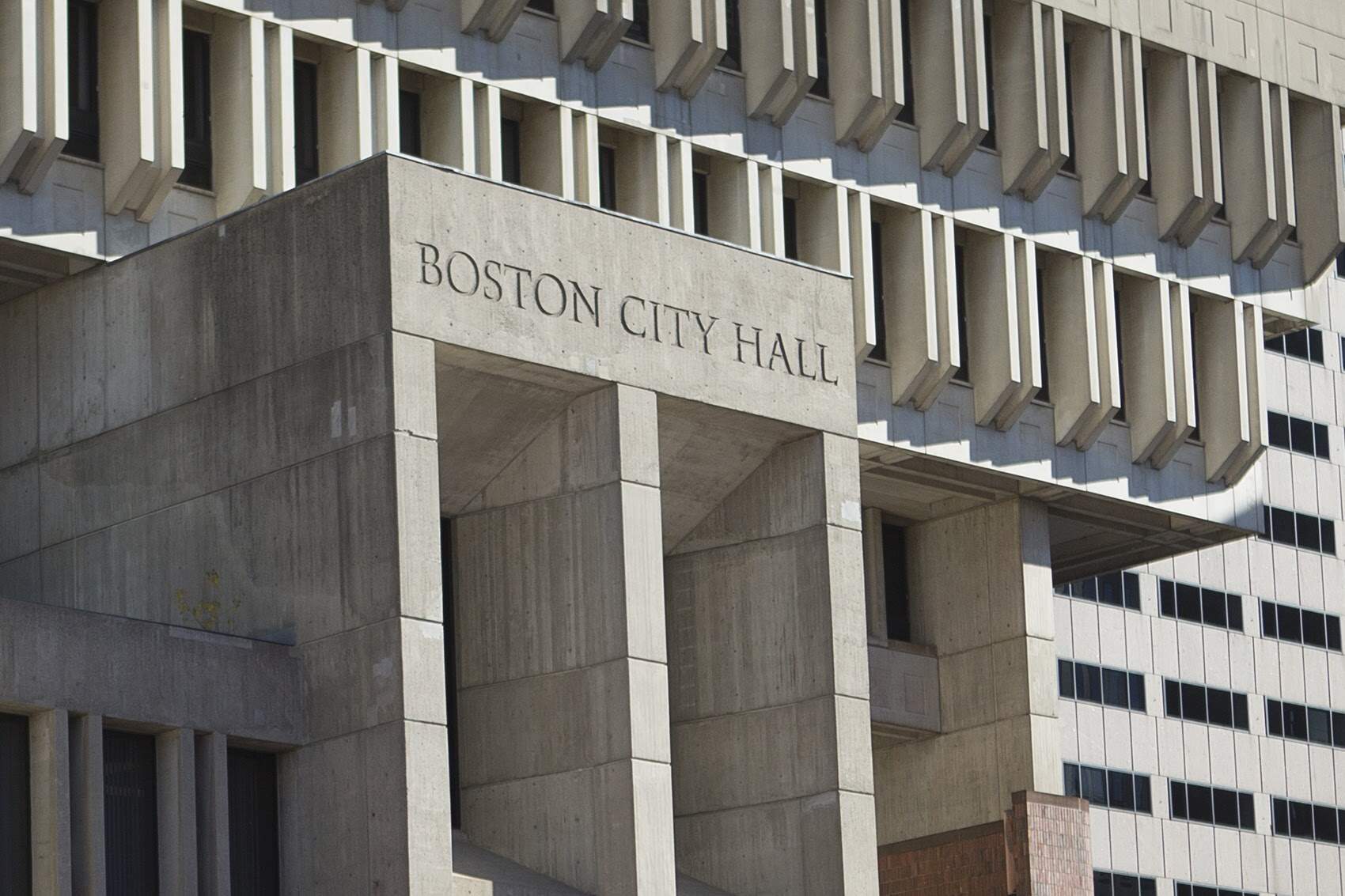
Boston Mayor Michelle Wu signed a $4.8 billion annual city budget and $4.5 billion five-year capital plan Monday.
The city's fiscal 2026 calls for a 4.4% adjusted increase over last year. It got unanimous approval from the city council, and the mayor and councilors called it a "fiscally sound" budget that invests in school improvements and supporting immigrant families and youth jobs, while acknowledging a challenging economic reality.
"Although we're facing the same uncertainty that cities everywhere are dealing with right now, the reality is that Boston is in the best possible position to weather this moment," Wu said.
The People Operations Cabinet budget is growing by $21.3 million or 7.9%, driven largely by growing costs to cover health care premiums for active and retired city employees, according to a summary of the budget.
Spending on city services such as police, fire, public works and housing are projected to decrease by a total of $67 million, or 3.6%, but when adjusted for a one-time $110 million appropriation through the Housing Accelerator program, are increasing by $43.3 million or 2.5%.
Boston Public School's budget increased from $1.52 billion in fiscal 2025 to $1.58 billion. Investments include a $4 million increase in bilingual education to expand multilingual education to seven more elementary schools, and a $3.9 million increase to special education, or 1% from fiscal year 2025.
The mayor and council also made cuts in fiscal 2026.
The library department received a $500,000 cut, their operating budget decreasing $546,913 to $49.3 million.
The Equity and Inclusion Cabinet also received a reduction, their budget decreasing from $14.89 million to $14.68 million. Certain programs under their purview received bumps while others got cut — relatively small amounts were taken from the operating budgets for the offices of fair housing and equity, the Human Rights Commission, Office for Immigrant Advocacy, and Women's Advancement, while LGBTQ+ Advancement and the Commission on Persons with Disabilities received increases.
"The budget we are approving of today reflects consistent and stable revenue growth that is more modest compared to prior fiscal years," said city CFO Ashley Groffenberger said.
A number of city councilors highlighted increases in the budget to youth jobs and access to counsel for renters facing eviction and immigrant families.
"We increased support for our most vulnerable residents at a time when our communities are under attack in Boston. We know that our immigrant, LGBTQ+ and Black and brown communities are a source of strength," said Council Ways and Means Chairman Brian Worrell. "This year's budget was especially critical with the real threat of federal funding cuts hanging over us."
A Boston Policy Institute report published last week warned that commercial real estate values will continue to decrease, deflating part of the city's tax base. That could put more pressure on officials to make tough choices like possibly raising residential taxes to make up the difference.
The report found office values in the city are likely to fall 35% to 45% from 2024 levels, widening the city's budget shortfall from $135 million this year to more than $550 million in fiscal 2029, and totaling $1.7 billion over five years.
Wu, however, has criticized that report, and a similar report from BPI that came out last spring with similar findings about the declining value of Boston's emptying office buildings.