Support WBUR
Descendants remember Battle of Bunker Hill fighters, 250 years later
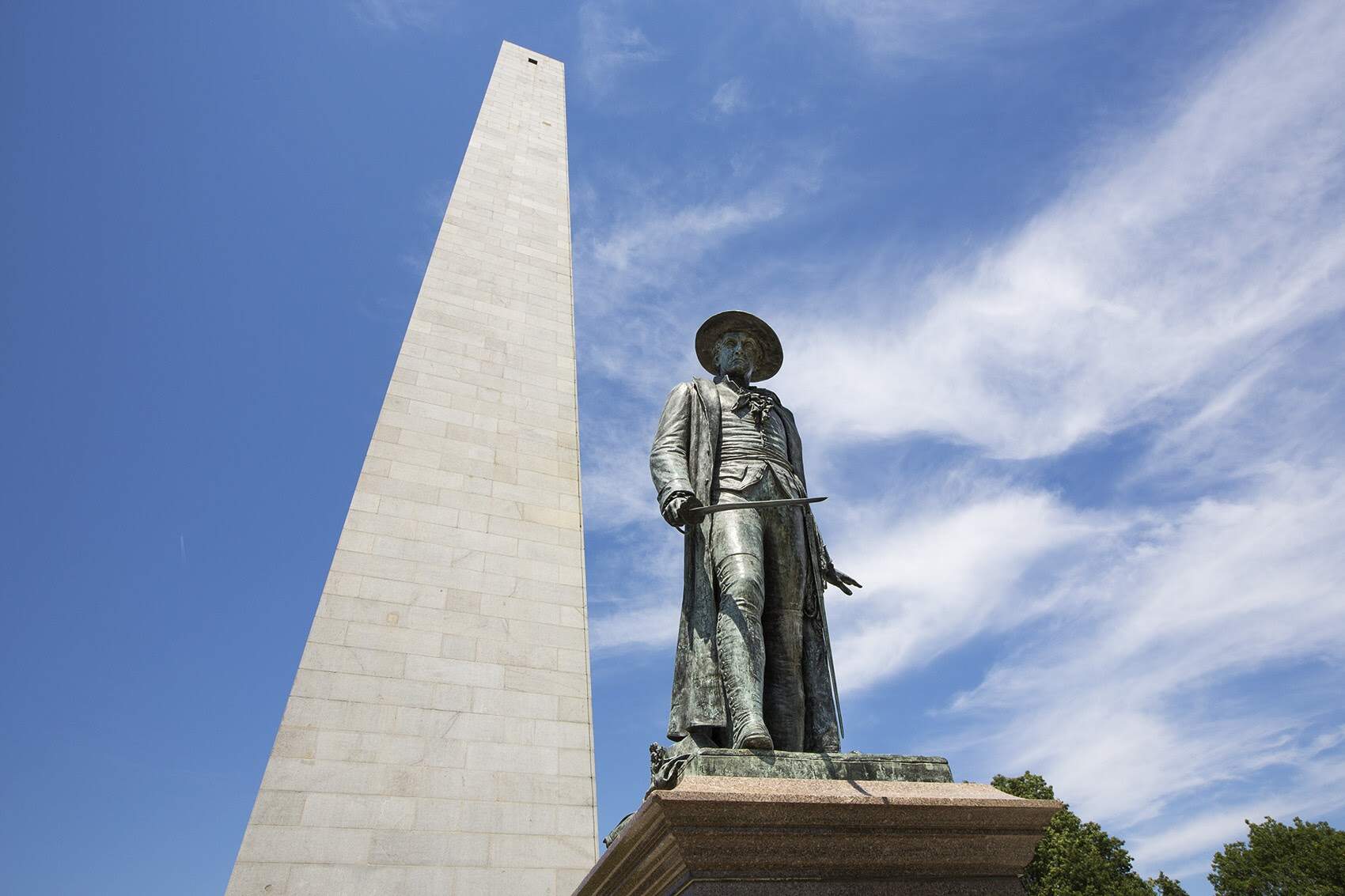
At the Battle of Bunker Hill in Charlestown 250 years ago, hundreds of people joined the fight against the British, an early battle in the American Revolution. One of them was David How, then only 18 years old.
His efforts there were largely forgotten — until now. The Charlestown Historical Society is welcoming soldiers’ descendants to the city as part of their Brothers of the Battle program.
“These are stories that have been lost for centuries,” said Julie Hall, the society's president. “They were hidden in family journals in letters that had been passed down from generation to generation.”
One of those descendants is Jim Philbrick. His fifth great-grandfather was David How, who kept a journal starting after the Battle of Bunker Hill. Philbrick remembers first learning about How as a child from those writings. He was 9 years old.
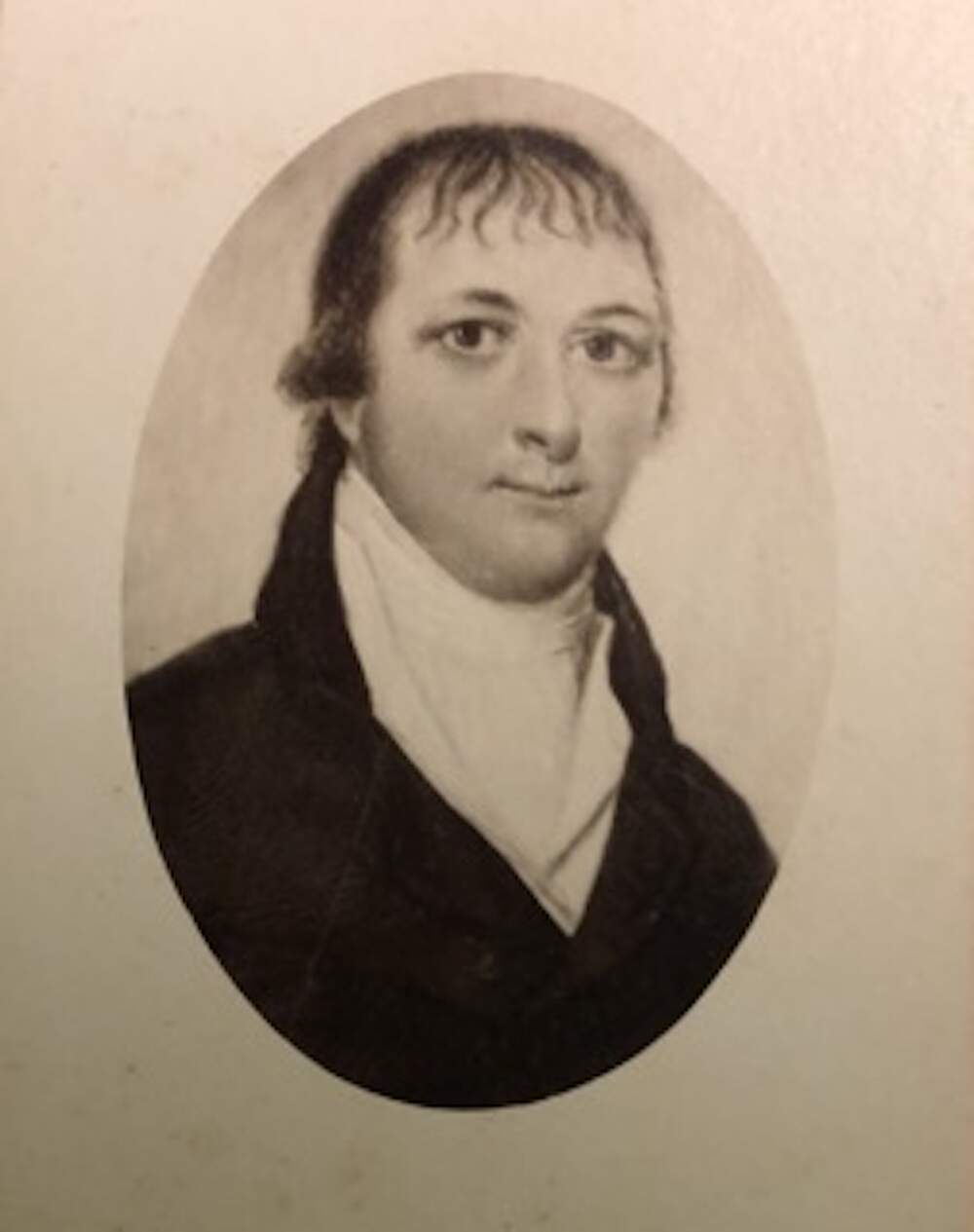
“ Our family was into genealogy for generations back, so there was plenty of records and knowledge about it,” Philbrick said. “ When they felt I was ready to absorb that properly, they let me know about David Howe.”
Now Philbrick is writing a book about his ancestor. Born in Methuen, How would go on to participate in other battles and offensives of the American Revolution, including crossing the Delaware River with General George Washington in December 1776. After the war, How settled in Haverhill and continued to lead a life of community and civic engagement. According to Philbrick, How served eight years as a state representative and helped establish Haverhill’s first bank and community bridge. He died in Haverhill, at the age of 86.
Honoring How in this way is meaningful to Philbrick.
“ Sharing his story with more people has been something that's been on my mind for a couple decades,” he said. “This weekend is really important to me.”
The Brothers of the Battle program starts on Sunday, when Philbrick and dozens of other descendants from around the world will march in the city’s iconic Bunker Hill Day parade.
Hall said descendants of all ages will march wearing sashes with pride to honor their family members.
“ One of the descendants in Maine … asked if I could have a sash made for his 18-month-old great-granddaughter,” Hall said. “It’s becoming this huge source of family pride for these descendants, and it's just so incredibly rewarding for us to be able to bring these stories to light that haven't been seen and heard of before.”
On Tuesday, the anniversary of the battle, those descendants will share their family’s artifacts, including letters, portraits and journals, and answer questions about their relatives. They’ll also participate in a ceremony and procession to the Bunker Hill Monument.
Hall says one of the most meaningful aspects of the Battle of Bunker Hill is that the men and boys who fought, like David How, were just regular people who answered a call from their community when it needed them. She thinks there are lessons to be learned today from that response for a country that is politically and ideologically divided.
“ No matter what side of the aisle you're on politically, we all can see that, just like Daniel Webster said in his oration at that monument, ‘this column stands on unity’ and it brings people together from all walks of life,” Hall said. "People that come from all over the world [to the monument and museum] are fascinated by this concept of democracy.”