Support WBUR
Boston's Morning Newsletter
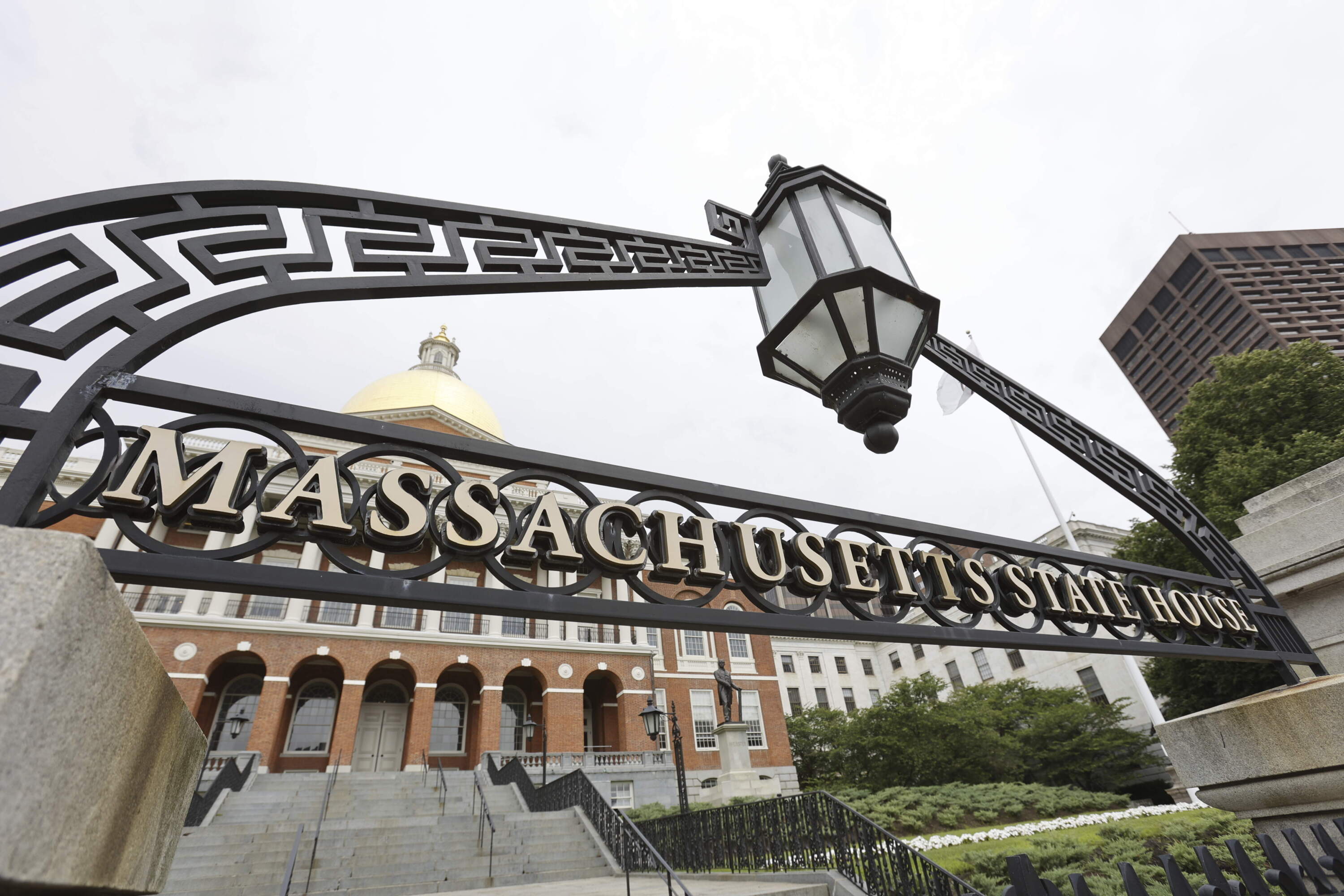
What is — and isn't — in the new Massachusetts state budget deal
Editor's Note: This is an excerpt from WBUR's daily morning newsletter, WBUR Today. If you like what you read and want it in your inbox, sign up here.
It's July 1, and for the first time in nearly a decade, Massachusetts lawmakers have sent a budget proposal to the governor's desk before the start of the new fiscal year.
The House and Senate overwhelmingly signed off on the $61 billion spending bill yesterday, amid "deep uncertainty" about the impact of tariffs and federal funding cuts on the state's economy — especially as Republicans in Washington, D.C. continue to debate President Trump's big policy bill.
The deal comes after about a month of behind-the-scenes negotiations to reconcile a few policy differences between the House and Senate proposals. Gov. Maura Healey now has 10 days to sign, veto or propose amendments to the budget (so technically it will still be a little late). Here's a look at what priorities did and didn't make the cut:
What's in the bill:
- Limits on broker's fees: Perhaps the biggest policy change in the budget is a requirement that broker's fees must be paid by the party who originally hired the broker, which is usually landlords. That effectively ends the practice of landlords passing the fees onto renters. Assuming Healey (who supports the change) signs the bill, the new rules will take effect Aug. 1.
- Hospital funding: The deal includes funding to keep open two health care facilities — Cape Cod's Pocasset Mental Health Center and Canton's Pappas Rehabilitation Hospital for Children — that Healey previously proposed to close to save money.
- MBTA money: There's also $470 million to help the MBTA (which traditionally gets most of its funding from fares and sales tax revenue) close its budget gap and continue improving service. While that's less than the $687 million Healey originally proposed, it adds up to more than $1 billion in direct state funding for the T when combined with the money it's getting from the "millionaire's tax."
- Free buses: Last year's budget included $30 million for fare-free buses run by Massachusetts' 15 regional transit authorities outside the Boston area. However, a few RTAs opted out of the fare-free program. The new budget deal includes language requiring all RTAs to make their fixed-route buses free to ride (along with $35 million to make up for the lost fares).
What's not in the bill:
- Liquor license reform: The Senate's proposal to give cities and towns control over how many local alcohol licenses are available was not included. That means communities will still have to petition the State House if they want more licenses than allowed under a population-based quota created back in 1933.
- Prescription drugs: The Senate proposal to allow state regulators to set price caps for certain prescription drugs also did not make the final cut.
- Voc-tech school admissions: Meanwhile, the House's effort to block the Healey administration's admissions changes for the state's vocational high schools was left out. (State Sen. Michael Rodrigues, one of the lead budget negotiators, told State House New Service they felt those three "higher-level, more complicated policy pieces" required more time to debate.)
- Bar advocate raises: The Senate's proposed pay raises for bar advocates, a group of court-appointed public defenders who are currently striking over relatively low wages, was also cut from the bill during negotiations.
- New taxes: Remember Healey's proposed taxes on candy and Zyns? Neither ever got buy-in from the House or Senate. In the end, lawmakers said the deal passed yesterday includes no new taxes or fee increases.
In other news:
Political animals: The John F. Kennedy Presidential Library in Dorchester is opening a new exhibit today about presidents' best friends: their pets. WBUR's Amy Sokolow reports that 22 of the nation's presidents have had pets over the years, including dogs, cats, horses, hamsters and even a raccoon named Rebecca. They're all represented in the library's new Presidential Pets exhibit, which runs through Jan. 4, 2026.
- Why focus on pets? JFK Library Director Alan Price says it's a part of an effort to get all age cohorts interested in presidential history. " We all try to alternate with exhibits that really hit the whole family level so that they can learn about the nation's history through something that's more relatable," Price told Amy.
Heads up: Worcester is postponing tonight's Fourth of July fireworks to tomorrow, due to the possibility of rain. Click here for more details about the event.
P.S.— The city of Chelsea has been named one of 10 national All America City Award winners by the National Civic League for its environmental justice work. You've probably heard about some of it on WBUR, such as planting more trees, creating a local solar power grid and building a network of air quality sensors.
This segment aired on July 1, 2025.