Support WBUR
Healey signs a slimmer state budget than proposed
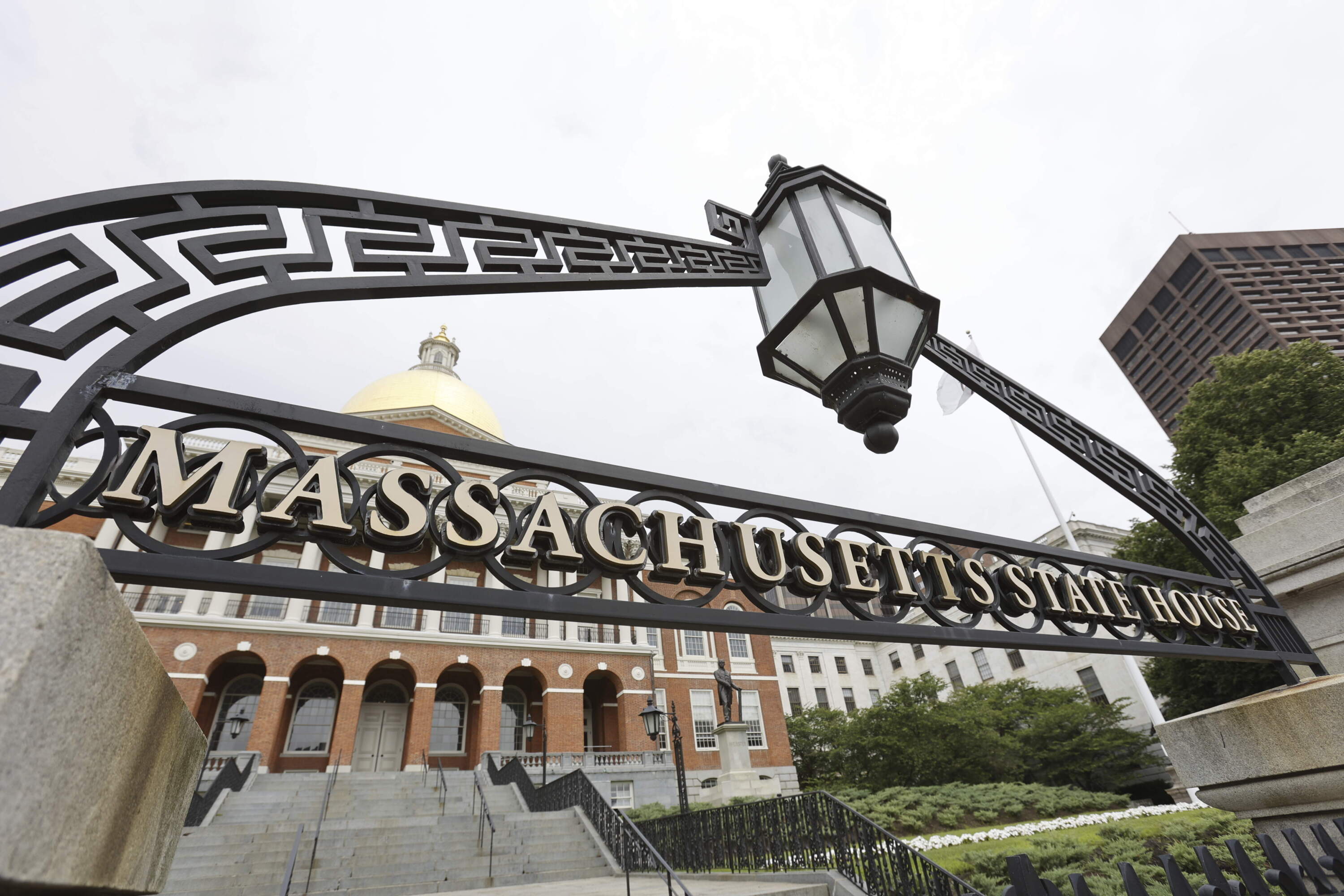
Massachusetts has a new budget.
Gov. Maura Healey signed the new fiscal year's $61 billion operating plan on Friday, marking the state's earliest budget signing in nearly 15 years.
But the document comes with some last-minute changes from Healey, who used her line-item veto power to nix provisions worth about $130 million.
The vetos killed a provision that would have covered GLP-1 weight loss medications for state employees unless medically necessary according Healey's office.
Healey said the state would continue its hiring freeze through the next fiscal year. Salaries for "executive branch managers" will also be frozen in place for fiscal 2026, which runs to June 30 of next year.
At $61 billion, the latest state budget comes in $3 billion higher than the current year's spending plan. It includes several items that took up much of the political debate on Beacon Hill in the past several months, including a new ban of charging renters broker's fees when they sign a lease for a new apartment; $470 million in direct funding to the MBTA, apart from funding earmarked for the transit agency from the so-called "millionaire's tax"; money to keep open two hospitals Healey had planned to close; and an extension of free bus service to the state's 15 regional transit services.
While getting a budget almost on time may feel like a low bar for a Beacon Hill to clear, Evan Horowitz of the Center for State Policy Analysis at Tufts University said legislators deserve credit for trying to reverse what has been a long-term issue with meeting their deadlines.
" Our budgets have been late every year for, I don't even remember, 15 years?" he said. "This one, you know, is a couple days late, but just a couple, [which is] nothing. So I think it's a real sign of function in a dysfunctional world. "
In terms of the budget itself, he applauded the effort to reduce spending overall — the signed budget's price tag is $1 billion lower than Healey's initial proposal — but said more should be done to control costs. Even measures like Healey's vetos amounted to "pennies" compared to the full budget, he said.
"That's a positive sign given the economic climate that we're likely to face," he said of the slightly smaller bill. "but I'd say it's nowhere near enough. And the rhetoric around how this is a fiscally responsible budget is, I think, overstated."
A spokesperson for the administration said Healey plans to submit legislation that would allow her to make cuts to the commonwealth's budget beyond the executive branch should state revenue fall by more than $400 million.
A big driver of fiscal constraint at the state level comes from the federal government's budget and the Trump administration’s lean into tariffs, according to Doug Howgate of the Massachusetts Taxpayers Foundation.
" Are we gonna see inflation take off again? Are we gonna see an economic downturn due to trade wars?" he asked. "And no one knows, right? We don't know."