Support WBUR
Boston's Morning Newsletter
Worcester considers a Zohran Mamdani-sparked idea: City-run grocery stores
Editor's Note: This is an excerpt from WBUR's daily morning newsletter, WBUR Today. If you like what you read and want it in your inbox, sign up here.
It's another hot one. Mayor Michelle Wu has declared a heat emergency today through Friday, with temps expected to reach into the 90s and humidity that will make it feel closer to 100.
But first, the news:
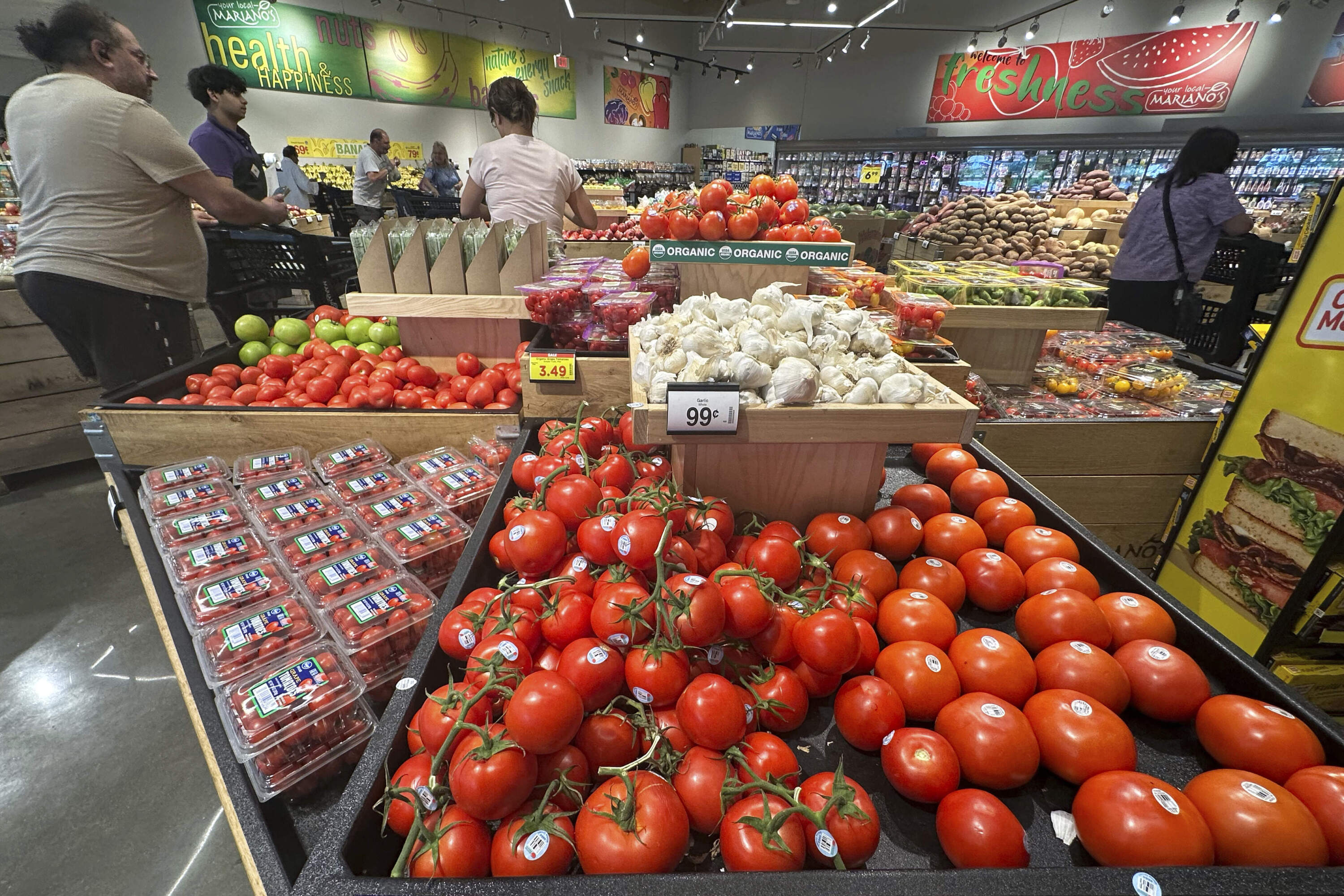
Food for thought: As Zohran Mamdani runs for mayor of New York City, one of his trademark ideas is gaining traction a few hours north. Last night, the Worcester City Council passed a measure ordering the city to review options like city-owned grocery stores to ensure residents have access to healthy, affordable food. It's one of the ideas that animated the 33-year-old democratic socialist's surprisingly successful mayoral campaign — and inspired Worcester City Councilor Jenny Pacillo to introduce the order here. "The question I'll always ask people is, 'What's the function of municipal government?' " Pacillo told WBUR's Amy Sokolow. "For me, the function is to help residents."
- Why Worcester? Food deserts are becoming a big issue for the city, Pacillo said. Two grocery stores in Worcester — a Stop & Shop and a Price Chopper — closed within the last year, leaving carless residents in certain neighborhoods without easy options. According to a city dashboard, 48% of people in Worcester have low access to healthy food. At the same time, local food pantries have reported a rise in need. " These grocery stores are closing, and no one's filling the space," Pacillo said. "I just want people to have access to food."
- How would it work? Pacillo says she isn't "hung up on any one model." It could be city-run grocery stores, or a version where the city just provides some funding. She points to Oasis Fresh Market in Tulsa, Oklahoma, as one example. "It's run by a nonprofit with municipal help," she said. "They use community partnerships and it seems to be just this really great situation where people in Tulsa have access to the food they need and they can afford it." (She amended the ultimate version of her bill to direct Worcester's city manager to look into the "feasibility of creative grocery store solutions," because she felt the original order, which focused only on municipally-owned grocery stores, was too narrow. It passed 8-2.)
- Go deeper: City-run grocery stores aren't a completely new idea. The Washington Post had a good story yesterday on the history of them in the United States, their advantages and the challenges facing the ones that still exist today.
Blue Line service has resumed this morning, after yesterday's stuck train in the Boston Harbor tunnel led to the evacuation of roughly 465 riders and forced shuttles buses to replace service for hours during the afternoon commute. MBTA officials say a downed communications wire in the tunnel caused the train to stop around 2:30 p.m.
- Videos show the evacuated riders walking up the tunnel and out an emergency exit door, while those who needed help were wheeled out on a rail cart.
On Beacon Hill: House lawmakers are making moves on a bill to bolster protections for local patients and providers of abortion and transgender medical care, updating the state's 2022 shield law in the face of escalating out-of-state threats. In a statement yesterday, Democratic leaders in the House said they will vote on the bill this week, after the Senate approved similar legislation late last month.
- Like the Senate bill, the House's proposal would make it harder for out-of-state investigations to identify individual patients and providers of reproductive and gender-affirming care. It would also require hospitals to provide emergency abortions when medically necessary. "Above all else, this legislation is representative of the House’s commitment to ensuring that Massachusetts remains a place where our residents can make personal health care decisions without fear of prosecution," the statement said. (Read the bill summary here.)
Up north: New Hampshire's Cannon Mountain will be without its iconic aerial tramway this coming ski season, if not longer. The state-owned mountain announced yesterday it's retiring the 80-passenger tram this fall after 45 years of service and plans to replace it with a new "third-generation" tram. In the meantime, skiers will have to take a series of chairlifts to get to the 4,000-foot mountain's summit.
- Why a new tram? Former New Hampshire Gov. Chris Sununu once pushed Cannon to replace the tram with smaller gondolas to cut costs. However, state officials said gondolas wouldn't be able to run as often due to the winds in Franconia Notch (and also wouldn't be as popular).
P.S.— Ahead of a Friday deadline, the Senate is moving to debate the Trump administration's proposal to rescind $9 billion in foreign aid and public media funding, after Vice President JD Vance cast a tie-breaking procedural vote last night. The vote came after Republicans agreed to several concessions to flip at least one GOP holdout, such as exempting the AIDS relief program PEPFAR from the cuts and directly funding 28 local public radio stations that serve Native American communities. However, the larger $1.1 billion in cuts to the Corporation for Public Broadcasting, which helps fund NPR and PBS, remain in the plan.