Support WBUR
He led one of the largest immigration raids in U.S. history. Here’s what he thinks 18 years later
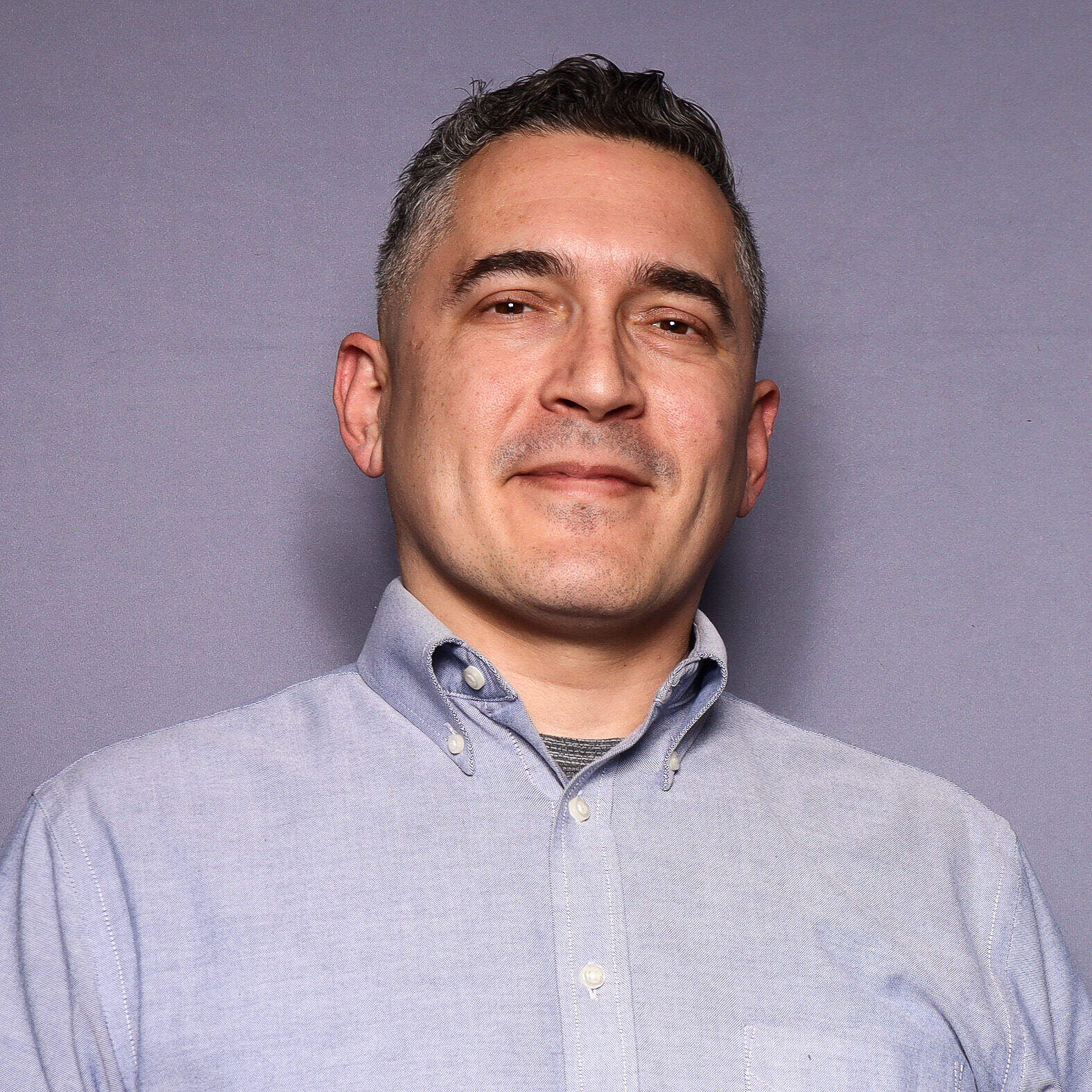
When federal agents raided a New Bedford textile factory in 2007, it became one of the largest immigration arrest at a single site in U.S. history. One of the agents behind that operation, Eric Caron, spoke to WBUR's All Things Considered about how immigration enforcement has changed — and how it hasn’t.
Transcript
This interview has been lightly edited for length and clarity.
Simón Rios: Bring us back to that point. I imagine the investigation unfolded over a number of years.
Eric Caron: "The investigation took about a year plus to conduct. We inserted an undercover special agent inside the factory, wired, if you will. She had conversations with the owner, Michael Bianco, who was knowingly hiring her. She posed as an illegal alien herself.
"And we got a glimpse into the horrendous conditions of that business, slave-like conditions. So we decided to take everyone, administratively arrest the illegal aliens and criminally arrest the owner."
Rios: You got a lot of pushback on a lot this. A lot of people who were viewed as workers who were just here to keep their heads down.
Caron: "Absolutely."
Rios: And they end up in the dragnet of ICE enforcement.
Caron: "Correct."
Rios: And that was sort of the first time that you ended up with all this media pushback to what you were doing as a federal agent, right?
Caron: "Yeah."
Rios: How was the Bianco raid different from the rest of your career in law enforcement?
Caron: "Yeah, I mean, that was an eye opener for me. Because I'm a sworn law enforcement officer. Congress makes the rules, the laws, and you're enforcing the laws. And now, I'm the target. It was disheartening because my take is if you don't like the laws that we have, change them. Not much has changed in 18 years."
Rios: Well I want to ask you about that, if you could talk about [the] almost two decades after this raid, that was one of the defining points in your career. How do you think about it now? Do you think New Bedford is better off because of that raid going down?
Caron: "Some would say not so much. I often think to myself these days, are we all pawns in this issue relating to immigration enforcement? Congress can fix this, but they're demonizing the men and women of law enforcement today. That's just not right. They're deflecting their responsibility."
Rios: So these days, everything we hear in the news is about immigration. It's front and center again. Congress is now increasing its spending on immigration enforcement in a massive way to hire thousands of new officers and detained tens of thousands more people. What do you think about that move?
Caron: "We are not going to arrest our way out of this problem. What we need is our government to reform our immigration laws and regulations to make it easier for good people who want to come to America, to vacation, to work, to come to America. Right now, the hurdles are horrendous to come here legally."
Rios: You've spent much of your career investigating immigration and domestic terrorism. Now the Department of Homeland Security is drawing in all manner of federal agents to do immigration enforcement work, from the ATF to the FBI and others. Do you feel that that's misguided? Are we targeting the right people?
Caron: "Listen, people have to understand HSI, Homeland Security Investigation, is the lead on human trafficking. HSI has dozens, if you will, or more covert operations going on across the globe: targeting arms traffickers, targeting counterfeiters, human traffickers. Right now they're down in the weeds, dealing with immigration enforcement. Going after people that maybe they shouldn't be going after."
Rios: Do you still talk to guys in the agency? Are you hearing about morale issues as a result of the current administration's enforcement priorities?
Caron: "Yeah. I mean, they're not — it is a morale issue. Because agents, like myself at one time, want to target the worst of the worst. They want to go out and get the bad guys. These international arms traffickers, human traffickers, they don't want to be spending their precious time on non-criminals."
Rios: There's also tremendous blowback from the public. One of the biggest points here is we're seeing ICE officers, pretty much everywhere, wearing masks. And I don't know if you've ever seen that over your long career in federal law enforcement. But this is a practice that's upheld by Todd Lyons, the acting ICE Director. He says that officers' safety is at risk, that they're prone to being doxed and harassed. Where do you stand on the use of masks?
Caron: "I've never seen that issue in my career, 25 years."
Rios: You never saw law enforcement wearing masks?
Caron: "No, at the federal level. So listen, ideally, I would say no masks, agents should present themselves professionally and act professionally.
"There's that push and pull though. Are they being targeted? Are their families being targeted? They're going into situations where everyone's got a cell phone. That's the dilemma.
"But, I hear what people are saying. Because even internally, I can tell you. I've seen recent conversations with professional law enforcement officers saying, 'Why are we looking like this? We should be looking much more professionally.' Then you have some saying, 'well, they're being targeted.' "
This segment aired on July 25, 2025.