Support WBUR
Scientists launch 'Shorebird Blitz' as migration passes through Mass.

Thousands of shorebirds from the Arctic tundra are stopping by Massachusetts as they head south for the winter.
It’s an opportunity for some shorebird-watchers and researchers to count the birds, which they say is important for conservation efforts as shorebird populations decline.
More than 90 volunteers are participating in this year’s "Shorebird Blitz," an annual survey organized by Manomet Conservation Sciences, a nonprofit environmental organization based in Plymouth.
The volunteers joined with researchers this week to take stock of the migratory shorebirds making a pitstop at state beaches, marshes and coastal areas before continuing their southward journey.
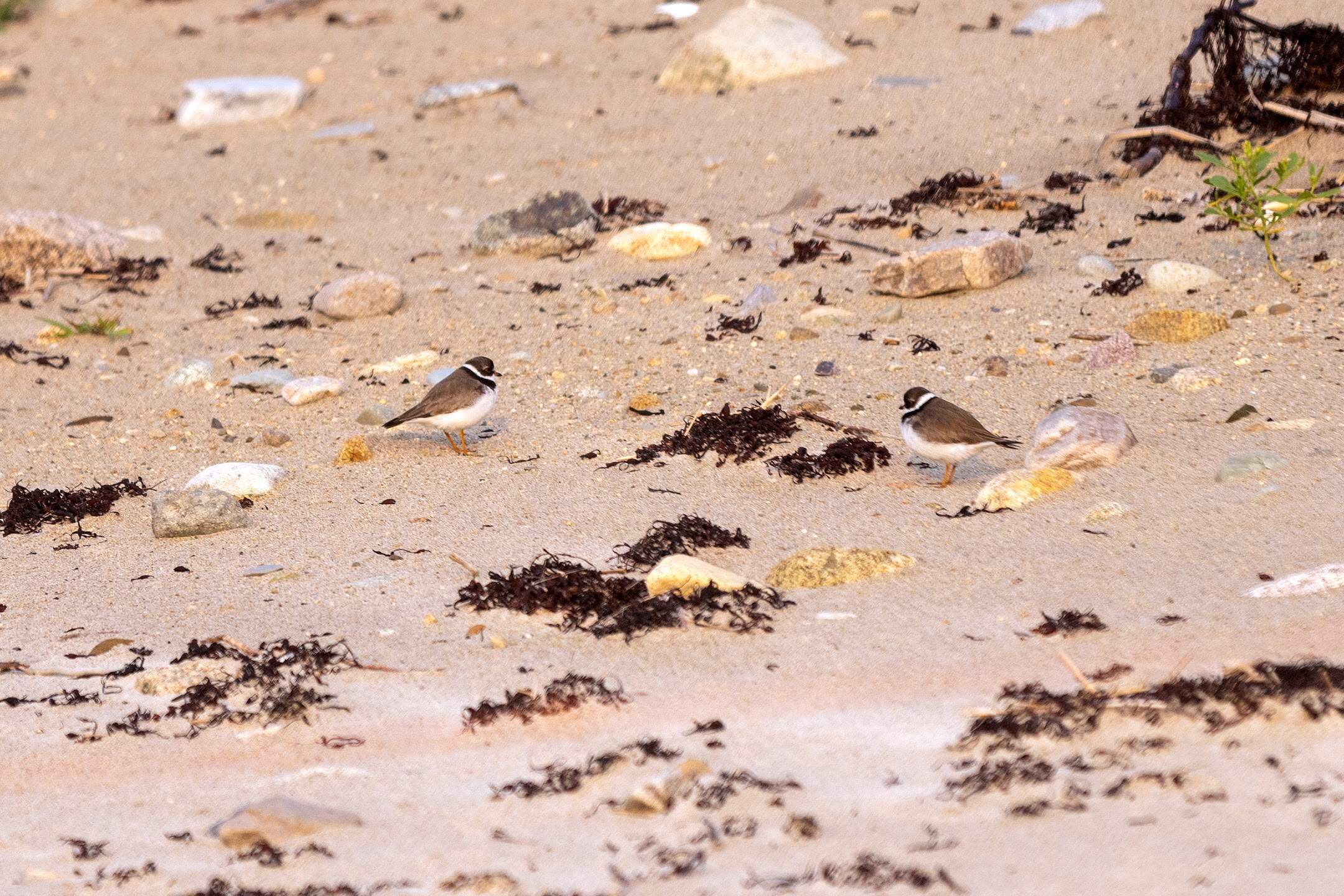
As the sun rose Monday at Duxbury Beach, Manomet shorebird biologist Liana DiNunzio headed to the sand with a spotting scope and binoculars. She was looking for common species like semipalmated plovers and sandpipers — and keeping an eye out for her favorite, the ruddy turnstone.

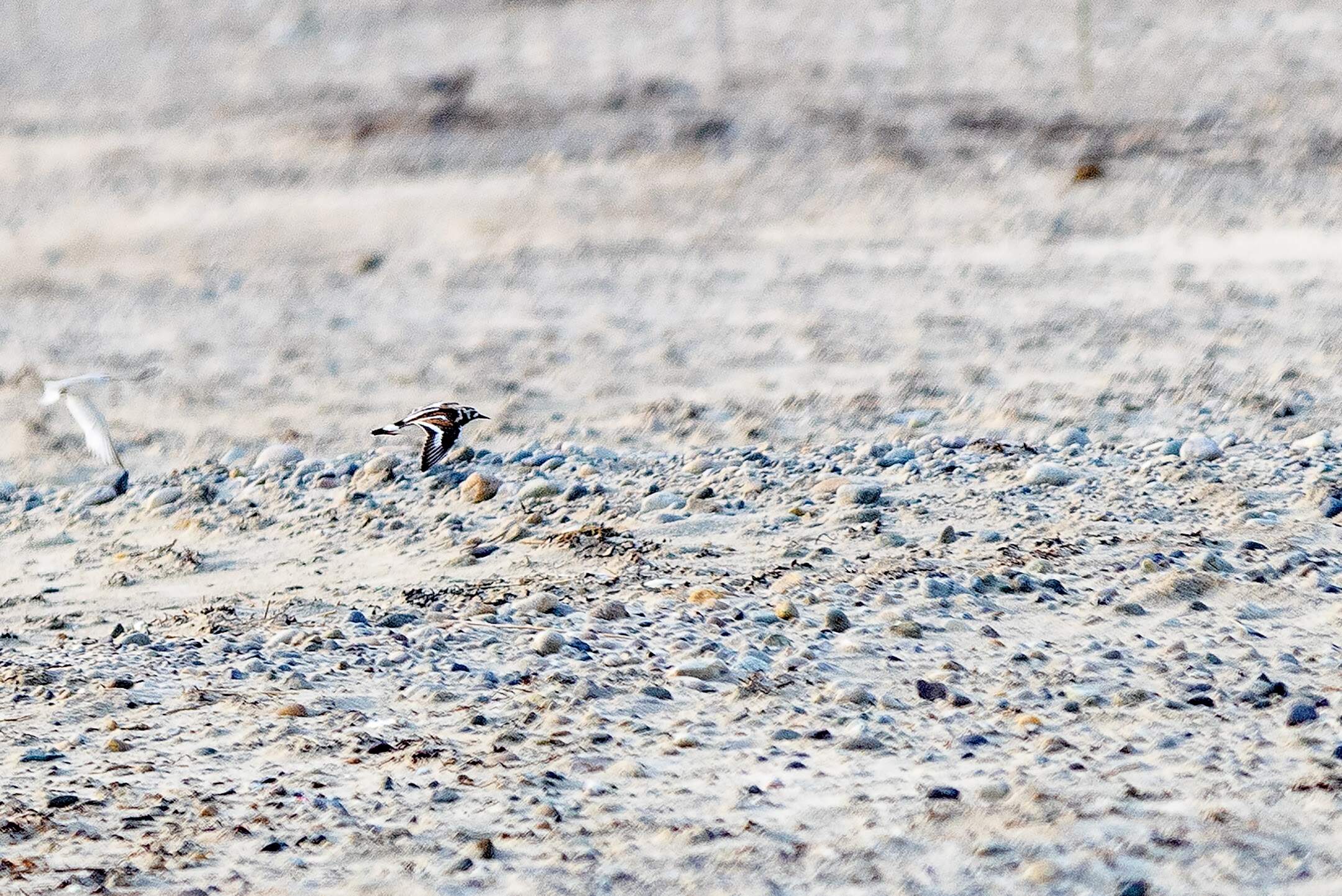
“Some of these birds have just flown a couple thousand miles nonstop,” DiNunzio said.
To continue their journey south, the shorebirds need plenty of rest and food to build their fat reserves. Some will even travel as far as South America.
Shorebirds are among the most imperiled birds, according to the North American Bird Conservation Initiative's most recent "State of the Birds" report. Their populations across the country have declined by a third since 1980, due to threats like habitat loss, pollution, hunting and climate change. DiNunzio said she hopes the survey can help researchers find ways to reverse the trend.
“ It is really important to keep track of their numbers, so we can figure out where these declines are happening and then figure out what we can do to help them,” DiNunzio explained.
Last year at Duxbury Beach, volunteers counted just over 3,600 total shorebirds. In 2023, they spotted more than 4,300.
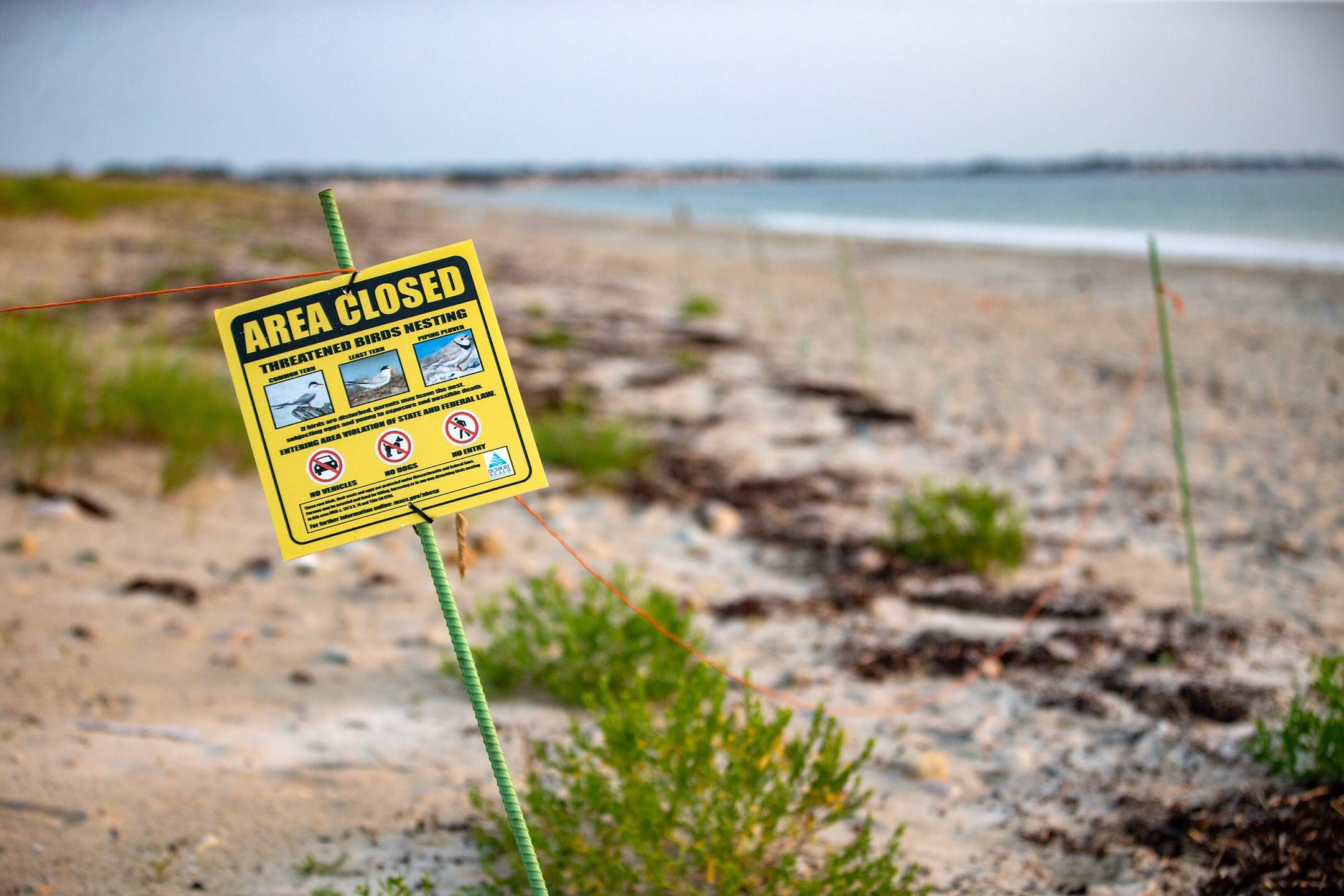
The survey will also help identify lesser-known hotspots for migrating shorebirds and could inform decisions about how to protect habitats, DiNunzio said.
To get the most accurate counts, it’s best to tally the birds during high tide when they’re roosting on the shoreline, said Joey Negreann, a coastal ecology coordinator for the Duxbury Beach Reservation and a volunteer for the survey.
“When it’s low tide, they’re out foraging all over the beach," he said, "trying to fatten up."
The birds spend most of their time in Massachusetts either feeding, napping or preening, according to Negreann.
"Chilling on the beach, quite the life,” he said.
Duxbury Beach is a popular spot for migratory and native shorebirds, Negreann said. It’s a barrier beach with one side facing the ocean and a productive salt marsh on the other. Birds can forage on both sides of the barrier and roost in between.

Oceanside, Negreann and DiNunzio spotted a large flock of several hundred roosting shorebirds. Peering into their spotting scopes, they counted 136 semipalmated plovers, 176 sandpipers and about 10 sanderlings.
Negreann logged these numbers into an app on his phone that will track volunteers’ survey data throughout the week.
The blitz is in its third year and covers more than 180 sites in Massachusetts, including many areas that aren’t part of the larger International Shorebird Survey that stretches across the Western hemisphere, also coordinated by Manomet Conservation Sciences.
The goal of the blitz is to gather data from sites that aren't surveyed on a regular basis, DiNunzio said. There’s increasing evidence that migrating shorebirds are stopping at smaller sites in urban areas closer to Boston, too.
Migrating shorebirds are like people driving on road trips, DiNunzio said. They may prefer certain rest stops during a long journey depending on what type of food is available or how much fuel they need.
“It’s the same with birds," DiNunzio said. "Some of them really like the premier stopover sites, and some will just stop anywhere because they need to.”