Support WBUR
South Shore nonprofit that serves adults with disabilities fears losing Haitian workers
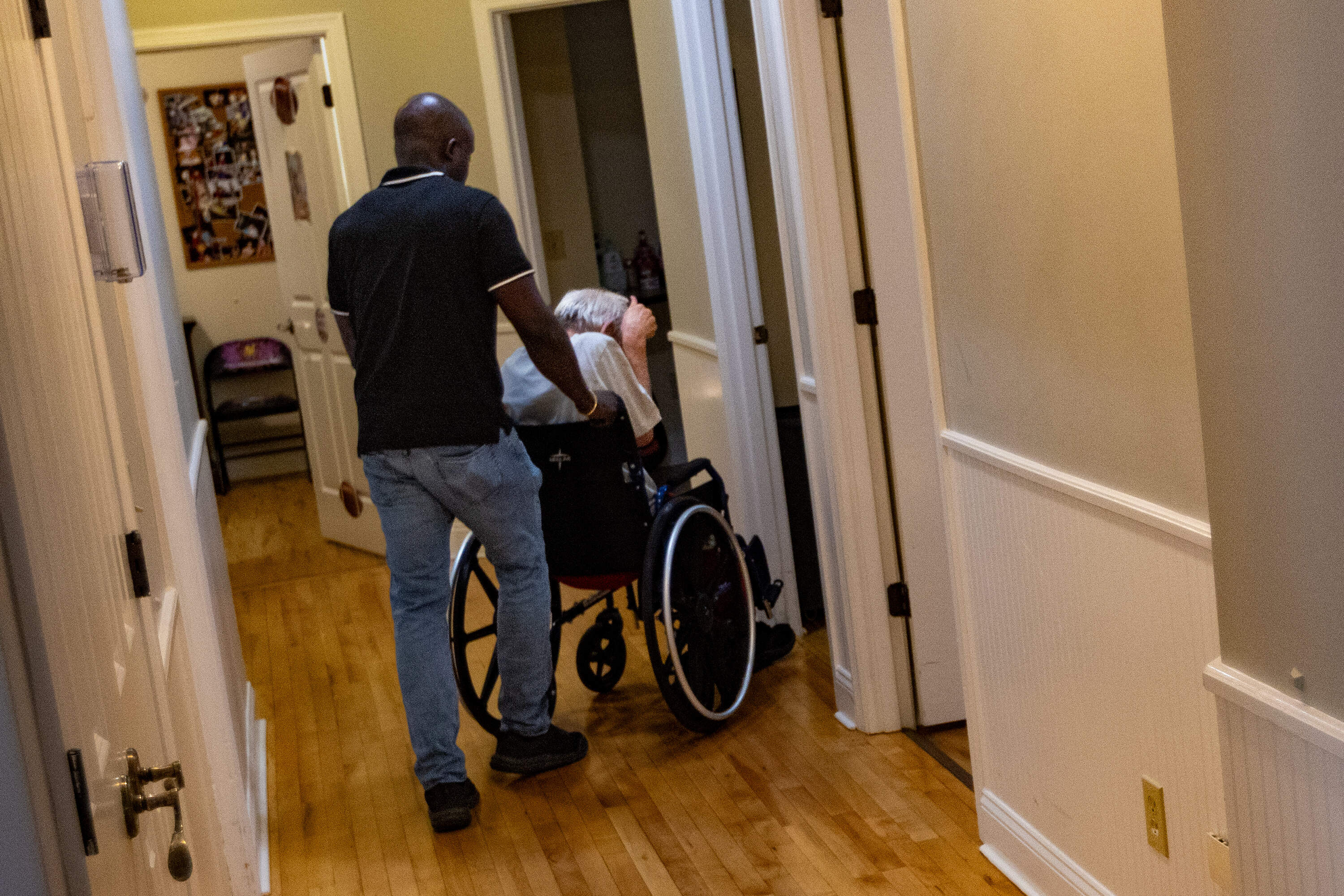
Many Haitian immigrants in Massachusetts work as aides in skilled nursing facilities, hospitals and group homes. But as legal protection for Haitians to live and work in the U.S. is slated to end in February, the human services industry is bracing to lose workers.
The state estimates there are over 15,000 Haitians who came here under Temporary Protected Status, or TPS. The Trump administration terminated the protections, claiming the country is safe enough for citizens to return there.
On a recent day at a group home in Marshfield, four Haitian immigrants took care of the home's five residents, who are adults with intellectual and developmental disabilities. It's one of 52 homes run by the nonprofit Road to Responsibility.
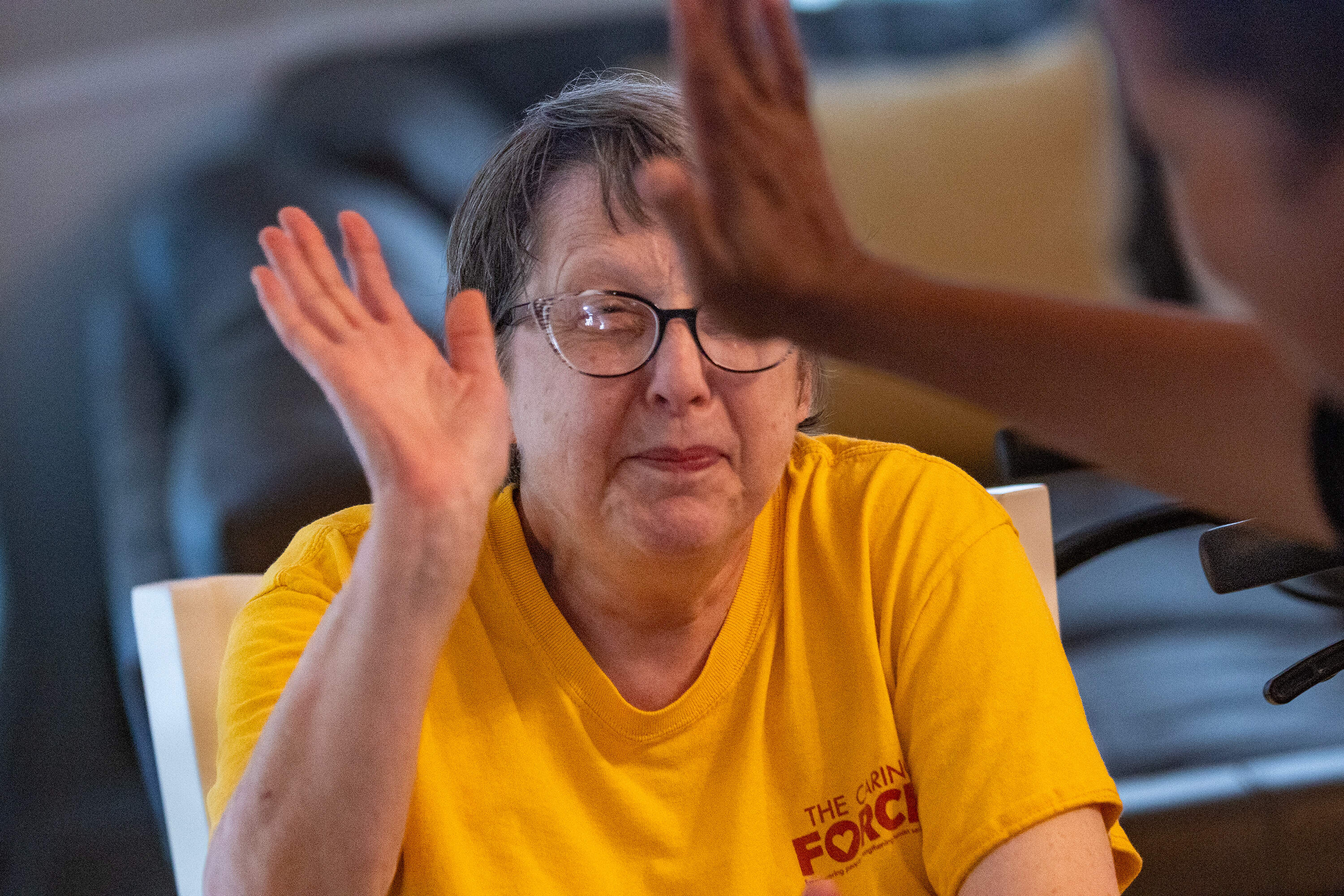
The workers wheeled the residents around or assisted them walking, gave them showers, helped them get dressed and fed them if they were unable to feed themselves. They joked and laughed with them, and gave them high-fives. The workers cooked a meal of chicken and rice with a tomato-based sauce.
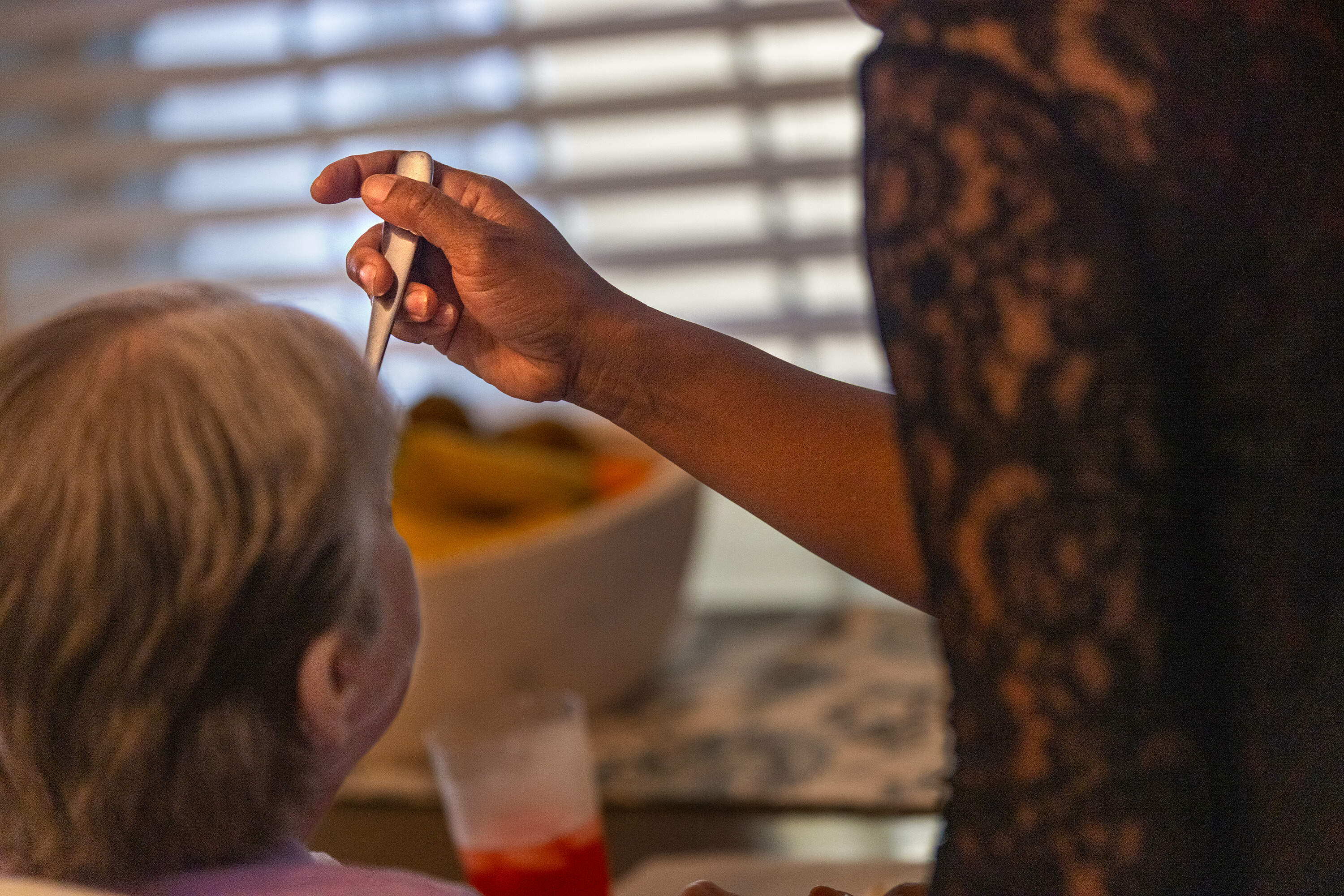
None of the nonprofit's Haitian workers with TPS wanted to be interviewed due to fear of being targeted by immigration authorities. Over the past month, 15 of them left the organization, according to its president and CEO, Chris White. Four of them had their work authorizations expire, and the rest simply stopped coming to work — likely due to the same fear surrounding their legal status, he said. Two of them reported that they had moved to Canada.
The organization will be forced to terminate workers who lose TPS and have no other legal status in the U.S., White said.
He spoke with Lynn Jolicoeur for WBUR's All Things Considered.
Interview Highlights
About the workers and residents in Road to Responsibility's group homes:
The group home in Marshfield "is almost entirely staffed by Haitian workers. [Road to Responsibility] is facing a situation where we could lose up to 116 of our employees. No one can afford to lose 12% of your workforce at any given time. But these folks are performing essential roles. The people we're supporting here would not have the lives they do, were it not for these workers.
"Our workers here do every part of life with these individuals. ... And the reality is, for most of our residents, the staff become their family. ... It's a vital social lifeline. People with intellectual and developmental disabilities tend to be far more prone to loneliness ... and so when staff leave, it is devastating ... and it's very difficult for them to develop trust again. It took months for these residents to develop trust in these staff members, and were they to go, it would set everybody here back."
On what the workers are going through, knowing their legal protection in the U.S. is threatened:
"It breaks my heart thinking about it, because these are good people who are working hard — in some cases working for us for years, paying taxes, doing all the right things — who may be forced to go back to a place where, when I speak to our employees from Haiti, they're truly afraid they're just going to be killed.
"None of the workers I've talked to want to go back to Haiti at all. They are terrified, and they're trying to find any avenue they can to be able to legally stay here. These are folks who were invited by our government to come here, were vetted by the government ... and it's a shame.
"I'm really hoping that some sort of exemption might be able to be carved out so that these workers can stay in these essential roles. Not long ago, these same workers were volunteering to spend two weeks at a time with people infected with COVID, when we didn't know what COVID was about — just that people were dying from it. And these folks volunteered to stay and take care of our members during that. And so now it just feels like a betrayal."
On the public debate of whether immigrants are taking jobs from Americans, or conversely, taking jobs many Americans don't want:
"I've been working in this field for 46 years, and it's always been a challenge to hire. ... The COVID pandemic decimated the workforce as much as anything. And it's taken us years to get back to pre-COVID levels. Finally, because of the arrival of [more] immigrants from Haiti, we've actually been able to expand services for the first time in five years.
"[But now] I've got 150 vacancies. If there are some U.S. citizens who would like to come down and apply and work with our [residents], please come down. We can use your help. The reality is, people aren't knocking down the doors. ... it's a kind of work that isn't for everybody. And our Haitian workers serve a great purpose, because they bring a very caring, compassionate and willing attitude to work every day."