Support WBUR
Boston's Weekly Health Newsletter
What it's like to get an ADHD diagnosis as an adult

Editor's Note: This is an excerpt from WBUR's weekly health newsletter, CommonHealth. If you like what you read and want it in your inbox, sign up here.
Students are heading back to classrooms, where many teachers are on the lookout for symptoms of ADHD. But adults can be diagnosed with this neurodevelopmental disorder, too. And research suggests their numbers are rising.
According to the National Center for Health Statistics, 15.5 million Americans have ADHD, and roughly half were diagnosed as adults.
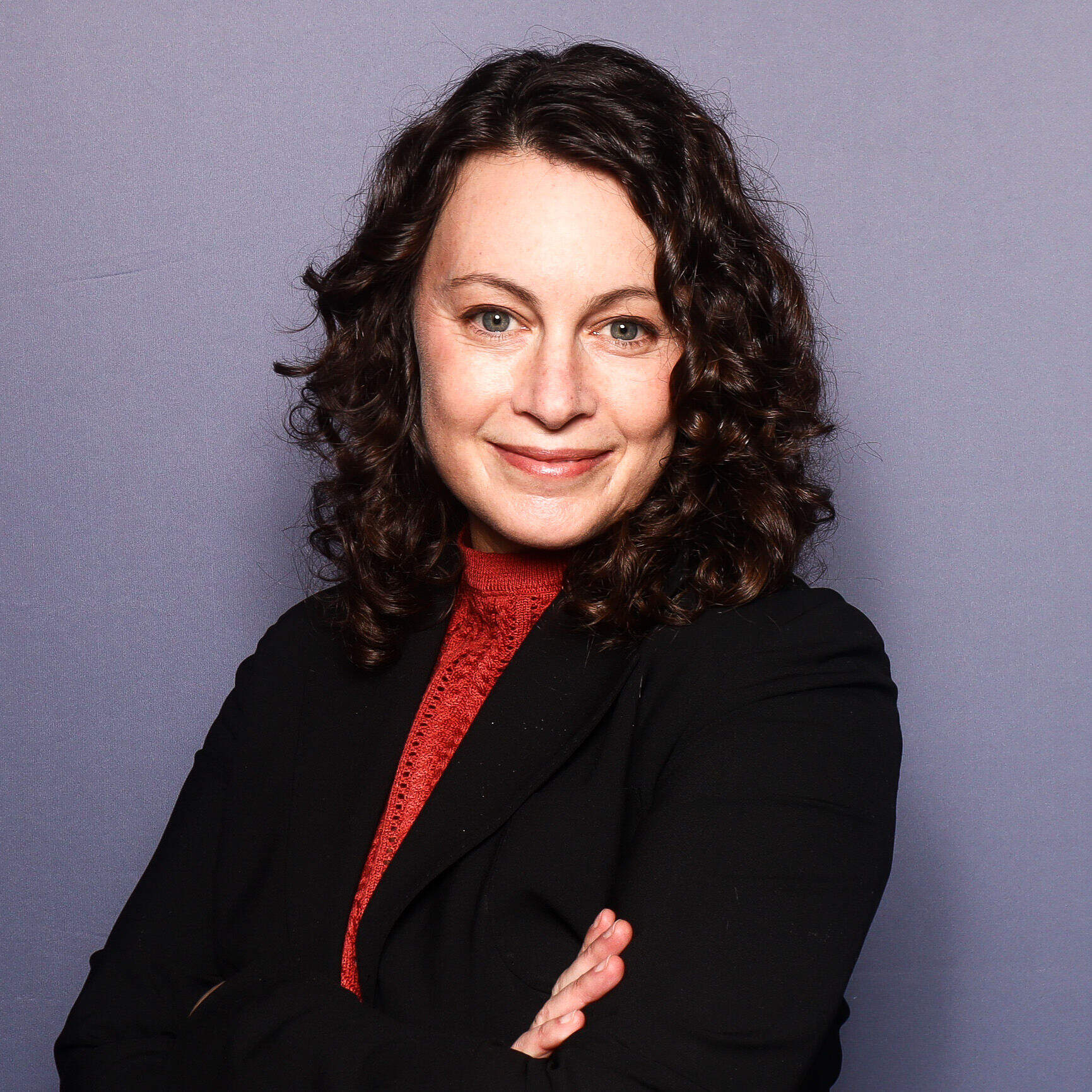
Massachusetts resident Anna Burns is among them. She's one of several newsletter readers who got in touch after we asked about experiences with ADHD in adulthood.
Before her diagnosis, Burns told me there were many things in her life that didn’t make sense. For example, in graduate school she felt like she had to work much harder than her peers. Later, in her job as a physical therapist, she struggled with documentation. And years of therapy and medication for depression and anxiety hadn't totally worked.
“I remember just feeling like I should be feeling better,” she said. “But I was completely overwhelmed.”
This was all coming to a head after Burns gave birth to her son in 2020. She was 39, and the COVID pandemic was in effect. She was trying to start a business and take care of an infant through a swirl of postpartum hormones. Burns found herself unable to “get things organized, to follow through on things, to finish tasks.”
“It was just so hard for me to get through my days,” she said.
Hope for relief came when her sister sent her a book about women and attention-deficit/hyperactivity disorder. Burns recognized herself among its pages.
“Everything was underlined,” she said. “I had, like, notes in the margins, I had flags and Post-its and everything.”
It felt as though a missing puzzle piece was shifting into place. Later, she got tested and confirmed the diagnosis. It was validating, she said, after years of negative self-talk, guilt and shame.
“I kind of thought that all this struggle was just, like, character flaw, right? Like I wasn't trying hard enough, I wasn't organized enough,” she said. “I think to me, it was incredibly freeing.”
Now, Burns works as a coach for other women with ADHD, sharing skills and strategies she’s learned. She said some clients express frustration that no teachers or parents identified their symptoms when they were younger.
“I do talk to clients who have a lot of, kind of, sadness and grief around it. Like, ‘I wish this was found sooner. I could have done something so different with my life,’ ” Burns said.
She believes women and girls tend to fly under the radar because their symptoms are more likely to manifest as inattentiveness, rather than the hyperactive “bouncing off the walls” many people associate with ADHD. Studies also suggest women’s symptoms may be exacerbated by hormonal shifts. Burns would like to see more research on ADHD in women and girls to improve diagnoses and treatment.
Scientific understanding of ADHD is changing, according to Dr. Maire Daugharty, a psychotherapist and anesthesiologist based in Denver who spoke with WBUR’s Here and Now. She said the symptoms may look different in adults than children.
“The predominant difference that we see is children who are diagnosed with ADHD hyperactive type tend to be more overtly hyperactive, whereas adults it’s things like knee jiggling or a need to interrupt people,” she said. “Adults also learn numerous coping skills so that they look very different in adulthood compared to childhood.”
From Burns' perspective, ADHD brings challenges, but she'd like to lessen the stigma of this diagnosis. She said many people with ADHD are excellent problem solvers.
“ADHD can be a superpower,” she said. “I think there are lots of positives around it. We are very creative. We pivot very easily. We're flexible thinkers. We're empaths.”
Click here to read more takeaways from Here & Now's segment with Daugharty about adults and ADHD, including how it can impact relationships and why some primary care doctors may not be attuned to the condition.