Support WBUR
34,000 Mass. residents will lose health coverage Jan. 1 following federal cuts
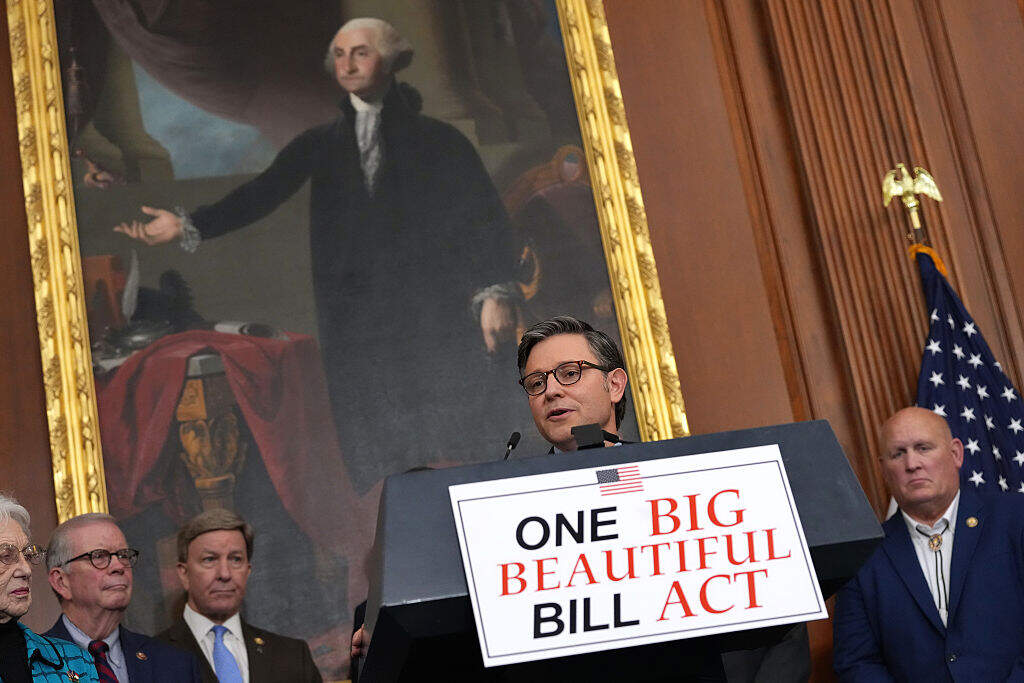
Roughly 34,000 legal immigrants in Massachusetts will be the first group of residents to lose government-subsidized health insurance under changes signed into law by President Trump last month. Most are working-age adults, although the cuts will also hit some children and seniors.
In response to the change in federal law, the state will discontinue a category of plans known as "Type 1" that are offered through the Massachusetts Health Connector, the state-run health insurance marketplace. The category was created to cover legal immigrants whose income is low enough to qualify for Medicaid, but who can't apply for that program until they've been in the U.S. legally for 5 years.
All of the people losing subsidies reported income below the federal poverty line this year. They include low-wage and part-time workers, stay-at-home moms, international students, Green Card holders, residents who’ve applied for asylum and some who’ve been granted temporary protected status.
Type 1 plans are currently funded almost entirely by the federal government. They cover nearly all medical care, although enrollees may have co-pays for brand-name drugs. That ends on Jan. 1 because the federal budget and reconciliation law, passed along party lines in the Republican-controlled Congress, says this group of extremely poor, legal immigrants no longer qualify for federal subsidies under the Affordable Care Act.
The state's Health Connector has started notifying residents about this and other changes to subsidized plans. Some other federal subsidies for health insurance are set to expire next year under the same tax and spending law, and residents who received those subsidies will see their premiums increase.
Individualized letters explaining the loss of assistance are expected to go out by October.
The elimination of subsidies for 34,000 immigrants will coincide with the 20th anniversary of Massachusetts’ landmark 2006 health coverage law, which sought to achieve near-universal health insurance for state residents. Audrey Morse Gasteier, the Health Connector’s executive director, called the timing “painful.”
“Massachusetts has spent the better part of two decades working to bring all lawfully present residents into the ranks of the insured,” Gasteier said. “Rolling back those promises and principles that have animated the work that Massachusetts has been doing is really heartbreaking.”
The Health Connector has invested significant time and resources in outreach to immigrants, Gasteier said because helping all residents stay healthy is good for immigrants and citizens alike.
Last year, only 41% of legal immigrants enrolled in free coverage filed a medical claim, according to federal data. Gasteier said when fewer people make claims under their health insurance, that helps moderate prices for everyone.
“All that work is really being undone in a lot of ways by the federal government pulling these supports away from people who played by the rules, came here lawfully, and deserve the same health coverage that everybody else does,” Gasteier said.
Some residents caught in this initial wave of cuts may qualify for other types of insurance. International students will likely be required to buy insurance on their own. In other cases, a change in immigration status, increased income or new children could make residents eligible for other subsidized plans.
Gasteier said the federal government will save about $250 million a year by ending subsidies for the lowest-income legal immigrants in Massachusetts. It isn’t clear if Gov. Maura Healey or legislative leaders will propose that state taxpayers assume this cost.
"While no state has the resources to make up for these devastating cuts, we are evaluating every option for protecting people's health care in Massachusetts,” Healey said in an emailed statement.
Advocates for low-income residents and immigrants said losing access to nearly free health care will harm patients and the state’s health care sector.
“Unless we're able to help people find other health coverage or expand existing state programs, we're looking at 34,000 people who are here lawfully, having no recourse when they're sick or injured, except our overcrowded emergency rooms,” said Vicky Pulos, a senior health law attorney at the Massachusetts Law Reform Institute.
When people are uninsured and can’t afford care, the costs are often passed along to taxpayers, or hospitals seek to offset this by raising prices, which increases the cost of health insurance overall.
The Healey administration estimates Massachusetts will lose $3.5 billion a year once all of the health care cuts included in the Trump reconciliation bill are in place, and that 300,000 residents will lose their health coverage.
“Nobody should have to worry about getting access to the healthcare they need,” said state Sen. Cindy Friedman, co-chair of the Joint Committee on Health Care Financing, in an email about the first Massachusetts residents slated to lose insurance subsidies. “We are currently looking at these specific provisions, as well as the ramifications of the entirety of the reconciliation bill, and will be talking to our colleagues and partners about available resources.”
Massachusetts Speaker of the House Ron Mariano's office did not return messages seeking comment.
Republican leaders in the Massachusetts Legislature did not respond to questions about whether they support using state funds to cover residents who lose health insurance because of Trump administration changes.