Support WBUR
Boston's Morning Newsletter
3 takeaways from WBUR's investigation into Massachusetts' strict time limits on prosecuting rape
Editor's Note: This is an excerpt from WBUR's daily morning newsletter, WBUR Today. If you like what you read and want it in your inbox, sign up here.
Boston's waterfront is in for an extra high tide — and potentially minor flooding — this afternoon due to the return of the king tides. The seasonal tides are expected to peak around 2:30 p.m., so beware of flooding in areas like Boston's Morrissey Boulevard and Long Wharf (where Stone Living Lab staff will be hosting a little lesson on climate change).
Now to the news:
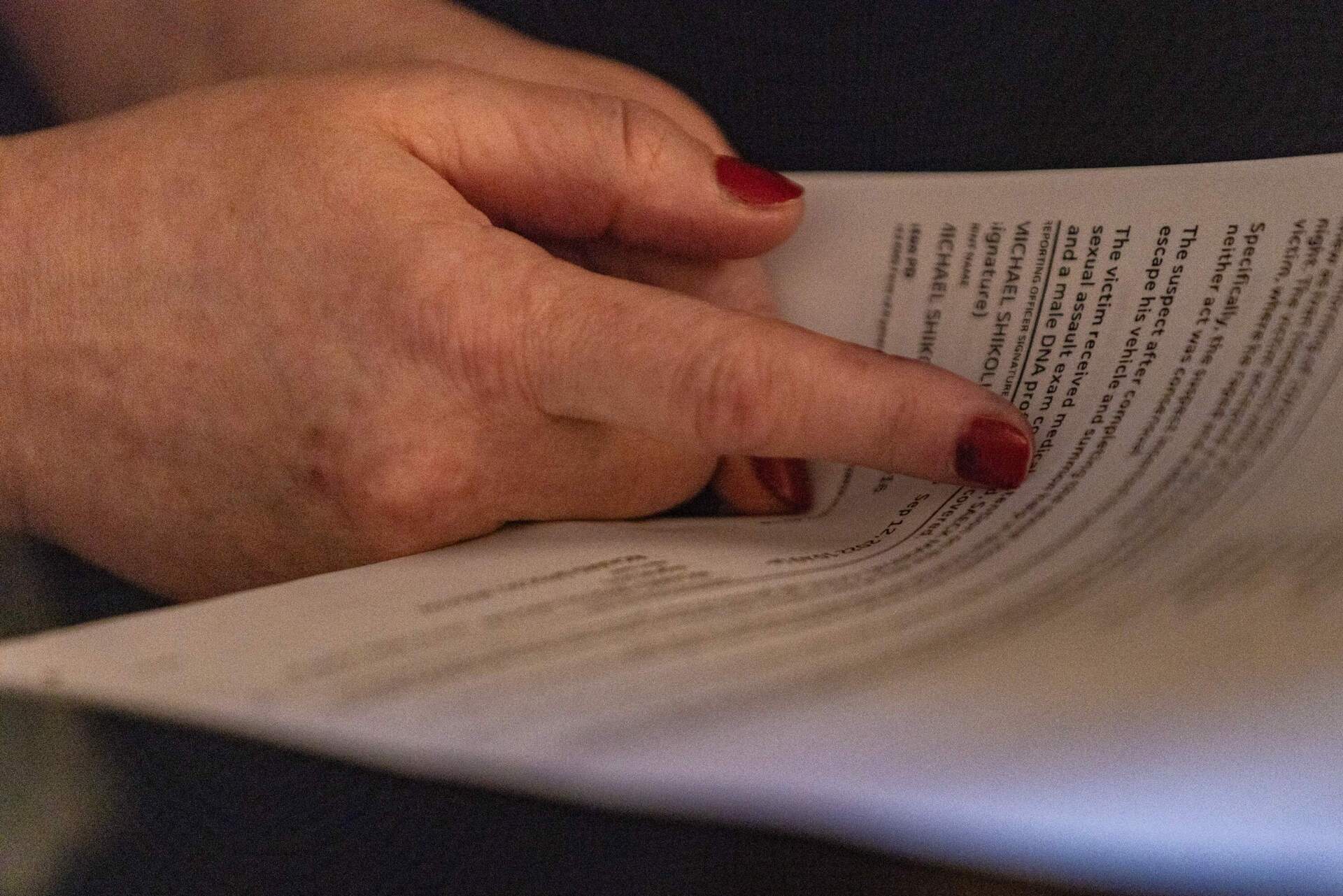
Massachusetts has one of the strictest limits in the country on the time prosecutors have to press charges in a rape case. And police reports of rape cases are secret under an unusual state law, which makes it difficult to find any official records about a rape unless a suspect is charged. However, a new investigation by WBUR’s investigations team and ProPublica gives the public a rare look into how those limits work — and what happens when no one can be held accountable. Here are three takeaways:
- A national outlier: Every state sets its own statute of limitations for different types of crimes (i.e. how long after an incident someone can be charged for a crime). When it comes to rape cases, a number a states, such as Vermont and Maryland, have no deadline to file charges. But in Massachusetts, the deadline is 15 years. According to a review by WBUR and ProPublica, as many as 47 states allow more time to charge rapes or similar assaults of adults.
- A restrictive rule: Some states, like Texas and Montana, allow the deadline to be extended when there’s DNA evidence. That’s not the case in Massachusetts. State law prevents prosecution of rape suspects after 15 years, even when investigators think new evidence, including DNA, could lead to a conviction. Defense attorneys say that lengthening the deadline risks violating the rights of the accused. “The further and further you get away from the alleged commission of the crime, the harder it is for someone to ever mount a defense,” said Shira Diner, a board member for the Massachusetts Association of Criminal Defense Lawyers.
- Legislative changes: As it became clear in the last two decades that forensic science could help solve very old cases, many states changed their laws to extend the amount of time prosecutors have to charge a suspect. For example, Oklahoma passed a law that gives law enforcement more time when there is DNA evidence. Similar legislation has been introduced in the Massachusetts Legislature every year since 2011. But it has yet to gain traction. A bill introduced by state Rep. Adam Scanlon, a North Attleborough Democrat, to allow charges past the deadline in certain cases with DNA evidence is currently pending in the House. “I don't think people want to live in a society where we have evidence that connects people to a heinous crime, and say, ‘Well, we know this guy did it, but we're not going to do anything,’ “ Scanlon said. (Read the full investigatory piece here.)
Blue skies at night: The Zakim Bridge. The Prudential Center. Fenway Park. Those are just three of 20 buildings and landmarks around Boston that will be basked in blue beginning at dusk tonight as a tribute to those who died in the Sept. 11 attacks at the World Trade Center. The man behind the tribute is Gogi Gupta, a Boston-based ad executive, who told WBUR's Dan Guzman he was inspired to do something after working with young people who didn't grasp the gravity of the 9/11 anniversary. He chose blue lights based on what's used at the 9/11 Memorial & Museum in New York City.
- A growing tradition: This isn't the first time Gupta has illuminated the Boston skyline to mark 9/11. Last year, he managed to light up nine buildings on the anniversary of the attacks. He hopes locals will notice the blue "and take 10 seconds to just pause and reflect," Gupta said.
- Meanwhile: More than a thousand volunteers will gather in Brighton today as part of a nationwide "Day of Service" in commemoration of the attacks. Volunteers partaking in 911 Day Meal Pack Boston will put together more than 350,000 meals for the Greater Boston Food Bank. And on Beacon Hill, a group of high schoolers were invited to a State House roundtable today to share their thoughts and ask questions about the attacks. The ceremony will also include a reading of more than 200 names of people from Massachusetts who died that day 24 years ago.
P.S. — A new MBTA ferry is now named after one of Lynn’s most famous residents: Frederick Douglass. The MBTA selected the name from a number of submissions by local students over the summer. The winner and their classmates got a chance to celebrate with Lt. Gov. Kim Driscoll, MBTA General Manager Phillip Eng and MassDOT Secretary Monica Tibbits-Nutt during a rededication ceremony in Lynn yesterday. (And yes, they got a free ferry ride.)