Support WBUR
Boston has new liquor licenses. Why aren’t more restaurants applying for them?
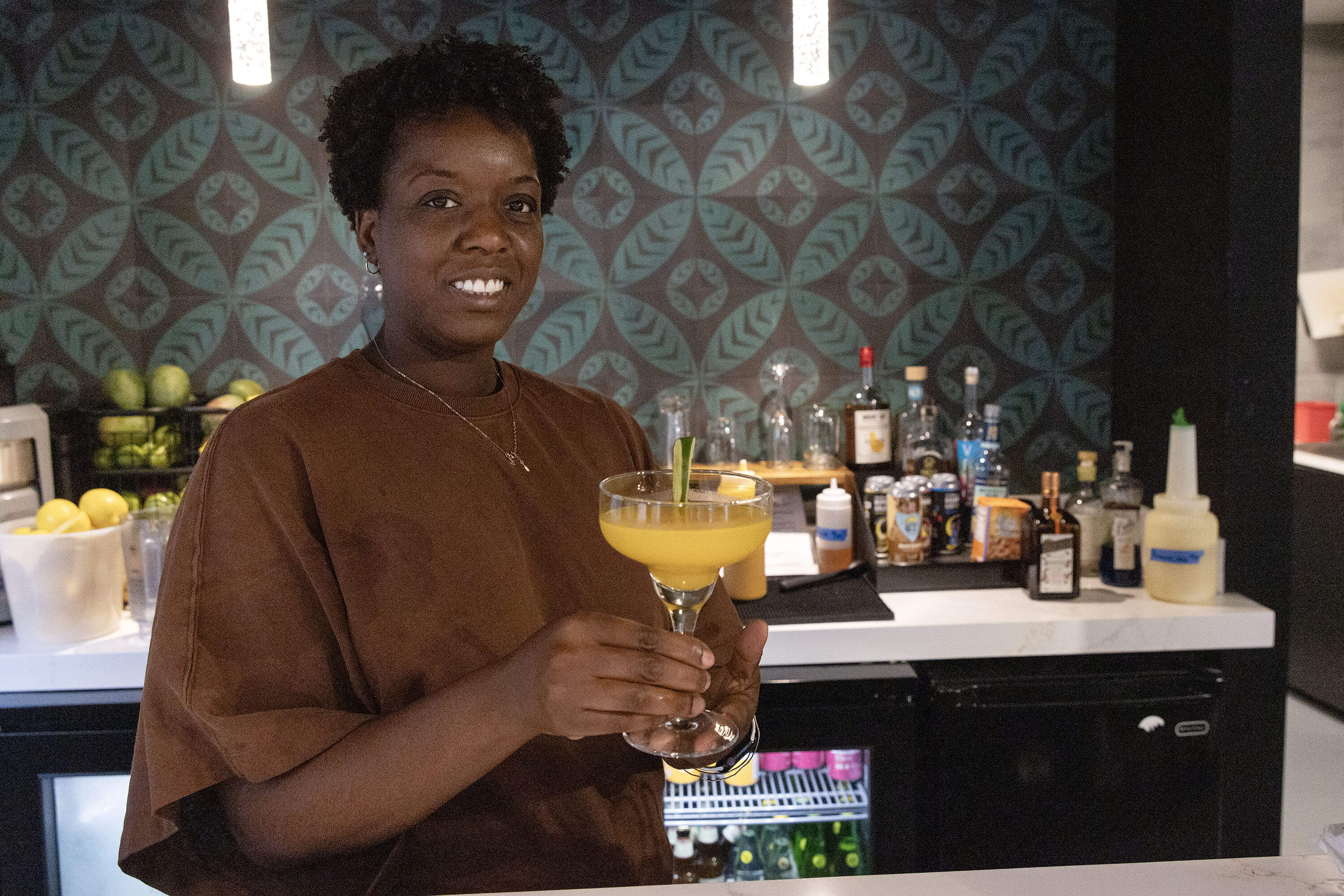
For years, Cassandria Campbell wanted a liquor license for her Dorchester restaurant. She initially applied for one in 2021 after she opened Fresh Food Generation in Codman Square, her first brick and mortar operation after running a food truck and catering business for half a decade.
But when her application for a liquor license landed in front of the city, the licensing board told her there weren’t any available. There was no waitlist to hop on and no other options — unless she knew a business selling one. She applied multiple times but was unsuccessful.
”It sort of just felt like something that would never be available to us, to be honest,” Campbell said.
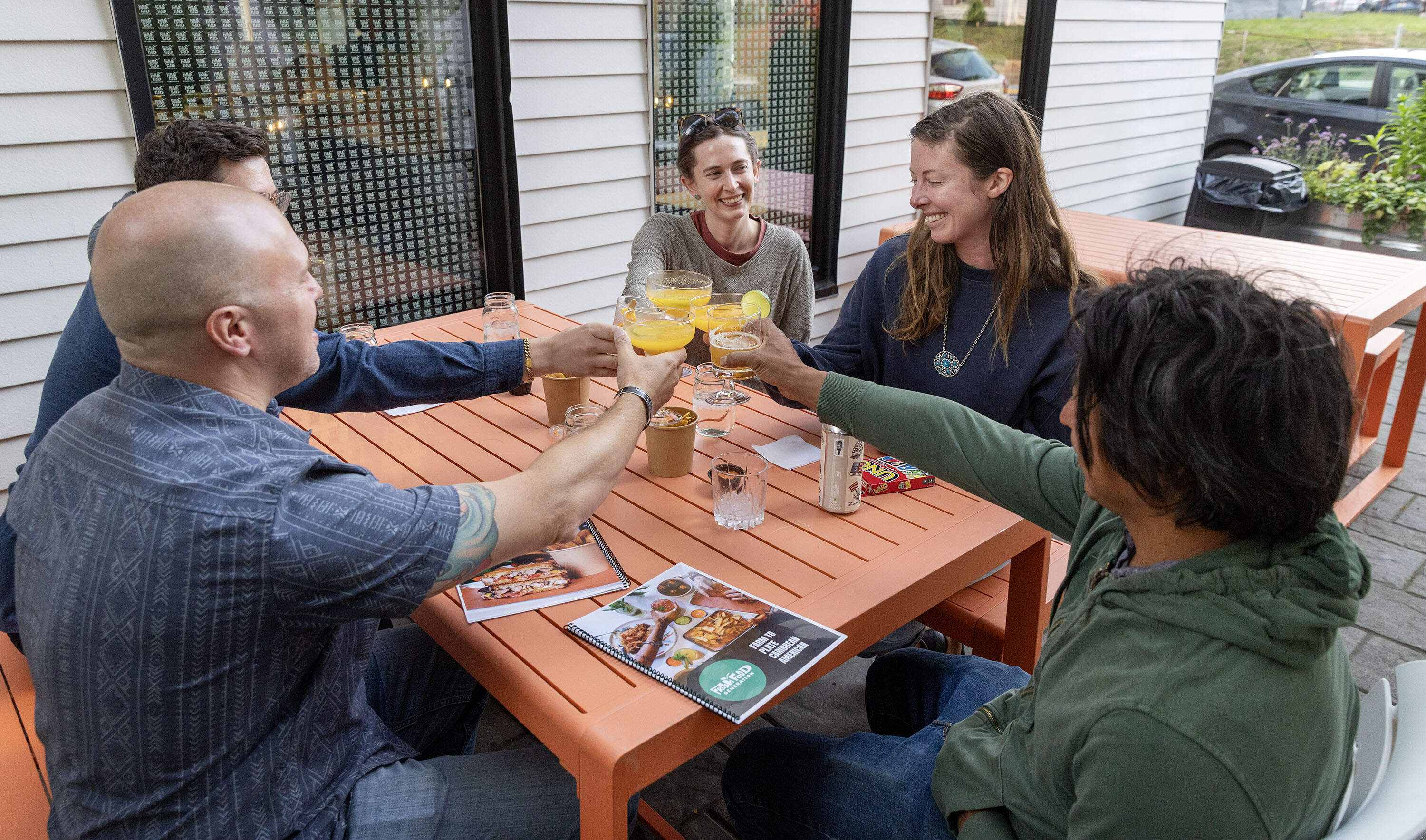
But four years later Campbell just got her break. Fresh Food Generation is among the 61 businesses that have received initial approval from the city’s licensing board. Of those, half have final approval and their license in hand. They’re part of the 225 licenses allotted to the city last fall by the state legislature — the largest influx of new licenses to Boston since the end of Prohibition.
For the business owners who’ve applied, it’s an opportunity to grow. Yet uptake has been low in most city neighborhoods — especially in communities the licenses were designed to uplift.
'A game-changer'
For decades, many of Boston’s neighborhoods were largely left out of the liquor license game, hampered by cost and a lack of connections. The city has more than 1,000 on-premise liquor licenses — mostly for bars and restaurants — with more than half in neighborhoods in and around downtown, from Fenway to Beacon Hill. East Boston has just over 100, with nearly half of those at Logan Airport.
All other neighborhoods have fewer than 80 licenses each, with Hyde Park, Mission Hill and Mattapan each having 10 or fewer licenses.
“It sort of just felt like something that would never be available to us.”
Cassandria Campbell, restaurant owner
That inequity is partly because unclaimed licenses are scarce and can be expensive when they become available. Some have reportedly been sold for upwards of $600,000. A limited supply means when a liquor license becomes available, it’s usually sold to the highest bidder. This pay-to-play system often excluded smaller restaurants and business owners who didn’t know the right people and didn’t have the capital to invest.
The new licenses are an attempt to provide opportunities to businesses that have been at a disadvantage with the current system. The majority of the newly available licenses are zip code restricted, meaning they are reserved for zip codes in 10 select city neighborhoods, including Dorchester and Roslindale.
Three licenses are also reserved for Brighton’s Oak Square and 15 are reserved for “community spaces” anywhere in the city — places that want to serve alcohol that aren’t a bar or restaurant, like event spaces and even a yacht club.
For the location restricted, if a business gives up a license for whatever reason, it can only be given to another business in its same zip code. This means licenses are able to stay in the neighborhood.
Boston Mayor Michelle Wu has long been an advocate for reforming the system. It was her petition last year that kickstarted the process to get the new zip code restricted licenses. This summer, Wu said a license could be "a game changer" for some businesses.
“It can double a corner shop's revenue," Wu said in July. "It can help a family build wealth. It can turn a restaurant with an empty back room into the newest open mic stage."
That’s part of the motivation for One Family Diner on Bowdoin Street in Dorchester. They are now selling beer and wine after getting their license in the spring. Co-owner Rachel Silveira bought the business from her family, nearly 40 years after her dad first started working there as a dishwasher when he moved to the U.S. from Trinidad.
Silveira said her parents were “old school” and never pursued a liquor license. Instead, they focused on serving breakfast for the community.
“Their favorite customers are still here to this day," she said.
Silveira sees offering beer and wine as an opportunity to expand the business.
They also plan to extend their hours and start serving traditional Trinidadian food, something customers have been asking for, she said. The liquor license means they can start hosting and catering events like baby and bridal showers.
“We're kind of just trying to keep business going where we can kind of boost it up, so we could be here for another 10, 20 years,” Silveira said.
'The foundation's not there yet'
Some restaurants have jumped at the opportunity for a license. But in most neighborhoods, location-restricted licenses are still available. Dorchester has only claimed a third; Jamaica Plain has only used half. Mattapan, West Roxbury and Charlestown have each used just one of their 10 licenses.
Only East Boston and Brighton’s Oak Square have claimed all the licenses available.
Hyde Park has only received three licenses of the 10 available for the neighborhood. Hyde Park Main Streets executive director Thien Simpson said applying for a license can be cumbersome for some business owners because there are so many steps.
“Unless you have somebody holding your hand, this process can be overwhelming,” Simpson said.
There are also fewer new restaurants opening in places like in Hyde Park and Mattapan, she says.
“It's not because they don't want it, it's just that the foundation's not there yet,” Simpson said.
When more restaurants do come online, the city will be ready to help owners through the application process, said Danny Green, executive secretary for the Boston Licensing Board. The board sent out postcards to all city restaurants who don’t have a license letting them know about the new opportunity. They’ve also hosted a series of information sessions and plan to have more this fall — alongside biweekly office hours — to answer any questions.
Green said the board is also following up with restaurant owners who have attended an event but haven’t applied for a license yet.
“What are your pain points? What happened in the application? Do you need more support than was available? What are your plans moving forward?” Green said they asked.
“Unless you have somebody holding your hand, this process can be overwhelming.”
Thien Simpson, Hyde Park Main Streets executive director
Green said the licenses aren’t only going to traditional restaurants. For instance, an ice cream shop in Roslindale will soon offer alcohol-themed desserts.
“ That's exciting for the board to see, “ he said. “It’s not one size fits all.”
This fall, the board plans to approve a new batch of liquor license applications. A City Council subcommittee has also scheduled a hearing for Monday on a measure that would allow those with beer and wine licenses to upgrade to all-alcohol.
Planning for the future
Campbell, of Fresh Food Generation, finally got her all-alcohol license at the beginning of the summer. The process, she says, was a long one. They held four community meetings, one with the city and three with local neighborhood groups. From there, the city gave them initial approval for a license. Then the state’s Alcoholic Beverages Control Commission had to vet them. This included a visit from a state special investigator.
“He helped us look at our physical space to make sure that we could be in compliance, [and] gave us some advice,” Campbell said.
They also had to get liquor liability insurance and train their staff on how to serve alcohol. Once they got approval from the state, they had to get another round of approval from the city, including paying fees. At a minimum, these zip code restricted licenses cost just under $500, with the business having to pay anywhere from $50 to a couple thousand more depending on the type of business they have.
Campbell said once they had their license, then they could talk to alcohol distributors and start developing relationships to get products on their shelves.
“I would say it's almost an eight- to 10-month process to get to the point where we could confidently put out our very first drink and have the right licenses, permits, infrastructure and educational understanding amongst our team,” Campbell said.
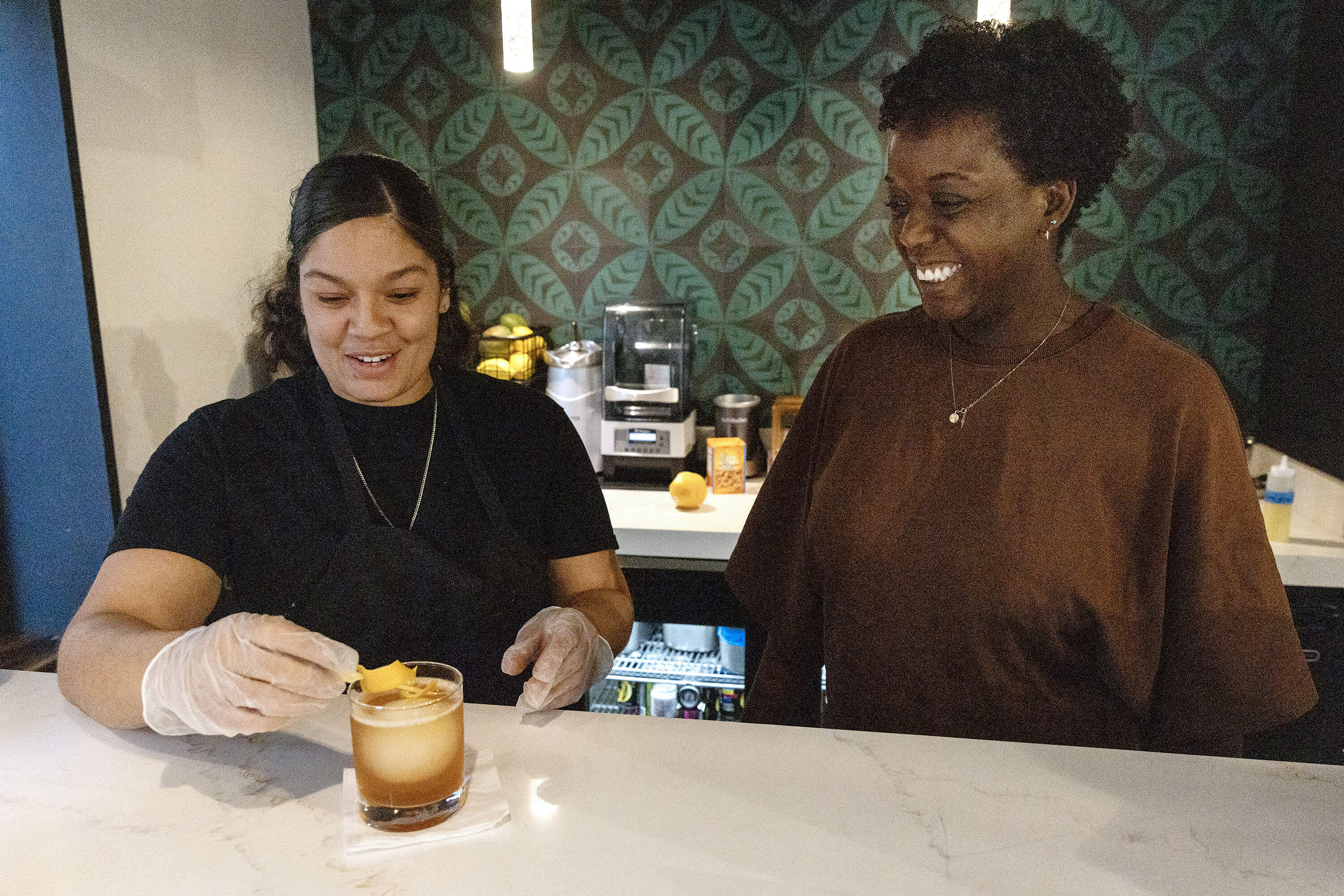
But finally having a license means Campbell can start thinking about the future.
“We are still so excited,” she said “I think I was speechless for a while when we found out [we got one.] It’s a big deal.
That future includes potentially opening a second location down the road since she expects alcohol sales to bring in more revenue as customers ordering drinks tend to spend more money.
“The liquor license is helping to make this place a success just in its very nature of how it changes the way people dine in and eat with us,” Campbell said.