Support WBUR
Mass. extends nutrition education program another year as federal funding runs out
Massachusetts is delaying the end of a federal nutrition education program designed to help people with limited income learn how to cook and eat healthy food.
The organizations in Massachusetts who administer SNAP-Ed, an extension of the Supplemental Nutrition Assistance Program, have used the funding to teach people how to buy, cook and store healthy food and to maintain community gardens.
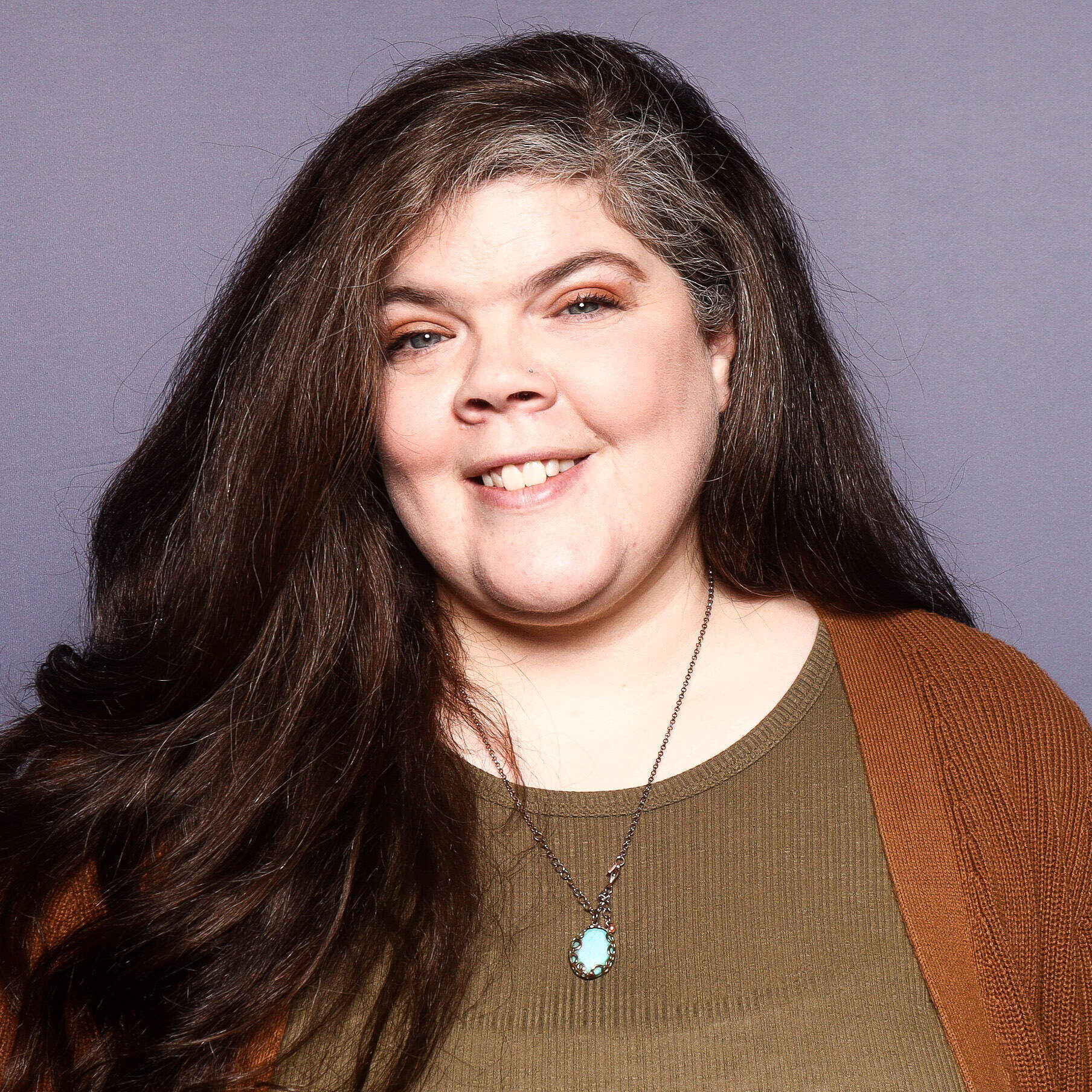
“We're really trying to make communities make a lifestyle change that's going to carry over for future generations,” said Kristin Foley, with Ascentria Care Alliance, which administers SNAP-Ed in central Massachusetts.
More than 2 million people have participated in SNAP-Ed in Massachusetts over the last decade, according to data from state officials.
But legislation signed by President Trump eliminates funding for the program nationwide starting Oct. 1. Massachusetts officials said they still have about $6 million in existing funding, and will stretch those dollars to continue the program into next summer.
The U.S. Department of Agriculture is allowing states to rollover unspent funds as long as they are used by September 2026. A specific spending plan has not yet been approved by the USDA, according to the state’s Department of Transitional Assistance, which manages the program.
The elimination of SNAP-Ed is part of an overall push to cut federal spending. Its critics say it's duplicative, because there are other federal nutrition programs. In May, the House Committee on Agriculture wrote in a memo that Trump’s budget bill, “ends a program that has yielded no meaningful change in the nutrition or obesity of SNAP participants.”
Christina Maxwell, director of programs for the Food Bank of Western Massachusetts, disagrees. She said she thinks eliminating the program is taking tools away from people that need them.
“If we're trying to make people healthier, this is not the way to do it because nutrition education is part of being healthy,” Maxwell said.
Studies have shown that SNAP-Ed programs across the country improved food security and eliminated “nutrition-related health disparities.”
The Food Bank of Western Massachusetts will maintain its regular funding amount this upcoming year: just over $400,000, according to Maxwell. That pays for four nutrition educators to travel to schools, senior and community centers across the state, in areas with high rates of food insecurity.
For many SNAP recipients, she said, “learning how to use their dollars most effectively at the store is important.”
Maxwell said the food bank will continue to provide nutrition education, even when SNAP-Ed funding ends. But the program will be scaled down, and look different.
The other three organizations that administer the program in Massachusetts — Ascentria Care Alliance, the YMCA of Greater Boston and UMass Amherst through its Center for Agriculture, Food and the Environment — also say the program’s future will depend on their ability to get more money to run it.
Ascentria has run SNAP-Ed for almost 15 years. They are slated to get roughly $660,000 for the next fiscal year, half of what it costs them to run their program.
Part of their programming involves maintaining around a dozen community gardens — some on school grounds in order to provide fresh food to cafeterias. Others are used to grow food for local food pantries and to sell at farmers markets.
Kristin Foley said the organization plans to phase out SNAP-Ed by next summer unless they can find grant money or private donations to fund it in the future. Foley’s staff is putting together training materials so schools and community centers can continue teaching nutrition even after the program ends.
While they’re pursuing all those funding opportunities, Foley said she's being realistic.
“It's very competitive,” Foley said. “Everybody that has lost funding is looking at the exact same grant opportunities, so we are very much aware that the likelihood of being able to continue programming into the next fiscal year is most likely not going to happen.”