Support WBUR
Review
At the Brattle, two films capture different parts of the teen experience
When you’re a teenager, everything feels like the end of the world. So much so that something like the actual end of the world can be relegated to background noise. Climate catastrophe and incipient fascism lurk on the periphery of writer-director Neo Sora’s tender coming-of-age story “Happyend.” The film takes place at a Japanese private school in a very near future where society is waiting on tenterhooks for an earthquake that’s predicted to cause unprecedented devastation. But nobody knows exactly when it’s coming. In the meantime, boys will be boys, and the film follows two class clowns approaching graduation and growing apart. It’s like if “Superbad” took place on the eve of the apocalypse.
“Happyend” was a highlight of this past spring’s Independent Film Festival Boston, and returns to the Brattle Theatre this Friday, Oct. 3, through Wednesday, Oct. 8. In the most inspired bit of programming I’ve seen in some time, it’s playing alongside a new 4K restoration of Nobuhiro Yamashita’s beloved 2005 teen classic “Linda Linda Linda.” The tale of a punk rock girl group struggling to get their act together in time for a school talent show has been out of circulation for ages, but this 20th anniversary reissue will hopefully introduce a whole new generation to the gals of Paranmaum. The two movies aren’t technically being shown as a double feature, but if you go see one, you should definitely stick around for the other.
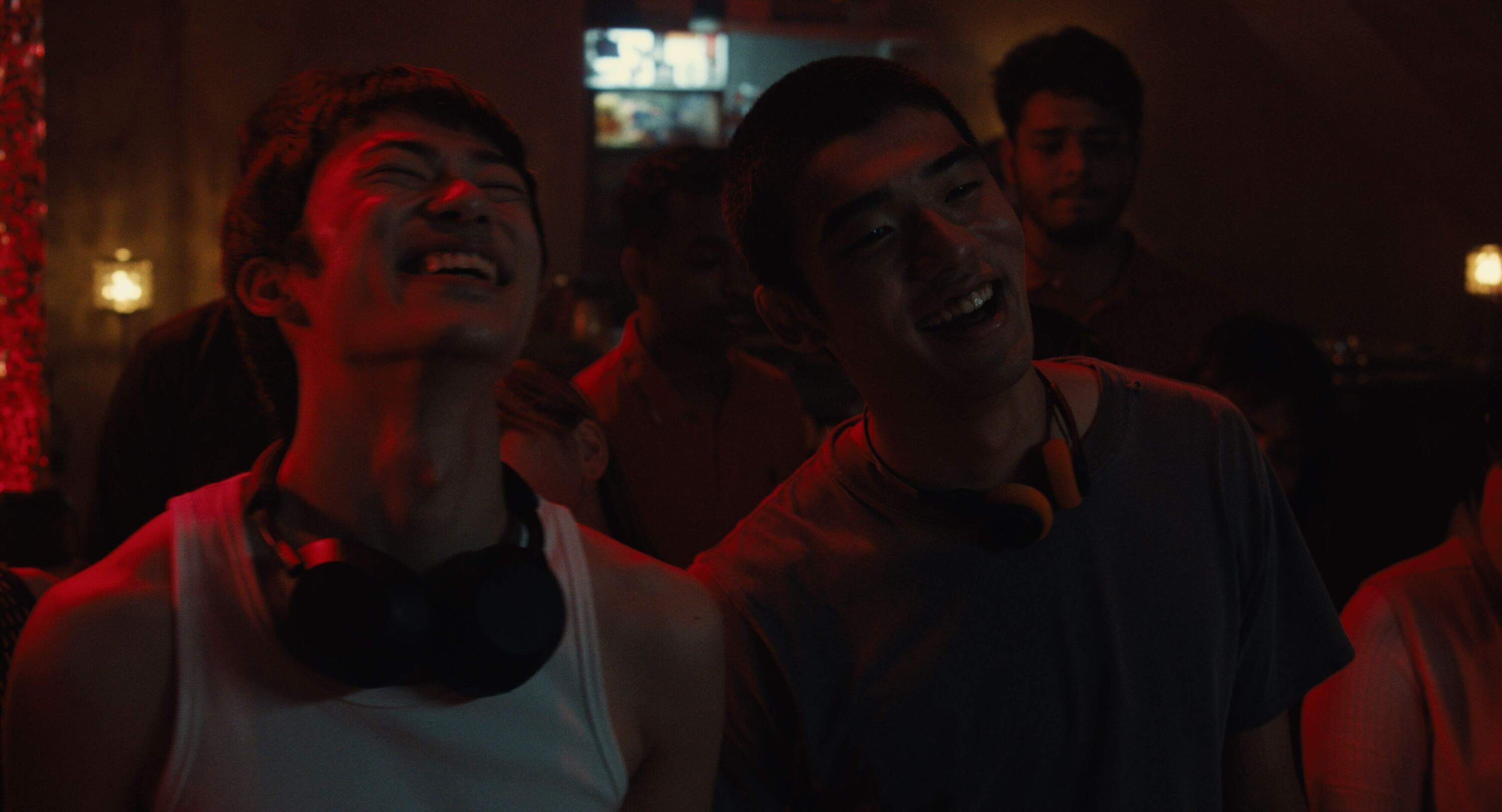
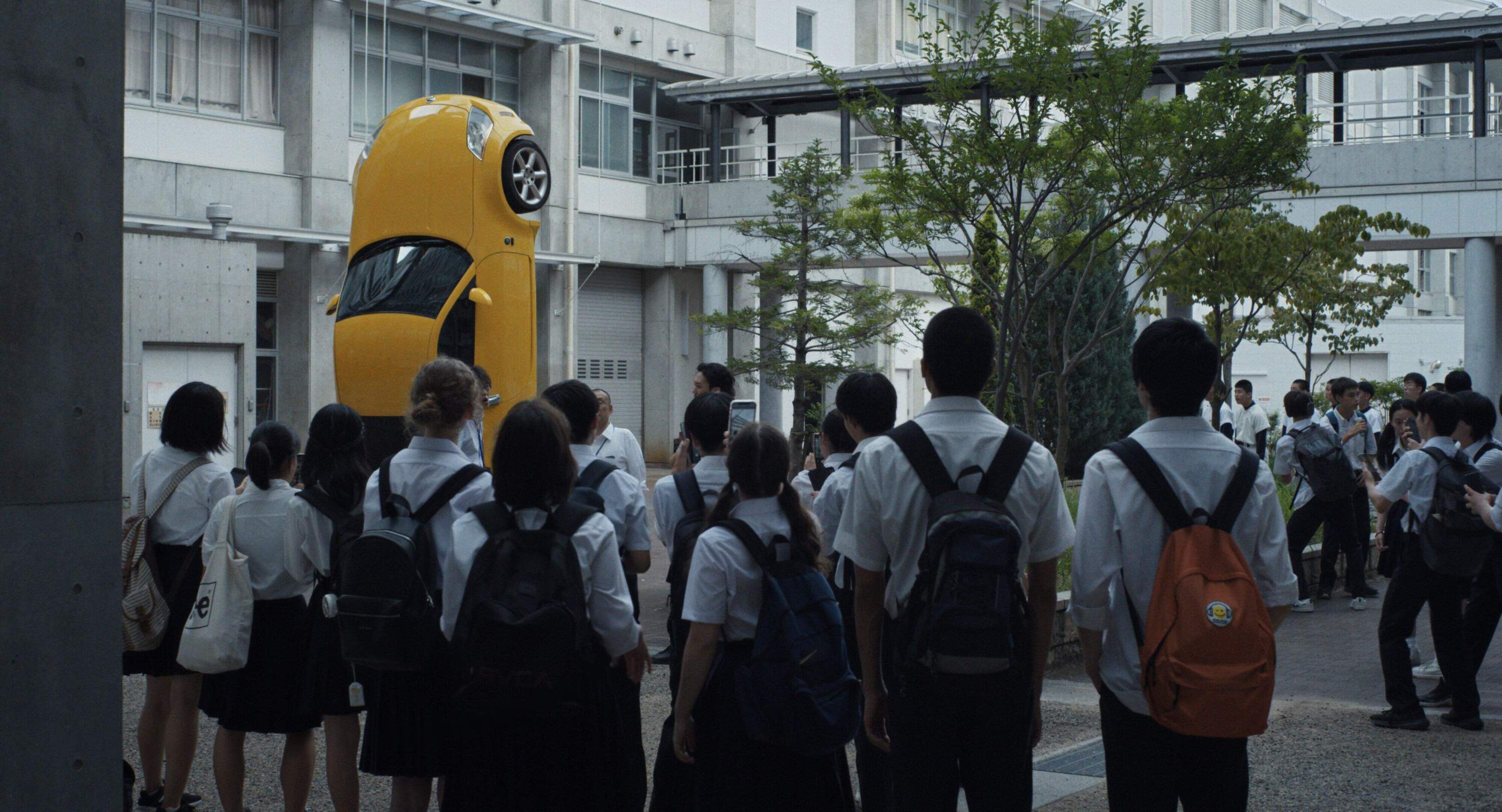
A school principal’s gaudy yellow sports car suffers the most severe indignity in “Happyend,” tilted up on its hind bumper like the “2001” monolith thanks to pranksters Yuta (Hayato Kurihara) and Kou (Yukito Hidaka), who got the idea after narrowly escaping an after-hours rave that got raided by the cops. The two teens roll with a mischievous crew of musicians and like-minded troublemakers, all of them friends since they were children, now getting ready to go their separate ways into adulthood. This doesn’t sit well with Yuta, an impulsive child of privilege who wants everything to stay the same as it was when they were little kids. But as the mounting tensions of the earthquake drills and alarms remind us, the world has other plans.
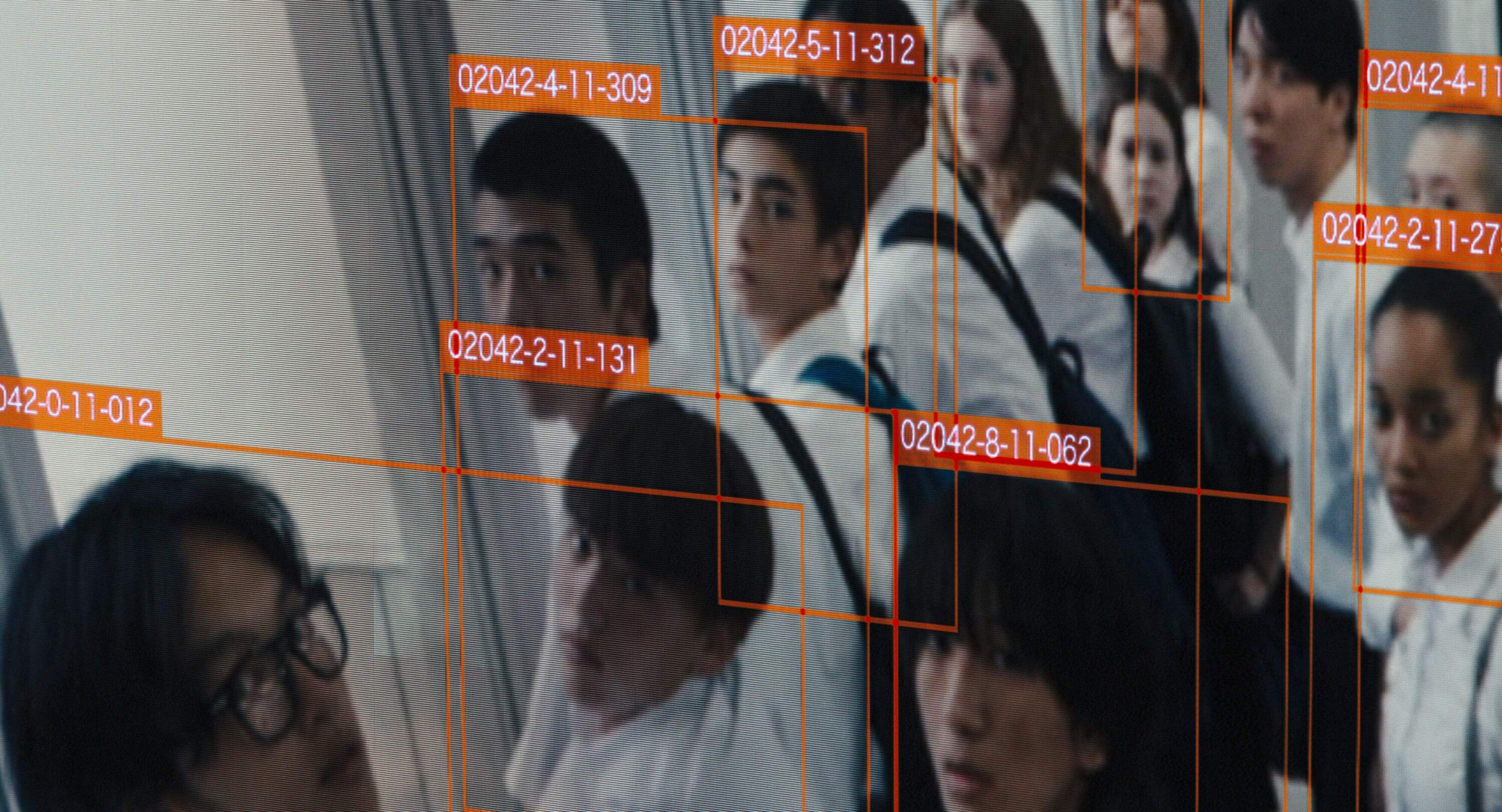
Out beyond school grounds, there’s a prime minister turning the impending crisis into a power grab, declaring emergencies in the all-too-familiar fashion of presidents and dictators when they want to overstep their authority. Inside the classroom, the principal is trying to pull the same tricks, using his precious sports car’s fate as an excuse to install an Orwellian video security system that turns the school into a surveillance state. In response, Kou falls in with a group of student protesters. Like most young male activists, his interest is first aroused by a pretty girl, but blossoms into a full political awakening.
A scholarship student with a vulnerable immigration status (he’s Korean-Japanese), Kou has a lot more at stake than the carefree Yuta. The differences in their backgrounds didn’t matter so much when they were younger, but their paths seem to have diverged some time ago without either of the boys really noticing until now. Director Sora is the son of legendary composer Ryuichi Sakamoto and he has a delicate touch with the material, never pushing too hard on the political drama or climate collapse brewing in the background. The movie has an even-keeled understanding of how, in tumultuous times, we all must still get up and have breakfast and go about our dull, daily routines. It’s also wise to the knowledge that even the closest relationships can eventually — or perhaps inevitably — reach a point where one friend has outgrown the other.
One of my most cherished moviegoing memories is a Brattle Theatre matinee of “Linda Linda Linda,” which I’m horrified to be informed took place two decades ago. As a then-prematurely curmudgeonly 30-year-old man with no interest in yet another movie about teenagers, I was nonetheless coaxed into the theater by a rave review from Wesley Morris in the Boston Globe. (This was back when Globe critics actually used to write about foreign language films playing at the Brattle.) In it, he wrote, “Every shot feels like a gift,” which is a perfect way to describe a movie that you leave the theater holding close to your heart.
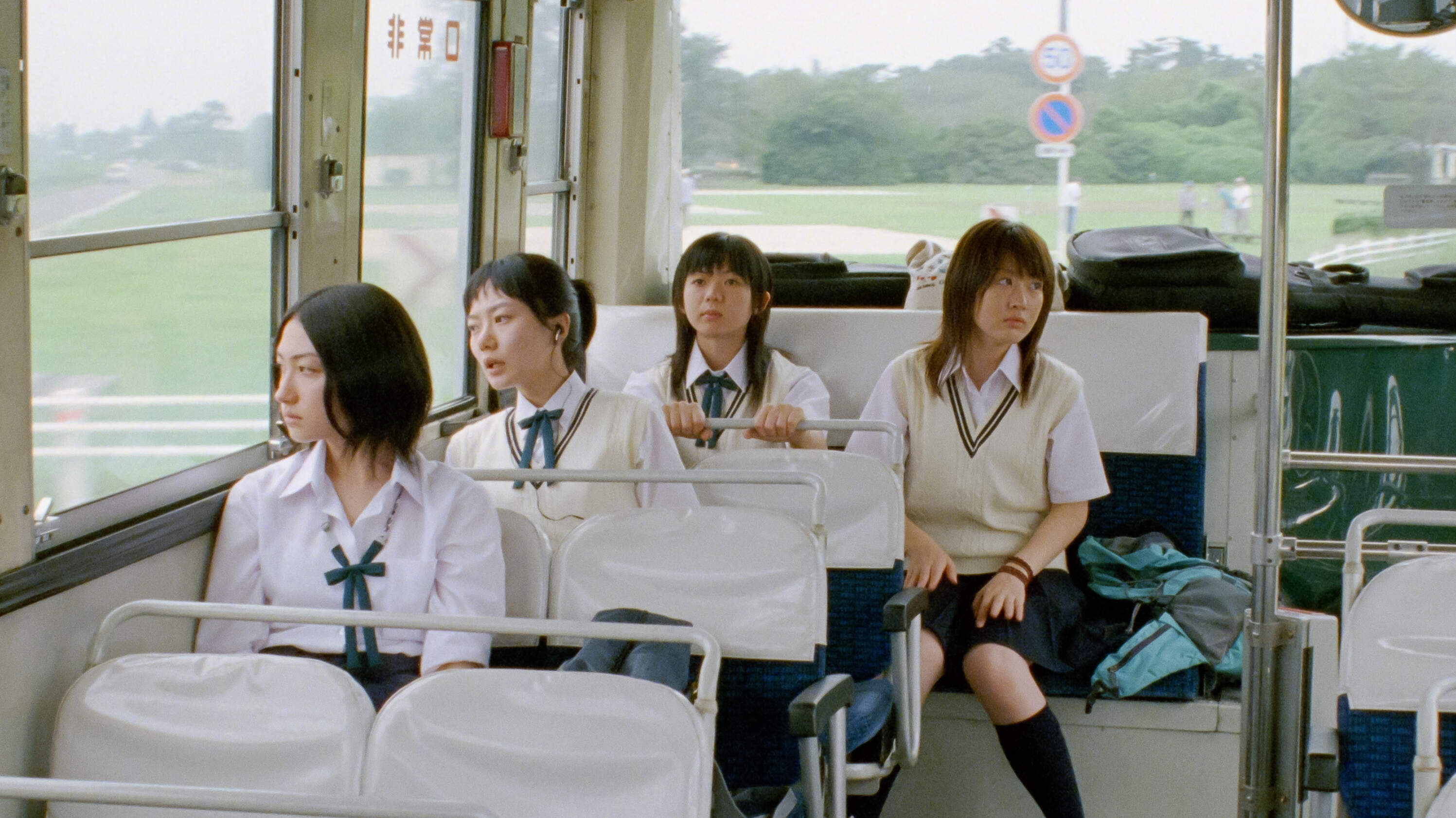
It's a blessedly inconsequential story of four high school girls with three days to put together an act for their high school talent show. Yû Kashii plays headstrong keyboardist and bandleader Kei, cramming to learn guitar after their regular player broke her finger in gym class. A feud with their former singer has gotten so bitter Kei decides to replace her with the next girl who walks by. That would be Son (Bae Doona), a Korean exchange student who is up for the challenge even if she hasn’t quite mastered the language yet. The pokerfaced actress, whom you might remember as the sister with the bow-and-arrow in Bong Joon Ho’s “The Host” or the sentient sex toy in Hirokazu Kore-eda’s “Air Doll,” gives a performance of such droll physicality she’s somehow able to be hilarious even in the far background of the frame.
Yamashita’s languid pacing and stately wide shots conjure a dreamy, deadpan alchemy of lazy afterschool (in)activities and naps, the kind of wonderful, wasted time that only feels precious in retrospect, when there’s no more of it left to spare. A faculty advisor follows the girl group drama like it was his favorite soap opera, alluding to his own old rock ‘n’ roll dreams in wistful asides that the students shut down before he can get started. He’s a figure of fun, but also our audience surrogate, understanding far better than the kids can that these fleeting moments are memories that will last forever.
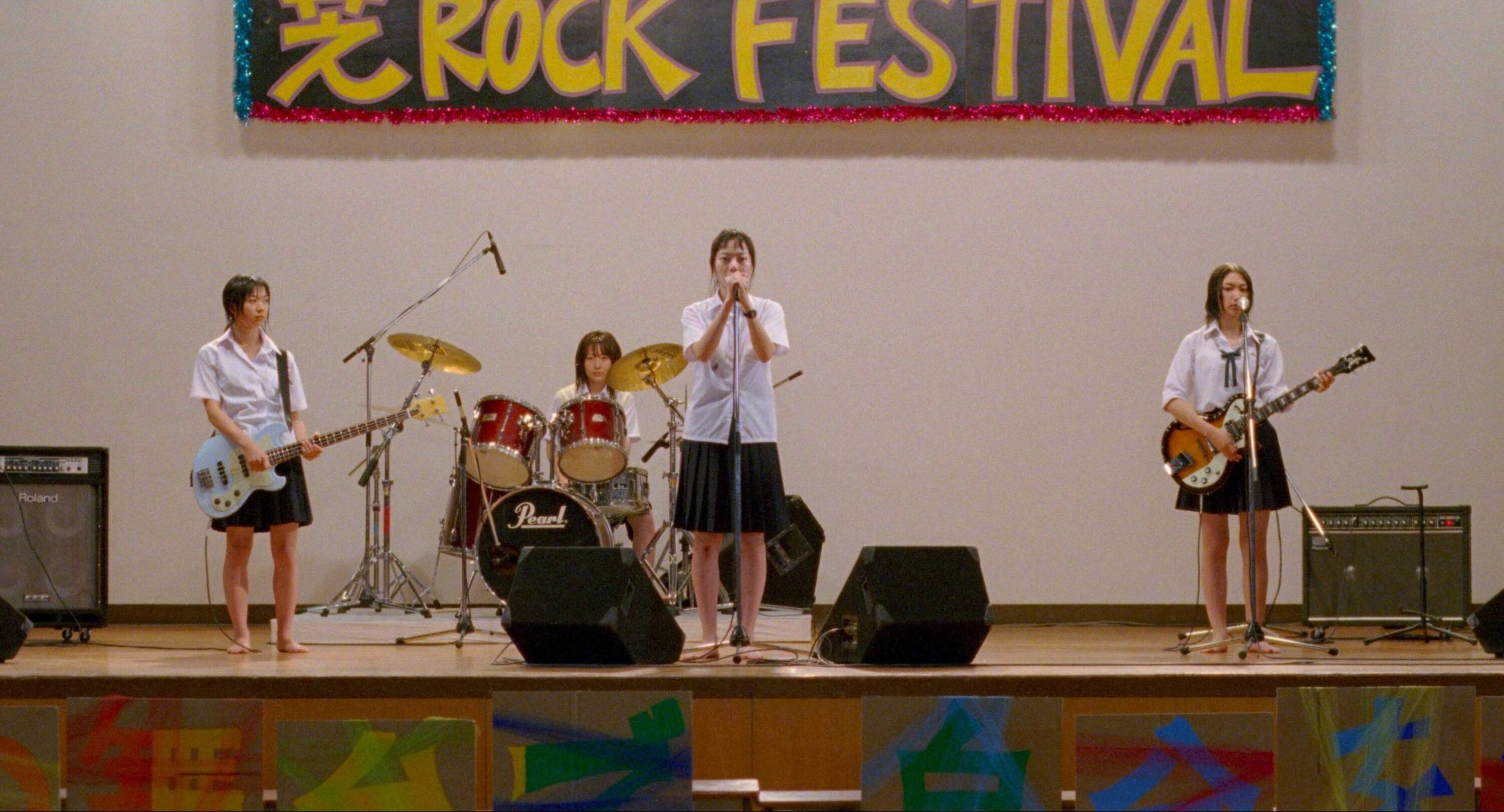
The popular female teen group The Linda Lindas took their name from the movie, and on their first album did a decent cover of the title track that Son, Kei and the crew spend the whole running time trying to rehearse. (Originally popularized by The Blue Hearts, it’s the kind of earworm you won’t mind hearing 40 times during the film.) “Linda Linda Linda” accumulates ephemeral grace notes and wry asides before blowing the doors off with a euphoric climax of pure punk rock elation, one of the happiest endings I’ve ever seen in a movie. I can still recall exactly where I was sitting at the Brattle that afternoon 20 years ago, because I was practically levitating out of my chair.
“Happyend” and “Linda Linda Linda” are playing at the Brattle Theatre from Friday, Oct. 3, through Wednesday, Oct. 8.