Support WBUR
Mass. doctors decry Trump administration's delays and misinformation on vaccines
On the eve of respiratory virus season, Massachusetts public health officials said Wednesday that confusion and misinformation stemming from the federal government are making it harder than ever for them to keep people safe from vaccine-preventable diseases.
Without naming President Trump, these officials — who are also doctors — decried what they called a lack of credible information from federal officials about vaccines and other critical issues.
“The mainstreaming of misinformation, anti-vax sentiment, science denial” is challenging public health leaders every day, said Dr. Larry Madoff, medical director for the state's Bureau of Infectious Disease and Laboratory Sciences. “To see some of that coming from our once trusted allies in the federal government is really tragic."
Madoff's comments came during a meeting of the state's Public Health Council.
Trump’s secretary of health and human services, Robert F. Kennedy Jr., has raised doubts about the safety of vaccines, made sweeping changes to a federal vaccine advisory panel and slashed research into the mRNA technology behind the COVID-19 vaccines. His policies have limited access to COVID vaccines for people in some states, though Massachusetts has taken steps to make the shots widely available.
Trump has issued conflicting statements about COVID vaccines and, along with Kennedy, has suggested routine pediatric vaccines are linked to autism, despite decades of evidence to the contrary. Such claims have alarmed public health experts and scientists.
“Our federal government is just spewing out misinformation,” said Dr. Gregory Volturo, chair of emergency medicine at UMass Chan Medical School and a member of the Public Health Council.
State health officials are urging residents to get COVID and flu shots to reduce their chances of becoming ill during the respiratory virus season that typically lasts through the winter.
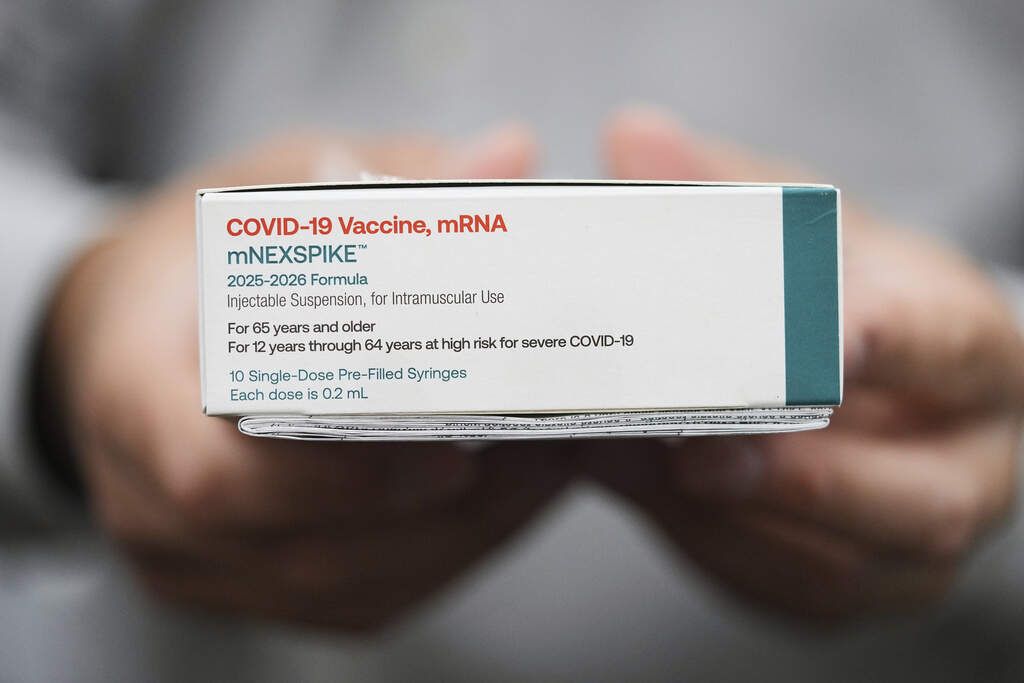
Massachusetts officials last month broke from the federal government and issued their own recommendations for COVID vaccination, urging all adults and young children get shots to protect themselves and others from illness. (The COVID vaccine, like the flu vaccine, is updated annually to match newer strains of the virus.)
Dr. Angela Fowler, the state's associate medical director for vaccine-preventable diseases, said COVID shots are most beneficial for people at higher risk of illness, including babies and toddlers, older adults, and people of any age who have medical conditions that compromise their immune systems.
But COVID shots can help people who are relatively healthy, too.
“I consider it part of self-care,” Fowler said. “These vaccines can be a way of protecting yourself from getting ill.”
Massachusetts has high vaccination rates compared to other states, but those figures were sliding even before the start of the second Trump administration. Public health experts fear the numbers will decline further, which could prompt outbreaks of preventable diseases.
Massachusetts' public health commissioner, Dr. Robbie Goldstein, said federal officials “have created unnecessary skepticism” about vaccines.
Federal policy changes have also created delays. Goldstein said there was a three-week delay in distribution of COVID vaccines for children in Massachusetts because officials at the U.S. Centers for Disease Control and Prevention were slow to adopt vaccine recommendations.
Health care providers can order vaccine doses now, he said, “and we should see vaccines start to arrive in clinics by the end of this week or early next week.”
Cases of COVID, flu and other respiratory illnesses are expected to increase in the coming months as people spend more time indoors, where viruses can spread easily.
Goldstein, an infectious diseases specialist, said he worries that trust in government has fallen so low that the public may not take public health recommendations seriously, particularly the next time there is a new viral threat.
“We have to continue to speak truth, and we need to push back on the disinformation and the misinformation,” Goldstein said. “We need people to trust us.”