Support WBUR
BU plots an eco-friendly glow-up for 1960s-era Warren Towers
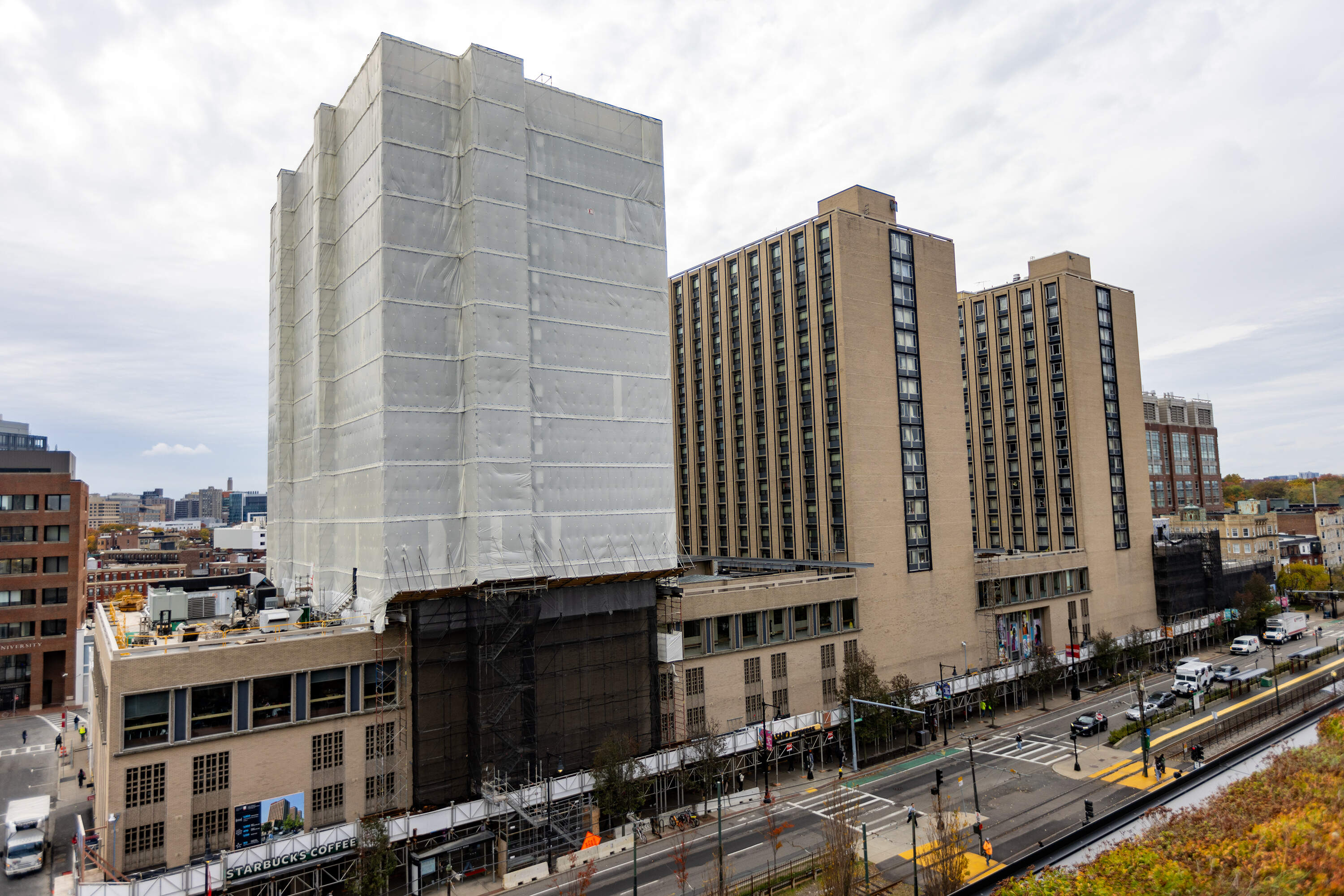
Boston University’s Warren Towers is one of the largest college dorms in the country, covering a whole block of Commonwealth Avenue. The 18-story complex houses 1,800 students, a larger population than some Massachusetts towns. The exterior, described by current and former students as both “awesome” and “ugly” has a decidedly industrial vibe: big, beige and boxy.
“It kind of looks like a prison complex, almost,” said freshman Ethan Hawes, who lives on the 17th floor of Tower C.
He added that the building is “very well lit.”
“I like the breakfast,” piped in Hawes’ roommate, freshman Finbar Moughan, who also expressed appreciation for the excellent water pressure in the showers. But the roommates agree that most of the building’s interior is “meh” at best: beige cinderblock walls, uninspired common areas and, worst of all, no air conditioning.
“I wasn't able to sleep the first week of orientation because it was so hot,” Moughan said. “Being at almost the top floor was horrible.”
"Not a lot had changed from when it was constructed in 1965,” said James Loftus, a principal with MDS/Miller Dyer Spears, the architectural firm overseeing Warren Towers’ renovation.
But one important thing did change: Students today expect modern amenities such as air conditioning and more privacy in the bathrooms, said Loftus. Clearly Warren Towers needed a makeover.
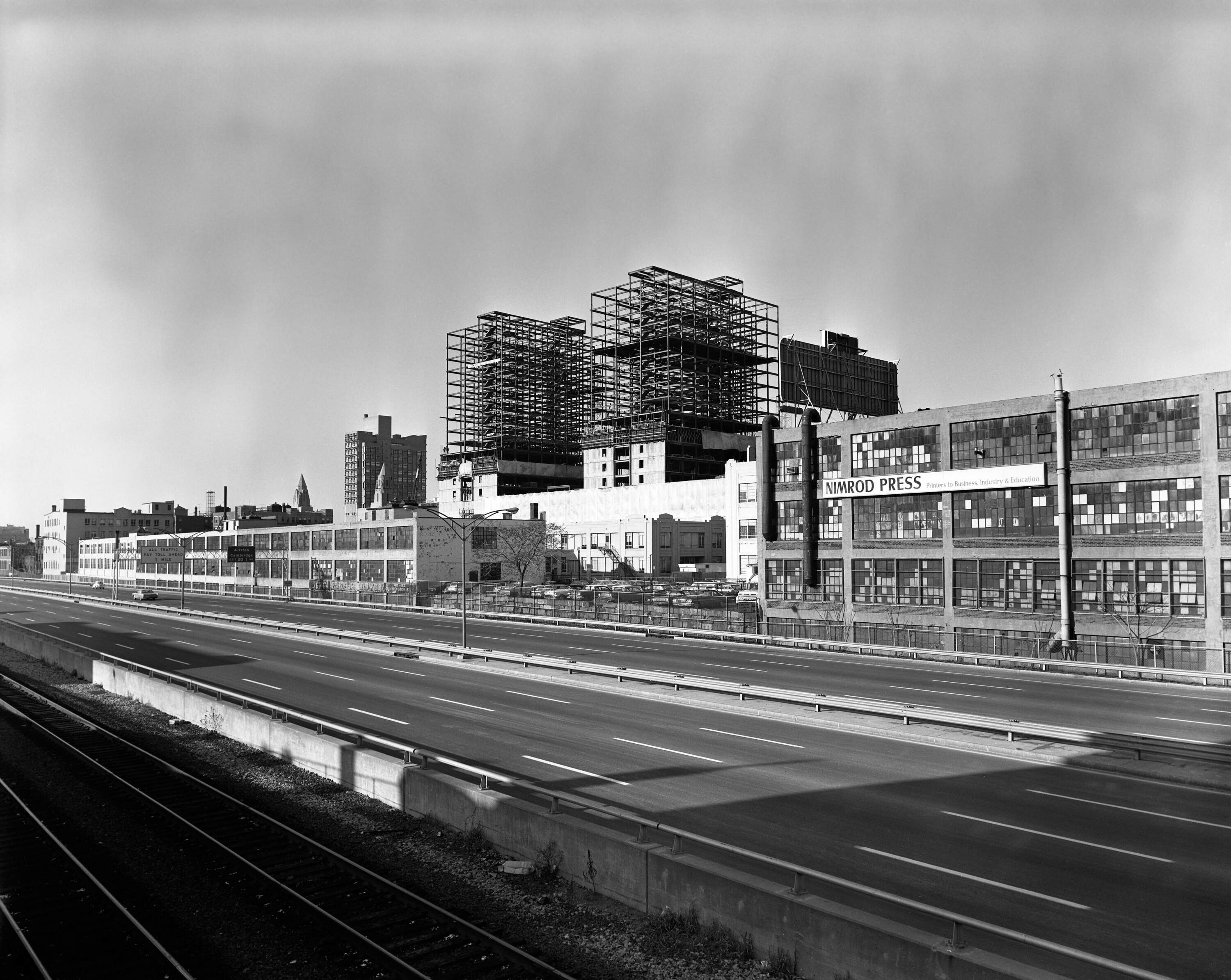
Besides student comfort, there was another big factor to consider: climate change. The half-century old towers belch out a prodigious amount of greenhouse gas, thanks to infrastructure designed when the warming climate wasn't a big concern.
Boston University has ambitious climate goals, and the uninsulated, steam-driven, energy-devouring building was falling short. So this year BU started a three-and-a-half year, $550 million renovation, to bring Warren Towers’ living quarters — and its carbon footprint — into the 21st century.
“We’re taking this building from the university's second largest greenhouse gas emitting building to a non-emitting building,” said Dennis Carlberg, chief sustainability officer at Boston University.
Many buildings in Boston face a similar challenge.
“Buildings are by far the largest source of carbon emissions in Boston,” said Oliver Sellers-Garcia, Boston’s Green New Deal director and environment commissioner. About 70% of the greenhouse gas emissions in Boston come from buildings, he said.
Boston is one of a handful of American cities that requires large building owners to reduce the emissions from their properties. The city's Building Emissions Reductions and Disclosure Ordinance, or BERDO, requires owners to reduce or offset greenhouse gases to zero by 2050, or face a fine.
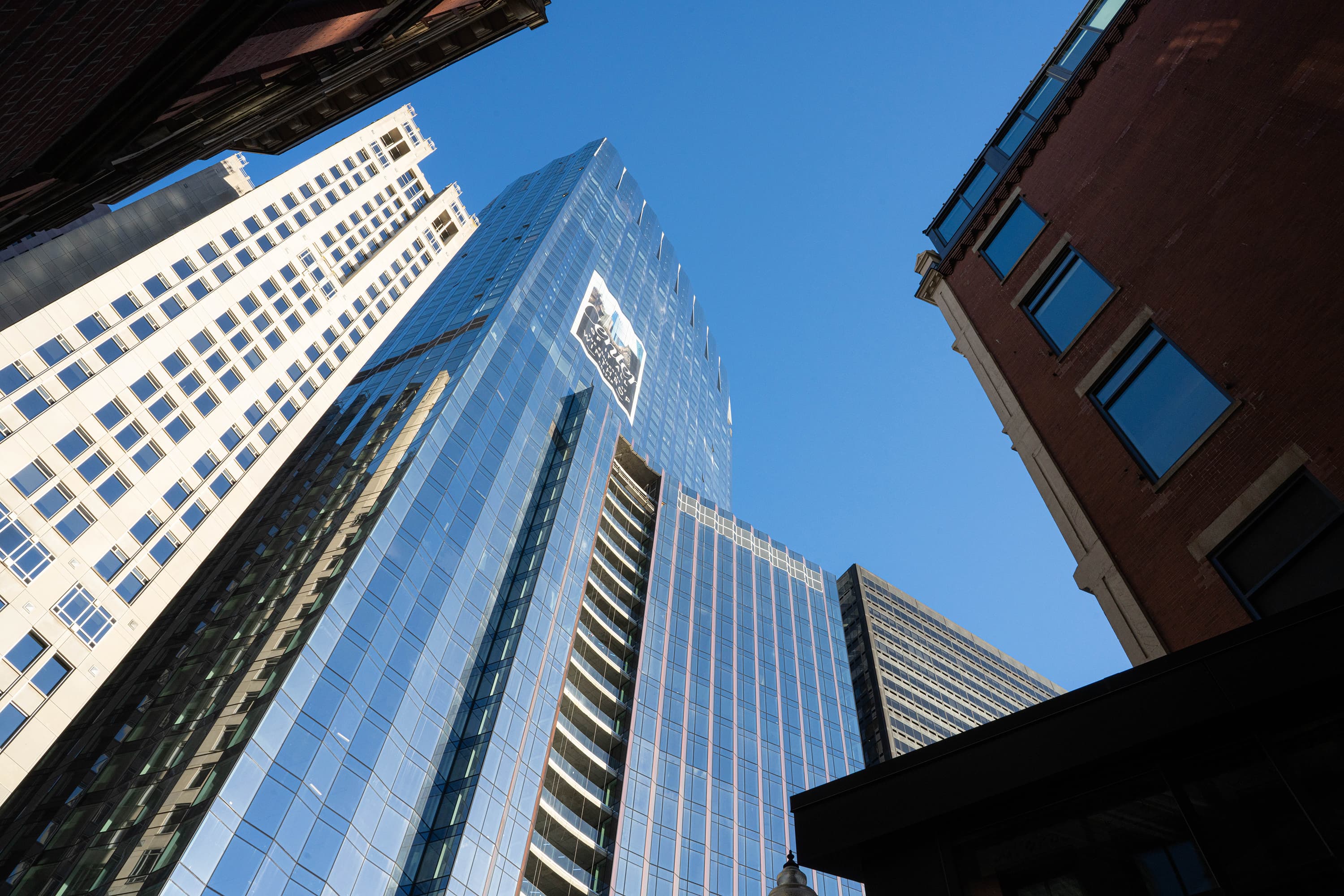
That's especially challenging for older buildings, said Lindsey Butler, executive director of the Boston Green Ribbon Commission.
“ It's a lot easier to consider your carbon emissions in a brand new build, than to address carbon emissions in existing infrastructure,” she said.
But Butler believes Warren Towers can be a model for others.
“It represents a great example of the challenge of decarbonizing not a new building, but an old building that was built in the 1960s with no consideration of environmental impact,” she said.
BU's Carlberg said the university considered knocking down the towers and starting fresh, but decided against that, partly for sustainability reasons. BU commissioned an analysis of the greenhouse gas emissions caused by making, transporting and using construction materials. The report found that keeping Warren Towers’ concrete, steel and masonry facade intact led to a huge emissions savings.
“This is a filter through which we look at all major projects on campus,” he said.
Once BU decided to keep Warren Towers, builders and architects had to figure out how to make the old clunker run like an electric sportscar.
The building's emissions are high primarily for two reasons, said Carlberg. It takes an enormous amount of power to operate the complex, and that power comes from a natural-gas driven steam plant.
So, step one: reduce the building’s energy consumption. This means adding insulation for the first time; creating a “cool roof” by coating the top with a white material that reflects sunlight; and installing larger, better insulated windows.

According to Loftus, renovating with sustainable features should cost about the same as using standard materials and techniques.
Step two is changing the building’s energy source. Warren Towers currently gets power from a steam plant, which runs on natural gas and powers about a dozen buildings on campus.
Carlberg said a feasibility study for adding solar to Warren Towers and other campus buildings found unimpressive numbers.
”We can max out at about 2% of the total university electricity consumption if we put solar on all the roofs that we can put solar on,” he said. “It's insignificant.”
With solar out of the equation, BU decided to detach Warren Towers from the steam system and install electric generators and heat pumps. The university's goal is to eventually phase out the steam plant altogether.
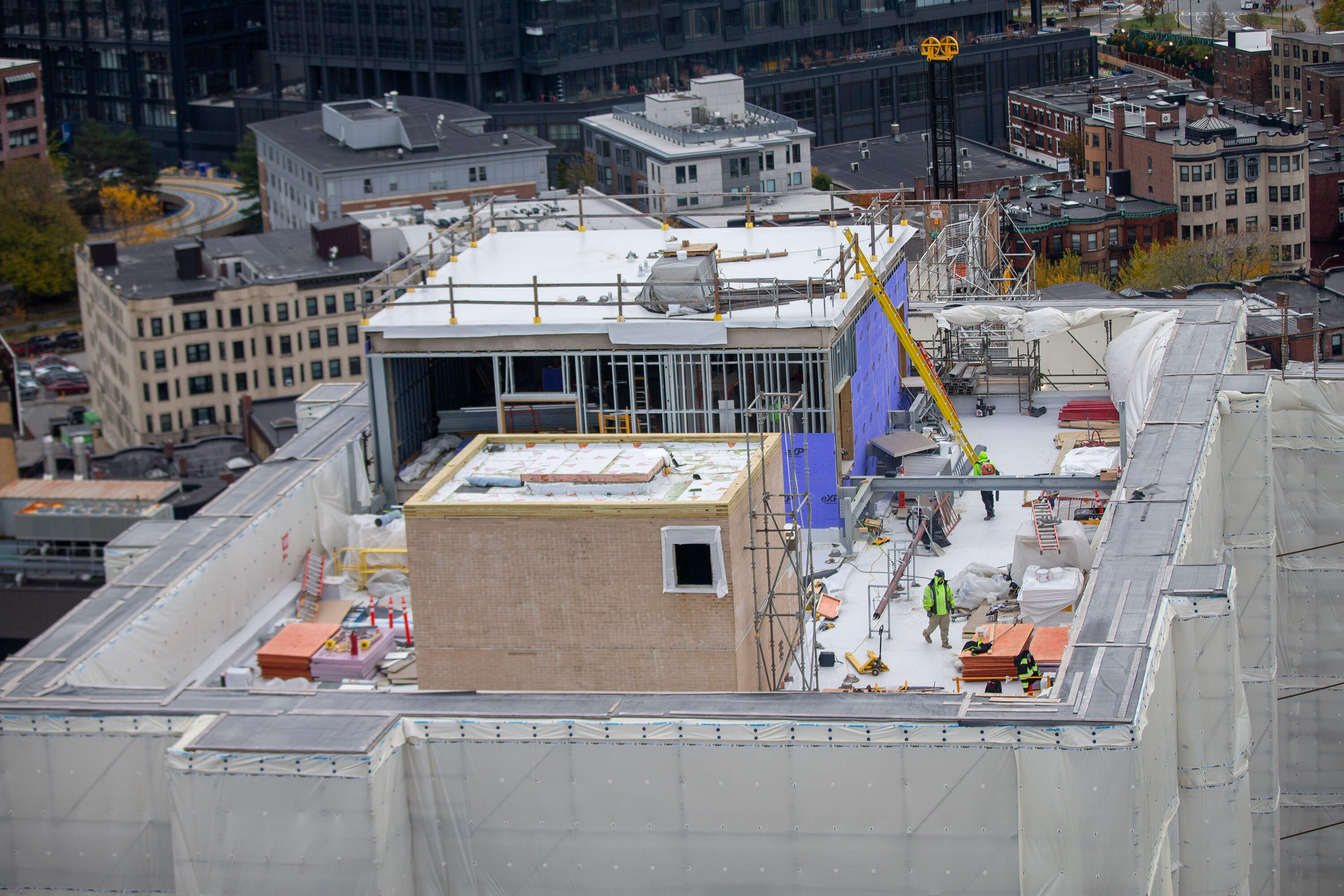
Each tower will be powered by a series of interconnected generators, which increases the building’s resilience to major storms or blackouts, said John Barton, BU’s executive director of major capital projects.
“If anything catastrophic happened, these buildings could run on their own,” he said. “Versus in the past when you went down, you went down hard.”
But Warren towers won’t be running on (much) renewable energy, at least for now, because the electricity supply in New England is still dominated by fossil fuels. To help the building reach net-zero emissions, BU will receive renewable energy credits through the BU Wind project, a power purchase agreement with a wind farm in South Dakota.
While some students may appreciate these climate-forward features, they probably care more about the other forthcoming amenities: air conditioning, nicer bathrooms, better ventilation, and adjustable lights and thermostats in each room.
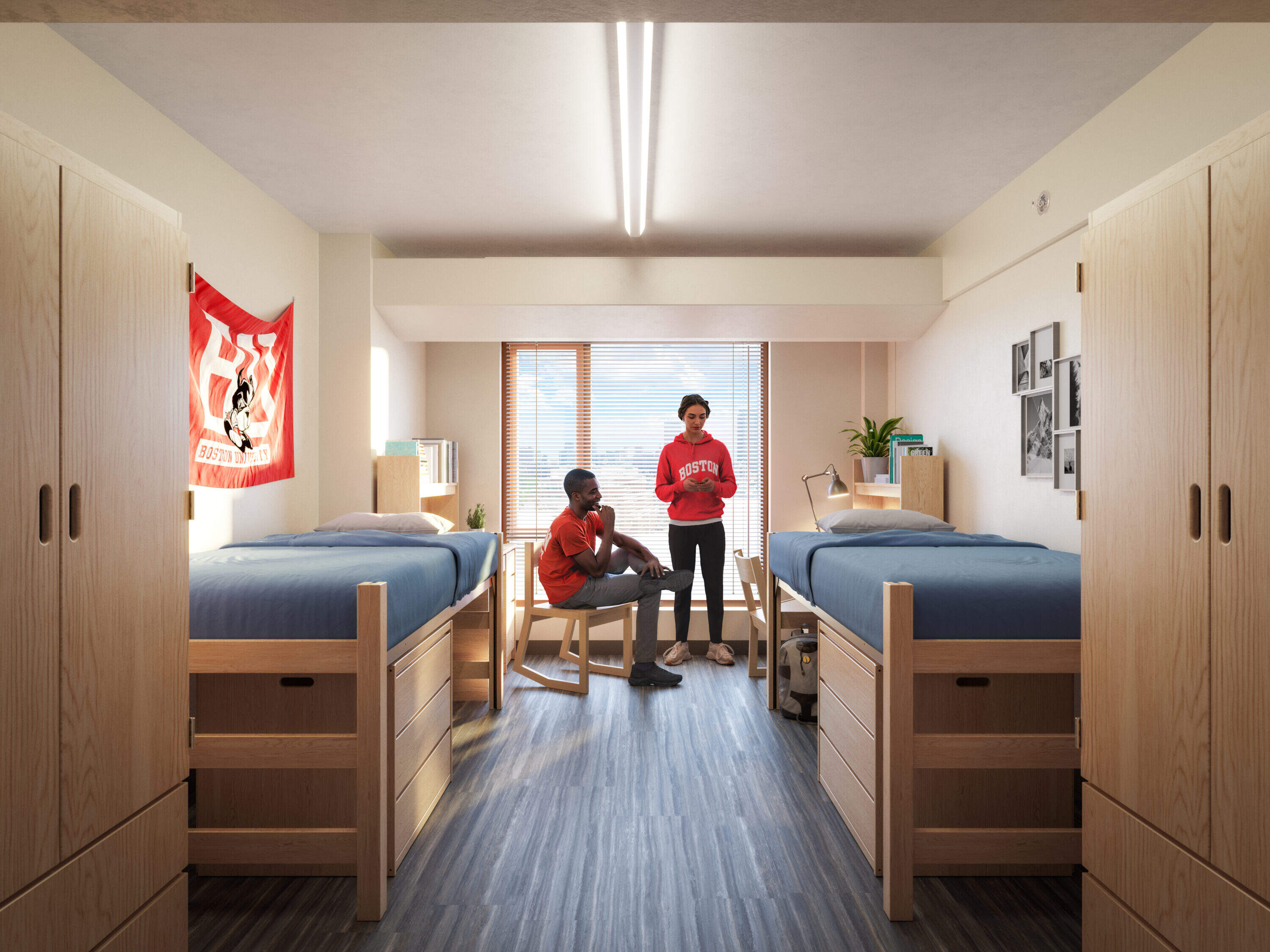
Some BU alumni can't wrap their heads around the transformation. WBUR Executive Producer Dan Guzman lived in Warren Towers for three years in the 1990s, and nearly blew a gasket when he heard about the adjustable thermostats.
“That's not what Warren Towers should be about,” said Guzman. “ It's not supposed to be nice. That was part of the charm.”
Guzman recalled bonding with classmates over the crummy interior, steamy rooms and lack of cable TV; he thinks the next generation of students will miss out on a community-building opportunity.
BU Freshman Finbar Moughan, on the other hand, said he's a bit jealous of future students and their upgrades. But, he added, "they're not living in the real Warren Towers."
Editor's note: Boston University owns WBUR's broadcast license. WBUR is editorially independent.
This segment aired on December 9, 2025.