Support WBUR
Prosecutors in Harvard Medical School body thefts case ask for maximum sentence, while former morgue manager pushes back
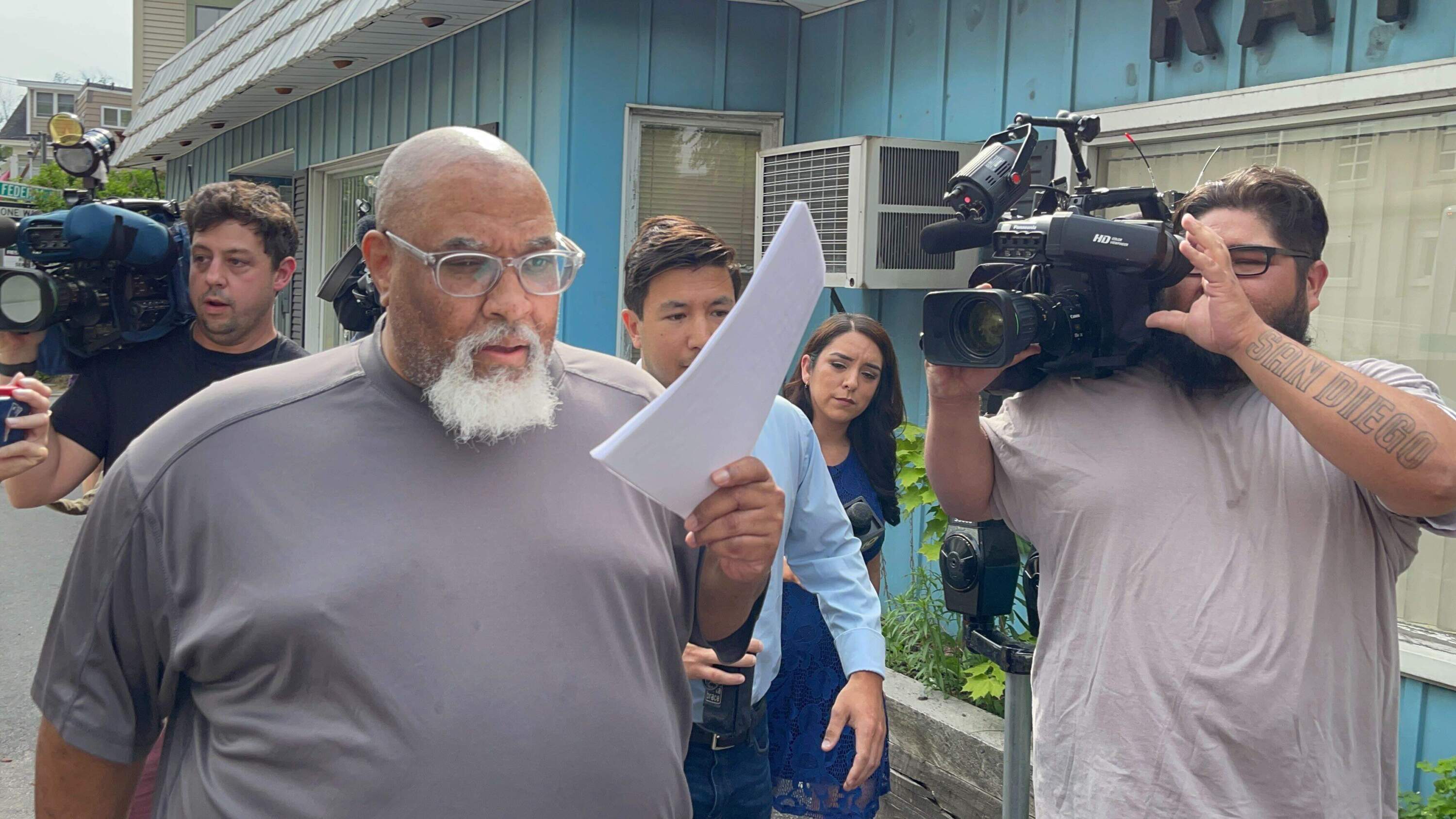
Federal prosecutors asked a judge to hand down the maximum possible sentence — 10 years in prison — for Cedric Lodge, the former Harvard Medical School morgue manager who stole and sold hands, hearts, brains and faces taken from bodies donated to the school.
But Lodge argued that prosecutors violated his plea agreement by seeking the maximum penalty against him. Instead, he said he should receive a more lenient sentence for taking responsibility for his crimes and pleading guilty to one count of interstate transport of stolen goods.
A federal judge in Pennsylvania, where the case originated, will ultimately decide during Lodge's sentencing on Tuesday. His wife, Denise Lodge, is also expected to be sentenced after pleading guilty to the same charge.
Prosecutors say Lodge, 58, was a hub in a nationwide network that sold or traded human remains. The ensuing investigation ensnared Harvard in the controversy and ultimately led to the arrest of nine people across the country.
Lodge began taking home body parts from Harvard's morgue to ship to resellers and collectors — people who tan skin for book bindings and display skulls or organs in their homes. At least once, Lodge invited a woman named Katrina Maclean, owner of Kat's Creepy Creations, to essentially shop for parts in the morgue. She took home two dissected faces for $600. (Maclean has since pleaded guilty.)
The case gained international attention and horrified family members of those who had donated their bodies to Harvard. Those families still don't know whether their loved ones were dissected by Lodge and shipped across the country.
In Lodge's sentencing memorandum, his lawyer wrote that Lodge acknowledges the deep harm inflicted on both the dead and their families. He "offers no excuse for conduct and stands ready to except the grave consequences of his actions."
His lawyer noted that the sentencing guidelines recommend a prison term of zero to six months, and recognized that incarceration will likely be necessary. Lodge has suffered two strokes and has cognitive issues resulting in short term memory loss and poor decision making.
Prosecutors, meanwhile, said Lodge's conduct "shocks the conscience" and that sentencing guidelines don't account for the "egregiousness" of his crime.
While her husband offers no excuse, Denise Lodge, in her sentencing memorandum, said that Cedric Lodge came up with the plan to sell human remains to help save the family finances, after Denise became sick with advanced breast cancer and could no longer work.
Cedric Lodge, her attorney wrote, told Denise that Harvard discarded body parts and bones as medical waste and saw an "opportunity." Denise resisted at first, but ultimately "succumbed, reluctantly and regretfully, because she no longer had the strength to resist."
"I offer no excuses," Denise Lodge, 65, wrote in a letter to the judge. "I understand that my decisions affected others and am extremely sorry for the pain and suffering caused to the families, the community and anyone else. It was never my intent to hurt anyone."
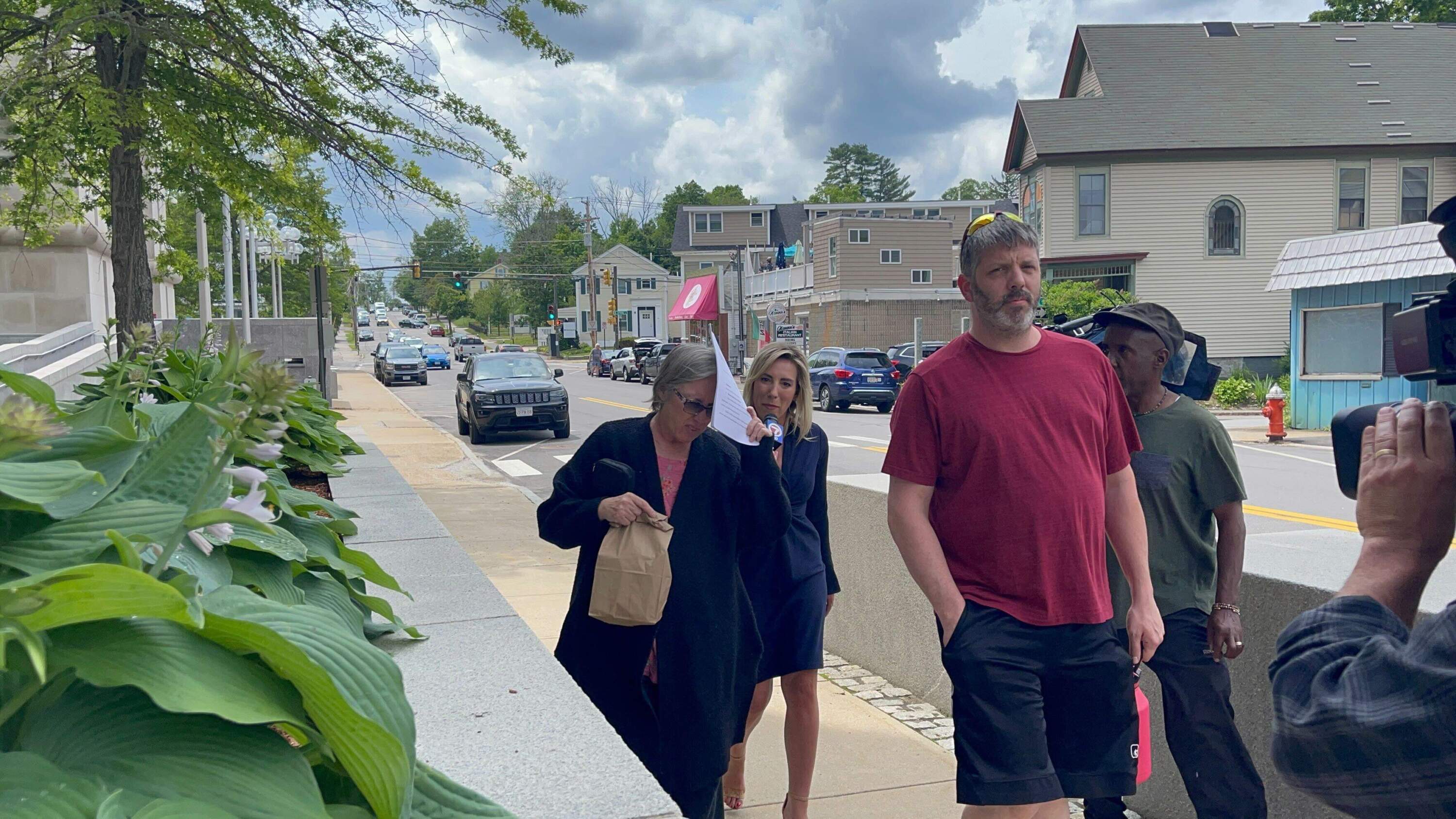
Prosecutors conservatively estimate the Lodges earned between $40,000 and $95,000 for the scheme. One buyer alone, Joshua Taylor, sent Denise Lodge more than $37,000 to her PayPal account.
Prosecutors want Denise Lodge to serve a year in prison. Her attorney asked for no prison time, in part because of her medical needs. Her attorney wrote that Denise Lodge is "the least culpable defendant in this case."
Neither of the Lodges attorneys responded to requests for comment.
Others involved in the scheme have pleaded guilty and are awaiting sentencing. Maclean pleaded guilty to interstate transport of stolen goods earlier this month. Sentencing has not yet been set. Taylor, of Pennsylvania, also pleaded guilty and is awaiting sentencing.
Another Pennsylvania man, Andrew Ensanian, who bought 24 hands, two feet, a partial skull, two skull caps and a dissected face from the Lodges, pleaded guilty last year and is scheduled to be sentenced next week. Prosecutors are recommending he serve five months.
It was the arrest of Jeremy Pauley, also of Pennsylvania, that first unraveled the case. He purchased and traded body parts with Taylor and Maclean, turning skin into leather. He is scheduled to be sentenced Dec. 22. A prosecution letter noted that guidelines call for 15 to 21 months in prison.
Harvard is still facing repercussions from the scandal. Lawsuits filed by family members of body donors are still pending. The Supreme Judicial Court in October ruled that the families' suits were able to move forward, and said that Harvard exhibited "extraordinary failure" in supervising Cedric Lodge. Attorneys in those cases are back in court Tuesday, hours after the Lodges are expected to be sentenced.