Support WBUR
After months of delay, EPA will give Mass. over $55 million for lead pipe replacement
Massachusetts will receive more than $55 million from the Environmental Protection Agency this year to help municipalities and other water providers find and replace lead service lines. The money comes after a monthslong delay, a complaint from the governor and a public spat between U.S. Sen. Ed Markey and EPA Administrator Lee Zeldin.
"Although we're quite grateful for this tremendous amount of federal funding to do this critical work, having delay after delay makes it really hard to get this money out to communities," said Massachusetts Department of Environmental Protection Commissioner Bonnie Heiple.
Massachusetts has some of the oldest water infrastructure in the country, and many cities and towns have limited records pinpointing the locations of lead service lines. Checking the lines, which carry fresh water from the street into homes, is often time-intensive and expensive. So, many communities rely on EPA funding.
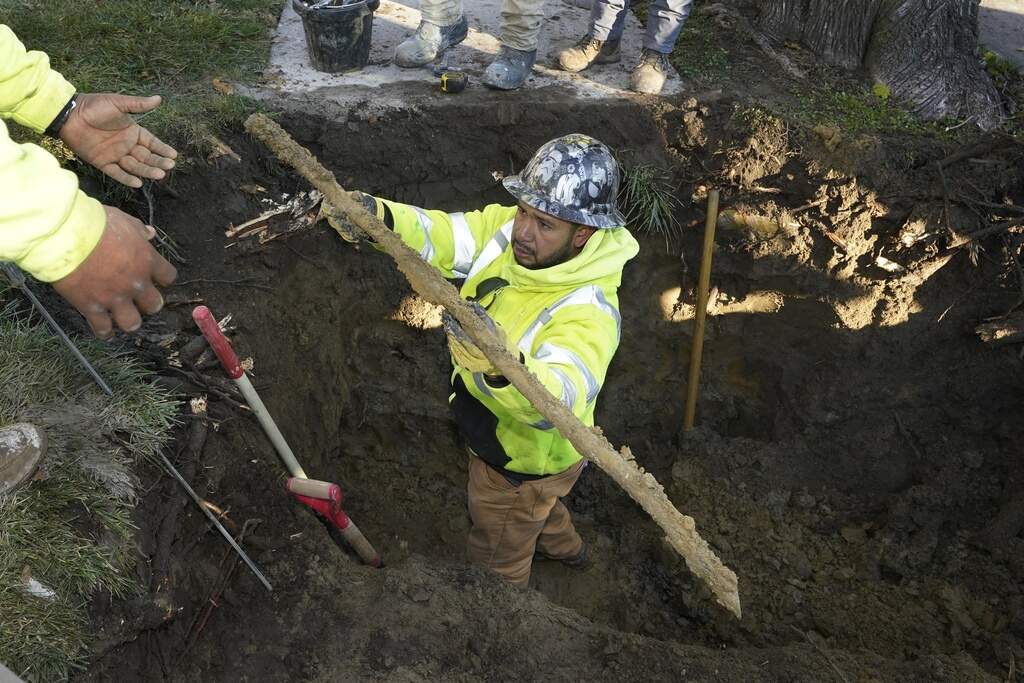
“Sometimes we just need to go out and physically dig something up and put eyes on it,” said Jorman Mota, assistant city engineer for the Chelsea Department of Public Works. “Can't really do that without the funding.”
Digging a small pit to test a line can cost between $2,500 and $3,000, said Mota. The city estimates that there could be up to 2,000 service lines left to check, or about 40% of Chelsea’s public water system. “It adds up pretty quickly,” Mota said.
The fate of another EPA program — the “Get the Lead Out” initiative — remains uncertain. The program provided technical assistance to approximately 200 communities nationwide, including six in Massachusetts, to help identify lead pipes and accelerate their replacement.
“It was a huge help,” said Anthony Gulizia, assistant superintendent for Revere's Water and Sewer Department. Gulizia said that personnel paid through the program tested some 300 of Revere’s water lines for lead this year.
“ Revere's a big city,” he said. “We have over a hundred miles of water main, and we only have a department of 12 guys.”
The EPA did not respond to a request for clarification about whether the program will continue.
In its announcement, the EPA asserted there are far fewer lead service lines nationwide than previously estimated: about 4 million, down from 9 million.
While some experts said this update could be “right-sizing” the data, others said it is likely a vast undercount.
“When EPA came up with this new number, it sort of blew the doors off of everyone,” said Erik Olson, senior strategic director for health at the nonprofit Natural Resources Defense Council. Past estimates from industry experts and the EPA have ranged from 6 million to 10 million lead service lines.
Olson worries that an undercount could result in some states getting less money in future rounds of funding. States that already have robust systems to track lead service lines could receive more money than states without good data, he said.
In a statement, the EPA attributed the reduction to “improved data.” However a new EPA inventory released in December noted that states that had not yet reported their lead service lines would have pipes listed as “non-lead.” Since certain state reporting is optional until November 2027, the data “may not reflect actual total non-lead service line counts,” according to the EPA website.
The possible undercount is unlikely to affect funding for Massachusetts; the state has made steady progress toward identifying and replacing lead water lines in recent decades, state officials said. Nearly all water providers in the state have submitted inventories of their service lines.
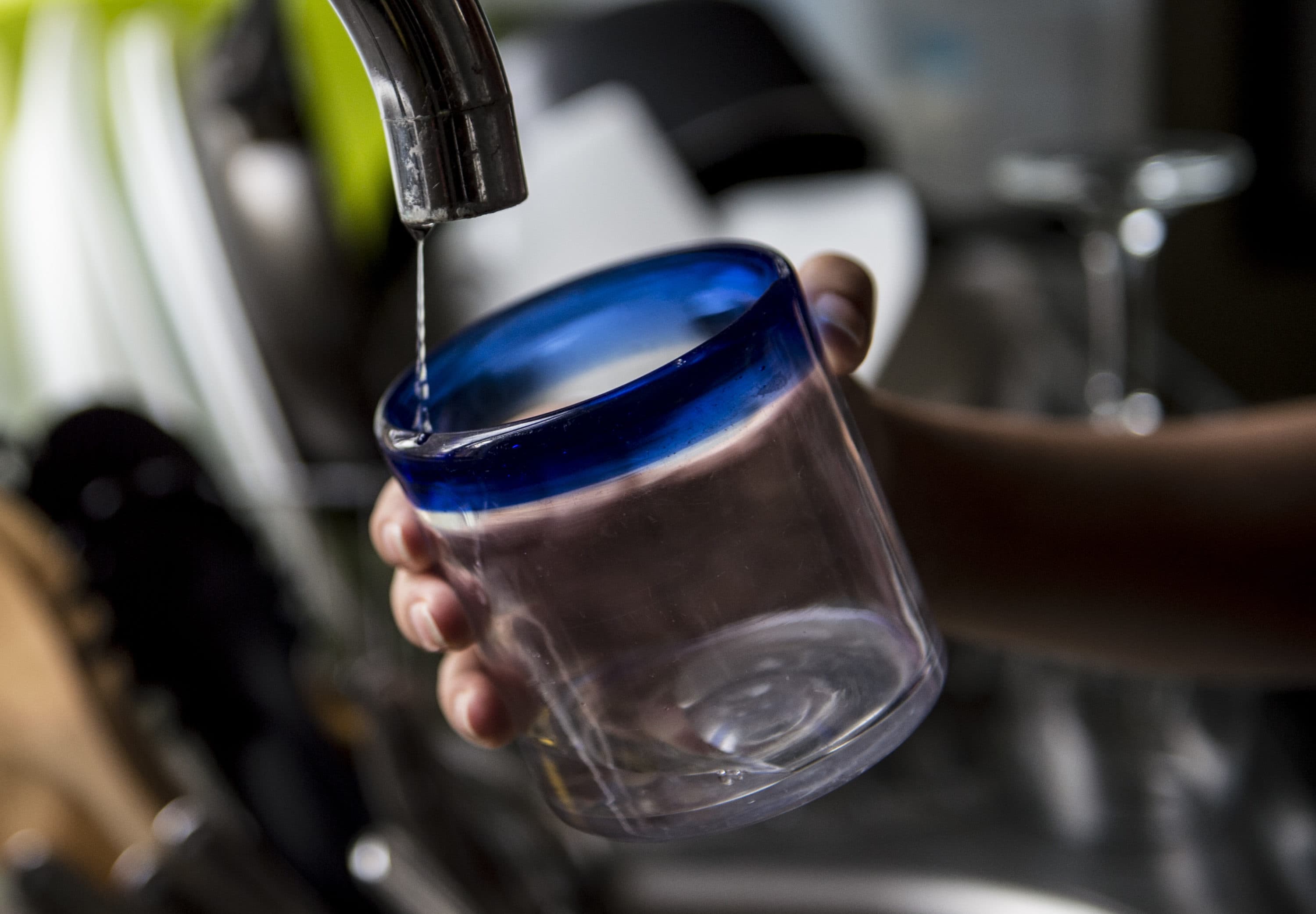
There is no safe level of lead exposure, according to the EPA. Lead is especially dangerous for pregnant women and young children, and lead poisoning can lead to learning disabilities and developmental delays. In drinking water, the primary source of lead is from pipes.
In 2024, the EPA finalized a rule requiring drinking water systems nationwide to replace all water service lines containing lead by 2037. That followed the 2021 Bipartisan Infrastructure Act, which included $15 billion dedicated to lead service line remediation. The law mandated that the EPA distribute $3 billion to states each year for five years.
Since 2022, Massachusetts spent over $102 million in federal funds to support approximately 160 communities and public water systems to identify and replace lead service lines.
In addition, the Massachusetts Water Resources Authority (MWRA), which provides water to 61 cities and towns around Boston, offers grants and zero-interest loans to member communities to replace lead service lines. The program is funded by water customers, rather than the federal or state governments.
Despite the progress, state environmental officials estimate that up to $359.4 million more than the funds already received will be needed to replace all the remaining lead service lines in Massachusetts.
“It's always been clear that the federal money is not going to fully pay for all the service lines to be replaced,” said Olson, of the NRDC. He said local and state investments, which have historically funded upgrades for water infrastructure, will need to ramp up.
Jennifer Pederson, executive director of the Massachusetts Water Works Association, an industry group, said replacing a service line on a resident's property can cost $3,000 to $8,000. And while some municipalities ask homeowners to pick up the tab, some water providers pay the full cost.
"Lead service line replacement is not cheap,” she said. “It's a significant investment."
“Regardless of whether it's 9 million lead service lines or 4 million lead service lines, it's still far too many, and we still don't have the federal funding needed to replace all of them,” said Wendi Wilkes, who served as director of infrastructure implementation at the EPA's Office of Water during the Biden administration.
State and water system officials were expecting the latest installment of federal funding to arrive this past spring, so they could continue their efforts. When the money hadn’t arrived by fall, elected officials began to complain.
“The delay and uncertainty with announcing the new allotments has forced us to pause our Lead Service Line Replacement Program and pause these much-needed projects,” said Gov. Maura Healey in an Oct. 9 statement.
“The Trump Administration fails to understand the importance of supporting local projects to get lead out of our drinking water.”
In late November, Markey led the Massachusetts delegation in writing a letter to the EPA's Zeldin, urging the EPA to release the funds. The next day Zeldin posted on social media, mocking the senator and claiming that Massachusetts had not spent the money EPA had allotted to it for lead pipe removal since fiscal year 2023.
According to state documents, however, Massachusetts has awarded around $102 million in grants and loans on lead pipe remediation projects since 2022. There's $53 million remaining in federal funds that communities have yet to apply for, state officials said.
MassDEP Commissioner Heiple called Zeldin's claims "patently untrue" and dismissed his statement as "all-caps name calling."
"That's not the way we do business here," she said.
According to MassDEP, the state has never had to return lead service line funding to EPA, unlike other states that have failed to spend their funds.
Of the $55 million the EPA awarded Massachusetts this year, more than $21 million is re-allotments from other states that failed to spend their funds.
“I’m glad the EPA responded to my request to finally get this money out the door. I look forward to working with partners in Massachusetts to make sure we have the support, authorities, and resources our communities need to get lead out of the water and keep our children safe,” Markey said in an email.