RFK Jr. wants addiction 'healing camps' like San Patrignano. How the famous rehab works
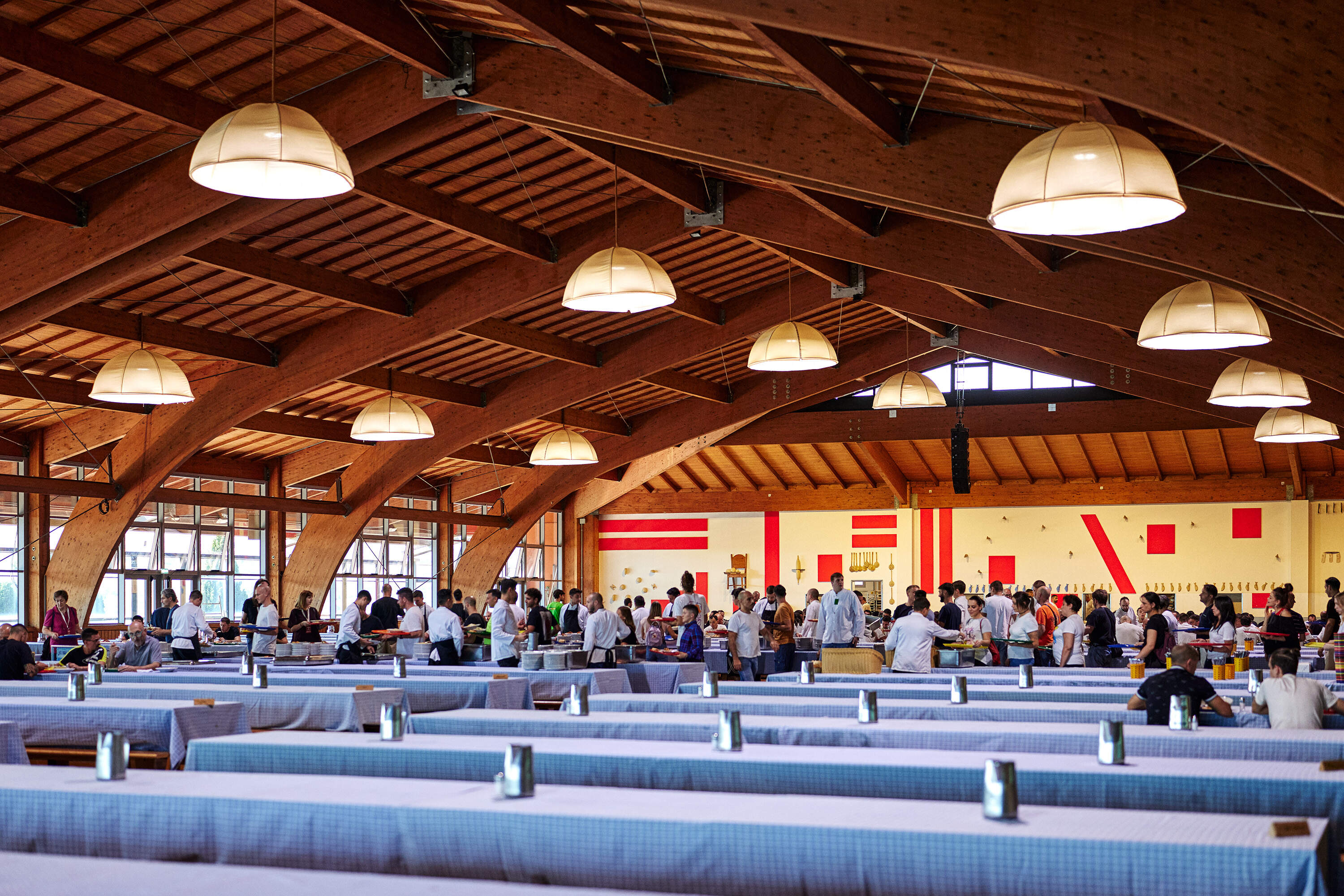
Inside the massive dining room at San Patrignano, windowed walls overlook northern Italy's rambling hillsides. Taking in the arresting view is a 20-year-old from Detroit.
Sometimes Michael is astonished to find himself here — in what may be the largest, most famous rehab center in Europe.
Michael arrived in February after cycling in and out of drug treatment programs closer to home. After each, he relapsed. WBUR agreed to use Michael's middle name because his family worries about the stigma of addiction.
“In America, a lot of the things that were lacking, I found here,” he said. “I wouldn’t even call San Patrignano a ‘rehab,' because it’s really a community.”
The idea of community as treatment isn’t new. Long-term “therapeutic communities,” as they’re known, have been around for decades. Participants usually stay for at least several months, and most programs involve some type of vocational or educational training. Work and accountability to others are considered essential parts of the therapy.
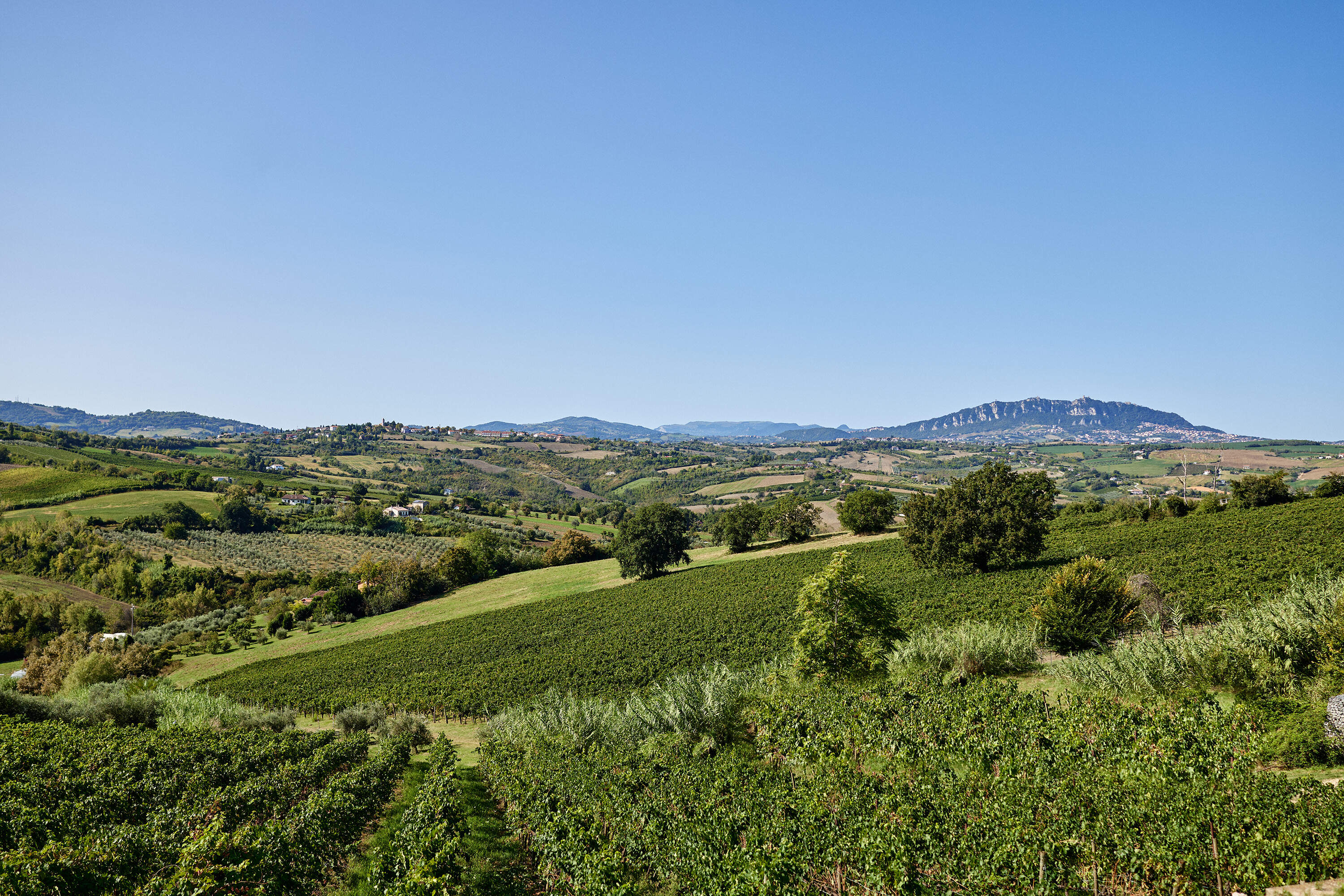
But San Patrignano stands apart. It's like a village, with its own restaurants, bakeries, animal shelter and vineyard, among other business enterprises. It even has its own hospital. It's sprawling 700 acre campus is in Italy's Emilia Romagna region, known for its food, centuries-old castles and seaside resorts.
Addiction treatment experts consider San Patrignano one of the most sophisticated therapeutic communities in the world.
It has caught the attention of federal Health and Human Services Secretary Robert F. Kennedy Jr., who is himself in recovery from heroin addiction. He has called for more programs like San Patrignano in the U.S. to "stop the mayhem and carnage" of the opioid epidemic.
“I'm gonna build these rehab centers all over the country — these farms, healing camps — where people can go, where our American children can go and find themselves again and come back, become contributing members to our society, " Kennedy said last year in an interview on the cable channel NewsNation.
But critics say San Patrignano’s methods don't follow the latest medical approaches to treating addiction. And they argue San Patrignano and many other therapeutic communities have sordid histories rife with allegations of abuse, exploitation and corruption.
Michael said he was aware of past controversies at San Patrignano, but he'd had plenty of bad experiences in American addiction programs, from bed bugs to other residents using drugs. Often, he said the rehabs he went to offered little follow-up care.
“I was having trouble staying away from drugs, staying sober," Michael said, "and it just kept being a cycle."
"When you go to these shorter communities it gives you the chance to get all the drugs out of your system, but you still have a lot of work to do on yourself ... ."
Michael
The COVID-19 pandemic was especially hard, he said. He felt isolated and was often indoors alone. He used many drugs, but especially prescription sedatives known as benzodiazepines. Michael said he experienced severe physical symptoms when he tried to stop taking them, including seizures, and he couldn't complete his college classes. Twice he was hospitalized at psychiatric facilities.
Michael decided he needed longer-term, more intensive addiction treatment. He agreed to San Patrignano's requirement that residents commit to stay for at least two years.
“When you go to these shorter communities it gives you the chance to get all the drugs out of your system, but you still have a lot of work to do on yourself — and to me, that's the most important work,” Michael said.
Community is the treatment
Michael’s father urged his son to apply to San Patrignano after he heard Kennedy mention it during his 2024 presidential campaign. Michael went through the screening process, which involved convincing the staff he was motivated to stop using drugs. He said it took about six months to complete virtual interviews and get a medical visa.
The program is run mostly by peers in recovery, not medical clinicians. Learning how to work and function in the community is the therapy. There's little traditional counseling or group therapy sessions, and for the most part, addiction medications are not used.
Except for monthly laundry fees, the program is free to anyone admitted. Recently, about 850 people were receiving treatment there. San Patrignano has served more than 26,000 people since it opened in 1978.
Michael lives in a dormitory-style suite with nine other men. He said at first, he was under constant supervision of a mentor, or in Italian a “socio” or partner. That's another resident who decides what a new resident is allowed to do and when.
The rules are strict. No one can use a cell phone or the internet for at least the first year. During this period, participants can communicate with loved ones through letters. Michael said he is allowed to leave, if he asks to do so.

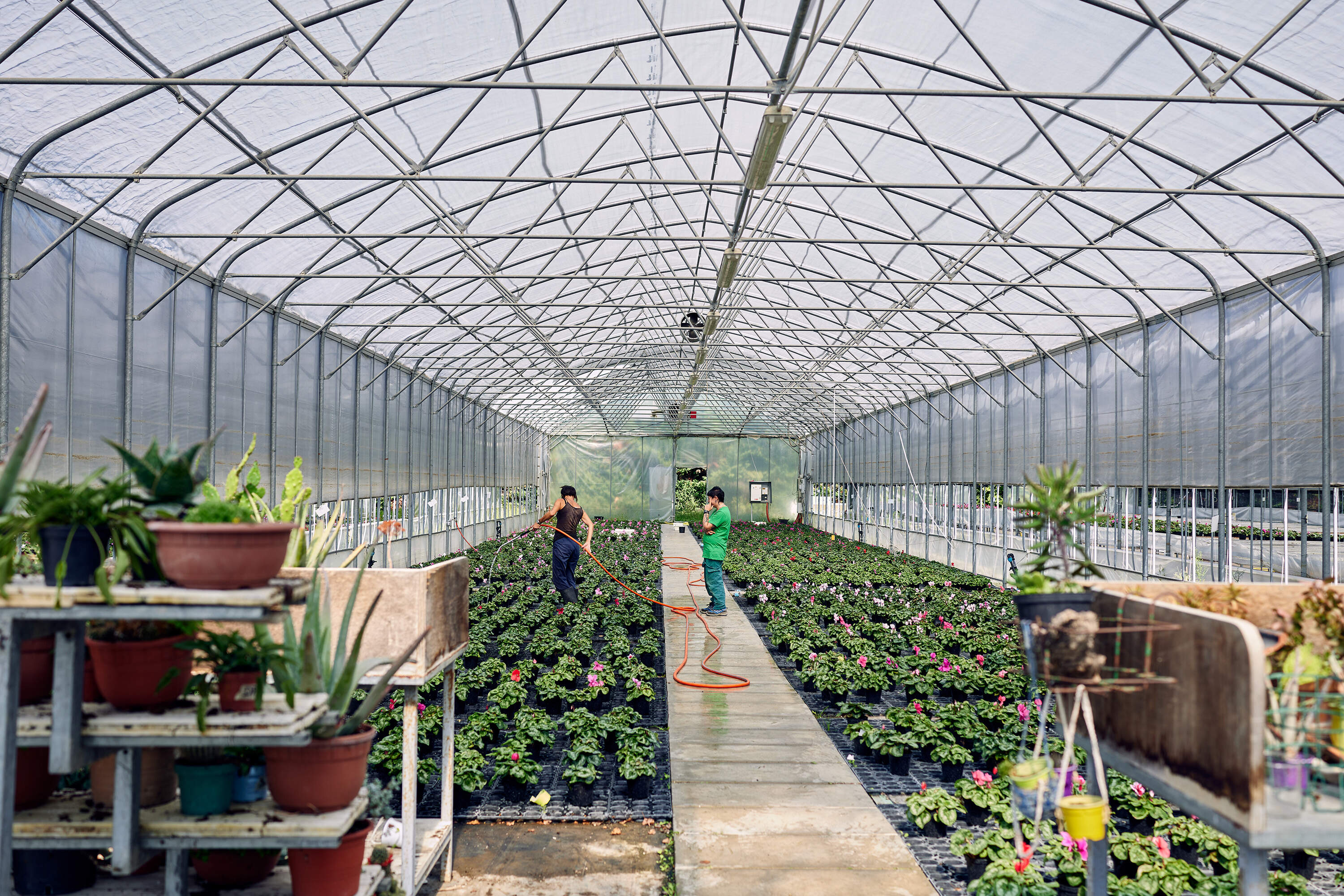
Each participant is required to accept a work assignment in one of the areas of San Patrignano's meticulously landscaped campus. They work six days a week, some in jobs that keep operations running, such as the kitchen or laundry; others in enterprises that function like businesses.
San Patrignano has become known for the products it sells, made largely by its residents. Local businesses support workshops on the campus, such as hand-weaving and leather-making, and San Patrignano leaders have created apprenticeship programs too.
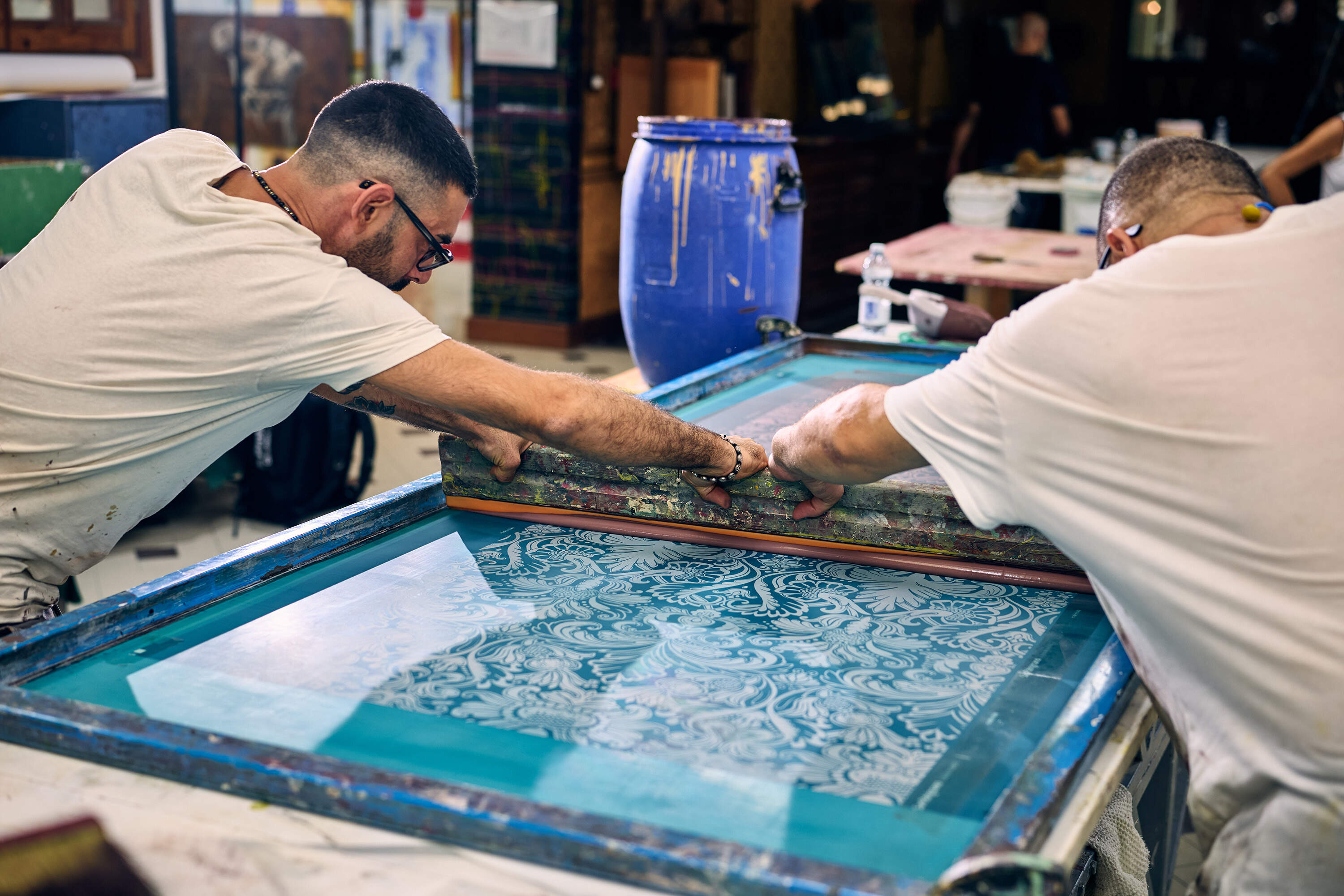
The bakeries sell hundreds of loaves of bread each week; there's an award-winning cheese-making operation; and a sector where participants learn to create hand-painted wallpaper and tile.
Most of the women work in the laundry or textile workshops. On a huge handloom, they weave fabric to make into scarves and other objects. Some of their work is done for luxury fashion brands.

“When you come here your self-esteem is very, very low,” said Kerol Rocco, a former San Patrignano resident who now works as an educator in the textile sector. “But when your work is then used by an important fashion brand you think, ‘I can make something beautiful and something that people can appreciate.' ”
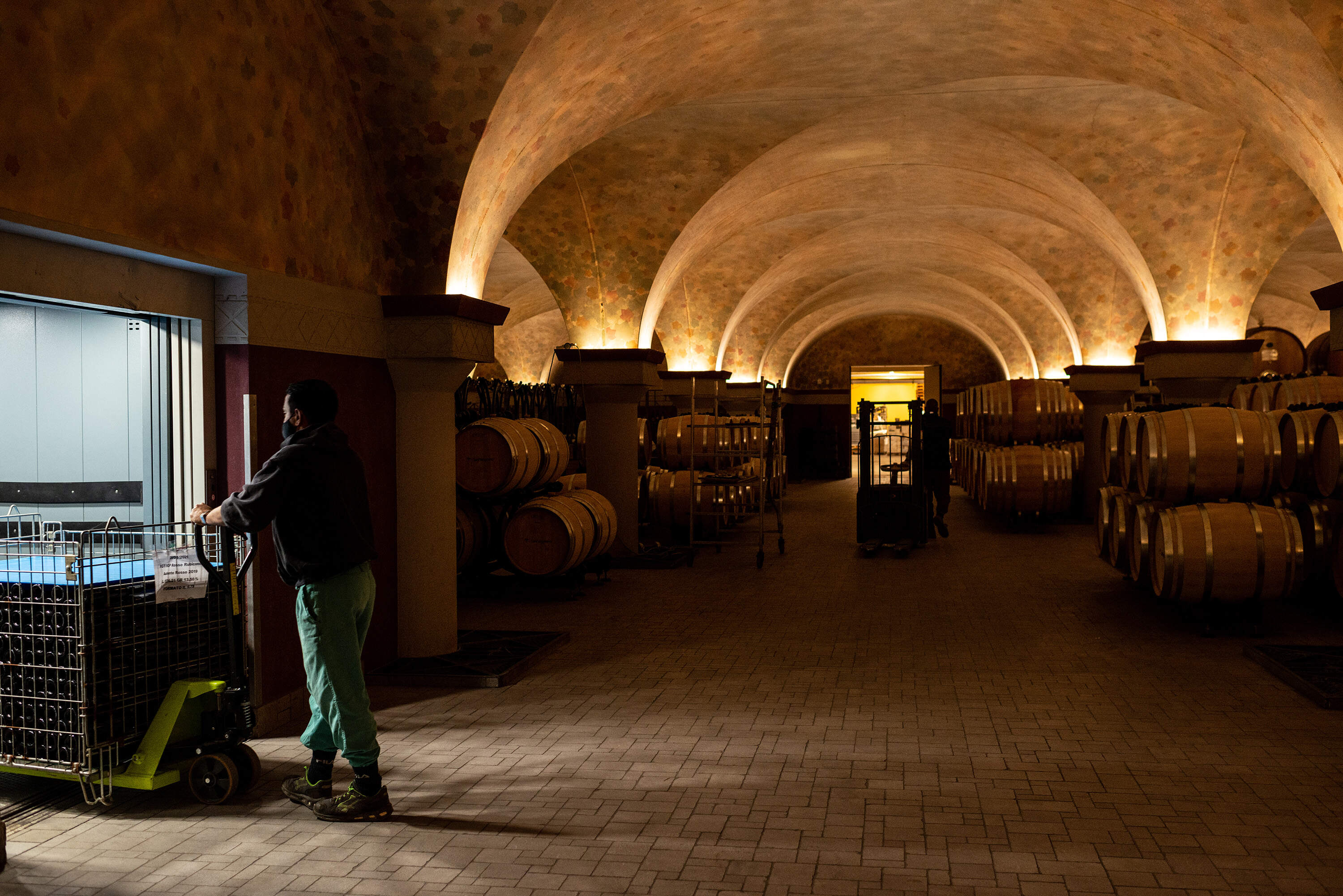
The rehab's largest enterprise is a winery. It sells about 400,000 bottles of wine a year, according to Monica Barzanti, head of international relations for San Patrignano.
All together, Barzanti said, the enterprises generate about 65% of the revenue needed to meet San Patrignano's almost $26 million annual budget. Donations and some funding from Italy’s National Health Service cover the rest.
But the residents are not paid for their work.
Upon arriving, Michael was assigned to hospitality. Most days he wears a white coat and plates mounds of food for residents and staff. It's a tough schedule, but Michael said he feels his work contributes to the community, and he’s paying back his living expenses.
Michael said there were times when he wanted to leave. But so far, he's stuck with it. After seven months, he said he feels more clear-headed, he's engaging more with others, and he's earning more freedom and privacy.
“I'm starting to see the benefits, the changes I've made, the changes in my thinking that are really positive,” Michael said.
The majority of San Patrignano’s residents — about 80% — are men, ranging in age from teenagers to people in their 50s. (The campus has a separate area to house minors.) Most are from Italy or other parts of Europe; fewer than 10% come from the U.S.
Lorenzo Leporoni, a 29-year-old former tennis coach from Rome, entered the program a little over a year ago because of his cocaine and alcohol use.
He's one of two-dozen men assigned to work the vineyard, tending some 200 acres of grape vines. Like Michael, Leporoni didn’t like the work at first. He said he “hated everything,” and wasn't optimistic it would help him.
"I came here saying, 'OK, I try to do this, but really nothing will change,' ” he explained.
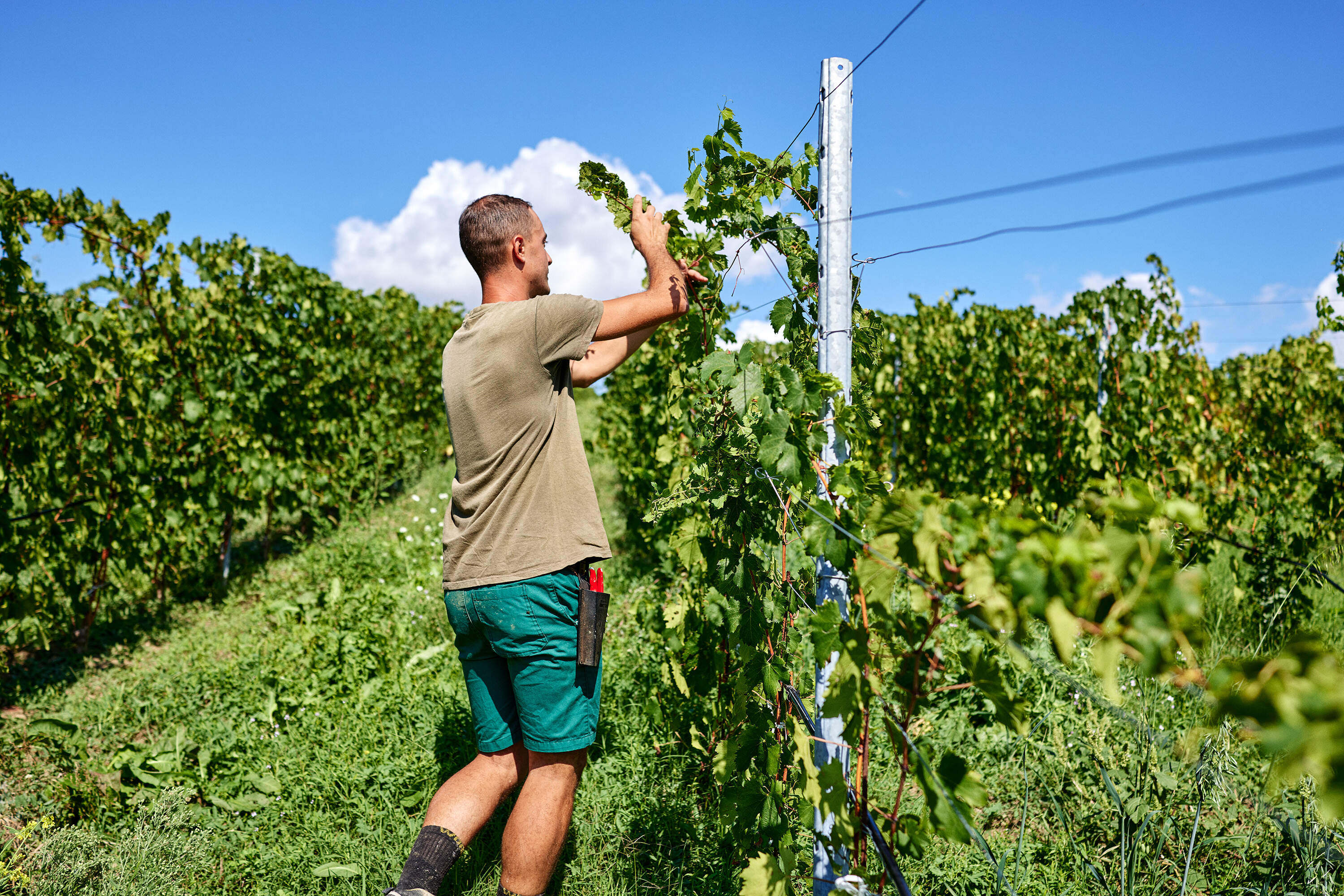
Because alcohol was part of his addiction, Leporoni said he found it difficult to spend days near the winery, and he often thought about stealing bottles. After about a month, those ideas — and the cravings — subsided. Now, he said, living in a community, taking pride in his work and being accountable to others has helped him.
"I think what really saves your life here is to discover again the possibility that you have to interact with other people in a healthy way, and not just in a toxic way,” Leporoni said. “Before, I was alone with myself for days and days, and the only occasion that I [had] to stay with someone else is for taking drugs together.”
After another year, Leporoni will be allowed to leave the campus for a week. Then, he'll be allowed to leave for 10 days. He said San Patrignano staff will monitor what he does outside the facility and one day determine when he is ready to leave permanently. They will also help him find work and offer support for several months after he leaves.
Concerns about exploitation
Like all addiction treatment, San Patrignano doesn’t work for everyone. Program leaders say about 20% of those admitted leave within the first year. Some former residents said they needed more formal counseling, were troubled by the lack of privacy, and felt too much of the program's focus was on work.
Michele Bertoni, 31, recently left San Patrignano after just two weeks. He said he went there because his parents at one time worked for the program and wanted him to get treatment for his alcohol and cannabis use. But he didn't feel he needed to commit to years in treatment.
"I'm not here to work. I'm more into working on myself, on talking things over."
Michele Bertoni
Bertoni's work assignment was in the bakery making "piadina," a local flatbread. He said the work wasn't addressing his mental health needs.
“You don't even have time to talk,” Bertoni said through an interpreter. “If you start talking about your problems, you'll waste your time, your piadina will burn or the mechanism will crash."
To Bertoni, it seemed like the residents and their problems were put "on the back burner."
"I'm not here to work," he said. "I'm more into working on myself, on talking things over."
While many treatment experts say productive work can help people recover from addiction, critics of therapeutic communities point out that some of their leaders have exploited vulnerable people. San Patrignano's founder was convicted of imprisoning residents in the 1980s, and later of helping cover up a murder. Today, the rehab's leaders say they've taken steps to avoid abuses.
Critics worry about the embrace of San Patrignano's model at a time when U.S. policy is tilting toward more punitive approaches to addiction. Over the summer, a White House order calling for more involuntary commitment to treatment underscored their concerns.
Northeastern University Health and Law Professor Leo Beletsky said without the proper guardrails to ensure that medical standards are followed, large therapeutic communities in the U.S. could turn into something like work camps.
“I don't think it's appropriate to force people in a supposedly therapeutic environment to do activities that they should be getting paid for,” Beletsky said.
'A soul disease'
Another point of criticism is that San Patrignano doesn't use addiction medications, like methadone or buprenorphine, that stave off cravings and the debilitating symptoms of opioid withdrawal.
Many medical experts consider these medications the "gold standard" in addiction treatment, but there is debate over their use. Critics argue all addictive substances should be avoided during treatment. More than a third of U.S. programs do not prescribe them.
San Patrignano leaders say the medications may be given to new residents struggling with withdrawal, but they're not offered long-term.
"It's impossible that a drug treatment, a pharmacological treatment, could be like the years of experience — the mental experience — that I had in this place."
Dr. Antonio Boschini
“Addiction is not treatable with medication in my opinion,” said Dr. Antonio Boschini, San Patrignano’s medical director and a former resident.
Boschini first arrived at San Patrignano in 1980 as a 22-year-old addicted to heroin. After completing the program, he went to medical school before San Patrignano hired him.
Boschini said recovering from addiction takes a lot of support from peers, which he credits with helping him achieve and maintain sobriety.
“It's impossible that a drug treatment, a pharmacological treatment, could be like the years of experience — the mental experience — that I had in this place," he said. "In my opinion, addiction is a brain disease, but also a soul disease.”
Overcoming that "soul disease," Boschini said, also requires a sense of purpose, accountability and skills that may be marketable once residents leave. Importantly, he said, San Patrignano's program aims to retrain their brains to enjoy engaging with the world — without substances.
“One of the main drivers of this program should be to teach people how to be rewarded by normal activities,” Boschini said.
Still, many U.S. addiction experts point out that not everyone will be able to spend years in a structured, residential program, away from family and paid employment. They argue federal officials should not ignore newer methods for treating addiction.
Keith Humphreys, a Stanford professor and former drug policy advisor during the Obama administration, said medical interventions have become increasingly effective since therapeutic communities gained popularity in the 1960s and '70s.
“I don't see why we would deprive ourselves of all those tools that we have developed through a lot of hard work, through many, many decades,” Humphreys said. “I'm not hostile to the idea [of a therapeutic community], but it's not scalable, and it just doesn't take advantage of everything that we know.”
Do therapeutic communities work?
Research on the effectiveness of therapeutic communities is mixed. Most studies suggest that people who stay in long-term treatment and participate in follow-up care have better outcomes than those who leave. But addiction experts say more research is needed, and there are challenges to studying recovery. For example, there's no agreed upon definition of recovery. There also is wide variety among therapeutic communities.
A Cochrane Review, which evaluates health care research, looked at seven studies of therapeutic communities and found no statistical significance between their outcomes and those of other residential drug treatment programs, but said “firm conclusions” could not be drawn.
Treatment Communities of America, an advocacy group for therapeutic communities, estimated that hundreds of these types of programs operate across the country. Many run within correctional facilities or in prison reentry programs. Seep Varma, the group's board president, said most now accept health insurance, so they're better regulated than in the past.
“I think that the overwhelming majority of programs operate with high integrity and operate under modern systems of care,” Varma said.
San Patrignano leaders cited Italian studies indicating that more than 70% of those who completed its program remained drug-free for years afterward, although some question that research.
For one study, researchers at the universities of Bologna, Pavia and Urbino interviewed and drug tested 250 former San Patrignano residents who lived there between 1999-2002. They found 78% of those who completed the program were drug-free two years after leaving.
“One of the most important aspects is length of stay in the community and the second aspect is leaving the community with the consent of the community itself,” said Marco Castrignano, a professor at the University of Bologna who led the study, speaking through an interpreter.
A length of stay of about three years, combined with consent to leave "greatly increase the possibility of remaining drug-free afterward,” he said.
The Trump administration has yet to provide details about what a San Patrignano-inspired rehab might be in the U.S. But to Michael, the San Patrignano resident from Detroit, it makes sense to add more treatment options such as therapeutic communities. Despite the scandals and the criticism, Michael said, these communities, like those experiencing addiction, deserve another chance.
“I haven't seen any sort of physical violence or making people feel terrible about themselves,” Michael said. “I haven't seen anything like this done here, that people could interpret as being cruel."
This segment aired on December 16, 2025.