Support WBUR
MSPCA sees surge in pet surrenders as owners struggle to find animal-inclusive housing
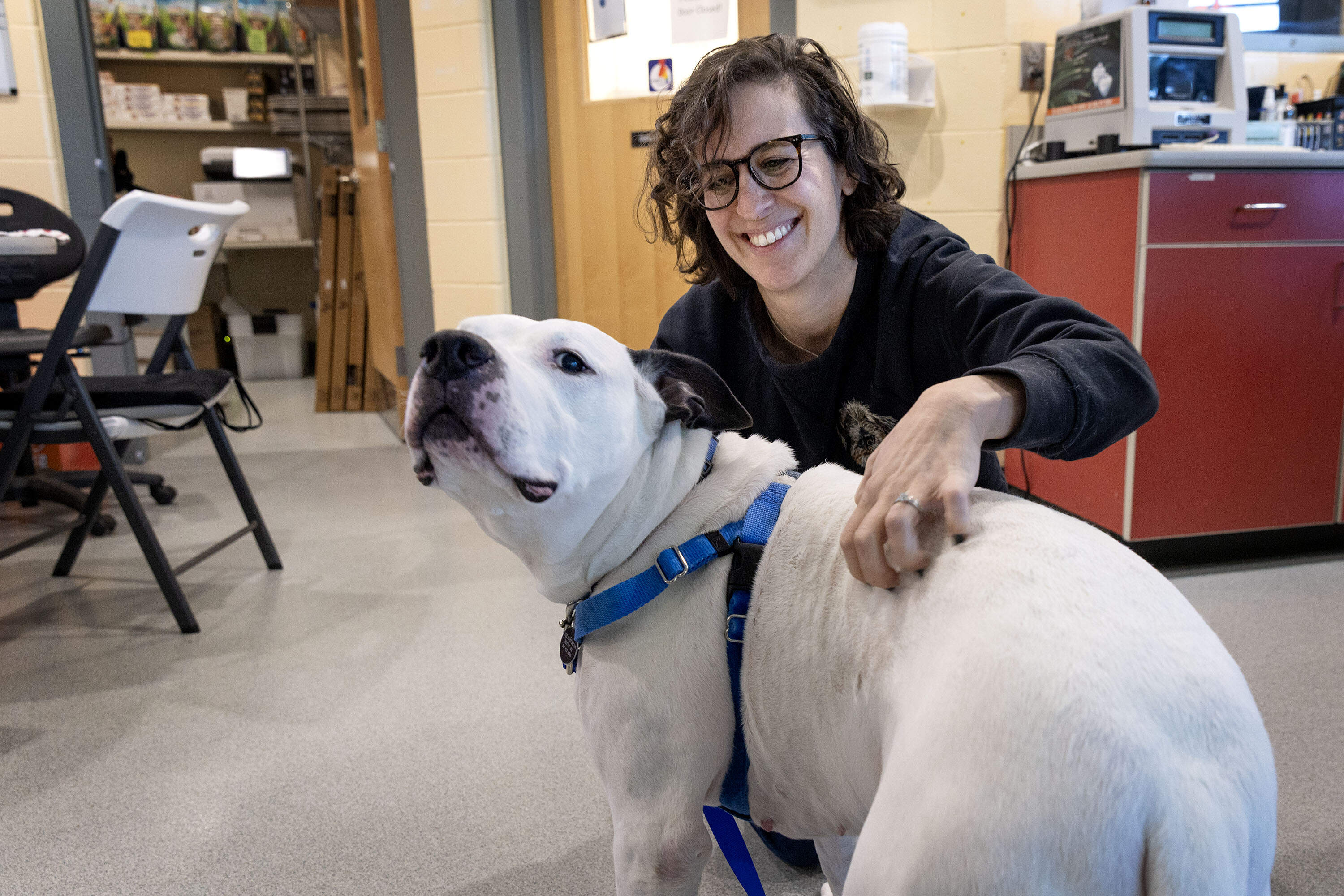
Kingston is a big, white pit bull mix with a nose and ears that look like they were dipped in ink. He has split his time between the MSPCA’s Jamaica Plain shelter and foster care since May, still waiting for his perfect family.
“He doesn't know how to sit. He just knows how to lay down,” said Alyssa Krieger, the MSPCA's director of community outreach.
But when she tells him to sit, he gingerly scoots his bum to the floor.
“Oh, you learned?” Krieger said with glee. “He's been in foster for a while. I haven't seen him for a minute, but for the first like, bunch of weeks he was here, if you said 'sit,' he would just lay down.”
Krieger said shelter life has been stressful for the 7-year-old pooch. His Boston-area family had to surrender him after their landlord changed their pet policy, she said. It’s also been tough for Kingston to find a new family because he’s a pit bull mix — a breed many landlords don’t allow.
And it's not just pit bulls. Families with all kinds of breeds and species are giving up their pets due to housing issues, Krieger said.
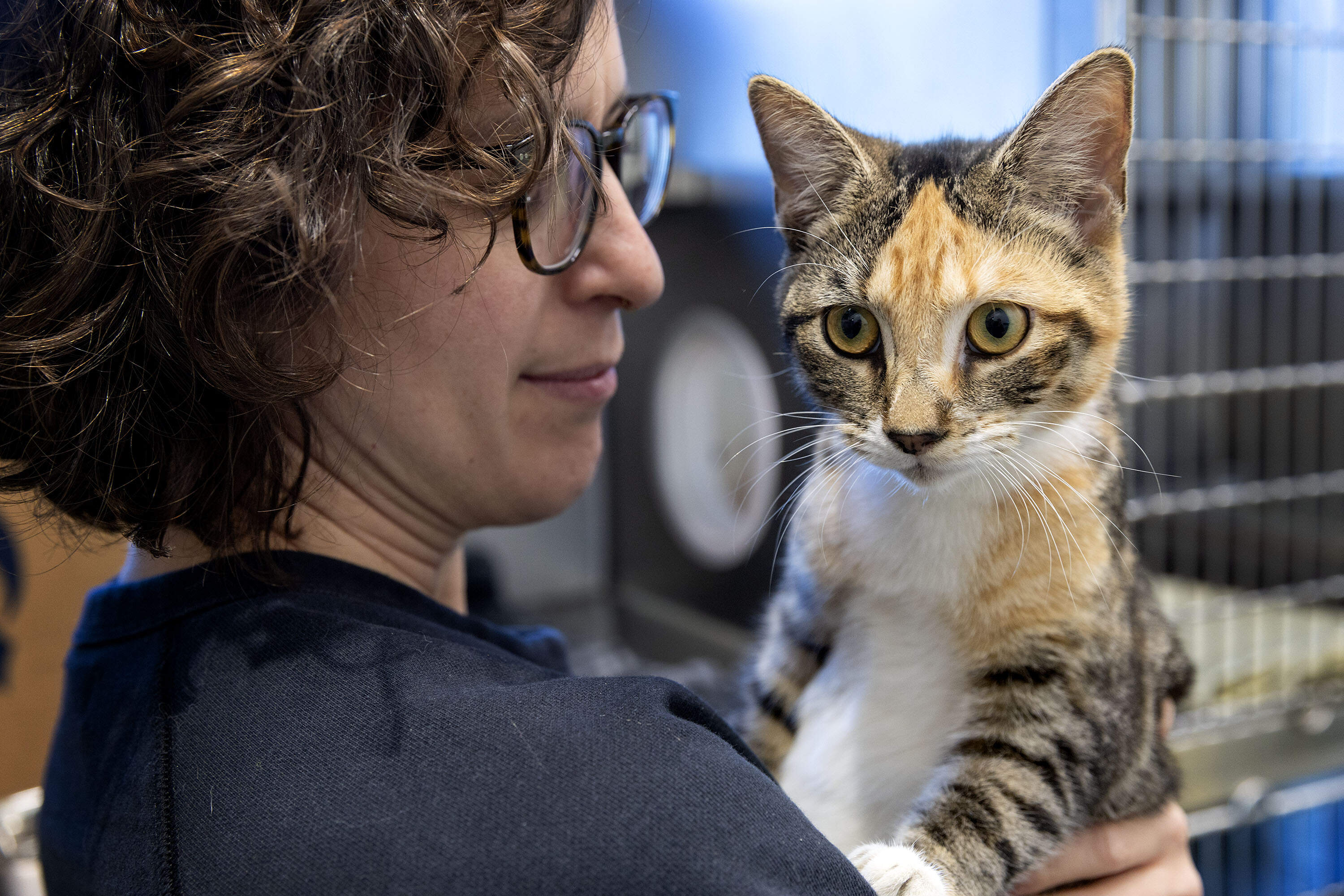
The MSPCA said owners have surrendered more than 3,000 cats and dogs this year — a more than 25% jump from last year. Of those surrenders, more than a third of them were due to housing-related issues.
Overall, the organization said it has seen a nearly 50% increase in animals being surrendered to their shelters for housing-related concerns over the last three years.
“ It's easy to say, like, I would never bring a pet to the shelter,” Krieger said. “But when you're choosing between putting a roof over your head and keeping your pet, you have to make hard decisions sometimes. And I think that's becoming increasingly common.”
To tackle this issue, the MSPCA hired housing policy specialist Jamie Blackburn earlier this year.
She said pet surrenders accelerated because many people adopted pets during the COVID-19 pandemic. Since then, more people have been called back into the office, housing prices in and near the city have skyrocketed, and the apartment vacancy rate has stayed low. This means many landlords don’t have to allow pets to find tenants, Blackburn said.
The MSPCA has found that about 36% of units in Massachusetts label themselves as pet-friendly. But with size and breed restrictions factored in, that figure drops to about 9% of units on the market.
“ If you were given notice by your landlord tomorrow that you had 30 days to find new housing, how confident are you that you'd be able to take your dog with you?” Blackburn said. “I think most folks have not given that as much thought as they probably need to because the housing market is truly that competitive.”
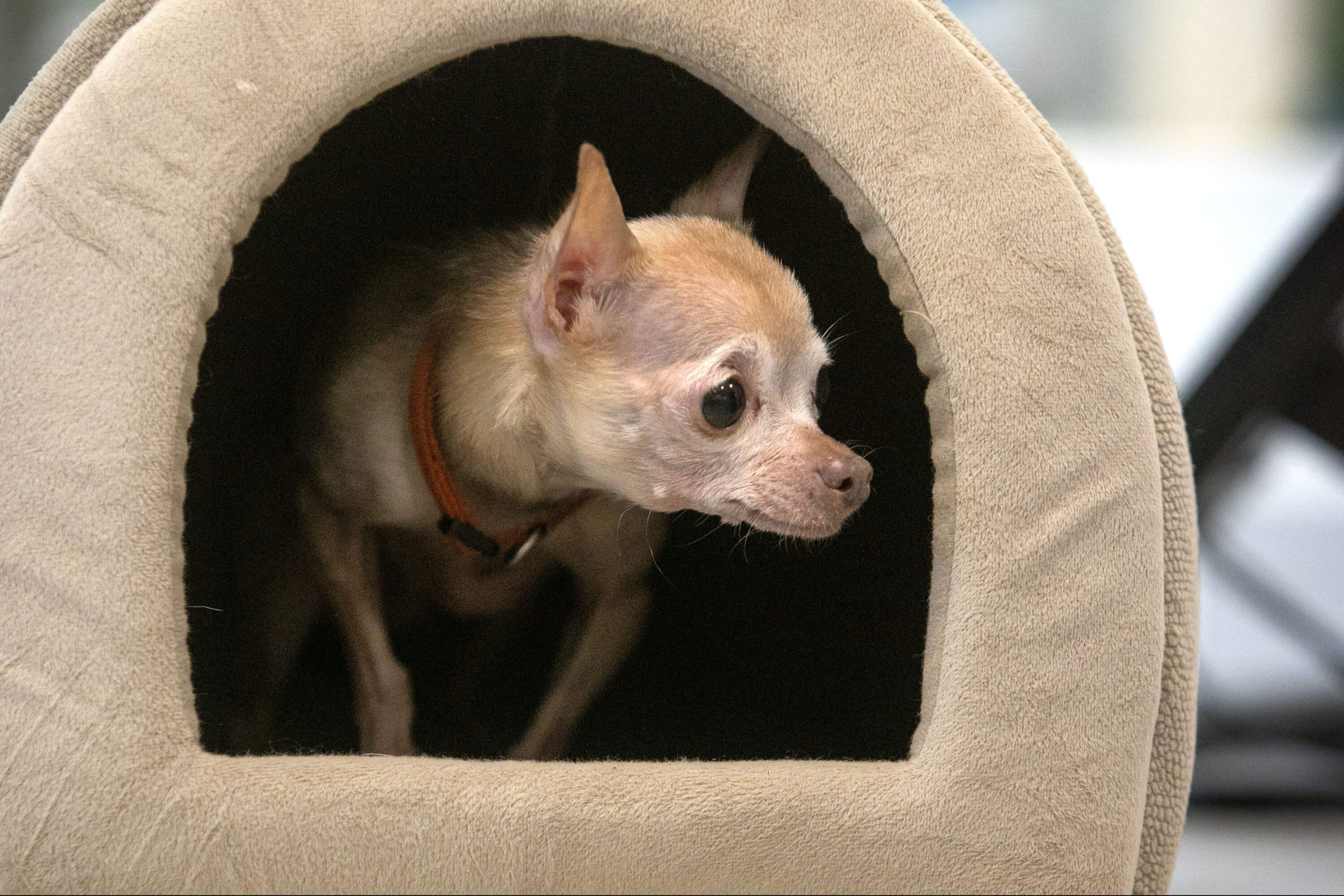
The MSPCA has begun to offer people support and resources if they call in with concerns about having to give up a pet, including for those who need help finding pet-friendly affordable units.
“ That's not normally something that the MSPCA has ever dealt with, or considered before, but it is necessary because this issue is deeply affecting our mission and our ability to serve and provide care for animals,” she said.
The MSPCA is feeling the burden of the bump in pet surrenders. The organization said it has spent around $1 million and invested 50,000 days of care over the last three years on these surrendered pets who otherwise would have loving homes.
To combat the surge, the organization is advocating for policies that would require a certain percentage of pet-friendly homes in senior and subsidized housing, prevent renters and homeowners insurance companies from barring certain pet breeds, and cap pet rent fees. (Landlords are not allowed to charge tenants up-front pet fees in the Massachusetts, but can charge additional rent to cover pet-related costs.)
“When you're choosing between putting a roof over your head and keeping your pet, you have to make hard decisions sometimes.”
Alyssa Krieger, MSPCA director of community outreach
From landlords’ perspective, many of them love or have pets themselves, but say animals can be destructive to rentals. MassLandlords Executive Director Doug Quattrochi said this happened in one of his apartments.
“ The people I screened, they're lovely people, and nothing wrong with them, but sometimes life throws you a curve ball and it's just really effing hard,” he said. “And the animal's the first thing that gets forgotten.”
Quattrochi said cases like these are rare, but can be expensive. He said the state’s tenant laws don’t give property owners much leverage to evict the few tenants with poorly behaved animals.
But he said he hopes to work with the MSPCA to expand the number of pet-friendly apartments for responsible owners — including by allowing landlords to collect up-front pet fees to cover potential damage.
“We want there to be more housing opportunity," said Quattrochi. "If we worked together, we could actually fix these problems. When we draft legislation by ourselves in silos and chuck it over the wall, nothing gets fixed.”
Blackburn said she’s tweaked her legislative proposals based on feedback from multiple landlords and is "happy to discuss suggestions." She said she’ll continue meeting with stakeholders, including MassLandlords, in the coming weeks and months.
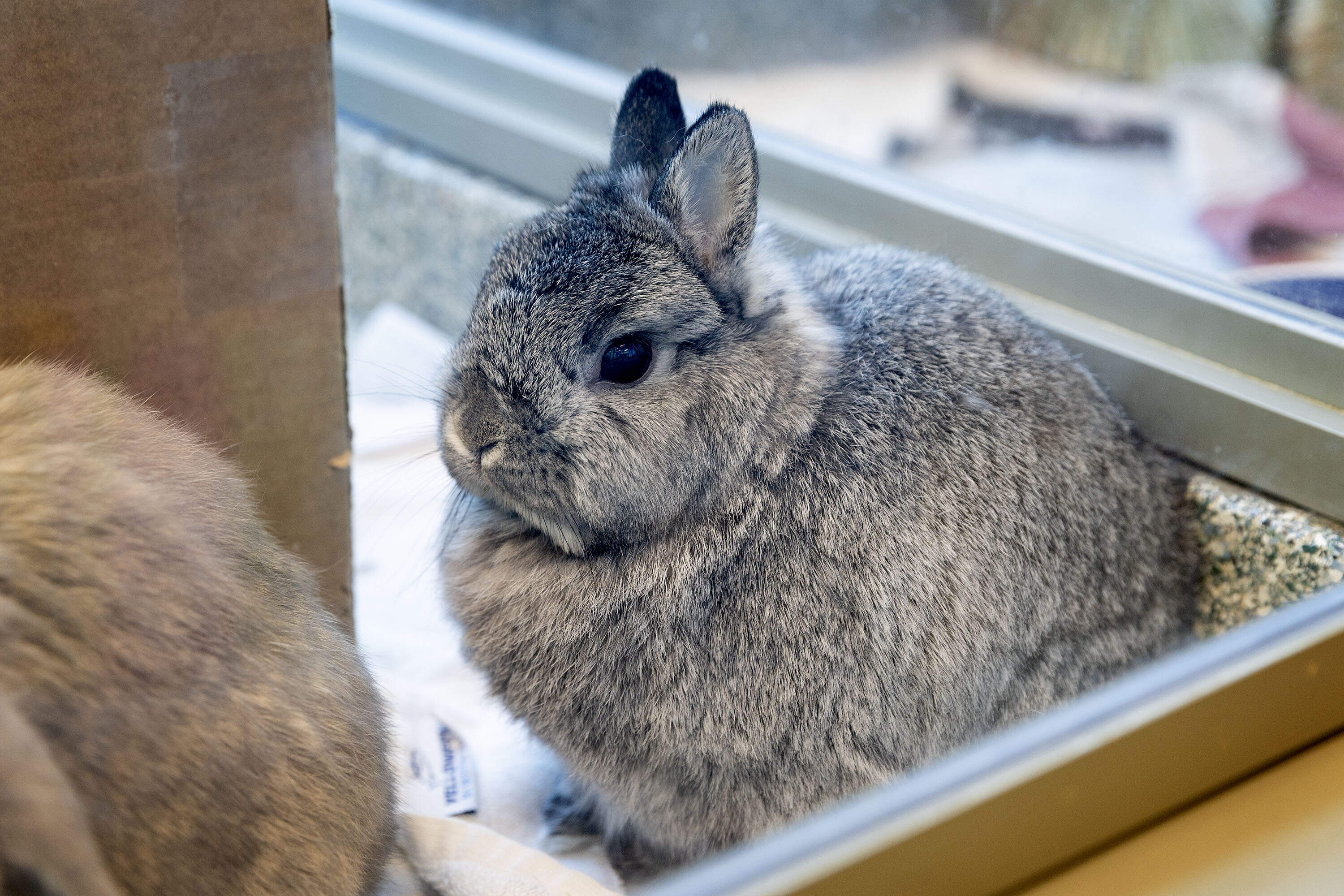
In the meantime, Quattrochi said tenants who have a strong existing relationship with their landlord, a letter of reference from a previous one, or proof of completion of a training school might be able to persuade a landlord to allow a pet. The MSPCA similarly recommends that pet owners create a “pet resume” with information showing that their animals are up-to-date on medical care and are good neighbors.
But those efforts didn’t work for Jennifer Wolfe, who had been renting a room in Norwood with her 20-year-old orange cat, Pumpkin. She said Pumpkin is "very important" to her wellbeing.
"My depression gets worse when I spend too much time alone," she said.
Wolfe said she had to give up Pumpkin to family out of state earlier this month after a sudden job loss last year forced her to leave her room in Norwood. She said the region’s soaring housing costs and short supply of pet-friendly housing left her stuck.
“I've lived here all my life and I don't want to leave,” she said. “My dad worked for the T and he was able to buy a house. I had a white-collar job and I couldn't buy a house.”
Wolfe said she’s sleeping in her car and crashing on friends' couches when she can. She is unsure when she may be able to take Pumpkin back.
This segment aired on December 18, 2025.