Support WBUR
After Brown shooting, campus grapples with what steps to take next
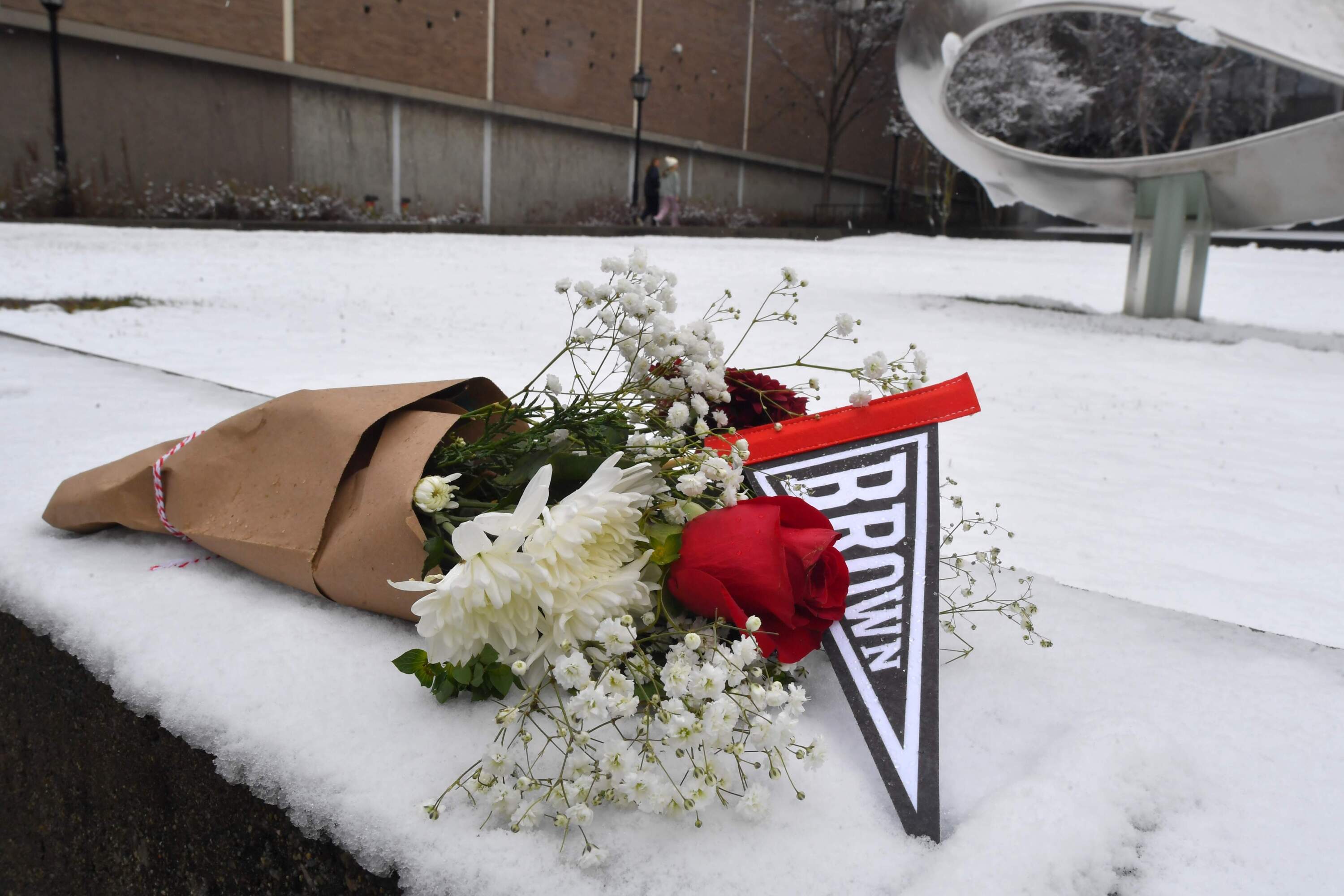
Ieva Jusionyte was wrapping presents for a holiday party when she started receiving a series of texts warning of an active shooter on campus at Brown University, where she's a professor of international security and anthropology and studies gun violence.
"I thought, oh no — but maybe this is a false alarm," Jusionyte recalled.
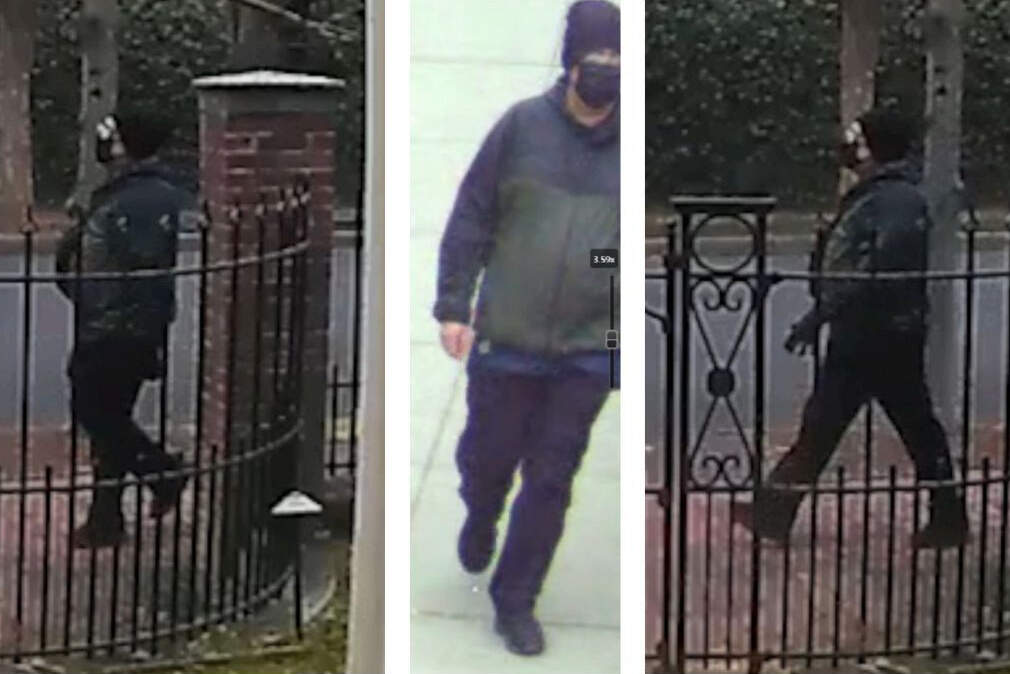
But it wasn't. The Dec. 13 shooting killed two students and injured nine others. Investigators are still looking for a motive behind the shootings at Brown as well as one in Brookline that killed MIT professor Nuno Loureiro. Police say the alleged shooter, Claudio Manuel Neves Valente, killed himself in Salem, New Hampshire, ending a six-day manhunt.
In the aftermath of what remains a rare event — a shooting on a U.S. college campus — many were left scared, vulnerable and unsure of what's next.
Jusionyte felt shocked and paralyzed by the shooting, which occurred in the heart of her community, in the very classroom where she often taught. In a piece for the Boston Globe, Jusionyte wrote about her experience that day, and the questions it raised, including: what is the appropriate response to this latest chapter in America's epidemic of gun violence?
"School shootings are a very American thing," Jusionyte said, noting that this kind of attack doesn't often occur in most other countries, including in her native Lithuania.
As someone who studies gun violence, Jusionyte is an advocate for strict gun laws, like in Massachusetts, which has some of the lowest rates of gun violence in the country. Rhode Island, too, has strict gun laws, including a ban on selling assault weapons, stringent background checks and mandatory training to purchase a handgun. But those couldn't stop a determined killer from out of state — and it leaves Jusionyte's faith in gun laws shaken.
"Yes, gun laws are good. They do save lives," she said. "But they will not save all lives. We are in too deep."
It's unclear where Neves Valente acquired the gun used in the shootings, or whether he would have been prevented from buying one in Massachusetts or Rhode Island.
But with tens of millions of guns in America, the patchwork of state laws makes it too easy to buy a gun in a state like New Hampshire, and carry it into a state like Massachusetts or Rhode Island. The attack at Brown also raises questions about whether the university could have done more to thwart the shooter. For example: why were there so few cameras in the building where the attack occurred? Why didn't Brown respond to concerns raised before the shooting that the building wasn't adequately secured? And how did the alleged shooter manage to spend days apparently casing the building where he eventually unleashed a brutal attack?
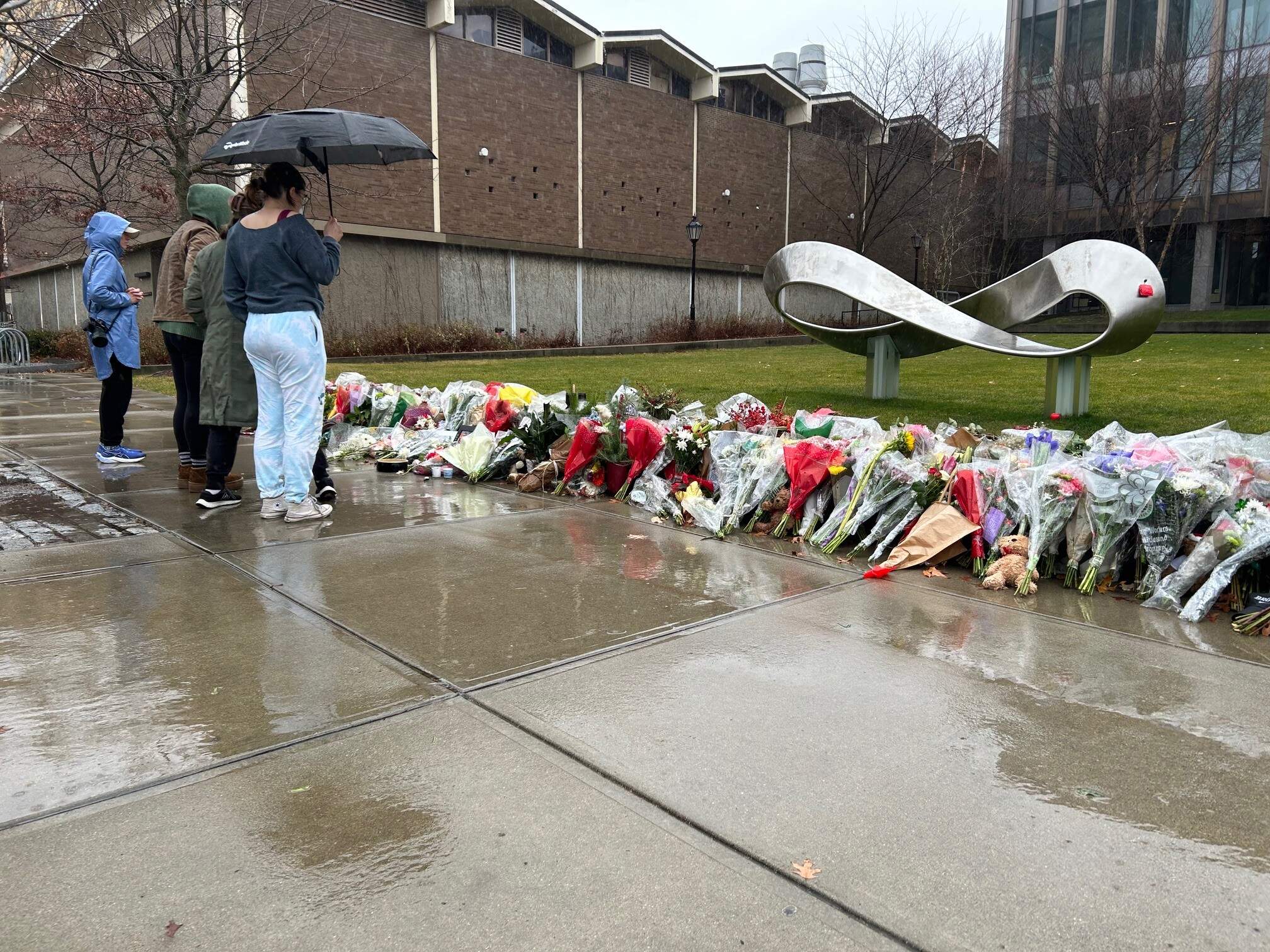
On the Brown campus on Friday, the day after Neves Valente's body was found, people braved the wind and rain to lay flower bouquets outside the Barus and Holley engineering and physics building where police say Neves Valente opened fire on students studying for a final exam.
Smiling pictures of freshman Mukhammad Aziz Umurzokov and sophomore Ella Cook, both killed in the attack, were on display.
Bella Pelletiere, of Woonsocket, came to pay her respects. She said the tragedy at Brown was felt in communities across the small state — and having a killer on the loose for six days had put everyone on edge. The news that Neves Valente was found, dead from a self-inflicted gunshot wound, came as a huge relief.
"I kind of felt that heavy weight on my shoulders lift off, and I'm sure everybody in the state feels that way, too," she said.
But even with the suspected killer dead, the trauma that he inflicted remains, and it will take time for many to recover. That includes administrators at Brown University, who are just beginning a difficult process of assessment. This week, Brown President Christina Paxson put Brown's police chief on leave and installed the former chief of police of Providence in his place. The university also plans to hire outside experts to conduct an after-action review of the shooting.
Meanwhile, the Trump administration announced an investigation into Brown's security protocols.
James Alan Fox, a criminologist at Northeastern University, said it would be a mistake — and impractical — to try to turn college campuses into fortresses, pointing out how infrequent campus shootings are.
"College campuses are very safe," Fox said, noting that students are often more at risk when they leave campus.
Fox has tracked campus shootings for decades. The worst occurred in 2007 at Virginia Tech, which killed 32 people. But Fox said on average there is about one campus shooting per year in which two or more people die, and that for students there's "a one in a million chance of being the victim of a homicide on campus."
Fox said strict gun laws reduce gun violence, even if the Brown attack is a reminder of their limits.
Jusionyte, the Brown professor, understands that. But after this latest attack brought terror to her community, she said laws aren't enough.
"We need to change our culture," she said.
Jusionyte is not sure how to do that, but suggested it might have something to do with a youth movement "to make gun safety kind of cool and popular."
"The next generation — the students might find a way out of this because we clearly haven't been able to do that," she said.
Jusionyte hopes the Brown shooting might finally change the conversation about America's love affair with guns, but she's not optimistic.
This segment aired on December 24, 2025. The audio for this segment is not available.