Support WBUR
2026 Winter Arts Guides
11 art exhibits to explore this winter
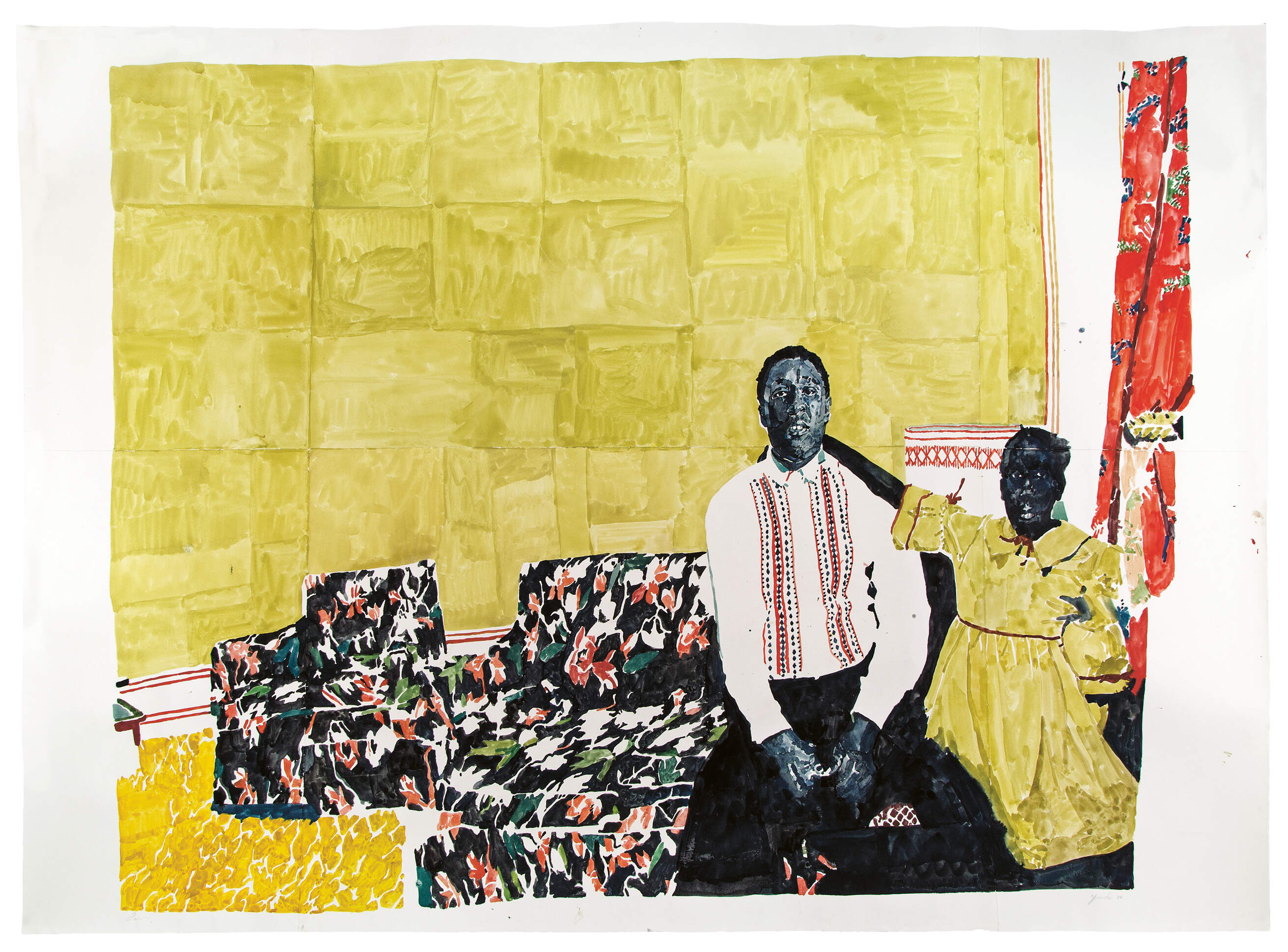
Many artists and curators in Greater Boston are contemplating ideas of self, belonging and community this season. “Persona: Photography and the Re-Imagined Self” at the Isabella Stewart Gardner Museum ruminates on identity, gender and how society shapes who we are. Artist Brittany Nelson examines queer experiences and the ways human isolation is mirrored by the exploration of space at the MIT List Visual Arts Center. “Divine Color: Hindu Prints from Modern Bengal” at the Museum of Fine Arts, Boston focuses on how lithography allowed people across economic groups to own and worship devotional art. Check out our list of must-see exhibitions on view this winter.
'FESTIVAL: A Celebration of African Art'
Fitchburg Art Museum
On view through Dec. 3
After a fall closure, the Fitchburg Art Museum reopened in December for its centennial celebration. The museum kicks off the new season with “FESTIVAL: A Celebration of African Art.” The exhibition showcases the museum’s collection of African art from “first millennium CE terracottas, to contemporary sculptures.” “FESTIVAL” will explore masquerades, ceremonial life, ritual life and domestic life with works from peoples and cultures across the African continent. Also on view is the work of Boston-based artist Tara Sellios in the exhibit “As Now the Beasts” (through May 24). Sellios’ photographs “highlight the beauty of the grotesque.”
'Zora J Murff: RACE/HUSTLE'
MASS MoCA
On view now
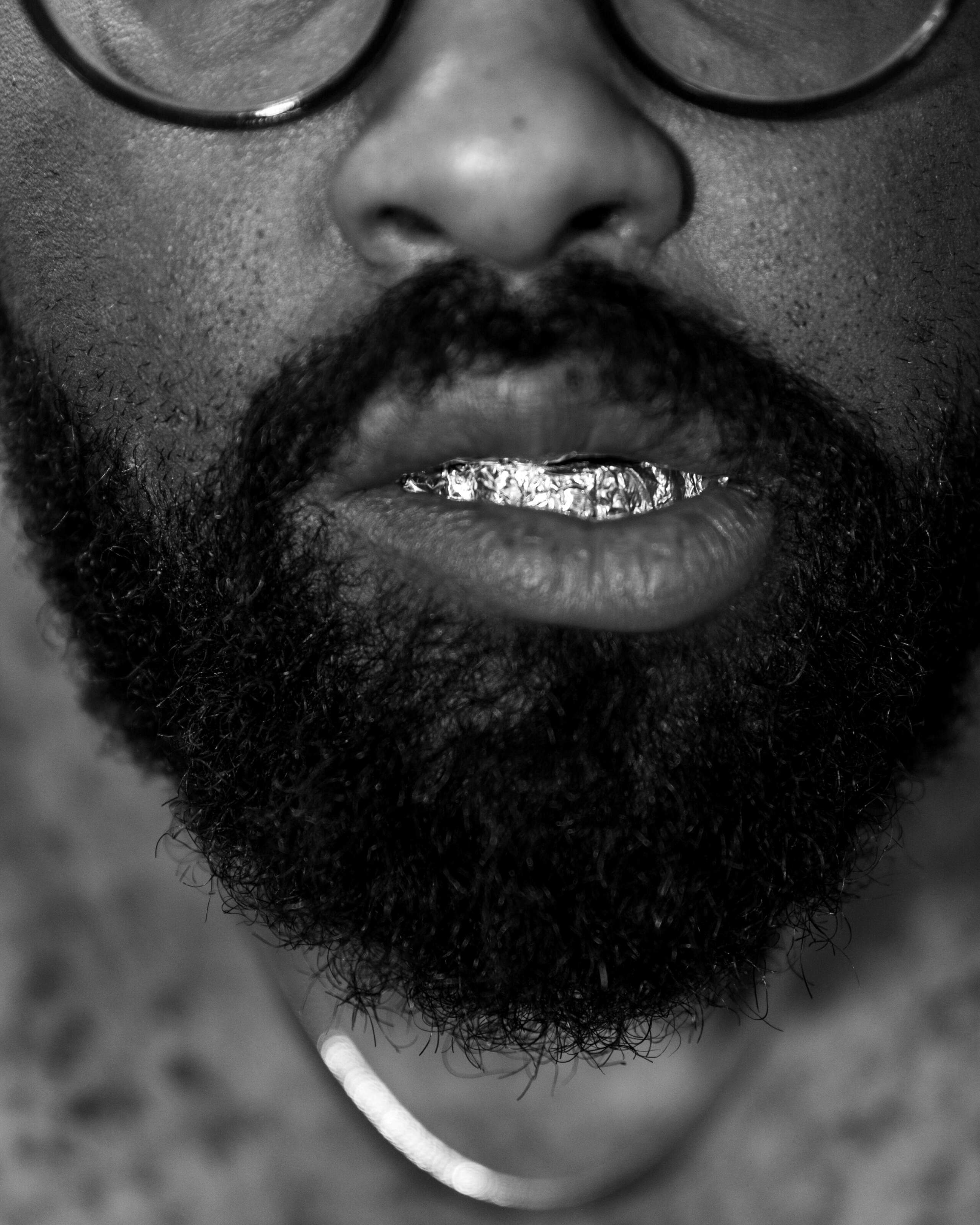
Zora J Murff is a photographer, artist, curator, educator and former social worker based in Oregon. His work investigates systemic oppression, political violence and anti-Blackness. “RACE/HUSTLE” at MASS MoCA encourages viewers to scrutinize the ways institutional racism seeps into everyday life. The exhibition will include photographs, collages and videos exploring the true meaning of liberation. The exhibition“reminds us that race, capital, and imperialism structure much of our relationships to one another and ourselves,” according to the press release. Murff asks viewers to ponder what it takes to resist.
'Shadow Visionaries: French Artists Against the Current, 1840–70'
The Clark Art Institute
On view through March 8
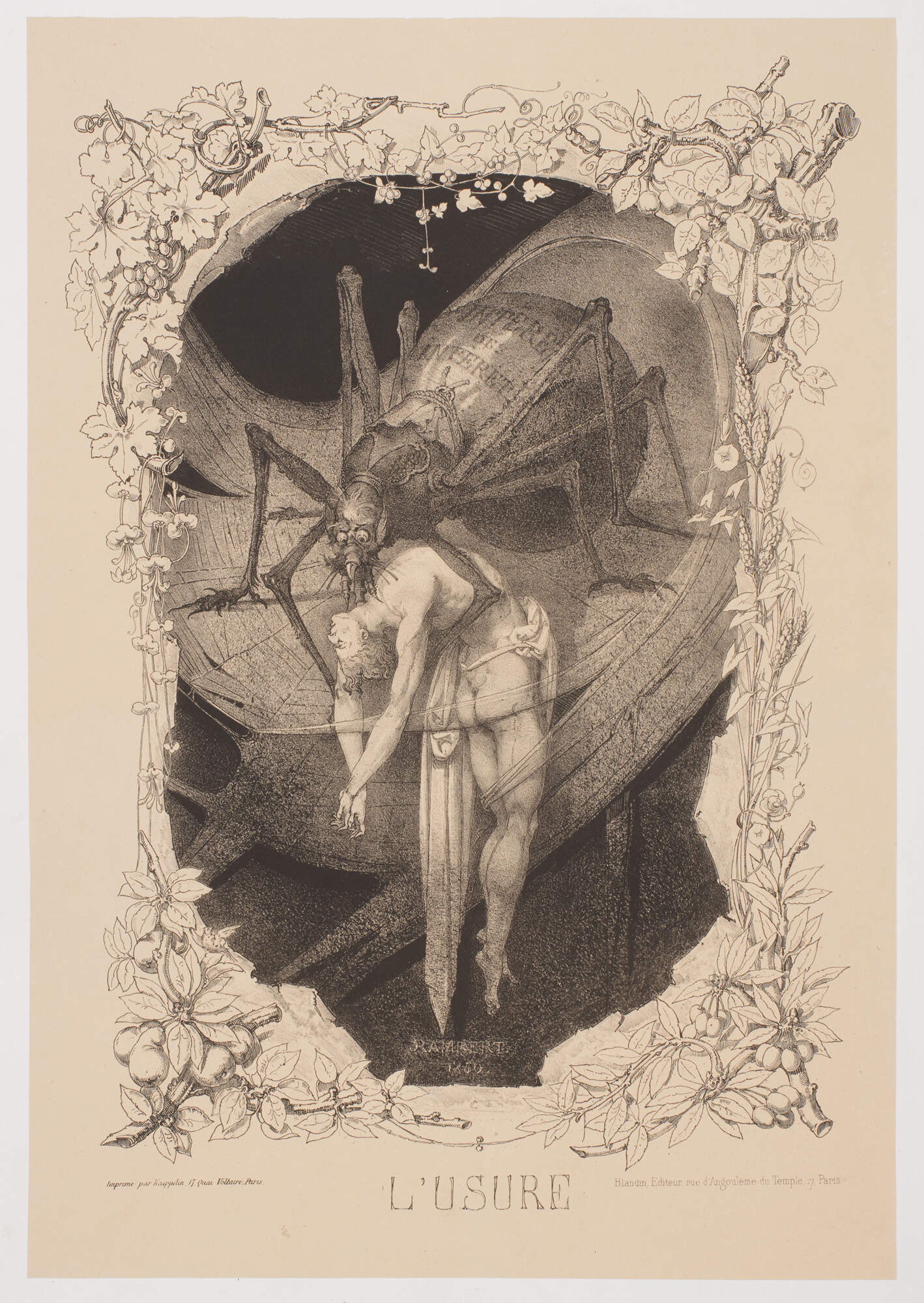
Much of the artwork developed during the mid-19th century in France revolved around realism. However, many artists also explored the mythical, imagined, dreamt and allegorical. “Shadow Visionaries” refers to artists like Victor Hugo and Charles Meryon who embraced developing works rooted in fantasy. This exhibition at The Clark Art Institute investigates Gothic architectural photography, social commentary embedded in allegorical works and throughlines between literature and mythical art. “Usury (L'Usure)” by Charles Rambert depicts a massive spider-like creature capturing a man in its web. The lithograph is also an allegory for the inescapable nature of debt.
'List Projects 34: Brittany Nelson'
MIT List Visual Arts Center
Jan. 15-March 29
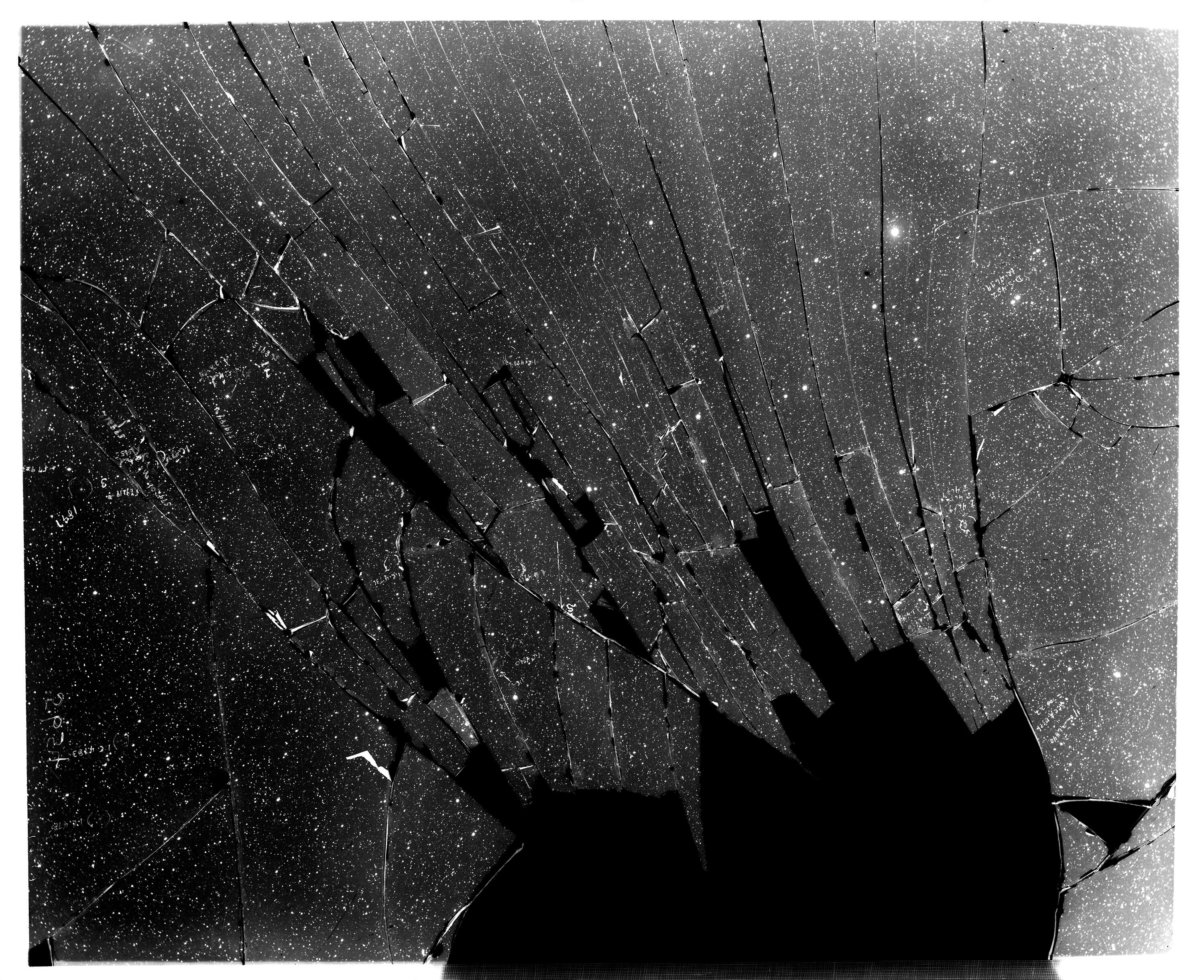
Brittany Nelson is a photographer based in New York City. She develops images, videos and objects in an effort to elicit connections between the exploration of space and the queer experience. Her work revolves around themes of loneliness, isolation and coded language. Nelson is an artist-in-residence at the Search for Extraterrestrial Intelligence (SETI) Institute, a nonprofit organization dedicated to the search for life and intelligence beyond Earth. This exhibition at MIT List Visual Arts Center will debut new photographs and a moving-image work filmed at the Green Bank Observatory (National Radio Astronomy Observatory) in West Virginia. This observatory contains one of the world’s largest radio telescopes, and it is a well-utilized site for SETI researchers. Nelson also draws inspiration from literature and cinema. Her video work is inspired by “Rebecca,” a novel published in 1938 by Daphne du Maurier that explores a woman’s developing fixation on her husband’s late first wife.
'Shaping Futures: The Prison Outreach Program of New Hampshire Furniture Masters'
Fuller Craft Museum
Jan. 24-June 7
“Shaping Futures” at Fuller Craft Museum exhibits the incredible work of incarcerated individuals in the New Hampshire Furniture Masters’ Prison Outreach Program. This program teaches woodworking skills and builds self-confidence and community within the group. The exhibition will include work from individuals in the men’s program in Maine and the men’s and women’s programs in New Hampshire. “Shaping Futures” will also honor the contributions of program instructors and showcase the importance of mentorship and dexterity.
'Divine Color: Hindu Prints from Modern Bengal'
Museum of Fine Arts, Boston
Jan. 31-May 31
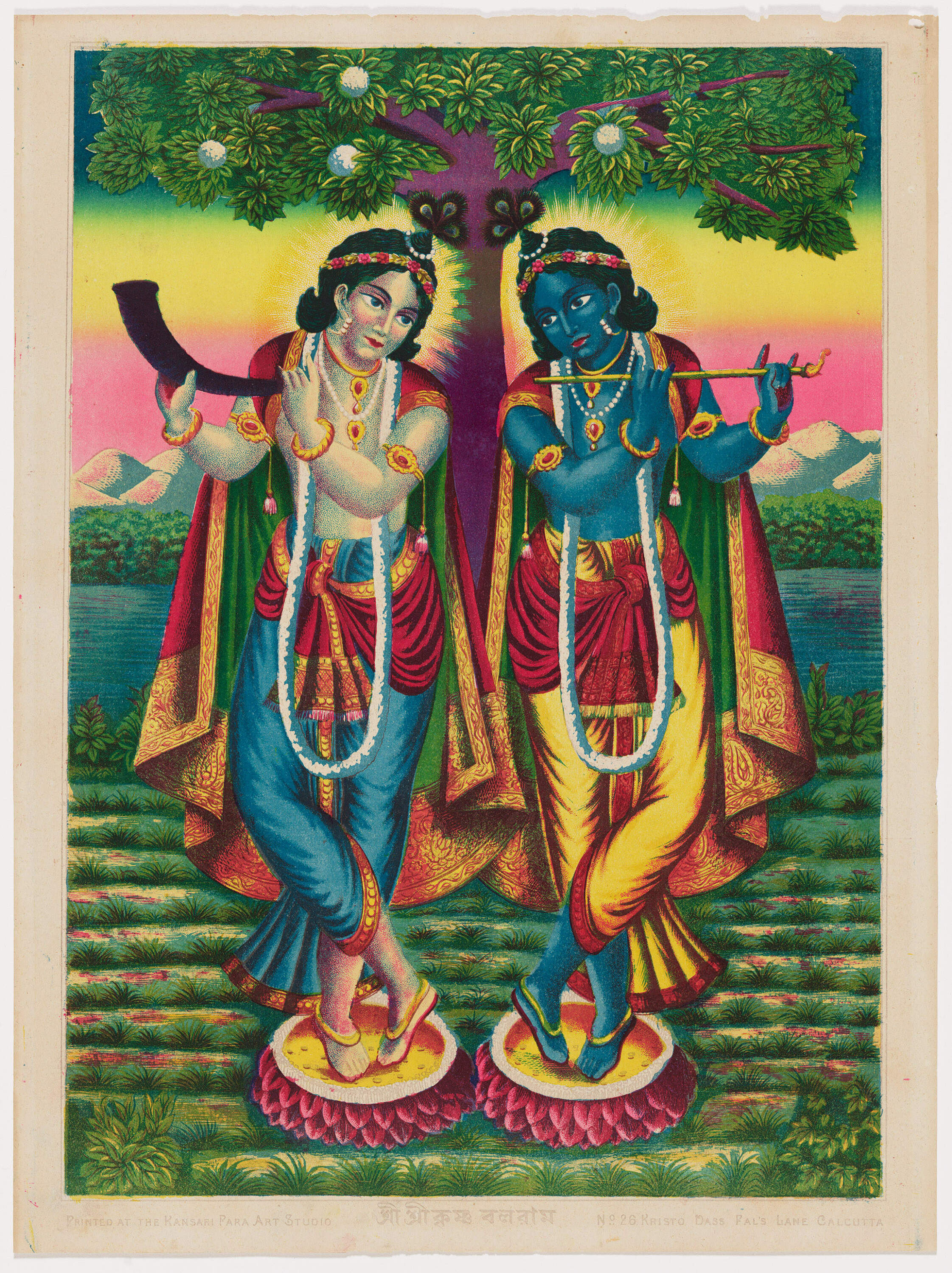
“Divine Color” at the Museum of Fine Arts, Boston focuses on vivid prints of divinities honored in daily life by Hindus in India and across the globe. The artworks have historically been disparaged due to their mass production and easy access. This exhibition will explore their importance and influence on Indian art, religion and society. In 19th-century Calcutta, Indian artists came across the new printmaking technology of lithography. They utilized the technology to make devotional art more realistic, vibrant and readily available to more people. This allowed people of different economic standing to hang copies in their own homes. While the prints were inexpensive, they were vital to home worship and aided in spreading new political ideas. “Divine Color” will examine how lithography allowed artists to alter devotional, artistic, political and social life.
'Photorealism in Focus'
Rose Art Museum
Feb. 11-May 31
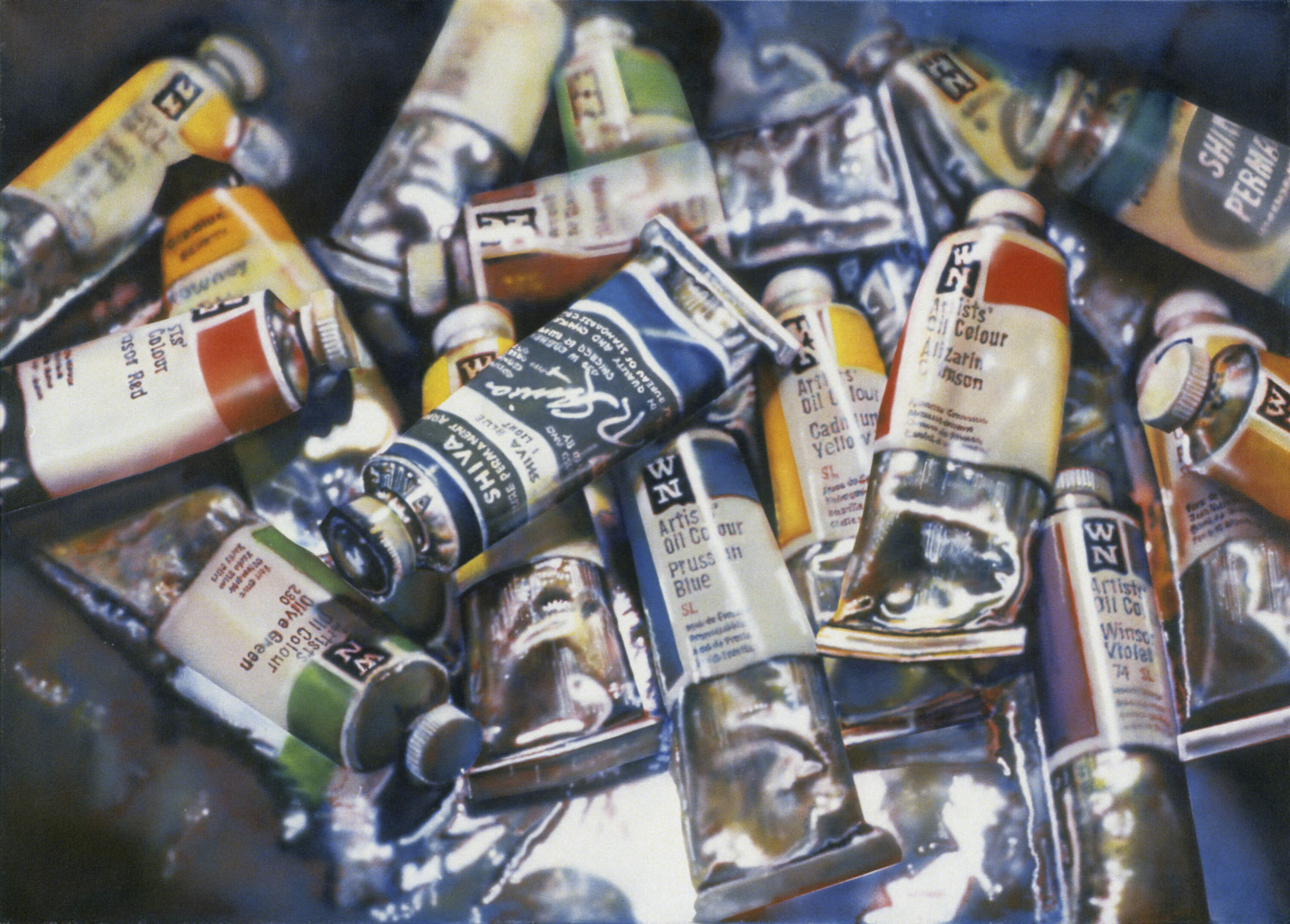
“Photorealism in Focus” at the Rose Art Museum will unite works by pioneering Photorealist artists with contemporary makers. Photorealism materialized in the late 1960s as an art movement defined by paintings, drawings and sculptures that carefully recreated photographs with exact detail. The exhibition will explore the ways photorealism continues to evolve through a variety of subjects, like a meticulous recreation of a pile of tubes of oil paint by Audrey Flack done in oil and acrylic.
'Say It Loud: AAMARP, 1977 to Now'
Institute of Contemporary Art/Boston
Feb. 12-Aug. 2
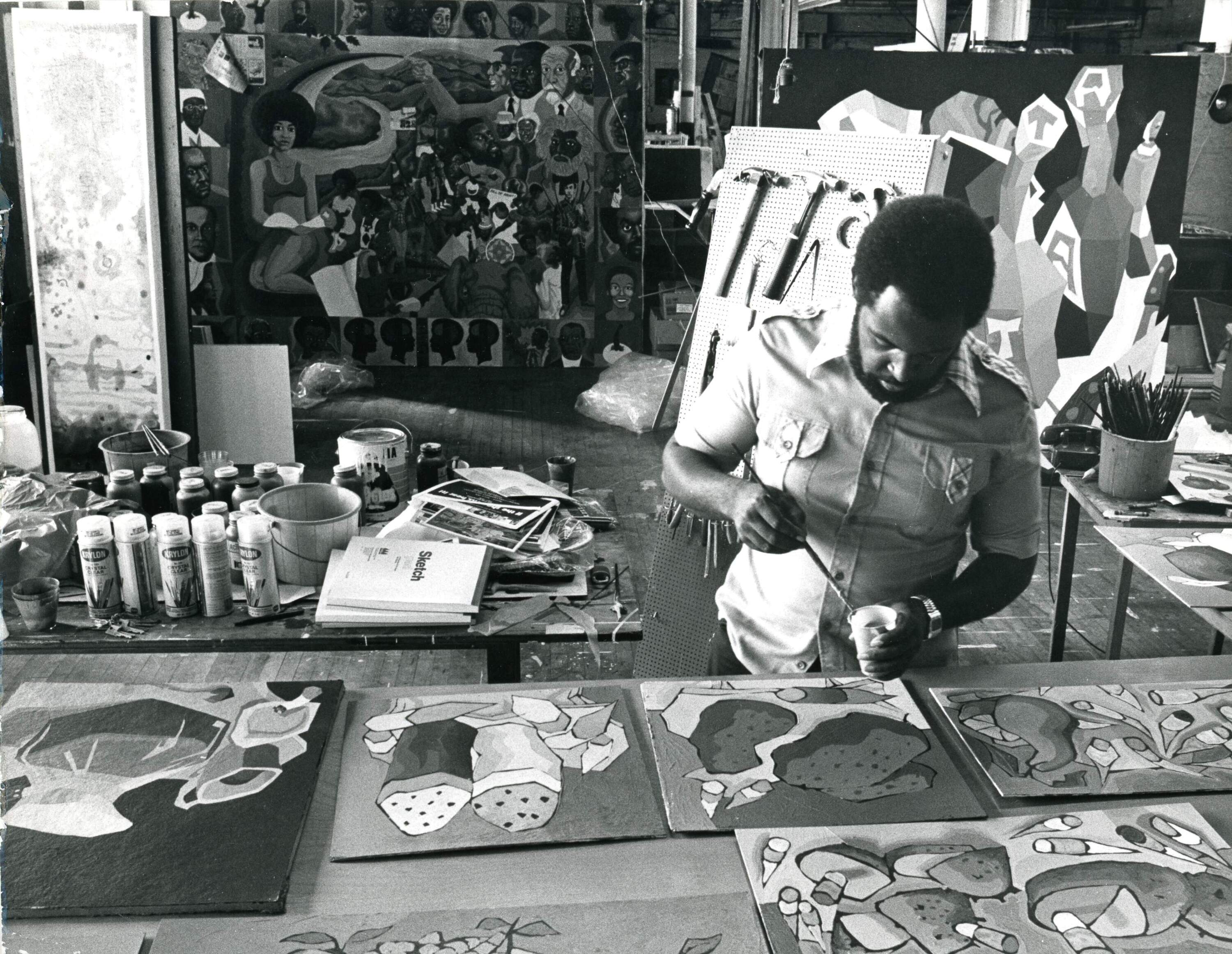
Artist, educator and activist Dana C. Chandler Jr. founded the African American Master Artists-in-Residence Program (AAMARP) at Northeastern University in 1977. It is one of few longstanding residency programs for Black artists in the country. AAMARP was derived from the Black Arts Movement in Boston to foster “the diverse dynamics of African American aesthetics.” The program is a space for exhibitions, poetry readings, dance performances, lectures, films, workshops and public gatherings. AAMARP currently hosts 13 artists with works across a variety of media exploring Africa and its diaspora. “Say It Loud” will feature works by AAMARP-affiliated artists from 1977 to present day, uncovering “a living archive of creative resistance, cultural memory and Black artistic excellence.” The works of 39 artists will be highlighted in the exhibition, including Barbara Ward Armstrong, who created life-sized African-inspired multi-textured fabric sculptures, Roxbury artist John Wilson, who is known for his “Eternal Presence” bronze maquette outside of the National Center for Afro-American Artists in Boston, and Boston artist Allan Rohan Crite, who captured and celebrated the city’s Black communities.
'Edmonia Lewis: Said in Stone'
Peabody Essex Museum
Feb. 14-June 7
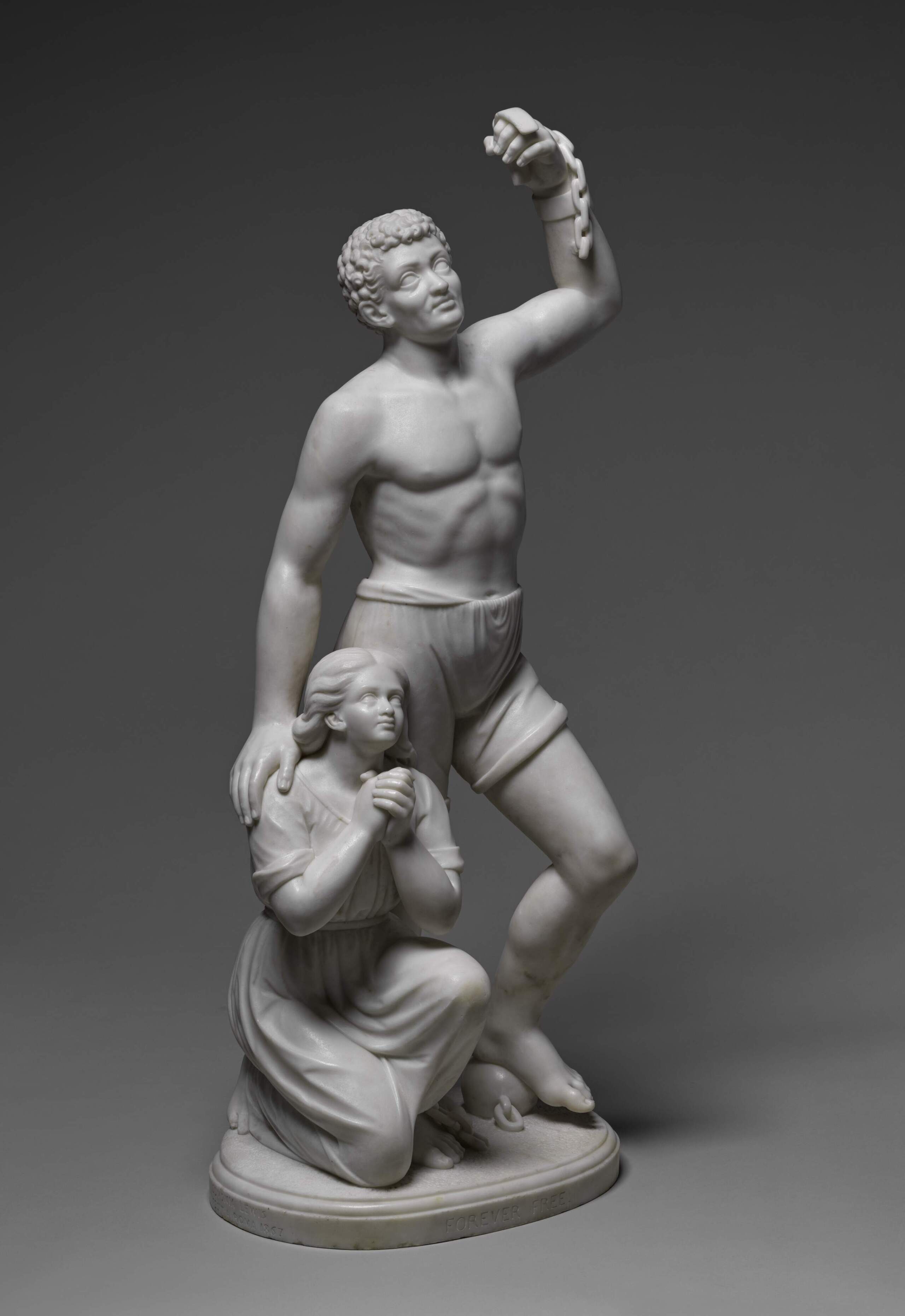
This exhibition makes history as the first major retrospective of Edmonia Lewis’ work. Lewis, who also went by her Native American name Wildfire, was a Black and Indigenous sculptor in the late 19th and early 20th centuries. She attended Oberlin College in Ohio but was forced to leave before graduating after a series of racist attacks. Lewis moved to Boston and sculpted small portrait medallions of abolitionists. She later immigrated to Rome, met other American women sculptors, and began working in marble. There, she created “Forever Free,” a sculpture celebrating emancipation in the U.S., and “The Death of Cleopatra,” a sculpture of the queen on her throne that honored female strength and the artist’s independence. Lewis was “the first sculptor of Afro-Caribbean and Anishinaabe descent to achieve widespread international acclaim,” according to the exhibition press release. Co-organized by the Peabody Essex Museum and the Georgia Museum of Art at the University of Georgia, “Edmonia Lewis: Said in Stone” will feature 30 sculptures by Lewis along with objects — including photographs, Indigenous belongings and literature — to further illuminate her life.
'Persona: Photography and the Re-Imagined Self'
Isabella Stewart Gardner Museum
Feb. 19-May 10
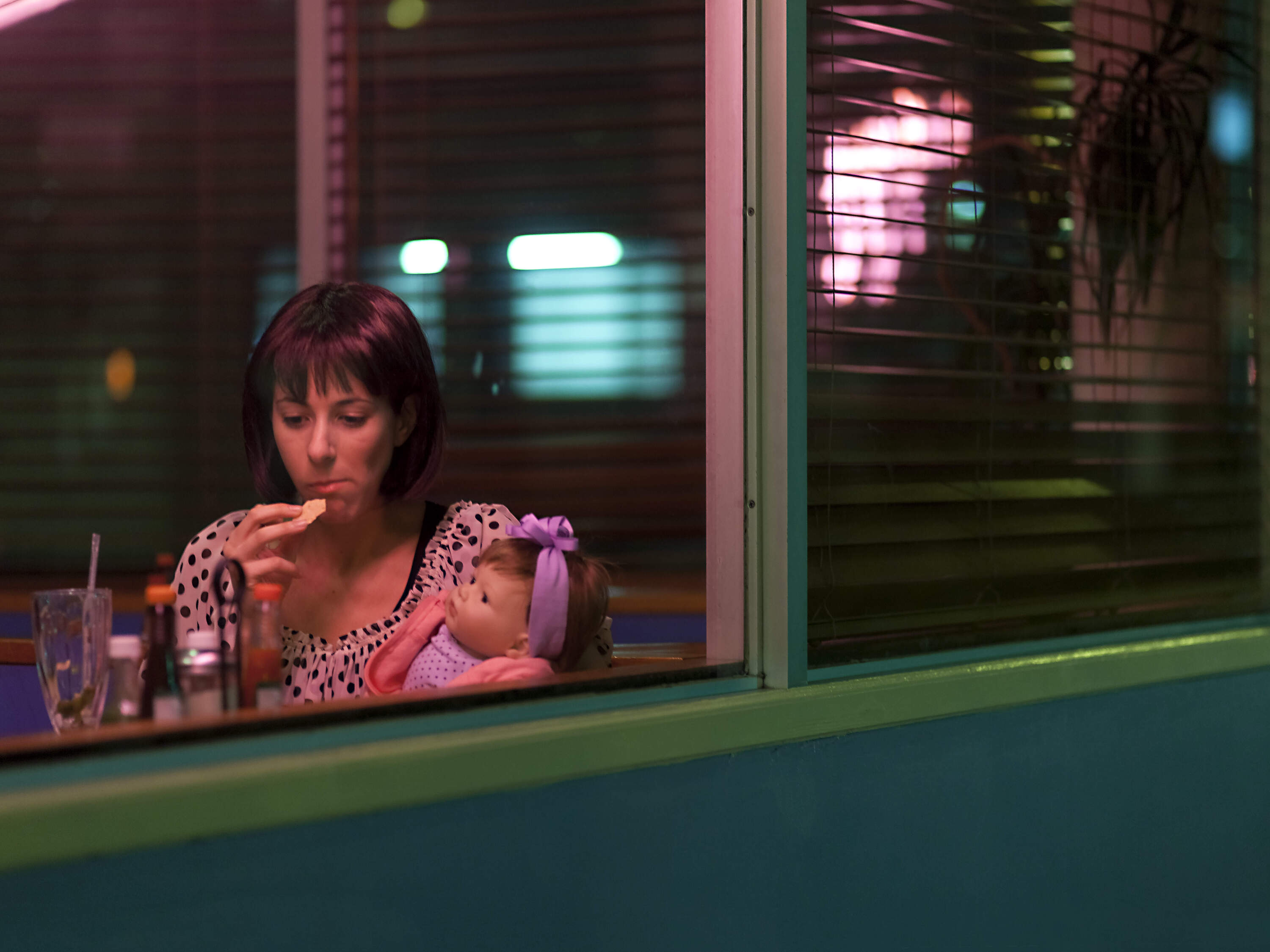
The Isabella Stewart Gardner Museum’s “Persona: Photography and the Re-Imagined Self” will explore the ways artists navigate and reconceive identity and self through photography. The exhibition will feature around 80 works examining gender, personal histories, icons and stereotyping from the 20th century to the present. Contemporary works will be compared with historical references. “Persona” will include works by photographer Cindy Sherman, who primarily developed self-portraits, depicting herself as different characters. The Gardner will also feature “Belle Haleine: Eau de Voilette” by Marcel Duchamp and Man Ray. Duchamp asked Man Ray to help photograph him as his female alter-ego Rose Sélavy to be featured on a perfume bottle. Artists Azra Aksamija and Wang Qingsong will illuminate the self in the context of the digital world. Viewers are invited to reexamine their own ideas of self and how society shapes identity.
“Picturing Isabella,” a complementary exhibition, will investigate Isabella Stewart Gardner’s intentional development of a public persona. Photography of notable people became an important part of American culture during her time. Gardner shied away from the camera as she grew in fame and influence. This exhibition showcases 30 photographs of Gardner as well as newspaper clippings to reveal her complicated relationship with the spotlight.
'Celtic Art Across the Ages'
Harvard Art Museums
March 6-Aug. 2
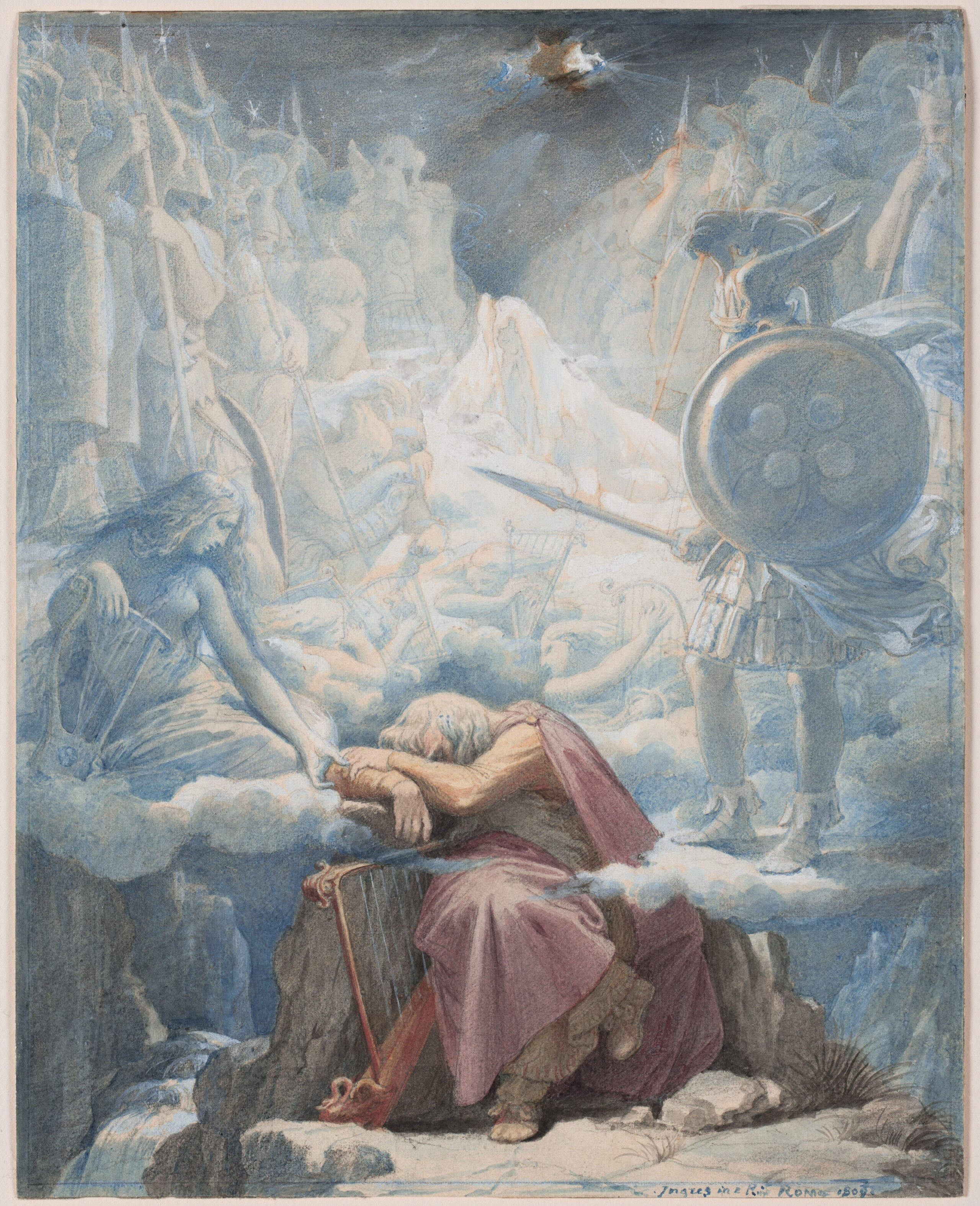
“Celtic Art Across the Ages” at Harvard Art Museums will examine the breadth of peoples called “Celts,” from artifacts they crafted to myths that make up their legacy. This is the first major exhibition on this topic to take place in the U.S. and spans 800 BCE to present day. The exhibition will focus on metalwork, including weaponry and jewelry, unearthed in the past 200 years by archeologists. The exhibition will also explore ancient textiles and manuscripts and objects made of metal, glass, terracotta and wood. The works will illuminate how Roman rule influenced Celtic imagery and the ways Celtic art and identity persist in the modern world.