Support WBUR
Proposed Boston school budget includes 'hard decisions and reductions,' superintendent says
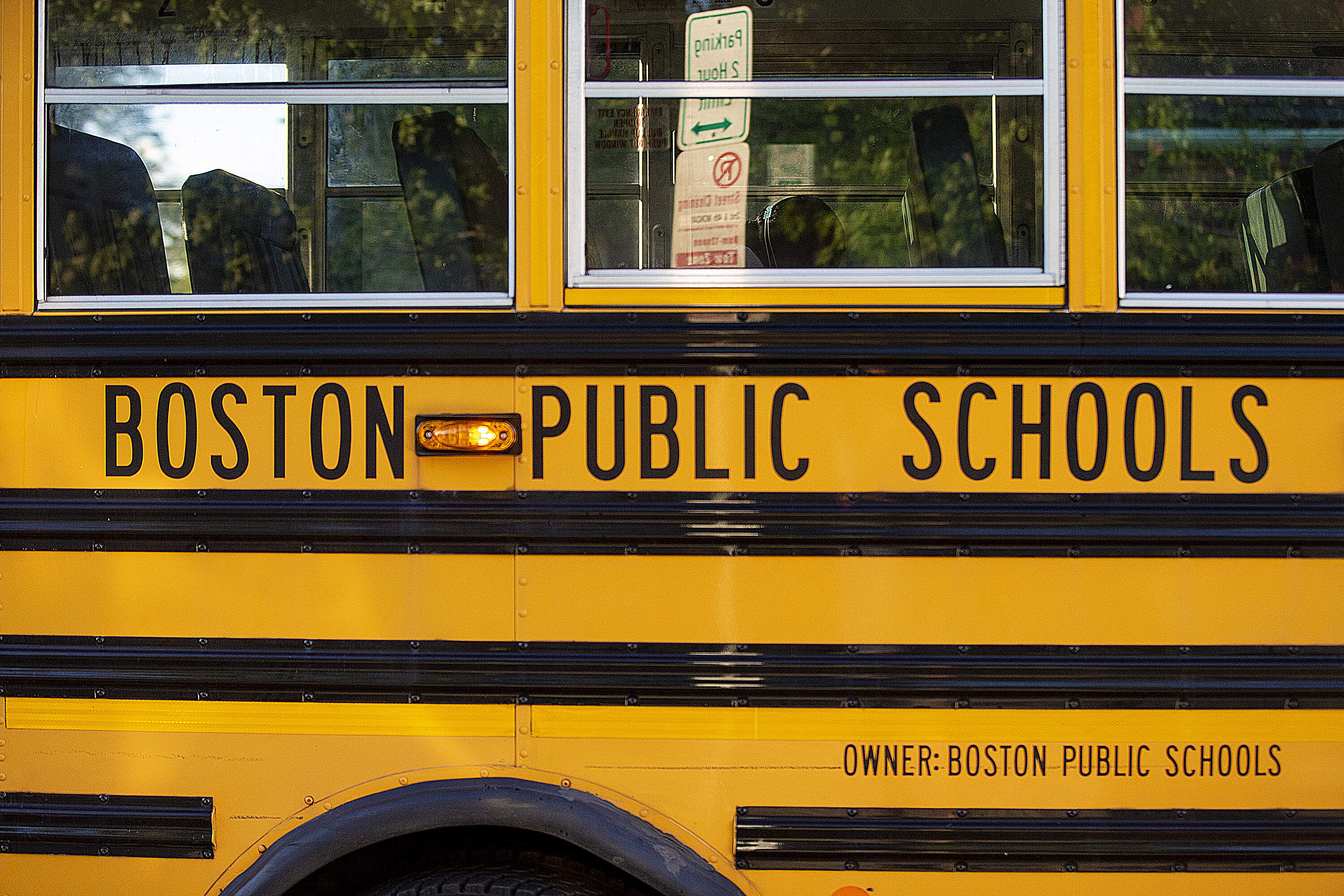
Boston Public Schools officials Wednesday evening presented a grim budget picture for next school year, forecasting the need to cut anywhere from 300 to 400 staff positions due to rising costs, inflation and declining enrollment.
“The reality is that our costs are increasing at a faster rate than our revenues,” Superintendent Mary Skipper told school committee members during the first of five planned budget meetings before a final vote on March 25.
The total proposed $1.7 billion budget reflects a 4.5% increase from the current fiscal year. At the same time, the district is faced with a $53 million shortfall in the current budget, which prompted an administrative hiring freeze in November.
Though recent budget cycles, especially in the post-pandemic years, have presented a challenging fiscal picture for the urban school district, this year’s forecast is particularly bleak.
The 46,500-student district, which has grappled with a longer-term enrollment slide over the past decade, projects 3,000 fewer enrollees over the next two years, Skipper said Wednesday. This year, the district said it lost 1,670 students compared to the previous year. Enrollment decline is driving down revenue, while fixed costs like “historically high health care premiums,” out-of-district special education spending and yellow bus transportation are squeezing the district, Skipper said.
“We’re facing challenging times and this budget represents those times. We'll need to make hard decisions and reductions in spending that does not directly support students,” she said Wednesday.
It's not yet clear which positions could be on the chopping block. District officials will discuss more granular implications over the next several weeks, starting with school-specific budgets next Thursday. The following week, the board will review "central" office budgets, which oversee larger umbrella areas like services for students with disabilities and health insurance.
The budget includes $853 million for individual schools and staff funding. That's a 1% decrease from last year, but operating costs continue to increase. The net result will create a “felt impact” of about $48 million next school year, Skipper said.
Half that amount, or $23 million, will be absorbed by school closures planned for summer 2027 and grade reconfigurations in such neighborhoods as Dorchester and Hyde Park.
But the other half will need to come from “closing classrooms and programs that are not needed due to enrollment decline and our move away from soft landing funding that were providing post-pandemic,” Skipper said.
About 218 of the projected 426 staff cuts should come from school closures and grade reconfigurations. Boston currently runs 109 schools, but the district said it plans to cut that to 95 facilities by the year 2030, as the birth rate continues to drop and families flock elsewhere.
“I want to be as clear as possible that when we experience enrollment declines and there are fewer students to educate, we also need to make reductions in teachers and staff positions because the students aren’t there,” the superintendent said.
David Bloom, the district's chief financial officer, said school budgets will decrease by $9 million and central office budgets by about $5 million. He also announced a new funding formula for schools he assured would be more “flexible” for schools that would allow them to “access new flexible resources for school year ’27.”
“I have to say that until tonight, I thought that my household budget was complex,” said school committee member Franklin Peralta, one of two new committee members appointed in January, after Bloom's presentation.
Bloom entertained other questions from members about those rising costs, including why spending for bus transportation is so high. He said it’s due to “door-to-door transportation for students in district and one-to-one bus monitors that have fueled growth in recent years.” He also said additional bus routes this year to improve on-time bus performance drove up costs.
Member Rachel Skerritt asked what reductions are expected at the school-level versus central office level. Bloom referenced “larger declines in general education teachers and bilingual staff."
“A lot of this has to do with what we were discussing earlier about the reduction in sort of newcomers and immigrant youth in our high schools especially,” he said.
During earlier public testimony, Stephanie Golas, a librarian in the school system and a parent of two elementary school students, urged officials across all levels to exercise smart decisions.
“ This is the time for the district, city, and state to step up to invest in our students and to make sure that we don't add to the harm being inflicted at the federal level,” Golas said, who had earlier spoke about the "political climate and the cruel direct actions of the current administration."
“Families will leave Boston in even greater numbers when our schools lose teachers,” Golas said.
Correction: This article was updated to correct the timeframe for the drop in enrolled students. The district projects it will lose 3,000 enrollees over two years.