Support WBUR
Aggressive tactics by ICE are a central issue in Maine's U.S. Senate race

An aggressive operation by federal immigration agents in Maine has become a flashpoint in the race for U.S. Senate. The incumbent Republican, Susan Collins, is taking credit for getting the Trump administration to stop an ICE surge in the state, but two Democratic challengers are pushing back.
Collins, who's seeking a sixth term in the U.S. Senate at age 73, launched her re-election effort this week with just eight words in a YouTube video, which showed her unwrapping a box of New Balance running shoes.
"This is perfect for 2026 because I'm running," she said.

Collins is the only Republican from New England in Congress, running in a state that backed Kamala Harris for president. She's facing a big challenge as public sentiment in Maine and across the country has turned against ICE's aggressive approach.
Last month, federal agents claimed they arrested more than 200 people in Maine. Among those detained during a crackdown, dubbed "Operation Catch of the Day," were legal residents and asylum seekers, according to immigration attorneys and employers.
In response, Collins has attempted a difficult balancing act: on the one hand, she said ICE is justified in targeting undocumented people in the country who've committed crimes. On the other, she said ICE went too far in sweeping up mothers, fathers, and people living and working in Maine legally.
She said that after she spoke with Homeland Security Secretary Kristi Noem, ICE ended the enhanced operation in Maine.
"What I did is get to work on causing it to end," she told News Center Maine earlier this month.
But Collins' Democratic opponents aren't buying it; they're betting anger over ICE's hard-line enforcement measures can deliver Democrats a key election victory next year.
"The reason that ICE ended the surge was not because of Susan Collins having a conversation with Kristi Noem," said Graham Platner, the Down East oyster farmer and Democratic Senate candidate. In an interview with WBUR, he called Collins' claim "laughable."
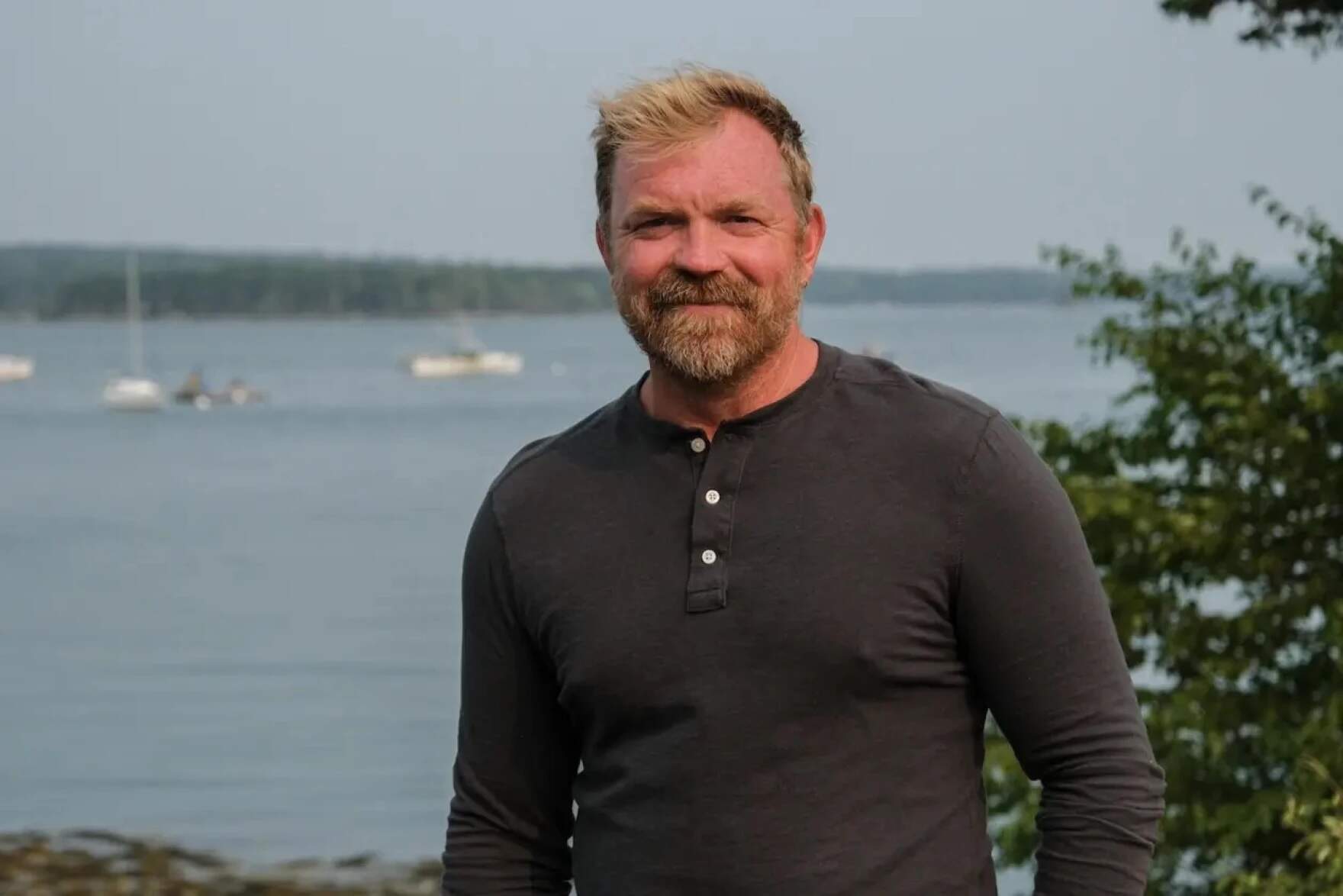
Platner said Collins accepted a "pinky promise" from Noem and then voted to advance a $64 billion bill to fund the Department of Homeland Security. The real reason ICE scaled back its operation in Maine, according to Platner, was due to the outcry over the killing of Renee Macklin Goode and Alex Pretti by federal agents in Minneapolis—and the resistance across Maine.
Platner has led demonstrations outside Collins' offices and accused her of failing to condemn the Trump administration for using ICE to terrorize communities. He said he's most concerned with how the administration has deployed ICE as a "paramilitary wing for its own political gain."
"That's a terrifying prprospect—especially with the upcoming election," Platner told WBUR.
Meanwhile, Gov. Janet Mills, who's running in the Democratic primary, is also pushing hard on the issue, casting herself as a defender of civil rights and demanding a full accounting of all those detained.
Speaking recently to reporters in Portland, Mills suggested that Collins' phone call to Noem didn't go far enough.
"She voted for Kristi Noem," Mills said, adding that the secretary of Homeland Security "needs to go."
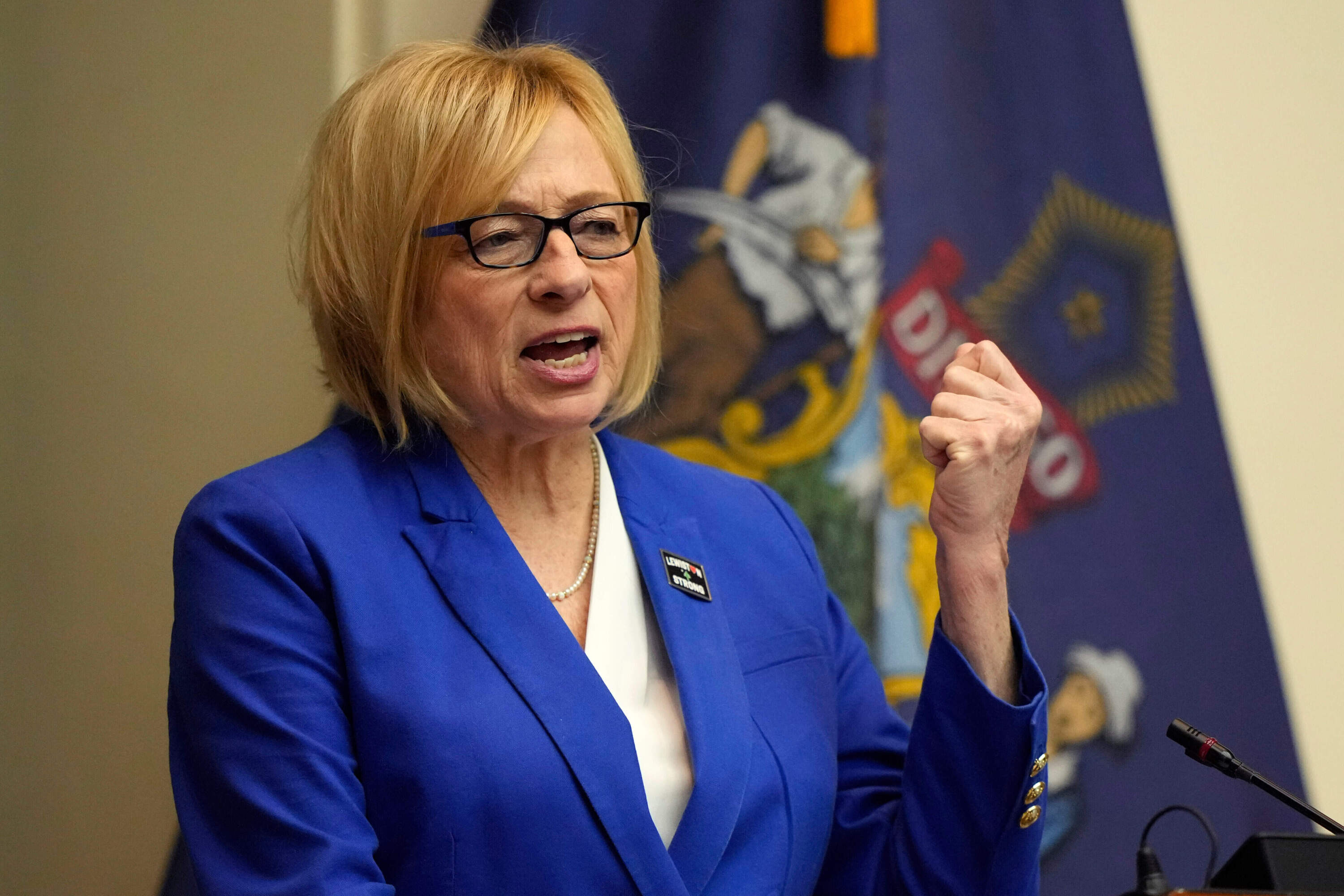
Mills, who has previously threatened to take President Trump to court over transgender rights, is using this moment to show that she's willing to stand up to the president while tying Collins to an unpopular administration. A recent campaign ad for Mills is all about ICE, showing federal agents making arrests as they throw people to the ground.
"A federal government that has imposed masked law enforcement on the streets, including here in Maine, stoking fear in our communities and killing American citizens in Minnesota," Mills says in the ad, calling ICE's actions "ridiculous and outrageous and unconstitutional."
Despite reports that the surge has ended, it’s still not clear to what degree Noem has reined in operations in the state. Just this week, U.S. Border Patrol agents raided a bus and arrested at least 17 farmworkers in Skowhegan. For now, at least, the issue has not gone away.
Mark Brewer, chair of the political science department at the University of Maine, said Mills and Platner have successfully dialed into public anger over ICE's heavy-handed tactics. But he said Collins also has used the situation to her advantage, pursuing a middle road that showcases her experience and influence in Washington.
"The way she's played it fits with the way she's presented herself, really, over her now 30-plus years in the U.S. Senate," Brewer said.
Collins has long called herself a moderate, even as Democrats criticize her for enabling the Trump administration. They point, for example, to her vote to confirm Justice Brett Kavanaugh to the U.S. Supreme Court, which led to the unraveling of Roe v. Wade. Even so, Brewer said, Collins' approach with ICE will resonate with conservatives, while the Democrats’ story will appeal to the state's more liberal voters.
"The question is what happens to the people in the middle? Which one are they going to buy?" he said.
For three decades, Collins has counted on Maine’s independent voters to send her to Washington, even as the state has trended more and more Democratic. This year, in a race that could determine control of the U.S. Senate, Democrats believe Trump’s war on immigrants can give them a key advantage.
This segment aired on February 12, 2026.