Support WBUR
Mass. residents among many stranded in the Middle East amid U.S. war with Iran
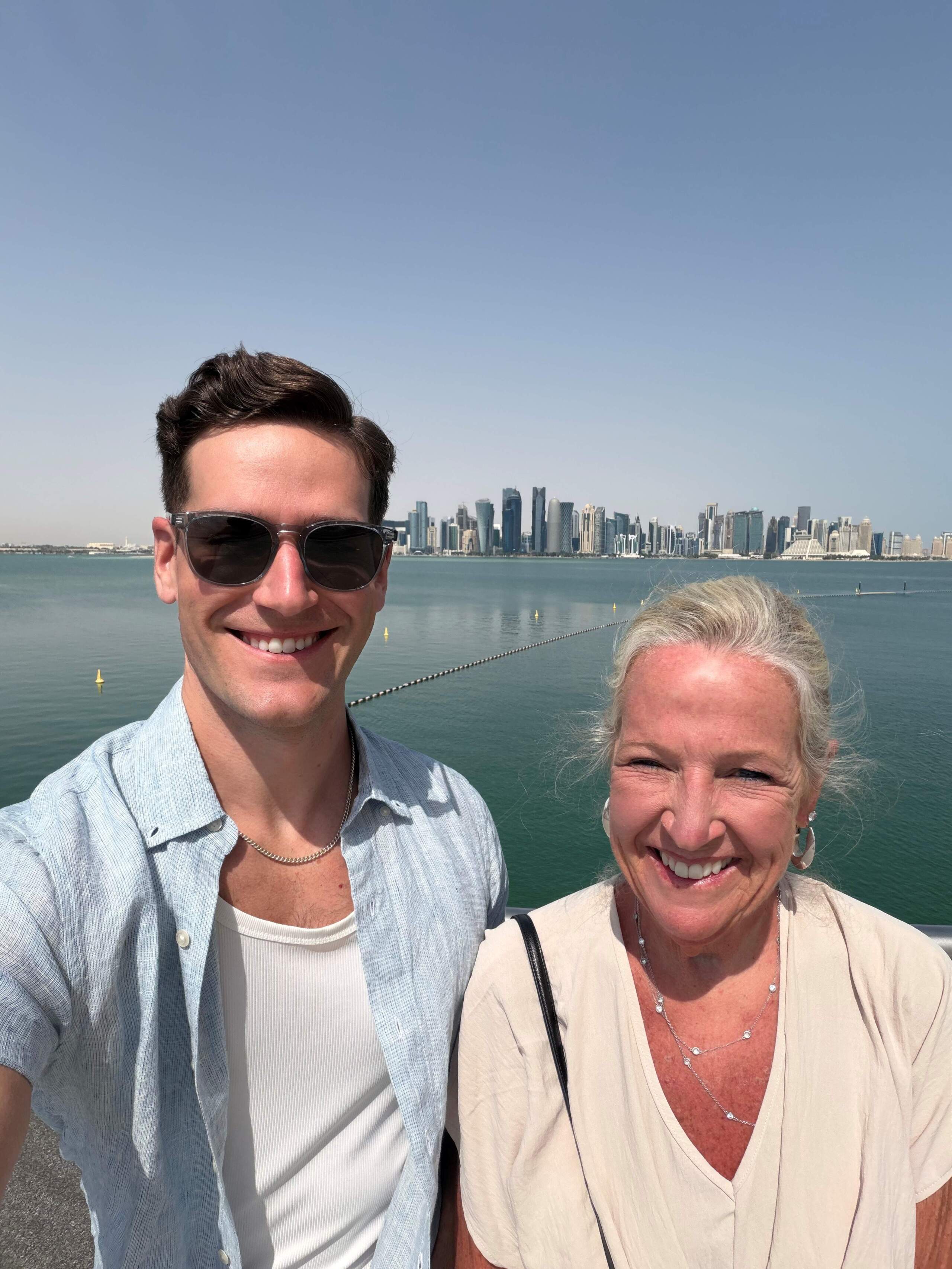
Stacey Schuhwerk of Hingham had just enjoyed a vacation in the Seychelles with her son when their trip home was interrupted by the U.S. and Israeli attack on Iran.
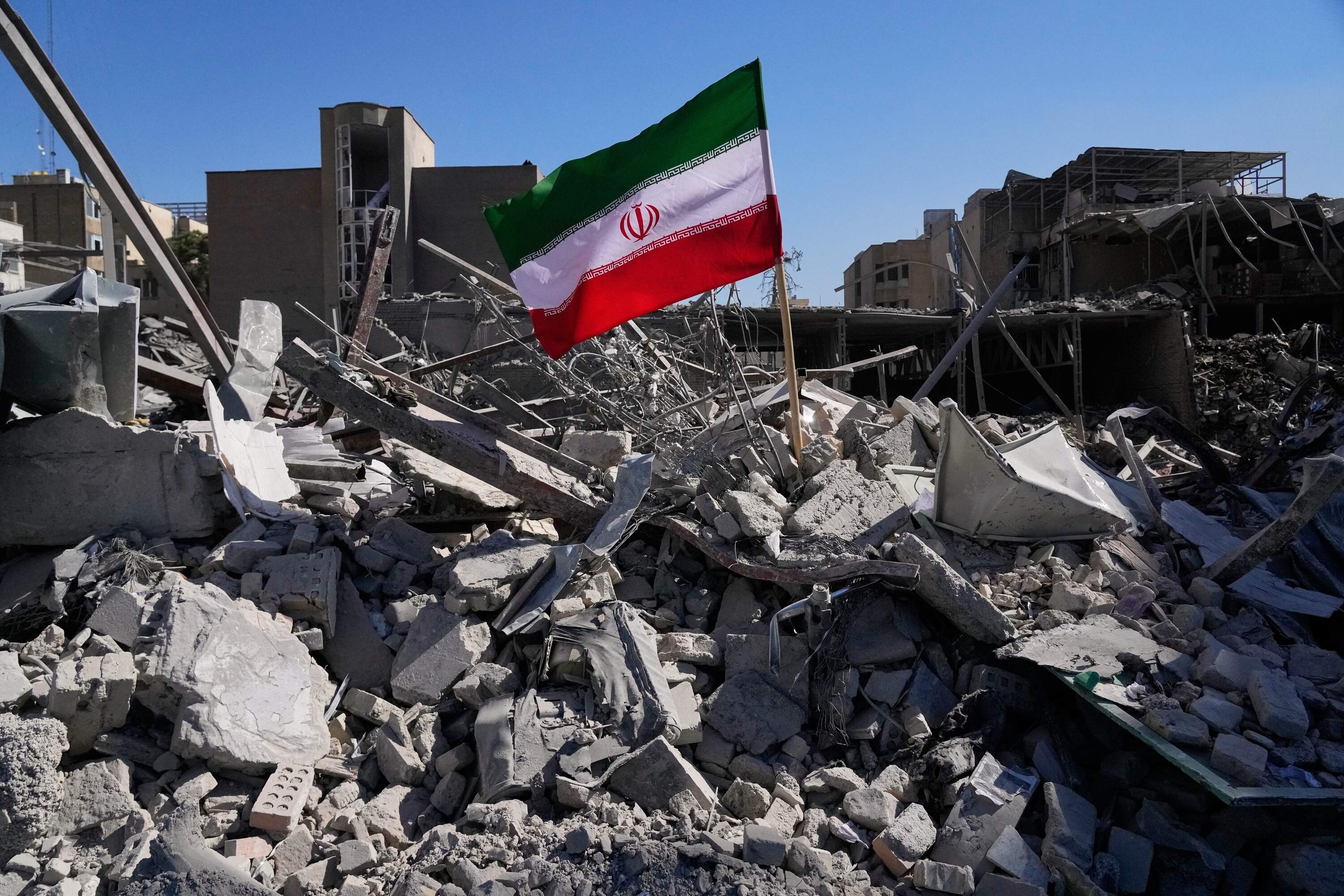
Last weekend, they were headed back home through Doha, Qatar, but that's as far as they got. After the U.S. and Israel began their strikes, Iran's retaliation included missile attacks on Doha.
"There were lots of missiles — we could see them, we could hear them — they're right here," Schuhwerk, 59, said by telephone from her hotel in Doha, where she's been stranded since Saturday when the first air raid sirens began to scream.
As the missiles exploded, Doha's airport shut down and air traffic stopped. The roads closed, and the Qatari government urged people to shelter in place. Ever since, Schuhwerk and her 30-year-old son, Tyler Paretchan, have been "desperately trying to figure out a way home."
They're among thousands of Americans struggling to get out of the region. The Trump administration did not alert people to leave ahead of its attack on Iran and now says it's trying to help Americans stranded in the Middle East amid the widening conflict.
A recorded message from Secretary of State Marco Rubio on the State Department's web site says the government is doing what it can to help keep Americans "safe."
The State Department said it's been in touch with some 3,000 Americans in the region and that almost 1,600 have requested help. It also said it's organizing charter flights from Saudi Arabia, Jordan and the United Arab Emirates to get many of them home. But so far there's been no help for those stranded in other countries, including Qatar.
When Schuhwerk called the State Department, she was urged to register online for updates. She said officials were polite, but they offered no assistance to get Schuhwerk and her son home.
"The answer was a resounding, 'We don't have any help available for you,' " Schuhwerk said. The government told her they had to find their own way to the U.S.
But with commercial air traffic grounded in the region, there is no way home, at least for now. And when Schuhwerk called the State Department back a day later, nobody answered. She reached out to Senators Elizabeth Warren and Ed Markey, who say they've been fielding scores of calls from Massachusetts residents stranded abroad.
Speaking with WBUR, Markey said he's trying to pressure the Trump administration to come up with a plan to get people like Schuhwerk safely home. After attending a classified briefing on Tuesday, Markey said it was clear Trump had "absolutely no plan for this war or its end game."
And, he said, "they clearly have no evacuation plan for the scared Americans who are now struggling to leave the region,."
Earlier this week, when a reporter asked President Trump why there were no evacuation plans, Trump suggested it was because he launched the war sooner than expected.
"It happened all very quickly," Trump said, claiming that the decision to strike Iran was made in a hurry because he believed Iran was going to attack first. According to the Pentagon, there was no evidence that Iran was about to attack.
In Doha on Wednesday, Schuhwerk and Paretchan continued to worry and wait.
"To be blunt, the administration doesn't have a plan for us," said Schuhwerk, who has mixed feelings about the war. On the one hand, she said, the Iranian regime was a threat that needed to be confronted; on the other, she believes that poor planning is creating international chaos — not to mention stranding American travelers like her.
"The sad part," she said, is that people from other countries at their Doha hotel have returned home.
"Their governments got them out," she said, "and here we sit."
This segment aired on March 5, 2026.