Support WBUR
Ubers, club dues and restaurants: How Boston city councilors spend campaign donations
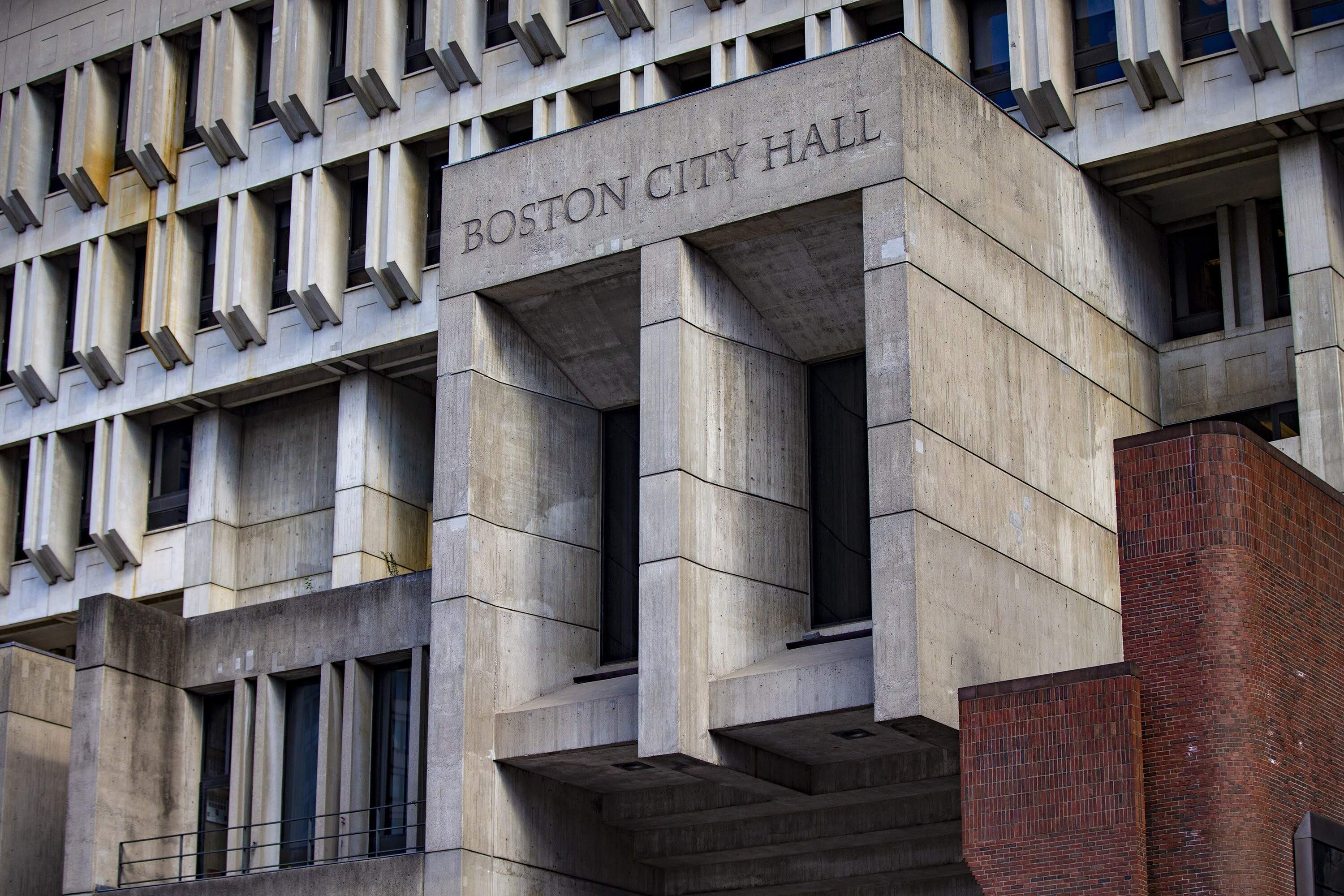
Boston City Councilor Brian Worrell belongs to two Boston social clubs — the invitation-only ‘Quin House in Back Bay and the UMass Club on Beacon Hill. He paid $1,900 in dues for them last year, and charged them to his campaign fund.
That’s allowed under state campaign rules. Parking tickets? Not so much. When Worrell paid for $1,380 in parking infractions out of campaign cash, the state’s campaign finance office ruled it a violation. Worrell paid the campaign back, records show.
“It was our understanding that campaign funds were permitted to cover transportation-related expenses,” a Worrell campaign spokesperson said in a statement. “Full compliance with all campaign finance regulations is something we take very seriously.”
Under state law, candidates can spend donated campaign money — which is separate from taxpayer dollars — to “enhance a candidate’s political future,” so long as purchases aren’t primarily for personal use. But there’s a lot of gray area. A WBUR analysis of the councilors’ public filings for the past year offers a window into how they spend their time and where they devote donors’ resources.
The total amount Boston’s city councilors spent to enhance their political futures last year: $1.6 million.
City councilors tend to spend most of their campaign funds on things donors would expect: consultants, advertising, phones and office costs, according to public records with the Massachusetts Office of Campaign and Political Finance. They also spend thousands of dollars getting around town, hobnobbing at dinners and on donations to local nonprofits that reflect their priorities and may burnish their reputations.
At-large Councilor Ruthzee Louijeune, the body's president last year, had the highest campaign spending overall, at $347,000.
She spent more than double that of the next highest spender, with the bulk of her cash going toward printing, consultants and food — expenses she attributes in part to it having been an election year. Out of the 13 councilors, she dropped the most cash at restaurants, cafes and grocery stores, totaling $32,000. A quarter of that went to Savvor, a Caribbean restaurant downtown, for holiday parties and fundraisers.
Louijeune also wrote checks for more than $19,000 to a variety of nonprofits, from the Caribbean American Carnival Association of Boston to the Louis D. Brown Peace Institute.
“We work really hard to raise money to pay staff, send mail, provide yard signs to residents, contribute to nonprofit organizations, show appreciation for supporters, and uplift community in election years and non-election years,” she said in an email response to WBUR. “Our expenses are compliant and well within the law.”
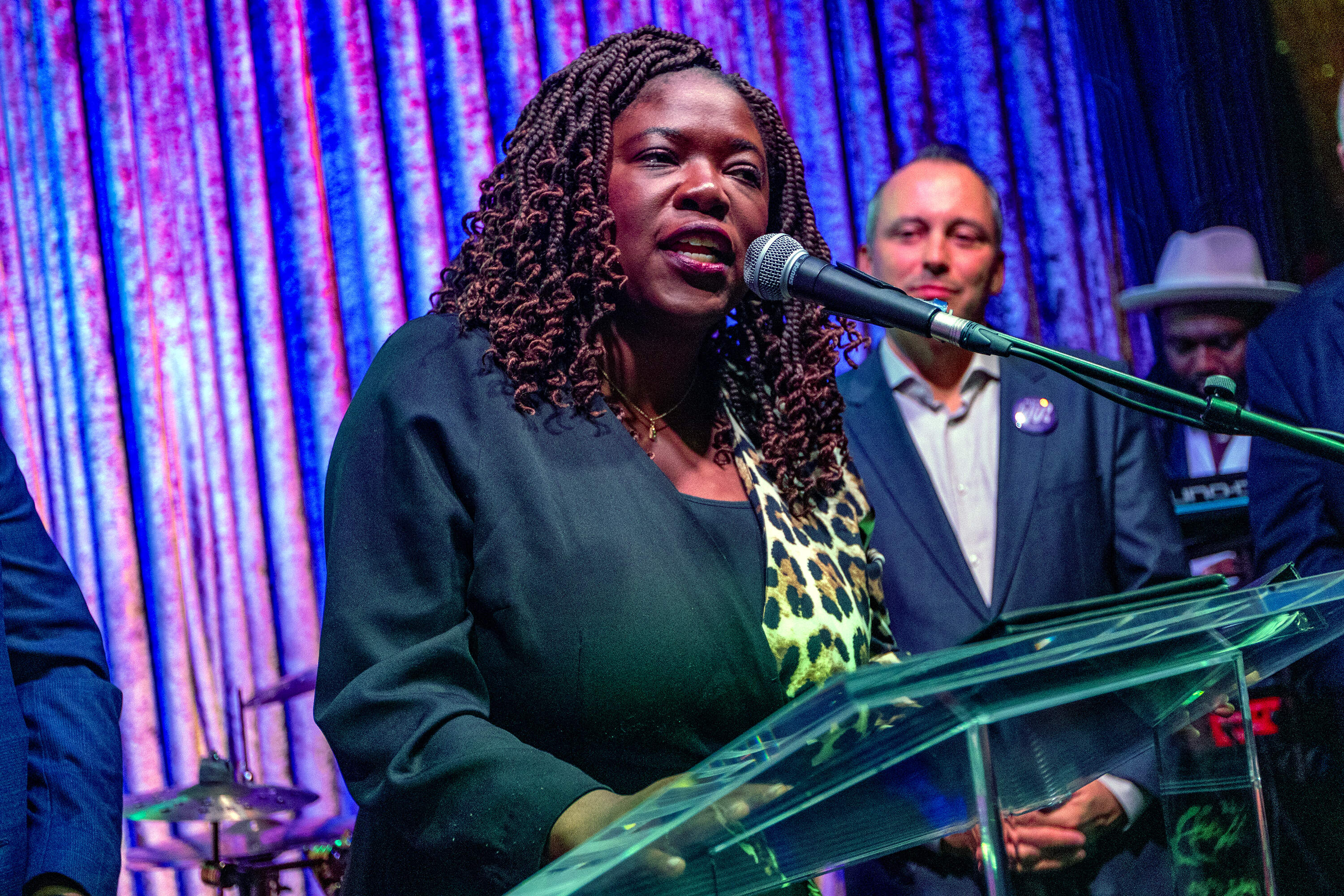
Councilor Ed Flynn, who represents South Boston, Chinatown and parts of the South End and downtown, also gave generously to nonprofits in the area — around $16,000. Top recipients were South Boston Allied War Veterans and South Boston Little League.
Another big donor to charities was Councilor John FitzGerald, whose district includes Dorchester and part of the South End. He spent $17,000 on donations and sponsorships, often giving to causes that promote youth sports.
“That's been around for a long time,” said Geoff Foster, executive director of the nonpartisan watchdog group Common Cause Massachusetts. “ What's really important to this discussion, though, is knowing where the in- or out-of-bounds line is when it comes to conflicts of interest.”
State officials may investigate this type of gift if a candidate appears to have a relationship with a person running a local group, or a clear opportunity for financial gain, Foster said.
OCPF relies on six staffers in the audit department to enforce the state’s campaign finance rules. They review some 50,000 campaign finance reports yearly, with the help of some automatic alerts. The public, too, can file complaints. Many politicians, including some city councilors, routinely face audits.
“If there are red flags that come up,” Foster said, “what is important is that we do have a system in place where complaints can be filed and ultimately OCPF can look into these questions.”
Flynn, in an interview, said, “ It's about respecting the rules. It's also about respecting your constituents, ensuring that someone that provides a check to a campaign doesn't receive any added influence. And that's what I've tried to do.”
He added, “I'm proud of the nonprofits that are in my district and I try to support them the best I can.”
Beyond donations, many councilors in the past year have spent funds on yard signs, storage units, news subscriptions, social media and email management, as well as on unspecified supplies from Target, Stop & Shop and Amazon.
Meals and catering are another big spending category. Councilors charge meals for themselves, staff and constituents to their campaigns. And don’t forget the caffeine fixes. Combined, councilors spent more than $3,700 at Dunkin’ locations around the city, more than nearly any other individual restaurant.
At times, councilors also paid hundreds of dollars for swanky restaurant meals, sometimes labeled as “political meetings.” Worrell and Louijeune have frequented Hue, a supper club and speakeasy; Fitzgerald spent $960 on a staff appreciation at the steakhouse Capri; and Durkan spent $2,500 on strategy dinners, intern lunches, and unspecified meals at Beacon Hill’s Tip Tap Room.
When it comes to things like club memberships, candidates are permitted to use campaign funds so long as they “wouldn't otherwise be a member of that club,” said Jason Tait, a spokesman for OCPF. He acknowledged that can be a murky area.
It’s not uncommon for politicians to spend on clubs. Some high-profile state elected officials also belong to the ‘Quin House and pay for membership with campaign contributions, including Lt. Gov. Kim Driscoll and the House Committee on Ways and Means chair, Rep. Aaron Michlewitz.
Boston Mayor Michelle Wu, who’s been criticized for ignoring Boston’s high-end business leaders, does not have a membership to the club, according to city officials. They did not answer questions about whether she previously belonged.
Getting around town
Transportation is one of the expenses that shows up most. Records show councilors spend a lot of money getting around town — and dealing with some of the same transit struggles constituents face.
For instance, Councilor Sharon Durkan relied on Ubers on 19 occasions when she said the MBTA’s Green Line was down. (She also twice paid for a Bluebike.) Overall in the past year, she has hailed 391 Uber rides, and charged more than $5,800 to her campaign. She also spent $96 on a Zipcar annual plan, racking up more than $6,900 of expenses related to transportation. That compares to $4,300 for Louijeune.
Durkan said she doesn’t own a car. To navigate her district, which includes Back Bay, Beacon Hill, Fenway, Kenmore, Mission Hill and the West End, “Rideshare is a practical way to remain punctual and present, which is what my constituents expect,” she told WBUR in an email.
At-large Councilor Henry Santana used Uber and Lyft — and spent $300 on hailed rides for “mentees.” He did not respond to a request for comment.
As for Worrell’s parking tickets, he didn’t want to talk about how he racked up nearly $1,400 in expenses. But his spokesperson said they thought costs “connected to the official duties of a city councilor” were legit campaign expenses, “much like others do for Uber and car insurance.”
At-large Councilor Erin Murphy was the only member to file for mileage from her campaign fund: She has been reimbursed $3,100 for miles she put on her car over the last year, out of total campaign spending of $123,000
“I reimburse at the IRS rate” of 70 cents per mile in 2025, she explained. “I have occasionally used rideshare services when needed, but I typically drive myself and track campaign-related mileage.”
Parties and gifts
There were also expenses related to events, including thousands of dollars on holiday parties and niche services. Louijeune charged the campaign for “event costume cleaning” in November, a bargain at $12. And three times over the last year, at-large Councilor Julia Mejia used campaign cash to cover getting her makeup done, for a total of $380.
“Makeup services were used for specific political events and/or activities in my official capacity: a work-related photoshoot, a campaign kickoff event, and a community gala where I was a guest speaker,” Mejia wrote in an email. “Because the expenses were for specific appearances in my role as a political figure, the OCPF advisory permits them as enhancements for my political career.”
Mejia was the second-highest spender among the councilors last year and relied heavily on consultants — she spent nearly $63,000 on at least 11 different consultants. Only Murphy spent more in that category, close to $64,000. Both beat out Louijeune, who spent $50,000 on consultants.
Some councilors spent on gifts and gift cards to supporters, which is allowed under state law, so long as they are “of reasonable value.” If it’s a gift to a worker or volunteer, the gift has to be proportional to the time, work and effort contributed. And there can be no personal relationship between the candidate and the gift recipient.
Flynn said he bought Hot Wheels race cars for a young boy who stepped on a discarded needle in South Boston.
Louijeune’s campaign spent $265 on five gifts for supporters and constituents, but did not specify what they were or who they were for.
Councilor Liz Breadon, the new council president who represents Allston/Brighton, spent the least of all the councilors: $37,000. About a third of that was on sign printing. (That's a fraction of what others spent on printing; freshman Councilor Miniard Culpepper battled to win the only open seat in District 7, and spent $45,000 in that category, while Louijeune spent $136,000.)
Breadon’s purchases have been mostly modest. She didn’t spend like her colleagues on consultants, though she did pay nearly $10,000 for survey efforts, and $1,800 for a campaign kickoff party at Porter Belly’s Pub. She did not respond to requests for comment.
Meanwhile, the fundraising pitches keep coming.
The same day Louijeune answered WBUR’s questions about expenditures, her campaign sent out an email with an update: “Now is the time to ensure our voices remain loud and strong,” the email said. “If you are able, please help us continue our fight by making a contribution today.”