Support WBUR
Boston had Isabella Stewart Gardner, and Fitchburg had Eleanor Norcross
In the early 20th century, a female artist dreamed of creating a museum for her hometown in Massachusetts. Now the Fitchburg Art Museum is shining a light on its founder’s legacy for its 100th anniversary.
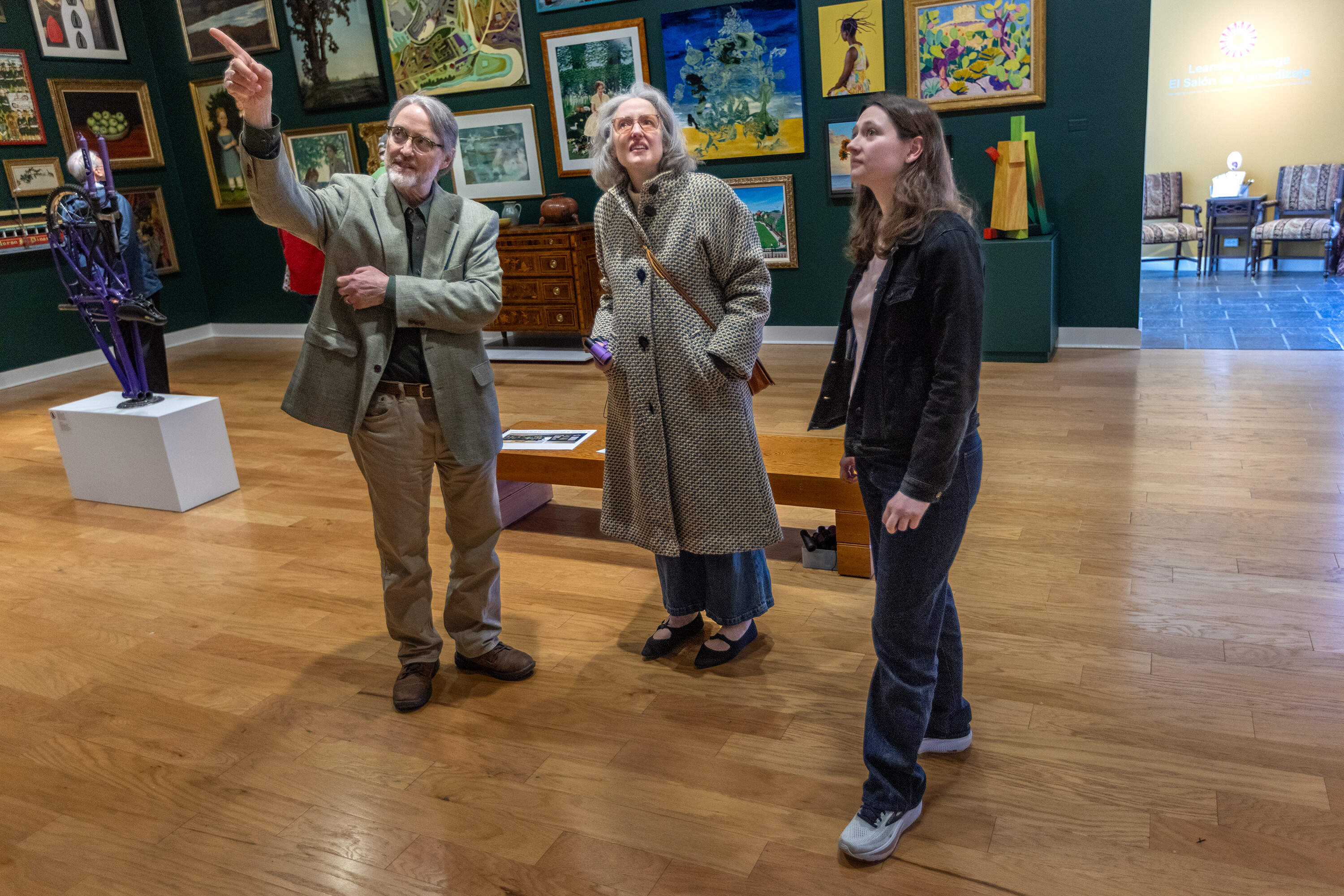
Director Nick Capasso headed upstairs to the museum's second floor galleries where the milestone show “Kaleidoscope: 100 Years of Collecting for our Community,” is underway.
“This is designed to celebrate our centennial by literally showing off as much artwork from the permanent collection as we possibly could,” he said.
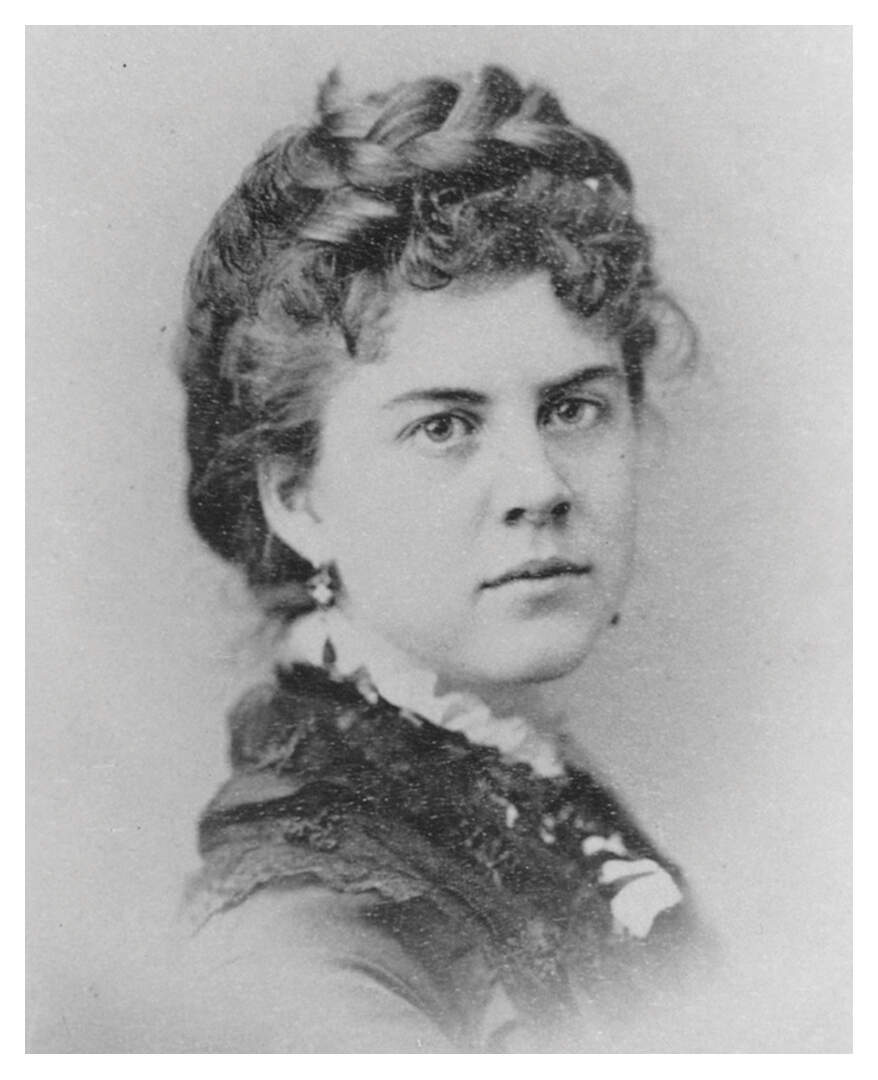
The collection’s seeds were sown by Victorian-era artist Eleanor Norcross. She was born to a well-to-do Fitchburg family in 1854, and her father was the city’s first elected mayor. Norcross’s mother and brother died of scarlet fever during the Civil War. Her father never remarried.
Norcross and her father were very close, Capasso said, and she supported him through his substantial political career. “After he retired, she got to do what she wanted to do, which was be an artist.”
She attended the school now known as the Massachusetts College of Art and Design, then went to the Arts Students League of New York. Her teacher there, William Merritt Chase, encouraged Norcross to move to France to paint.
“In Paris, she knew a lot of the impressionist artists and exhibited with them,” Capasso said. “She exhibited her work in all those salons and at the Louvre.”
Norcross painted rich interiors and portraits. She also has a passion for acquiring decorative objects — ornate plates, baskets, textiles — that fueled an altruistic mission to share the treasures she found.
“She would send home things that she collected in Paris, and her own paintings, to be exhibited here in Fitchburg for the benefit of the families of the mill workers,” Capasso said. “She also believed that thriving cities need to have thriving public institutions like art museums — and by God, her city needed an art museum."
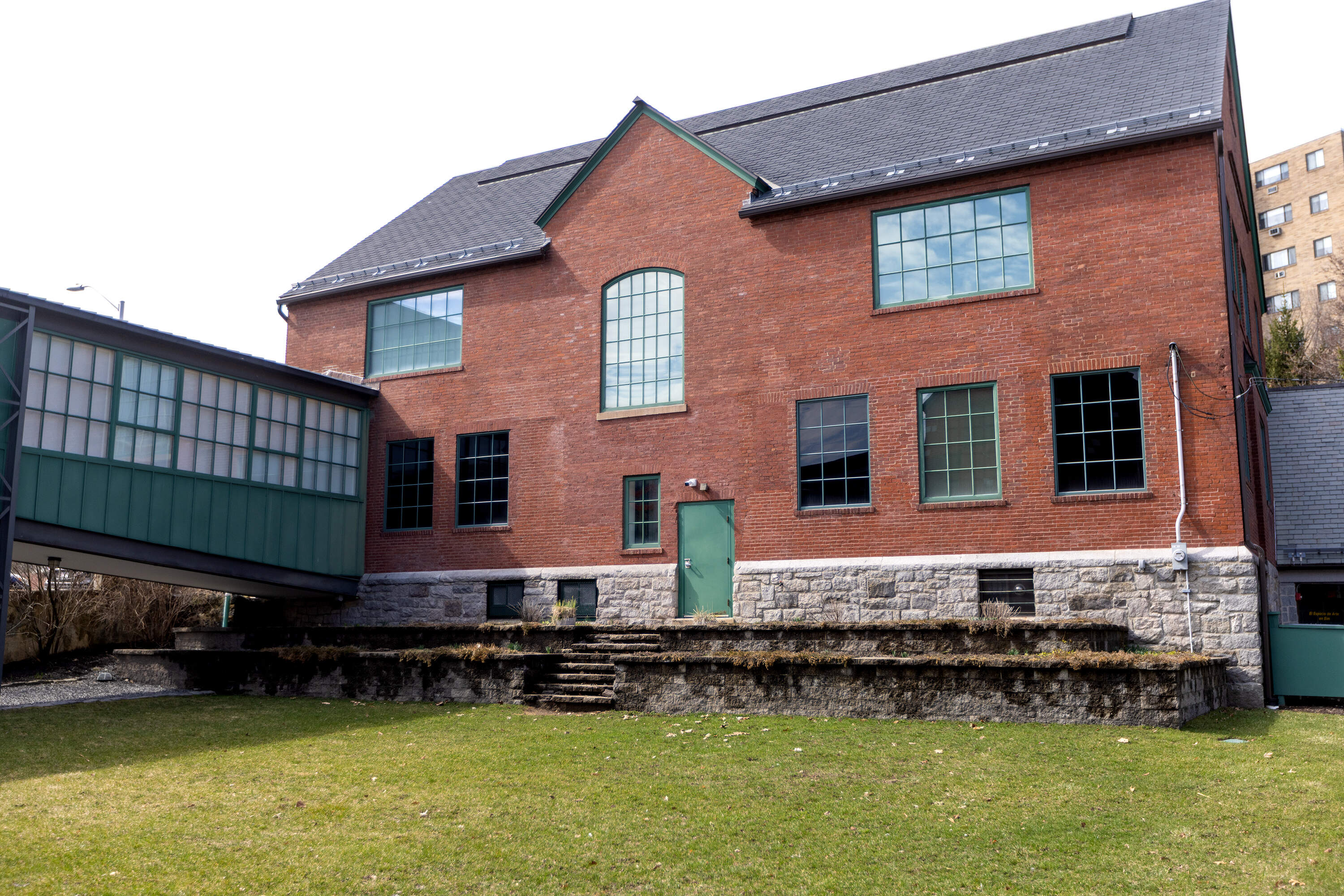
But Norcross died in 1923 before she could realize her dream. So her two best friends used money from her estate to buy an old barn. They transformed it into an art center, which opened its doors to the public on April 17, 1929. Since then, the museum's permanent collection has grown to some 8,000 objects.
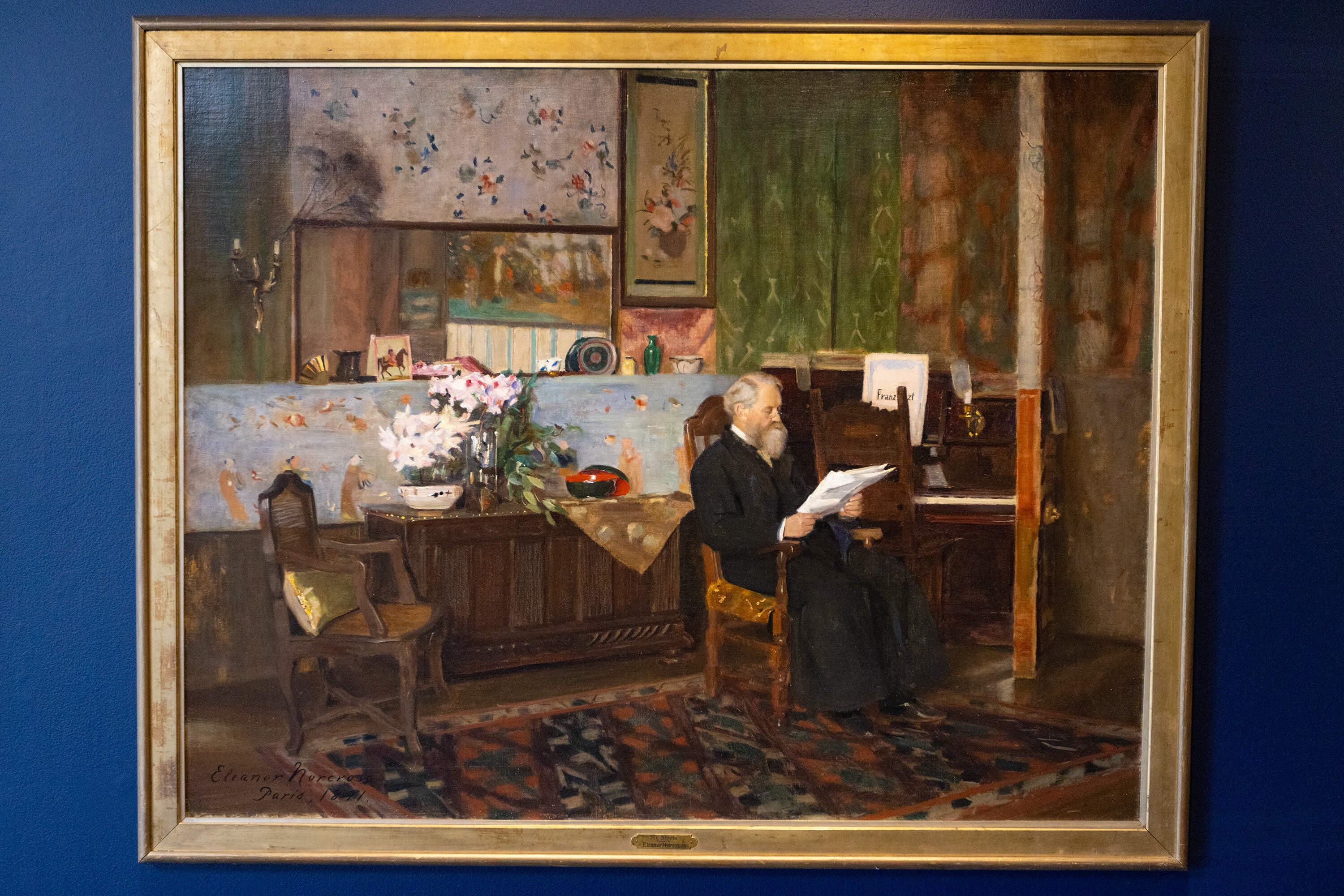
About 500 artworks fill the century-spanning show. A large painting on canvas by Norcross sets the scene outside the first gallery. “It was painted in her studio in Paris in 1891,” Capasso explained. “And it features an image of her father, Amasa Norcross."
When we stepped inside the gallery, the exhibit exploded into kaleidoscopic life. Norcross’s paintings are hung salon style, cheek by jowl, with dozens of the museum’s historic favorites and newer acquisitions.
Deputy director Emily Mazzola and assistant curator Sarah Harper had their work cut out for them when they organized the show. “The goal was to wow, and to inspire awe,” Harper said. “Because it is truly floor-to-ceiling covered with artwork in this room — primarily paintings and contemporary, color photography.”
There are no labels in the eye-popping display, in part because the curators want visitors to create their own meanings. Their arrangements aren’t themed or chronological. Instead, Harper said they connected the artworks through their common colors. The red in one portrait leads the viewer's eye to the red in its neighboring photograph or sculpture. Booklets in the gallery do feature diagrams identifying each work, its artist and when it joined the collection.
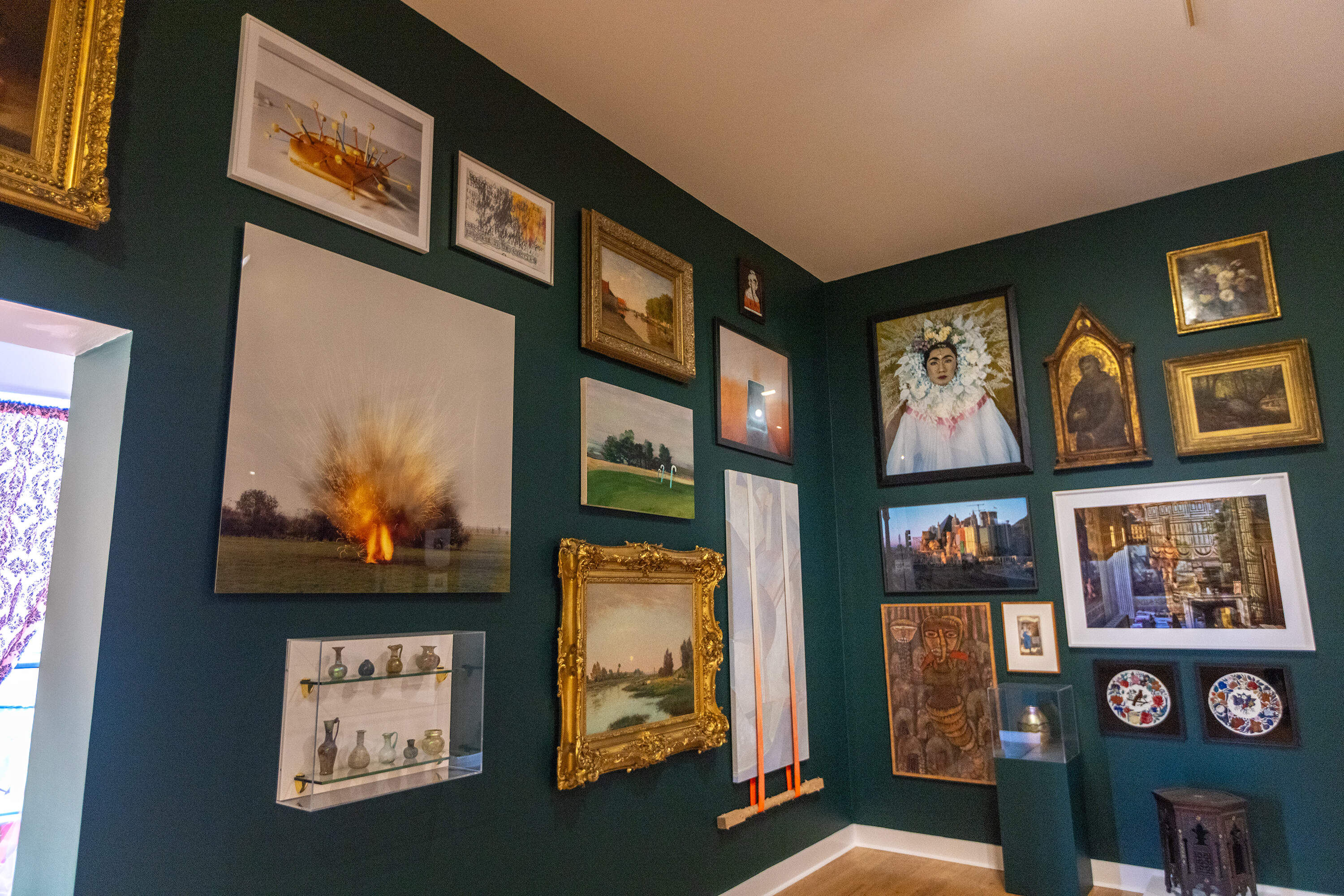
Harper said before she started working at the museum in 2024, she had never heard of Eleanor Norcross. “She really is a figure that really deserves more research and attention in the field.”
As she dove into the museum’s trove, Harper was blown away by a cascade of daily discoveries. “I’d say, 'oh, this is a Henry Matisse drawing,' or 'that's the Georgia O’Keeffe in a drawer.'” In the exhibit, the packed gallery walls are like a who’s who of famous artists.
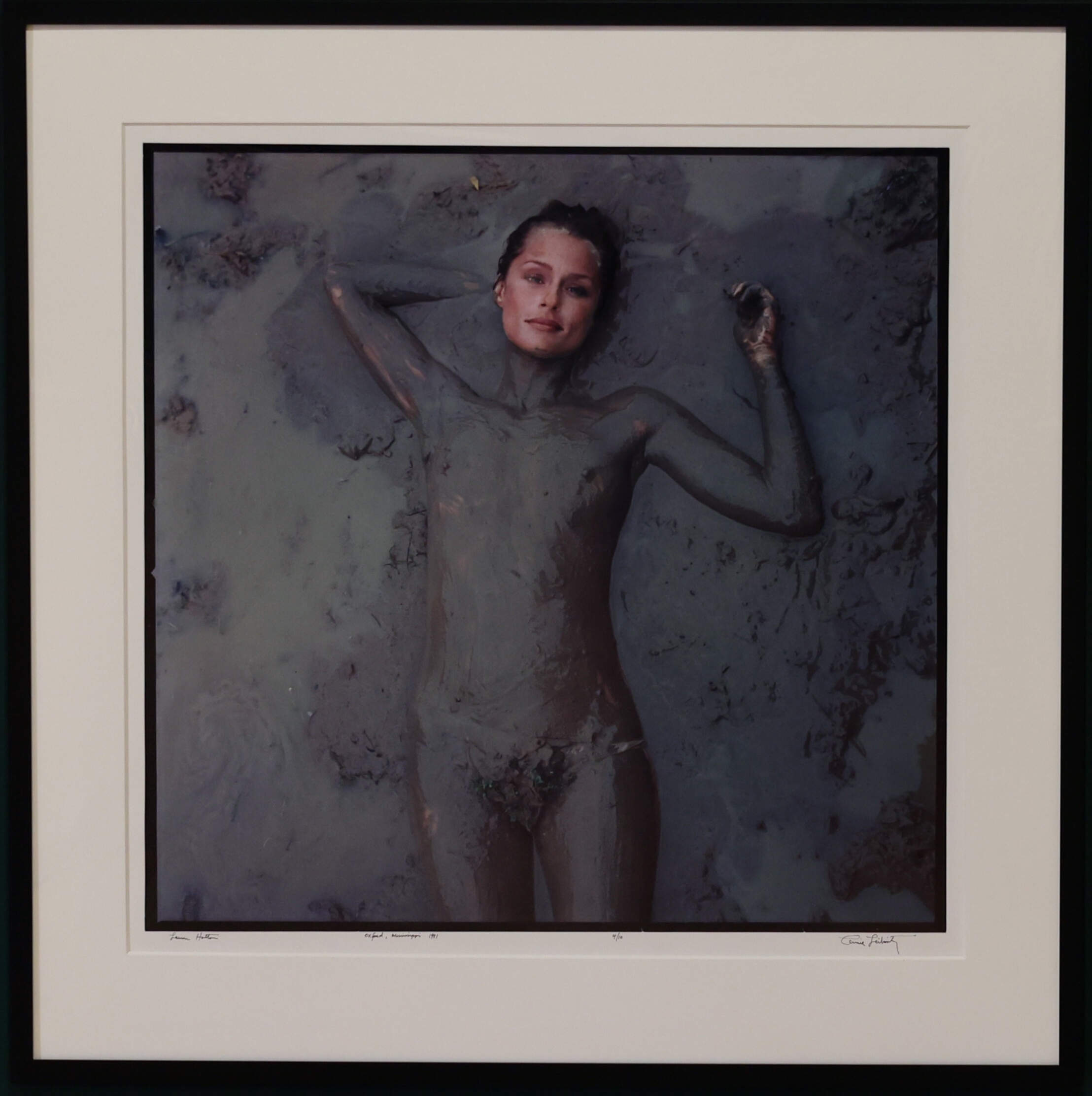
Capasso pointed to works by John Singleton Copley, Annie Leibovitz, Harold Edgerton, and Helen Frankenthaler. “So there's a lot of art history represented in here,” he said.
That history continues in the adjacent gallery. Surrounded by a massing of framed, black and white images. Photography makes up a third of the museum’s collection.
“We have a print of ‘Migrant Mother’ by Dorothea Lange,” Capasso said, “who was hired by the U.S. Farm Services Bureau during the Depression to go to the Midwest Dust Bowl and photograph the conditions she found there.”
Another icon is “The Steerage,” captured by Alfred Stieglitz in the early 20th century. It shows a scene of immigrants on a boat in New York. Capasso said there are only 8 prints of this piece in existence, “and we have one here in Fitchburg.”
Then he pointed to a sepia-toned, photographic portrait of Eleanor Norcross. Notably, the artist never seems to have painted a self-portrait. The director said Norcross was this former mill town’s Isabella Stewart Gardner.
“They were contemporaries, and what Eleanor did was remarkable for a place like Fitchburg,” he said. "A lot of major museums were founded by women — the Whitney Museum, the Museum of Modern Art. Eleanor is our local example of this same kind of philanthropic tendency.”
Capasso is struck by just how progressive Eleanor Norcross was for her time. He thinks she’d be pleased with how this show — and her museum that’s still evolving — are carrying on her legacy.
"One of the goals of the exhibition was also to show the people in our community, and beyond, the artwork that we hold in trust for them,” he said. “We’re a nonprofit, we’re here to serve people, this is the art that this community has.”
As a 100th anniversary gift to the community, the Fitchburg Art Museum will be free – even for non-residents – through 2029.
This segment aired on April 17, 2026.