Support WBUR
As Boston diners ditch alcohol, some restaurants do too
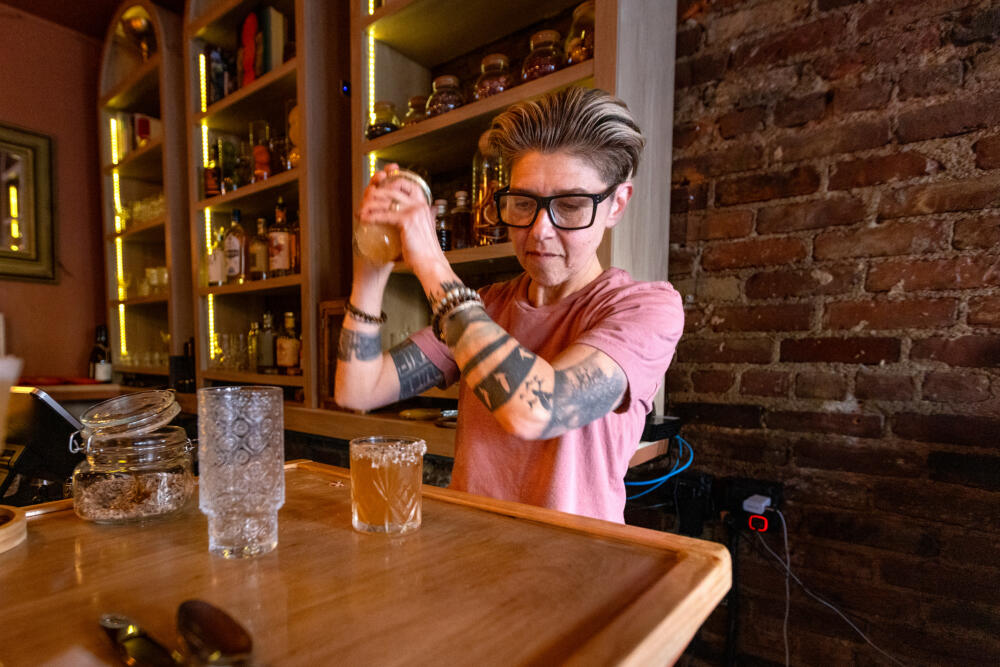
On a sunny spring Tuesday, Krista Kranyak zipped around her terra cotta-hued restaurant, Beyond Proof in Boston’s Jamaica Plain neighborhood, taking orders from diners and mixing cocktails at the bar.
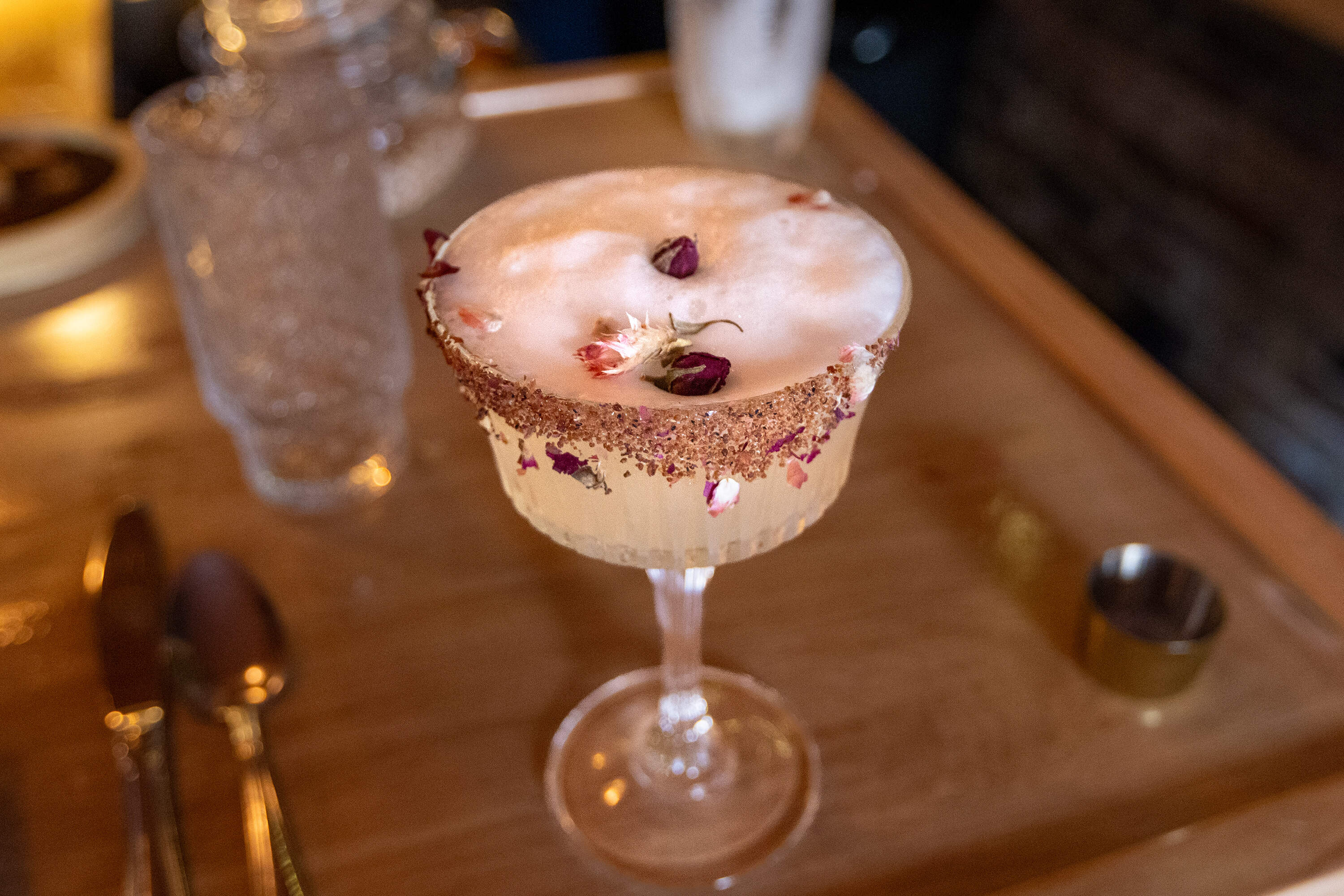
She shook up one of her best-sellers, with ingredients like rhubarb, ginger, egg white foam and a garnish of edible roses. But the "Abstinence in Bloom" is missing one ingredient: alcohol.
It’s one of more than a dozen alcohol-free cocktails on the menu at Beyond Proof. Kranyak, who converted the restaurant from her previous business Ten Tables this year, believes it’s the first completely alcohol-free cocktail menu in the Boston area. She said she modeled the restaurant after concepts she’d seen in New York.
“I kept on saying to clients, ‘Why isn't anybody doing a zero-proof craft cocktail bar, like treating zero-proof cocktails like actual craft cocktails and doing a whole bar centered around that?’” said Kranyak, who stopped drinking three years ago. “Especially in this moment, where drinking is sort of having this smoking moment, with all the research and science about it and how it's just not good for you. So it was born out of my passion.”
Kranyak said Beyond Proof has received an enthusiastic response in the short time it’s been open.
“ You don't have to be sober to be here. It's about maybe you don't want to drink during the week, or maybe somebody's pregnant, or they just don't feel like drinking, or they never drank,” she said. “I'm getting to be able to be a part of a community again, and creating space for that community feels great.”
Kranyak is on the forefront of a serious trend. People are reducing their alcohol consumption — especially young people. A 2025 Gallup poll found that only 54% of Americans say they drink — a record low for this nearly 90-year-old annual survey. Gallup also found that only half of people between ages 18 and 34 drink. That group now drinks the least of any age group surveyed. The survey group said this finding coincides with new research showing any amount of alcohol may negatively impact health.
Nicole Lawrence, 31, is among those young non-drinkers. She’s been sober for five years.
“It's been really nice too, now that [sobriety is] more on the rise, and there's a lot more n/a alternatives out, it's been really exciting to experiment with that a little bit,” she said while dining at Beyond Proof. “ It's really cool to have other alternatives while still being able to go out and enjoy cocktails with your friends, and having dedicated spaces to do so.”
She was there with 27-year-old Naomi Mora, who does drink, but like many young people, has gotten more comfortable with switching between alcoholic and non-alcoholic drinks in a given night or week.
“I'm really open to non-alcoholic drinks, because some of them are really delicious, and I think it's a worthwhile adventure to just like, on a Tuesday lunchtime, go have a non-alcoholic cocktail,” they said. “That seems like a great time for me.”
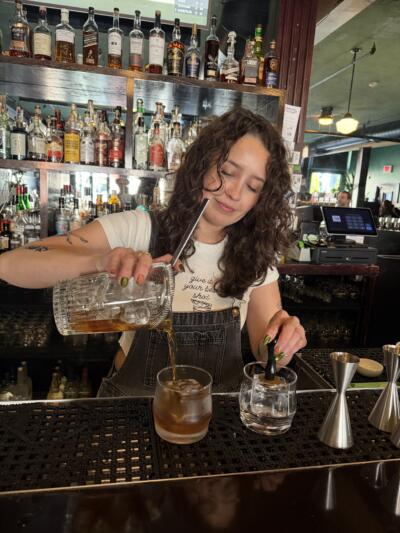
This growing practice is sometimes called “zebra striping,” as the co-owner of Somerville’s Tall Order Daren Swisher pointed out.
“I think people are trying to be more thoughtful or intentional about what they're consuming when it comes to alcohol, taking into account how much alcohol there is in something,” he said.
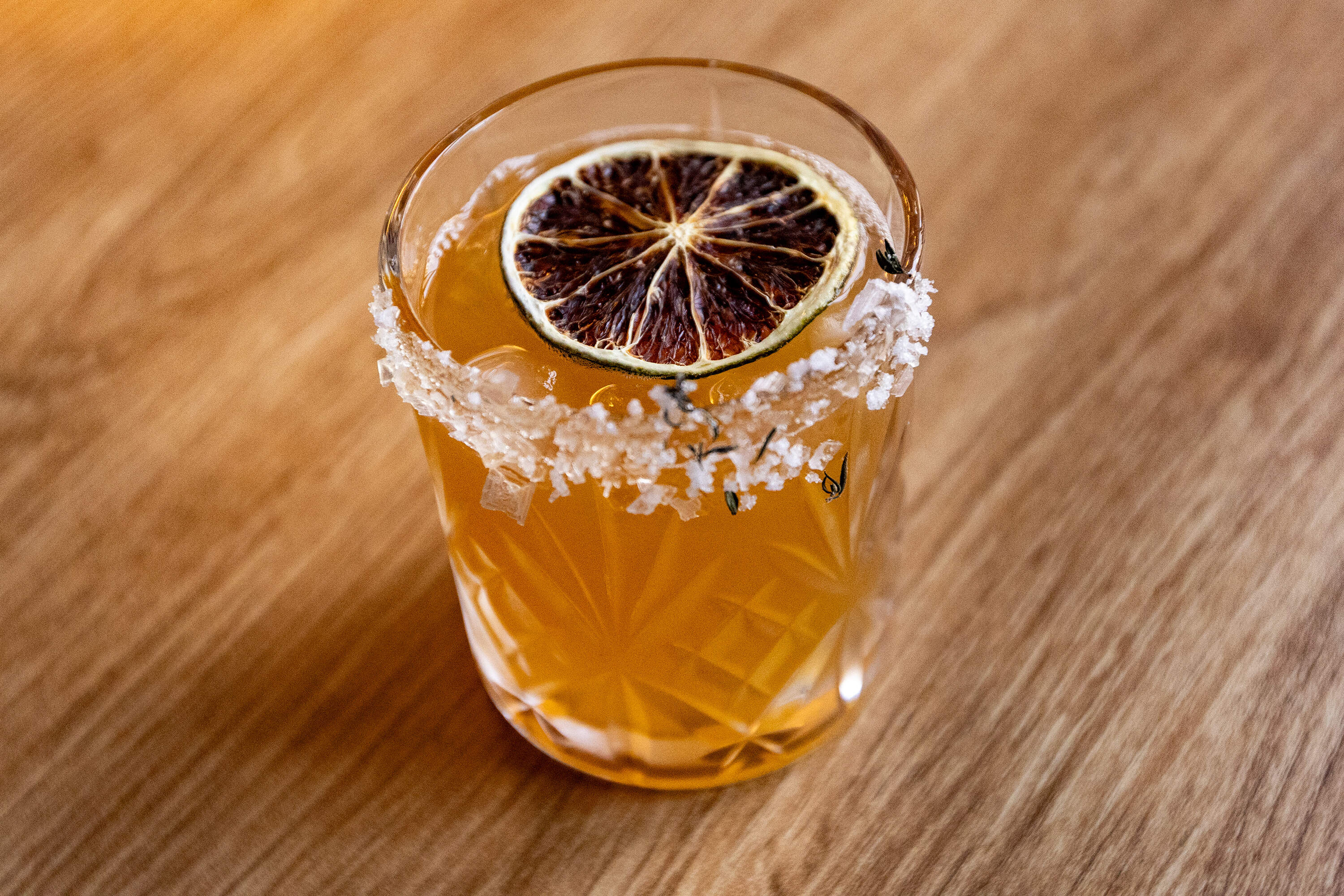
Tall Order’s owners like to describe the cozy, wood-paneled space as “your friendly neighborhood cocktail bar.” Their drink menu is broken into regular, low- and no-ABV options, including non-alcoholic beer, wine and cocktails.
Co-owner Joe Cammarata said this is partly because, from a business standpoint, it makes sense to have these options.
“We're able to have a little bit higher check average for someone that wouldn't necessarily be drinking that alcohol,” he said.
Swisher said it’s also a good customer experience to have these options on the menu.
“In the current kind of consumer climate in this day and age you need to have a substantial focus on lower-alcohol and no-alcohol cocktails and offerings, just to be as welcoming and inclusive as possible to the broadest base of clientele,” he said.
He added that there’s never been a better time to be making non-alcoholic cocktails as companies roll out better-tasting and more unique ingredients for those drinks.
Massachusetts Restaurant Association head Steve Clark said he thinks young people are drinking less in part because they turned 21 during the pandemic and didn’t get accustomed to ordering a drink at the bar. But he also attributed some of the drop in alcohol consumption to the rise of weight loss drugs like Ozempic.
“You're seeing restaurants dedicating more space on the menu to mocktails, which reflects probably the desire of the consumer for more of those beverages, but also the desire of the restaurant to sell more of those beverages,” he said. “That's absolutely been a change that we've seen in the last five years.”
John Benevides is among those making that change. He’s the bar director at Coda Restaurant Group, which runs four restaurants in Boston and Cambridge: Baleia, SRV, The Salty Pig and Gufo. Each has a menu featuring several low- and no-alcohol drink options. He said the appetite for non-alcoholic drinks has “exploded” by about 300% this year, to make up around 5% of all their drink orders.
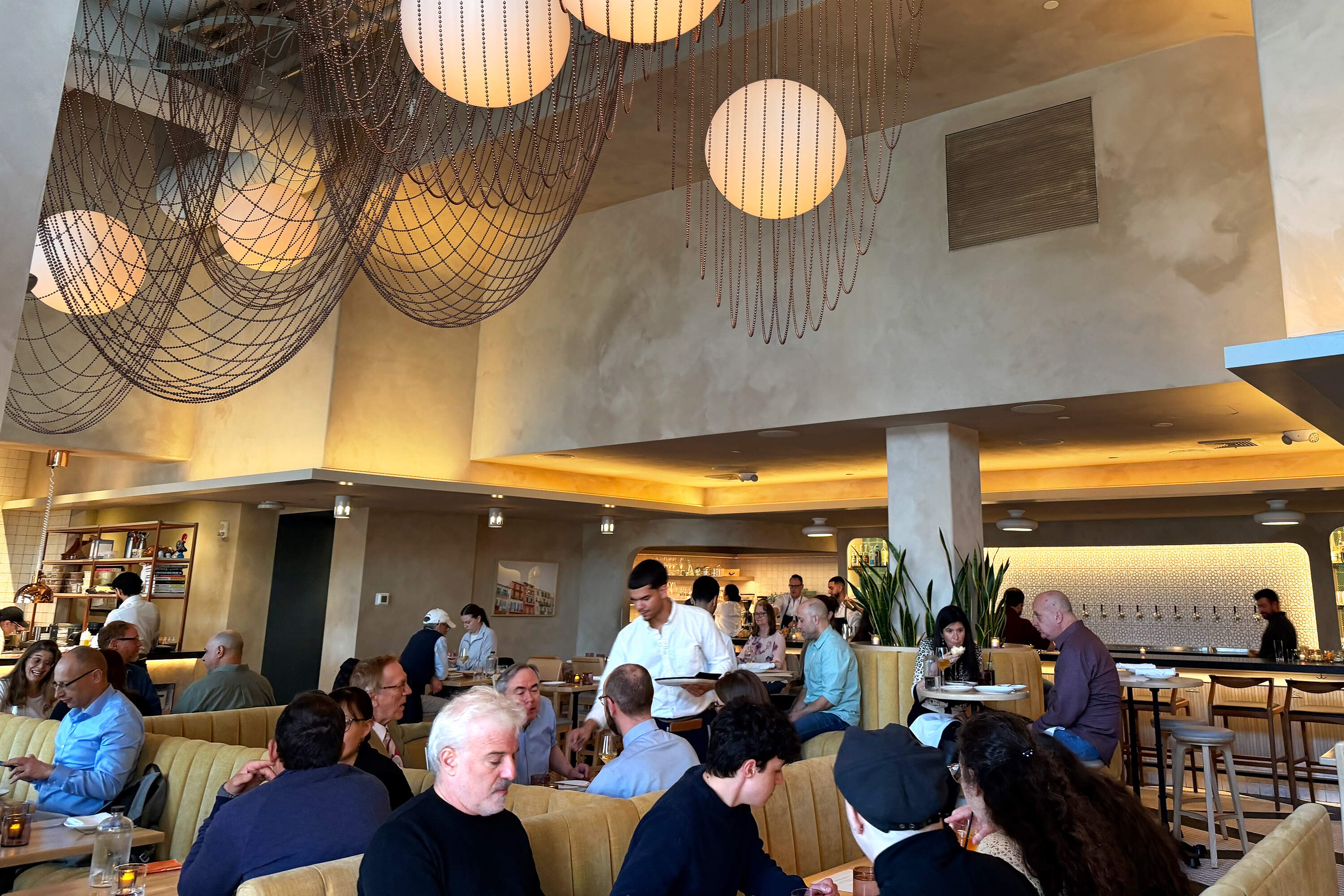
“People are definitely more conscious about being healthier, and generally just kind of abstaining a little bit,” he said. “Trying to recover from a hangover the next day is a little hard, so people are just a little more conscious about how they're choosing to indulge.”
He said that mindfulness could also mean customers indulge in one high-end cocktail with premium ingredients instead of, say, four vodka sodas. (One of those on Baleia’s menu, the $26 Madeira de Deus, features a premium Jamaican rum and an upscale dessert wine.)
“They're happy to enjoy that one cocktail and kind of really make it count, whether it's incorporating a really rare mezcal or a higher end bourbon, they're kind of using it as a way to treat themselves,” he said.
Benevides said many others are choosing to mix in non-alcoholic options throughout the night, something he didn’t see a decade ago.
“There's definitely a swing for people to consume less alcohol, and will try the new products that come out, and [it’s] exciting to, you know, use that as a new creative fuel,” he said. “I'm excited to see what happens next, but I do think the presence of non-alcoholic offerings will be here to stay.”
This segment aired on April 30, 2026.