Support WBUR
Review
'Blue Heron' is both a reminiscence on childhood and an investigation
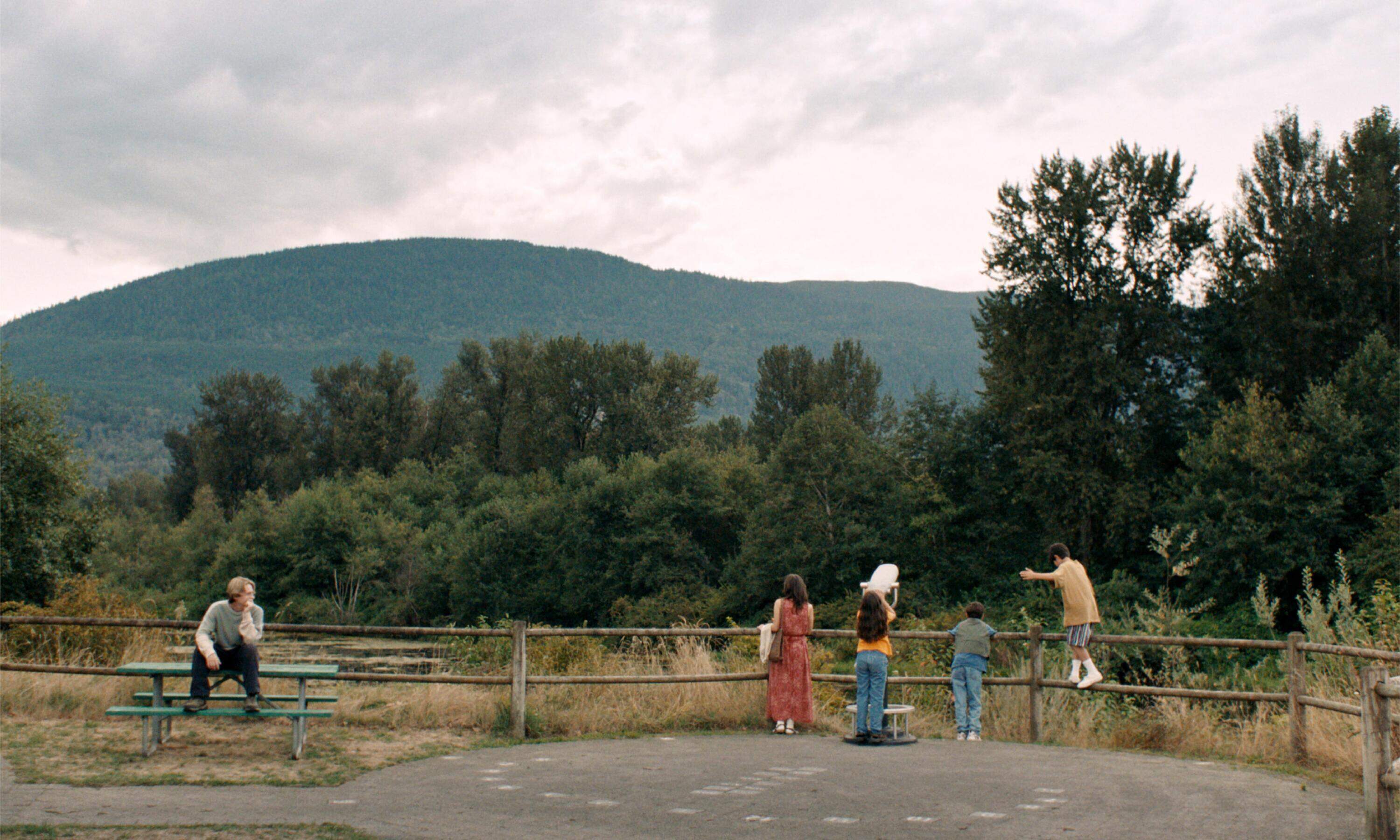
The most formative events of our childhoods are often the most mysterious. Narrative arrives later, with the benefit of hindsight and the accumulation of information we weren’t privy to at the time. In the moment, it’s all sensation and instinct. A little kid might not understand what’s going on, but they can tell when something’s wrong.
“Blue Heron,” the remarkable first feature from Canadian writer-director Sophy Romvari, begins from the perspective of an 8-year-old child living in an emotionally fraught situation she’s not quite old enough to comprehend. In the second half of the movie, that little girl will grow up to be a filmmaker much like Romvari herself, delving into old photographs, home videos and expert witness testimony in an attempt to make sense of the tragedy that befell her family so many years ago. “Blue Heron” is about how we can spend our entire lives trying to understand what happened to us when we were children.
It's also a film about summer, about the smell of freshly cut grass and lazy days by the seaside. “Blue Heron” conjures that gorgeously directionless feeling of when you’re a little kid and afternoon idylls seem to stretch out in front of you into infinity. Young Sasha (Eylul Guven) shouldn’t have a care in the world. Her Hungarian immigrant parents (Ádám Tompa and the heartbreaking Iringó Réti) fret just out of earshot, speaking their native language when stressed so that the kids won’t understand. There are four children in the house: Sasha and her two brothers, plus the significantly older Jeremy (Edik Beddoes), their mom’s son from a previous marriage. Unlike his dark-haired, wide-eyed half-siblings, Jeremy is blonde and bespectacled, with a gangly build that makes him jut out visually from the other children like an errant weed.
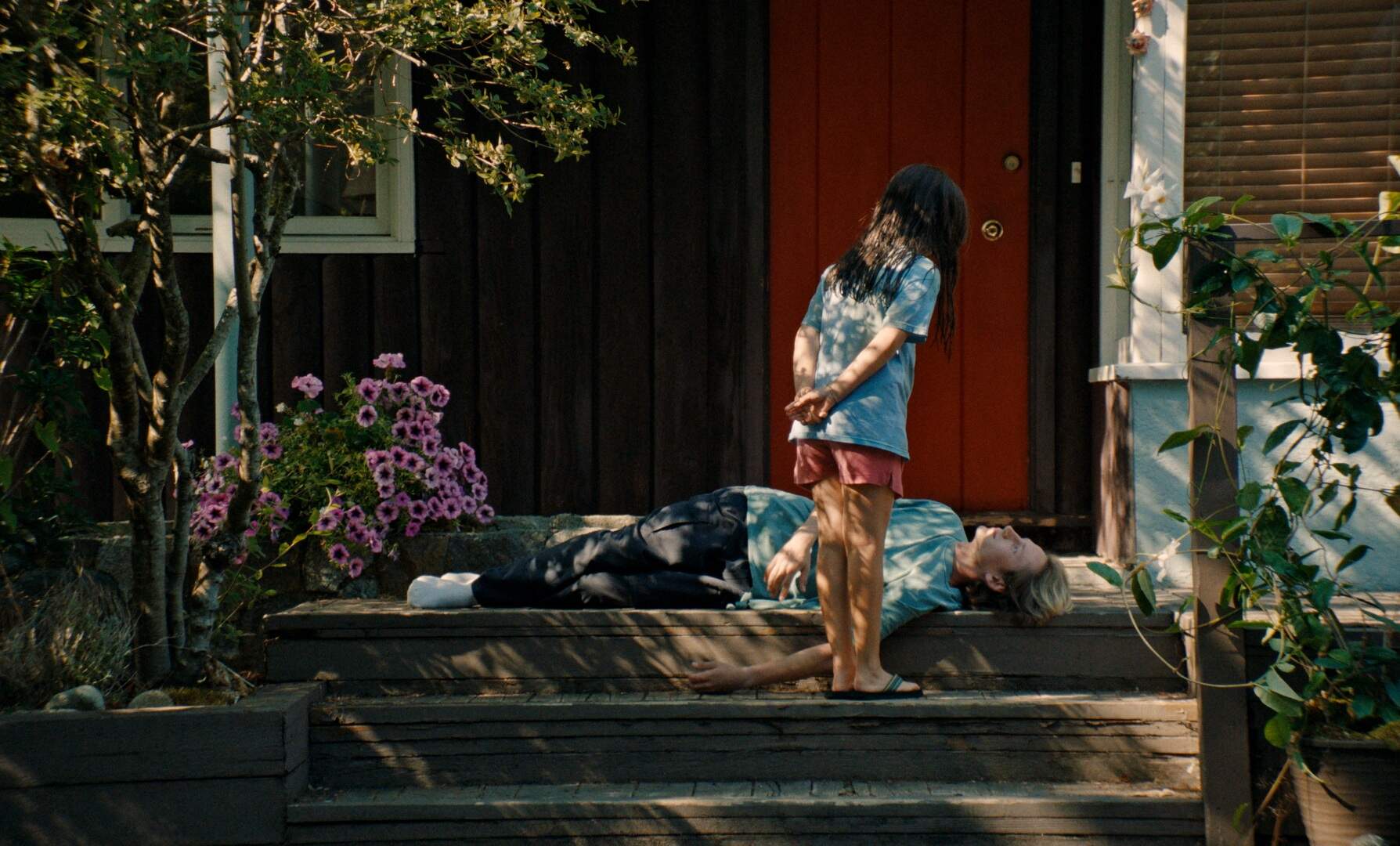
He's a troubled kid, the extent to which we will gradually discover over the course of the movie. We catch Jeremy’s disruptive behavior in glimpses, the way Sasha would. So much of “Blue Heron” is shot with the camera peering through windows or around corners, off to the side of the action. When Jeremy’s brought home by the police again, Sasha’s parents try to shield her and the other children from what’s really going on. But it’s the same result as when they converse in Hungarian. Kids are emotional tuning forks. They might not understand the words, but they feel the tones. The movie makes us feel them, too.
The best-reviewed picture of the year so far, “Blue Heron” won the Special Jury Prize for Narrative at last month’s Independent Film Festival Boston. You won’t find any disagreement here. Its early scenes reminded me of “Aftersun,” writer-director Charlotte Wells’ extraordinary 2022 debut in which a tween girl’s vacation with her emotionally floundering father is looked back upon with a similar mix of nostalgia and foreboding. (You might remember that film as the last time Paul Mescal wasn’t egregiously miscast.) Both movies have a lot to say about the slippery nature of memory, and how the stories we tell ourselves are constantly being colored and clarified by what happens after them. That’s why “Blue Heron” breaks at the halfway point, shifting from reminiscence to investigation.
The adult Sasha (Amy Zimmer) enlists a fleet of mental health professionals to examine her brother’s case files and determine what, if anything, her parents could have done differently. These aren’t actors, and I believe they’re actual files, blurring the line between fiction and first-person documentary for what won’t be the last time in the movie. Romvari’s stunning MFA thesis “Still Processing” — currently streaming on the Criterion Channel alongside seven more of her early shorts — found the filmmaker sorting through a tranche of old family photos, developing discarded negatives and trying to piece together things she was too young to fully remember.
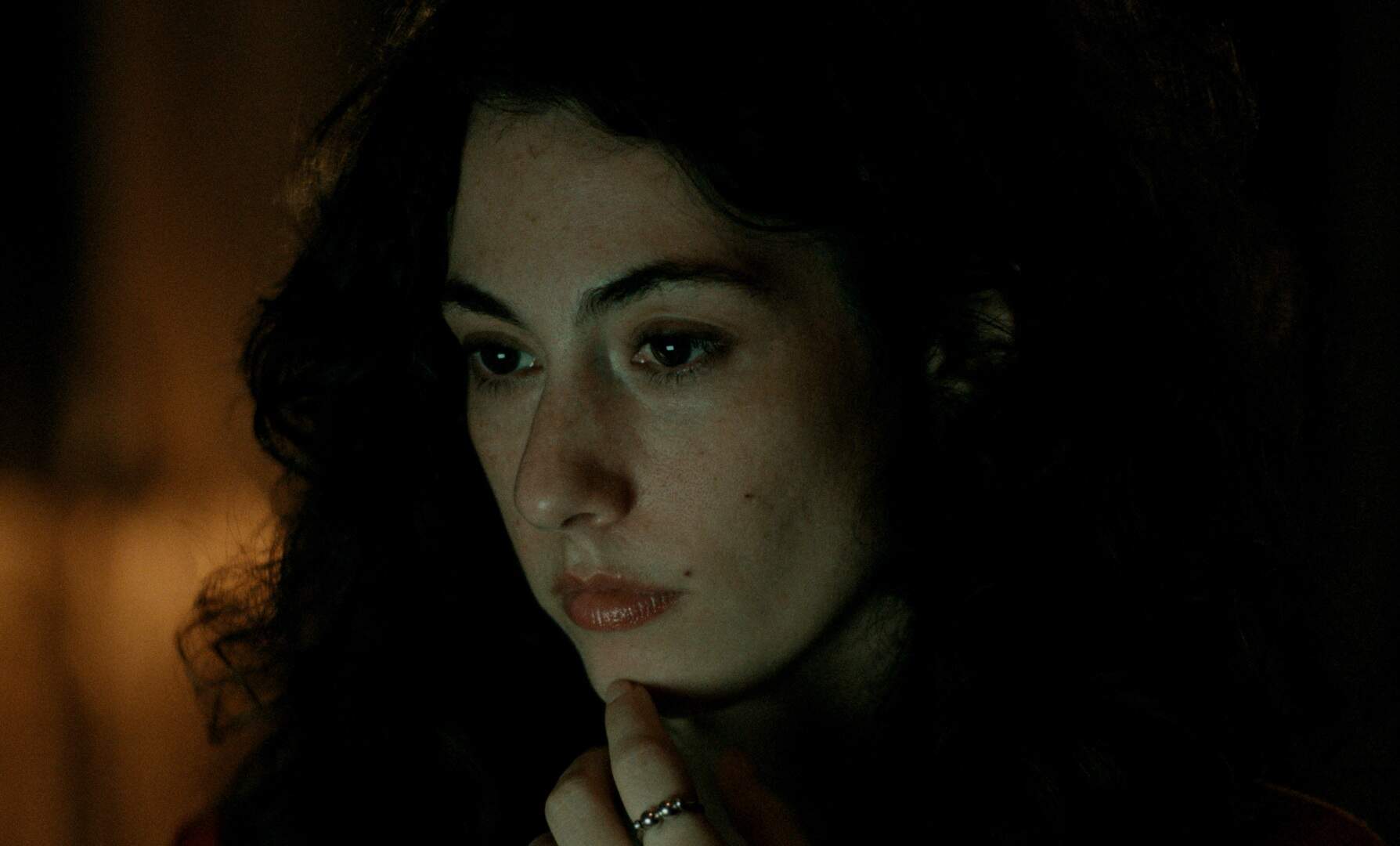
Romvari’s grandfather was a renowned production designer in the Hungarian film industry and her father is a cinematographer. Her work is full of camcorders, webcams, Zoom calls and good, old-fashioned celluloid film. The people in her projects are constantly documenting themselves and archiving everything, so things can get a bit clinical in that chilly way Canadian cinema sometimes tends to be. But “Blue Heron” transcends the academic trappings with a third-act leap into fantasy that’s as understated as it is emotionally shattering. If you knew then what you know now, would it make any difference? Hindsight isn’t always a blessing.
Maybe the most important gesture in “Blue Heron” occurs early on, when something bad happens and Sasha’s dad stops shooting home videos. He offhandedly passes the camcorder to his young daughter, setting her off on what looks like the beginning of a brilliant career.
“Blue Heron” opens Friday, May 8, at the Coolidge Corner Theatre and AMC Boston Common.