Support WBUR
As Cape Cod businesses gear up for summer, visa delays are holding up seasonal workers
Visitors will soon flock to Cape Cod for summer sun and ocean views. To meet the annual demand, Cape businesses rely on thousands of college students from all over the world to work during the high season. They help operate hotels, restaurants and tourist destinations.
But those workers are having a harder time getting visas to work in the U.S. The Trump administration has put more scrutiny on applicants to the J-1 visa program, which typically brings some 5,000 foreign students to the Cape each year.
This has caused delays and left many prospective employees in limbo. It's also made things trickier for businesses gearing up for the summer season, such as Shoreway Acres Inn in Falmouth.
Owner Greg Ketterer has hired J-1 students for years to double his staff for the busy summer season.
"They're a joy to have," Ketterer said. " They're so excited about the opportunity to work in the United States, make some money that they're not capable of making back home."
But Ketterer's staffing plan hasn't quite panned out this summer. Two J-1 students from Thailand were supposed to be here in early May.
" We decided to bring two students in earlier than the rest to help us in the preparation of rooms, getting the deep cleaning done," he said. "We want to get them in here, get them trained."
But the students' appointments to get a visa were delayed, hindering Ketterer's spring prep. He said that puts more pressure on his small core staff of 10 to get the inn ready.
"Everybody just has to roll up their sleeves and work a little harder and work a few longer days and maybe work a couple extra days a week than they normally would," Ketterer said.
That means he'll also have to pay more overtime, Ketterer added.
"I roll up my sleeves and I do things too, you know," he said with a laugh. "I might have to throw a coat of paint on something."
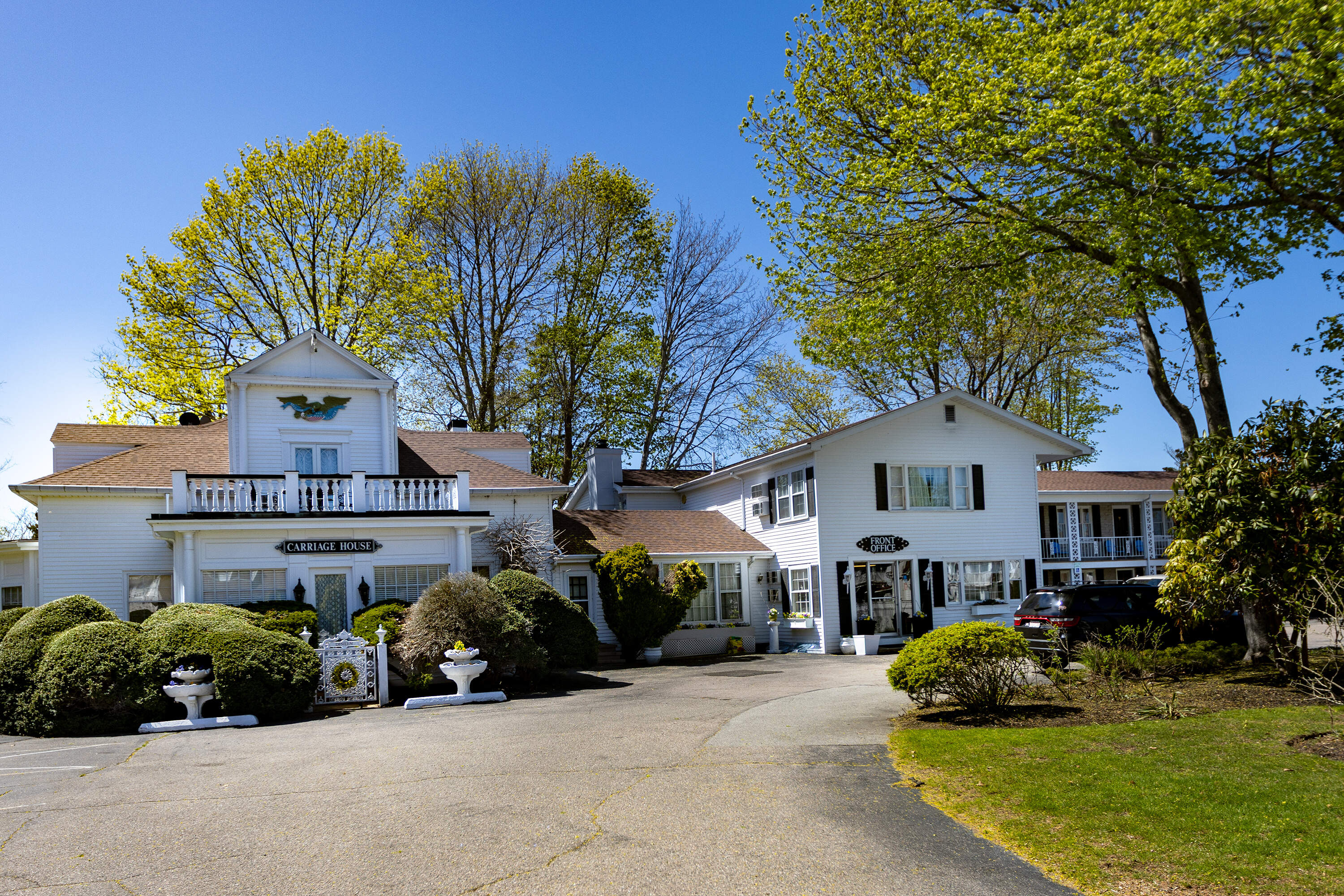
Businesses on the Cape depend on foreign workers who can come in for short periods of time to help them through the busy summer season. Many establishments are only open a few months out of the year and rely on tourism.
" The population on Cape Cod swells so dramatically during the summertime that there just are not enough locals to do these jobs," said Steve Simas, the New England director for InterExchange, an organization that sponsors J-1 students.
Simas is basically a matchmaker between students and employers. He said nearly a quarter of this year's J-1 students don't have appointments to get their visas yet.
"That's a huge chunk of the program," Simas said. "That drastically changes your whole summer, changes your revenue. The impact can be massive, for sure."
A 'win-win' program
The delays in J-1 visas are partly because of a lack of capacity at U.S. embassies, according to Simas. The U.S. State Department cut 15% of its staff last year and has had a surge of recent retirements. It is also prioritizing other visas because of the World Cup — which is expected to bring more than 2 million international visitors to Massachusetts alone.
Federal government officials are also combing through foreign students' social media accounts as part of an expanded screening process announced last year. The State Department said in its announcement that it is using "all available information" to identify visa applicants "who pose a threat to U.S. national security."
That added task causes more delays, according to Rep. Bill Keating, who represents the Cape and Islands.
"They're looking at anything that they perceive to be anti-American or critical," Keating said. "That kind of scrutiny wasn't there before. And that takes time."
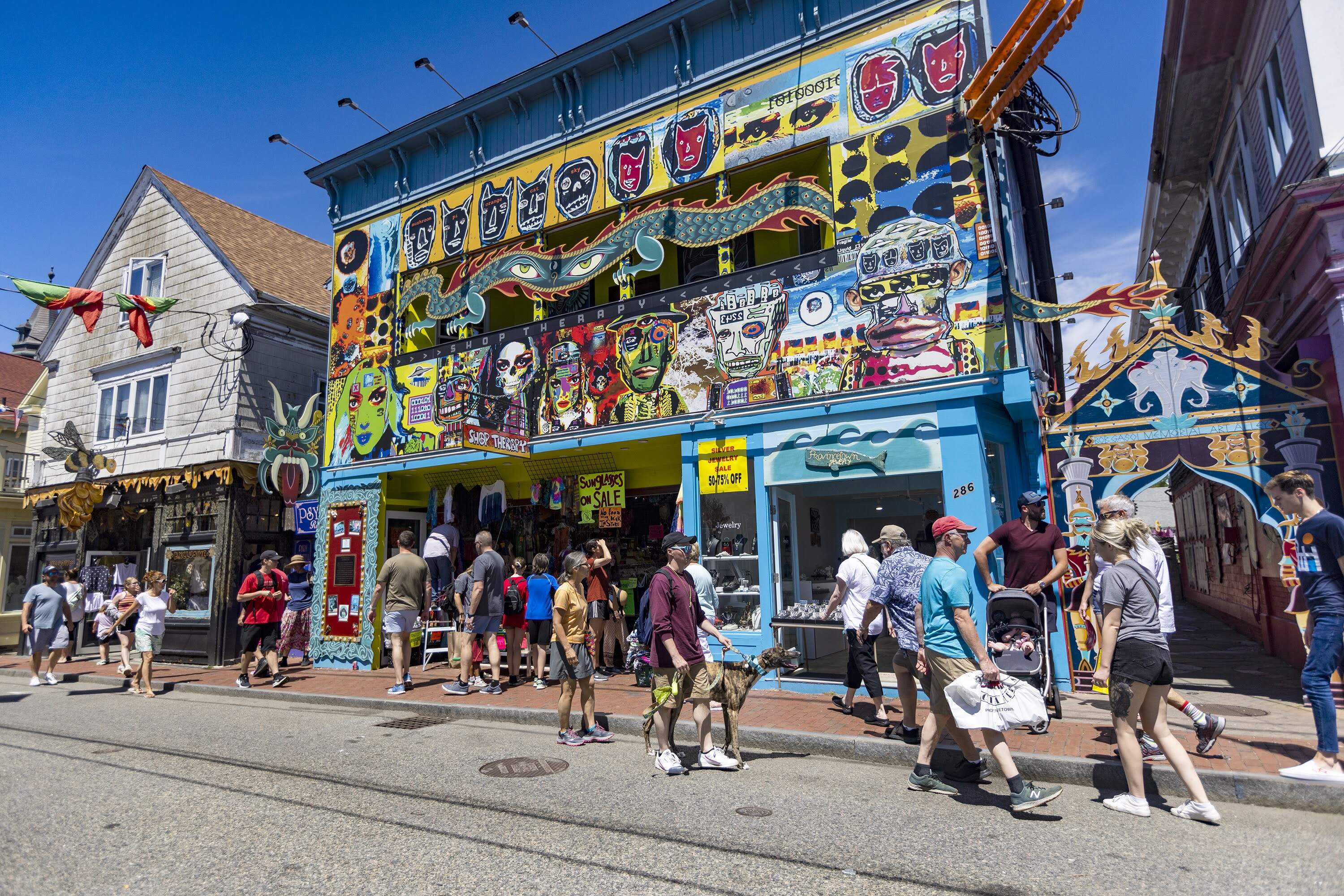
The delays were foreseeable, Keating said. He co-authored a bipartisan letter calling on the State Department to allocate more staff to process J-1 visas. Keating's office said they have not received a response to the letter, but added they're still talking to the administration about this issue.
Keating said the visa program benefits the economy, and strengthens the country's reputation around the world.
"Very few programs are win-win the way J-1 is," he said. "They [J-1 students] come back with a view of the United States that's extremely favorable because they're down with people, they're working with people, and they understand more about our country that way."
Students 'waiting on a miracle'
The J-1 visa program is meant to be a cultural exchange opportunity. That's what attracted Arianna Gonzalez, an engineering student who lives in Bucaramanga, Colombia. She saw pictures of Cape Cod and got excited to do the program.
" I thought it was really, beautiful," Gonzalez said. " I'm going to interact with many people. So I'm expecting to get my English better and to get to know how they live their lives."
Gonzalez was supposed to start work as a housekeeper in Chatham this month. But her visa interview isn't until August.
She's trying to get an appointment sooner — sometimes waking up in the middle of the night to check the embassy website for any openings.
"I'm trying to do the best as I can to have my appointments on time. But, I don't know if it's going to be possible," Gonzalez said.

Daniel Castillo also lives in Colombia and was supposed to start work as a cashier at a fast food restaurant in Hyannis this month. He's frustrated he doesn't have a visa interview until late July because he started the process in October.
" It's been a lot of work, it's been a lot of effort, a lot of money to have the chance to do this trip," said Castillo, who studies business management. "So, I'm waiting on a miracle."
Other students in a similar position gave up waiting and canceled plans to travel to the U.S., according Simas, the sponsor organization director. Some students told WBUR they might try again next year.
Businesses in limbo
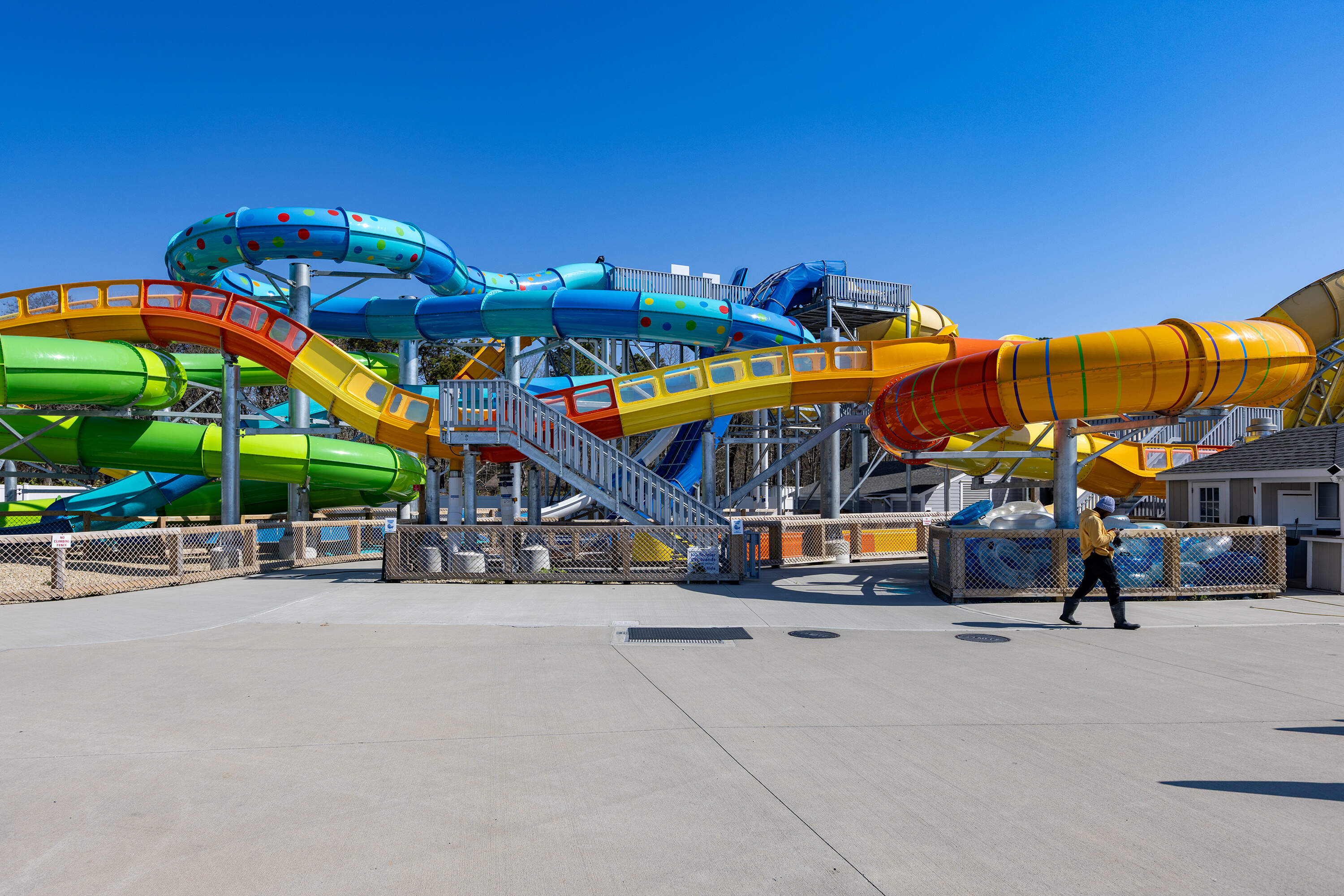
At Wicked Waves Cape Cod waterpark in Yarmouth, operations manager Plamen Kolarski said he's working "a little harder than usual" to get the J-1 students he needs. He's had a higher visa denial rate this year, but he has a plan to counter it.
" The people that didn't get the visa at this point, we always can request additional people," said Kolarski, who is originally from Bulgaria and was a J-1 student years ago.
He's applying for even more J-1 students to come in, so he can eventually get around 100 people to work as lifeguards and park attendants.
" I'm very confident that I'm going to get everyone."
Some J-1 students have already arrived on the Cape, but not enough to meet demand.
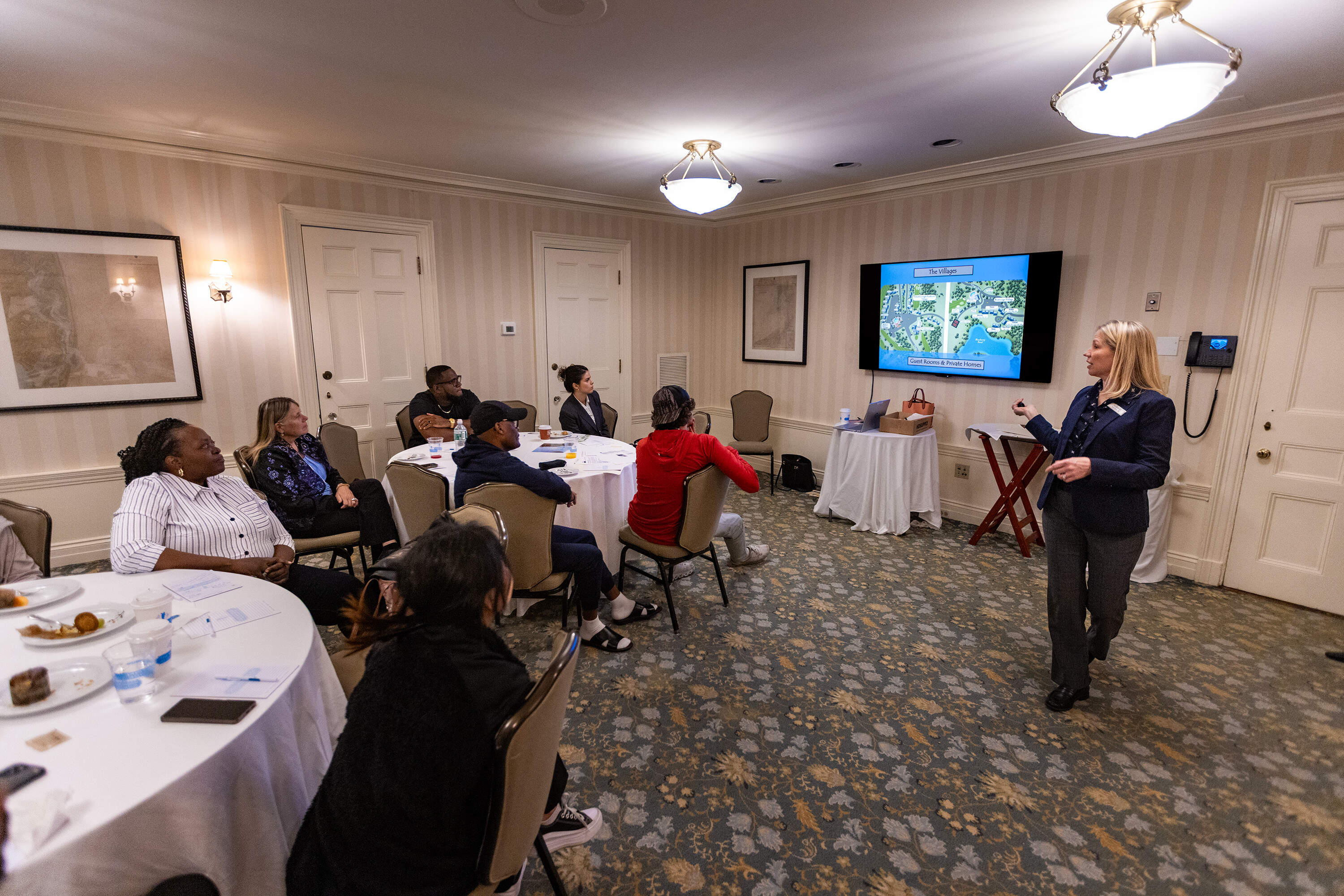
Kyung Lee, the general manager at Ocean Edge Resort in Brewster, recently welcomed some students at an orientation session. But Lee said he'd normally have three times the number of seasonal workers here already.
" They got just delayed, but eventually they will go through [the] interview process," Lee said. "So that's why I do not worry too much at this stage. Just a waiting game."
Some businesses might have to reduce their hours or cut services — like they did during COVID — if they don't get enough workers, Cape Cod Chamber of Commerce CEO Paul Niedzewiecki said. He added that would be especially challenging for smaller establishments.
Niedzwiecki is also concerned about the long-term impact. He said this year's "lengthy and more bureaucratic" visa process could affect students' desire to come work in the U.S. during future summers.
"Having these foreign students here on Cape Cod for the summer is part of the Cape Cod experience," Niedzwiecki said. "It really has become part of who we are. We look forward to them returning every year, and we hope that it continues."
This segment aired on May 20, 2026.
